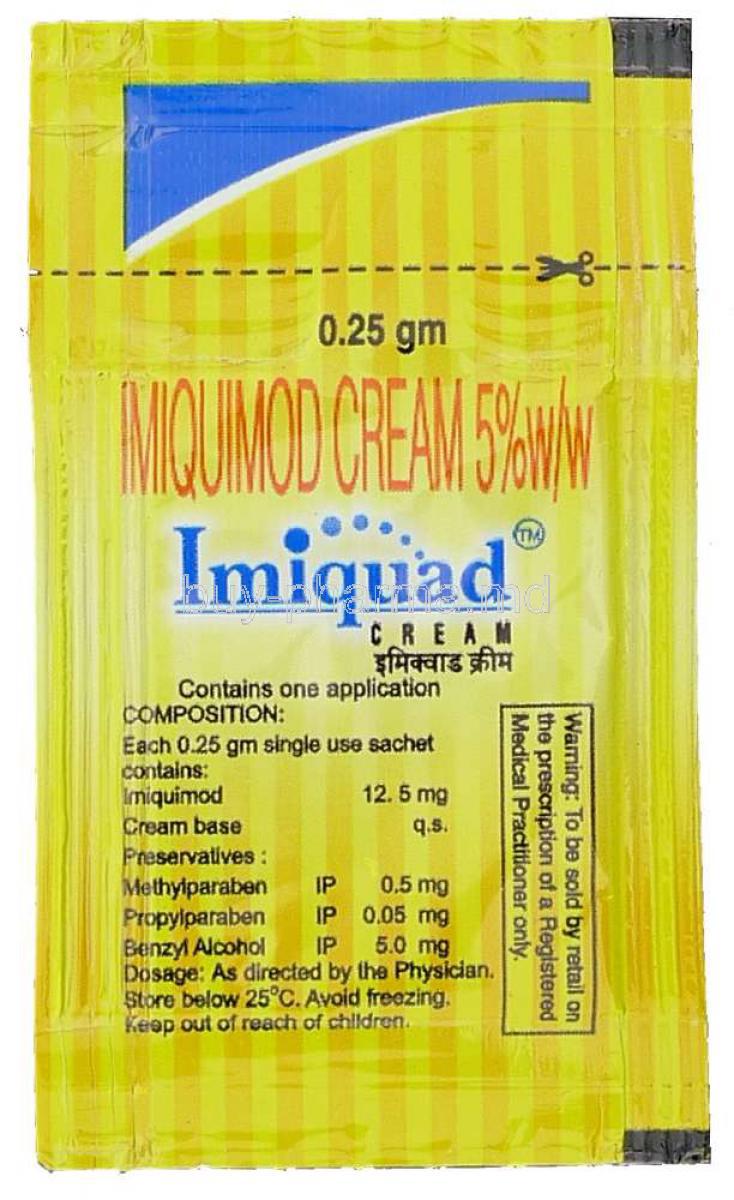
Introduction to Imiquad (Imiquimod Cream)
1.1 Overview of Imiquad
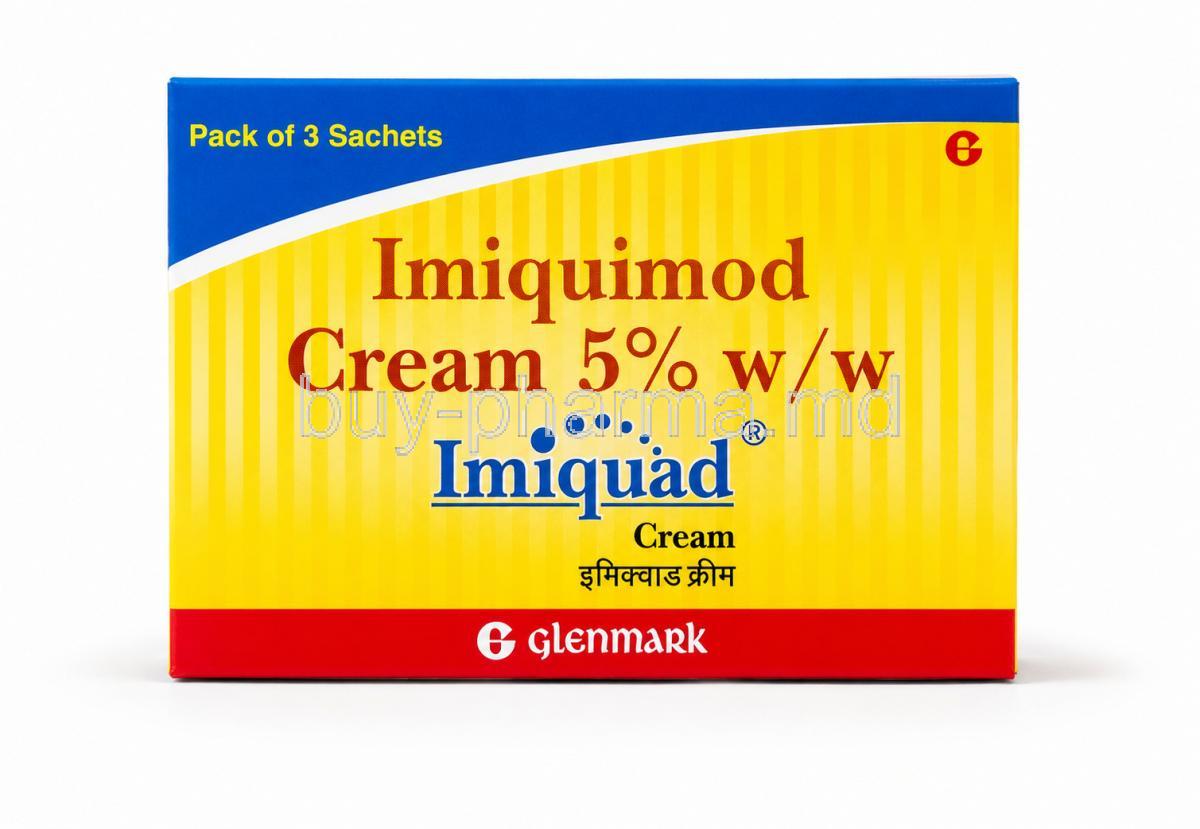
Imiquad, containing the active agent imiquimod, is a topically administered immune response modifier used in a wide array of dermatological conditions. It is recognized for its ability to stimulate the body’s innate immune machinery, leading to targeted antiviral and antitumor effects. Its utility spans both infectious and neoplastic skin disorders, offering a non-invasive therapeutic alternative for complex cutaneous disease states.
1.2 Therapeutic classification: Immune response modifier
This cream belongs to a distinct pharmacologic class known as immune response modifiers. Unlike conventional antiviral or cytotoxic agents, imiquimod enhances the host’s natural defense pathways. It amplifies local immune activation, resulting in improved pathogen clearance and tumor cell recognition.
1.3 Global medical relevance and availability
Imiquad is widely used across dermatology practices worldwide. Its availability spans multiple countries, supported by a substantial body of clinical research demonstrating its efficacy and tolerability. Many national treatment guidelines include imiquimod as a first-line or adjunct therapy for specific cutaneous lesions.
1.4 Approved dermatological indications
Approved uses typically include:
- External genital and perianal warts caused by human papillomavirus (HPV)
- Actinic keratosis, particularly on sun-damaged skin
- Superficial basal cell carcinoma
1.5 Importance in antiviral and antitumor dermatotherapy
Imiquimod plays an integral role in dermatotherapy due to its ability to induce localized immune-mediated destruction of abnormal cells. Its dual antiviral and antitumor activity makes it a versatile treatment, especially for patients who prefer non-surgical options.
Composition and Pharmaceutical Formulations
2.1 Active ingredient: Imiquimod
The primary component, imiquimod, is a synthetic imidazoquinoline compound known for potent immunostimulatory properties.
2.2 Concentrations and strengths
It is available in several strengths to suit different clinical indications:
- 2.5% cream
- 3.75% cream
- 5% cream
2.3 Inactive ingredients and excipients
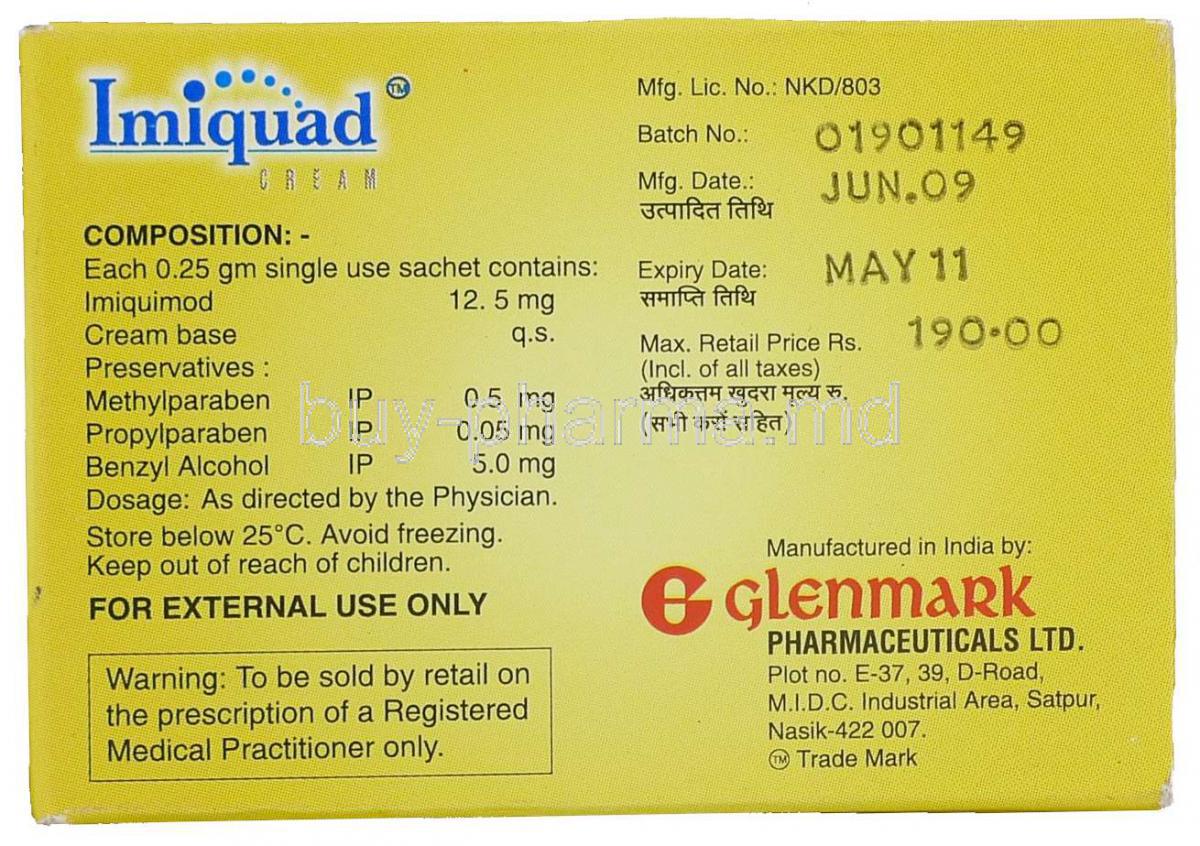
Excipients include emulsifiers, preservatives, and stabilizers designed to maintain formulation consistency and optimize percutaneous absorption without compromising skin integrity.
2.4 Packaging formats and unit dosing
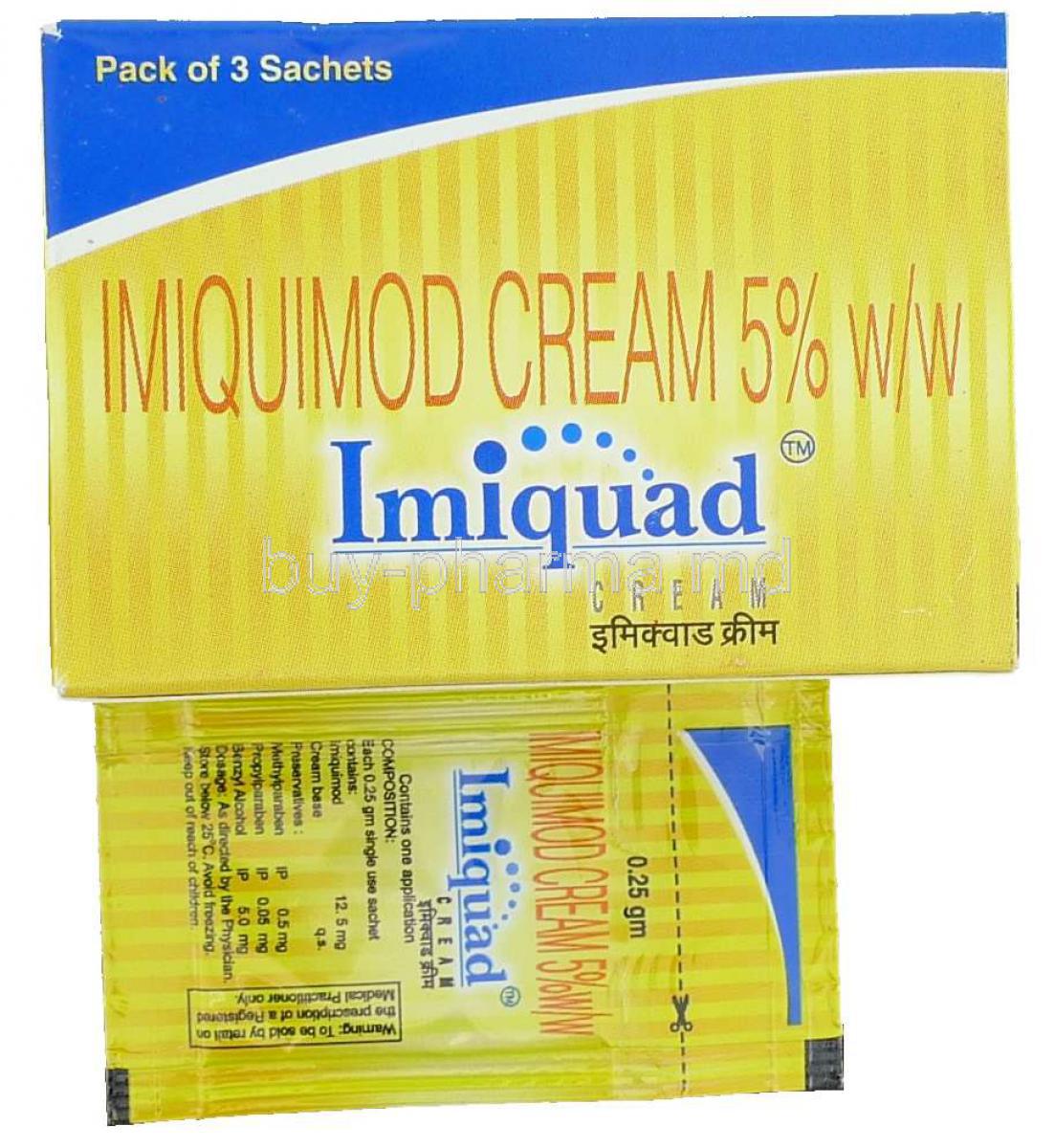
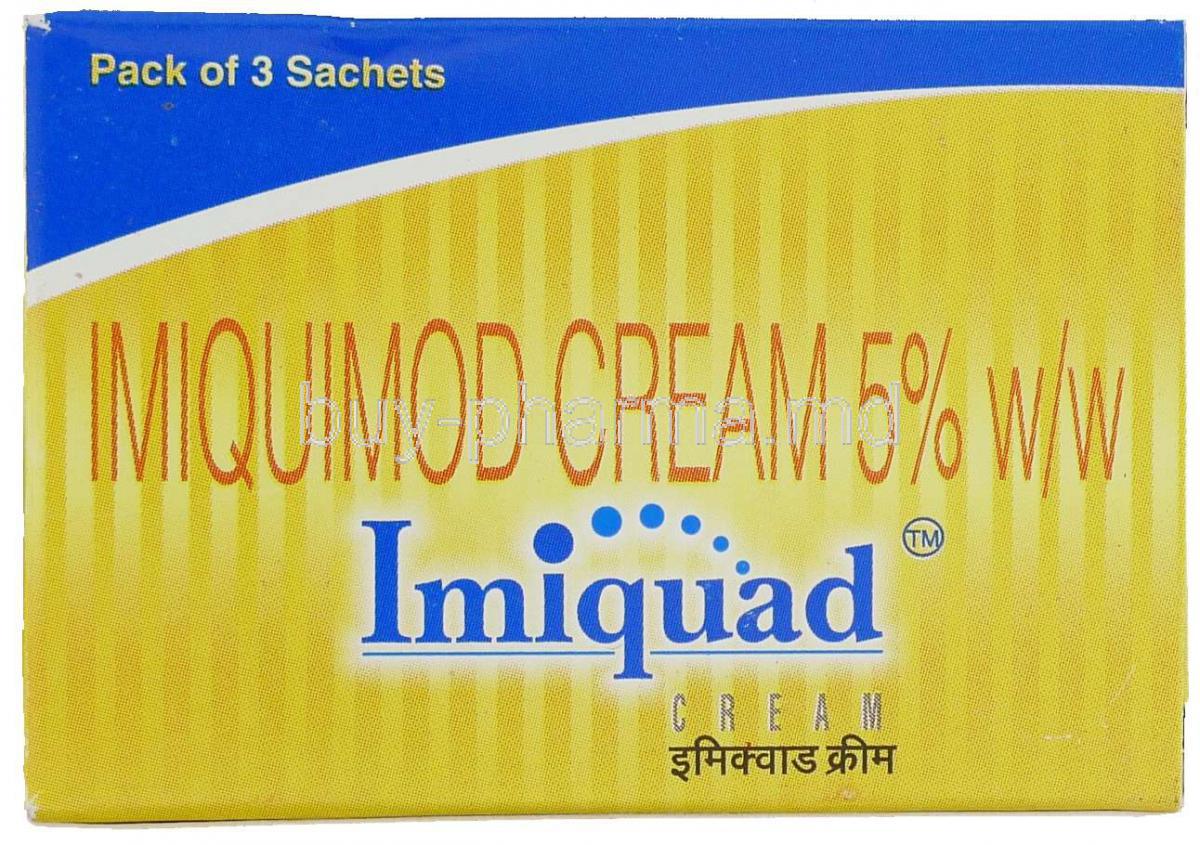
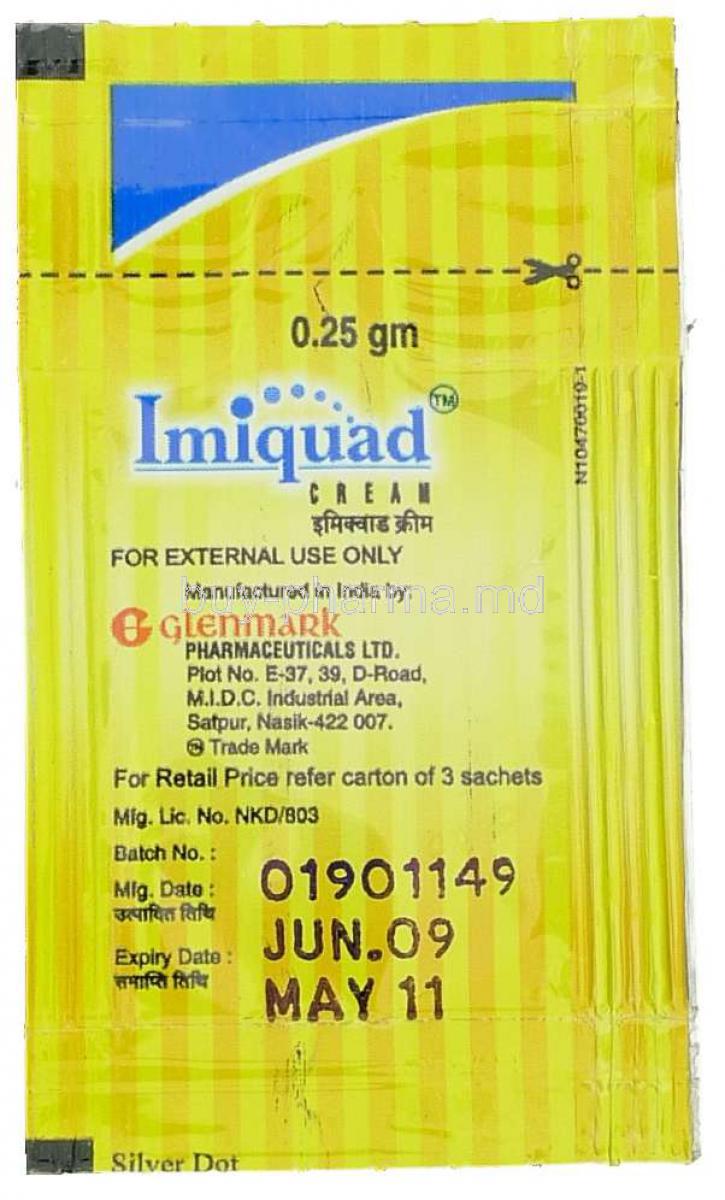
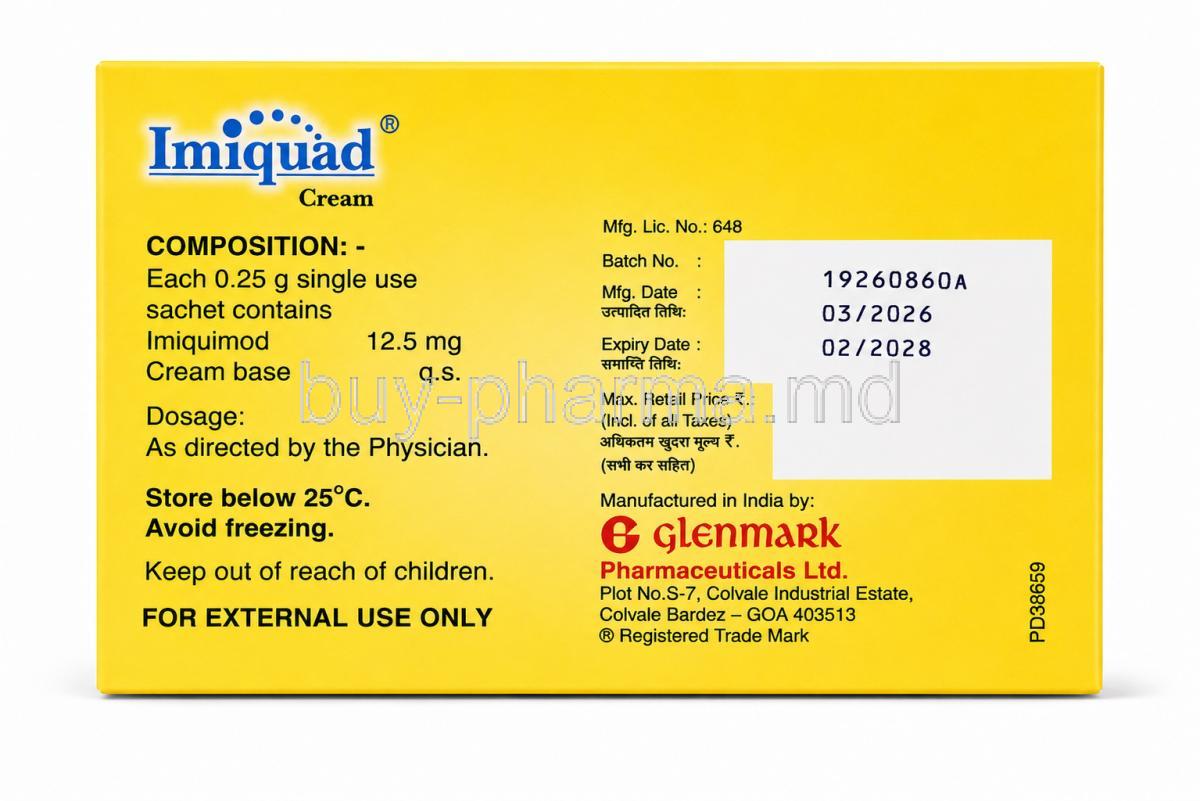
Imiquad is commonly supplied in single-use sachets or tubes, ensuring accurate dosing while minimizing contamination risks.
2.5 Formulation stability and excipient function
The stability of imiquimod cream depends on the synergistic action of excipients. These ingredients preserve potency, enhance penetration, and maintain a uniform cream base.
Mechanism of Action: How Imiquimod Works
3.1 Immune response modulation
Imiquimod enhances innate and adaptive immune activities, prompting the release of immune mediators that attack pathogenic and malignant cells.
3.2 Activation of toll-like receptor 7 (TLR7)
The cream binds to TLR7 on immune cells, triggering intracellular signaling pathways that activate defense mechanisms.
3.3 Induction of cytokines: IFN-α, TNF-α, and interleukins
Application results in the production of interferon-alpha, tumor necrosis factor-alpha, and various interleukins, all essential players in antiviral and antitumor activity.
3.4 Antiviral activity mechanisms
Imiquimod inhibits viral replication indirectly by activating antiviral immune pathways rather than targeting viral particles directly.
3.5 Antitumor effects: Enhanced apoptosis and immune surveillance
The drug promotes recognition and destruction of malignant cells while fostering enhanced immune surveillance that suppresses recurrence.
3.6 Local inflammatory cascade and therapeutic benefits
A controlled inflammatory reaction frequently accompanies treatment. While sometimes uncomfortable, this response is essential for optimal therapeutic outcomes.
Approved Uses of Imiquad (Imiquimod Cream)
4.1 Treatment of external genital and perianal warts
Imiquad is prescribed for HPV-related lesions where it enhances clearance by regulating immune responses within affected tissues.
4.2 Management of actinic keratosis
Used in cycles, it aids in eliminating precancerous keratinocyte lesions caused by chronic ultraviolet exposure.
4.3 Treatment of superficial basal cell carcinoma
This non-invasive therapy is utilized for certain superficial BCC lesions, especially when surgical intervention is undesirable.
4.4 Role in premalignant lesions
Its immune-mediated actions make it beneficial in selected premalignant cutaneous conditions requiring localized therapy.
Off-Label Uses and Emerging Clinical Applications
5.1 Molluscum contagiosum in children and adults
Imiquimod is sometimes used to treat molluscum lesions due to its antiviral effects, though response may vary.
5.2 Cutaneous leishmaniasis
Adjunctive use has been explored in parasitic infections where immune support enhances treatment efficacy.
5.3 Keloids and scar modulation
Its immunomodulatory action may reduce abnormal scar proliferation in select cases.
5.4 Common warts and plantar warts
Often used when conventional wart therapies fail, imiquimod assists through immune-driven clearance mechanisms.
5.5 Bowen’s disease
As a non-surgical option, imiquimod may be prescribed in squamous cell carcinoma in situ.
5.6 Lentigo maligna
Investigational use includes managing early melanoma in situ under dermatologist supervision.
5.7 Adjunctive therapy in skin field cancerization
The cream may complement therapeutic regimens addressing diffuse UV-induced skin damage.
5.8 Dermatologic viral infections beyond HPV
Its immune-enhancing effects demonstrate utility across a spectrum of viral dermatologic disorders.
Dosage and Administration Guidelines
6.1 Recommended dosing for genital and perianal warts
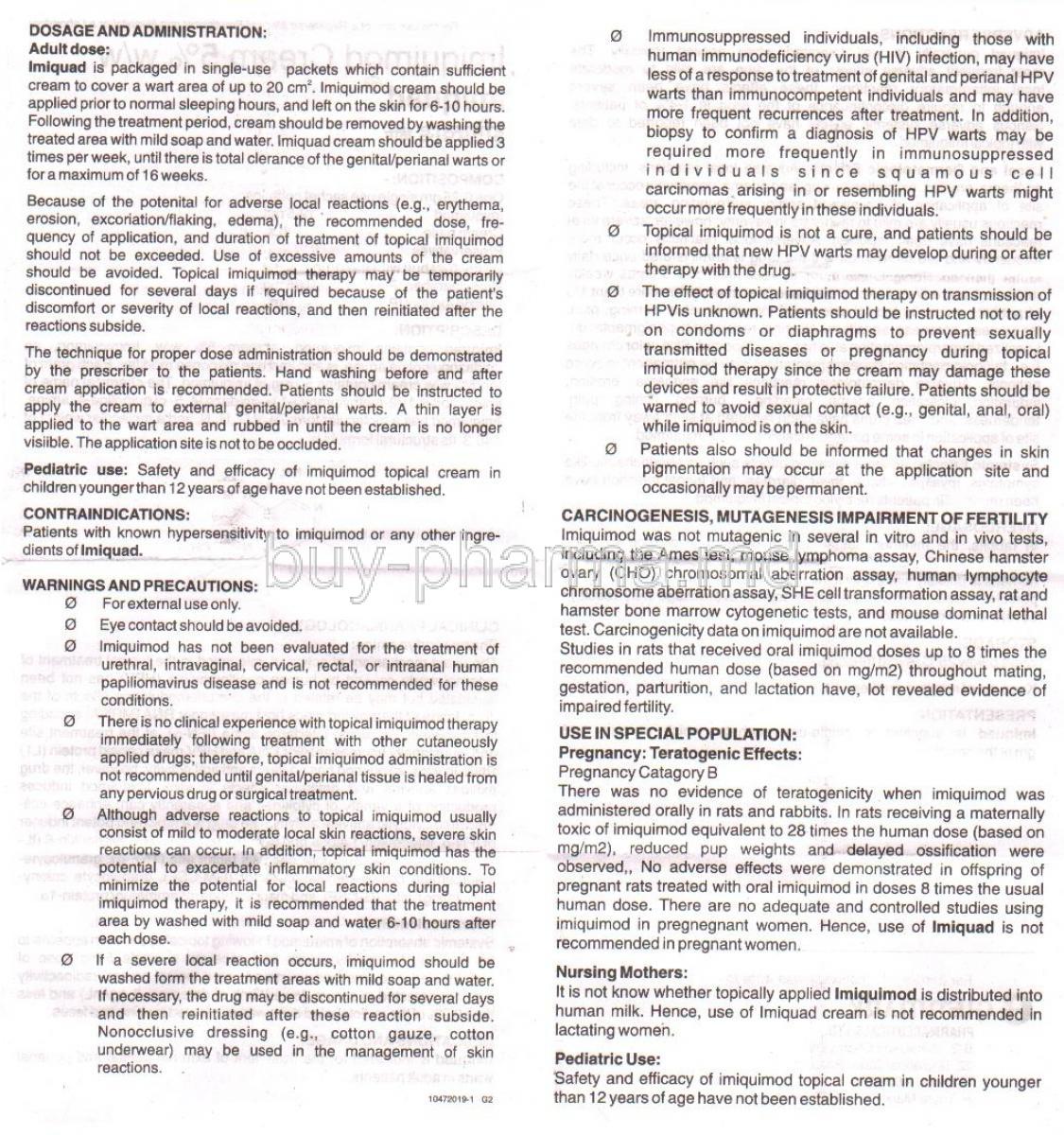
Typically applied three times per week until clearance, with adjustments based on patient tolerance.
6.2 Dosing schedule for actinic keratosis
Often applied twice weekly for several weeks, followed by rest periods to allow healing.
6.3 Administration for superficial basal cell carcinoma
Daily application for prescribed durations is common, depending on lesion characteristics.
6.4 How to properly apply the cream
Apply a thin film to clean, dry skin. Avoid occlusion unless specifically recommended.
6.5 Treatment duration by condition
Duration varies from weeks to months depending on severity and clinical response.
6.6 What to do in case of missed doses
Resume treatment at the next scheduled time without doubling the dose.
6.7 When to discontinue treatment
Severe inflammation, ulceration, or intolerable symptoms may warrant cessation.
6.8 Signs of inadequate or excessive response
Minimal reaction may indicate insufficient absorption; extreme reaction may require dose spacing.
Important Administration Considerations
7.1 Skin preparation before application
Cleaning with mild soap and water promotes optimal absorption and reduces irritation risk.
7.2 Areas of the body suitable for application
Only apply to affected external skin; internal use is contraindicated.
7.3 Avoiding mucosal contact
The cream should not be applied inside the mouth, nose, or genital canal.
7.4 Managing local skin reactions
Redness and irritation may be managed by reducing application frequency.
7.5 Use under occlusion: benefits and risks
Occlusion can intensify effects but also elevate adverse reaction risk.
7.6 Sun exposure precautions during treatment
Limit ultraviolet exposure and apply sun protection to reduce phototoxicity.
Careful Administration: Patient-Specific Considerations
8.1 Patients with sensitive or atopic skin
These individuals may experience heightened irritation; cautious dosing is recommended.
8.2 Those with autoimmune disorders
Immunostimulatory properties may exacerbate underlying autoimmune activity.
8.3 Patients with chronic dermatologic inflammatory conditions
Pre-existing inflammatory dermatoses may flare during treatment.
8.4 Individuals with impaired wound healing
Delayed recovery may occur; close monitoring is advised.
8.5 Patients receiving immunosuppressive therapy
The cream’s action may conflict with systemic immunosuppression strategies.
8.6 Polypharmacy considerations
Evaluate potential interactions with other topical and systemic medications.
Special Population Use
9.1 Administration to elderly patients
9.1.1 Age-related skin thinning and irritation risk
Elderly skin is more susceptible to irritation, necessitating tailored dosing.
9.1.2 Adjustments in dosing frequency
Extended intervals between applications may improve tolerability.
9.1.3 Monitoring for exaggerated inflammatory response
Regular assessment helps avoid undue tissue damage.
9.2 Administration to pregnant women
9.2.1 Available safety data in pregnancy
Human data remain limited; systemic absorption is minimal but not negligible.
9.2.2 Potential developmental risks
Animal studies show variable outcomes; caution is advised.
9.2.3 Recommendations for use only if clearly needed
Use is typically reserved for essential cases where benefits outweigh risks.
9.3 Administration to nursing mothers
9.3.1 Absorption and breast milk considerations
Only trace systemic absorption occurs, but direct infant exposure should be avoided.
9.3.2 Safe application precautions
Avoid applying the cream on or near the breast area to prevent infant contact.
9.4 Administration to children
9.4.1 Pediatric use in molluscum contagiosum
Off-label pediatric use is common, though response varies across age groups.
9.4.2 Age restrictions for genital warts and actinic keratosis
These indications are typically limited to adults unless otherwise directed by a specialist.
9.4.3 Precautions in prolonged pediatric therapy
Children may be more sensitive to irritation; treatment duration should be limited and supervised.
10. Side Effects of Imiquimod Cream
10.1 Overview of adverse reactions
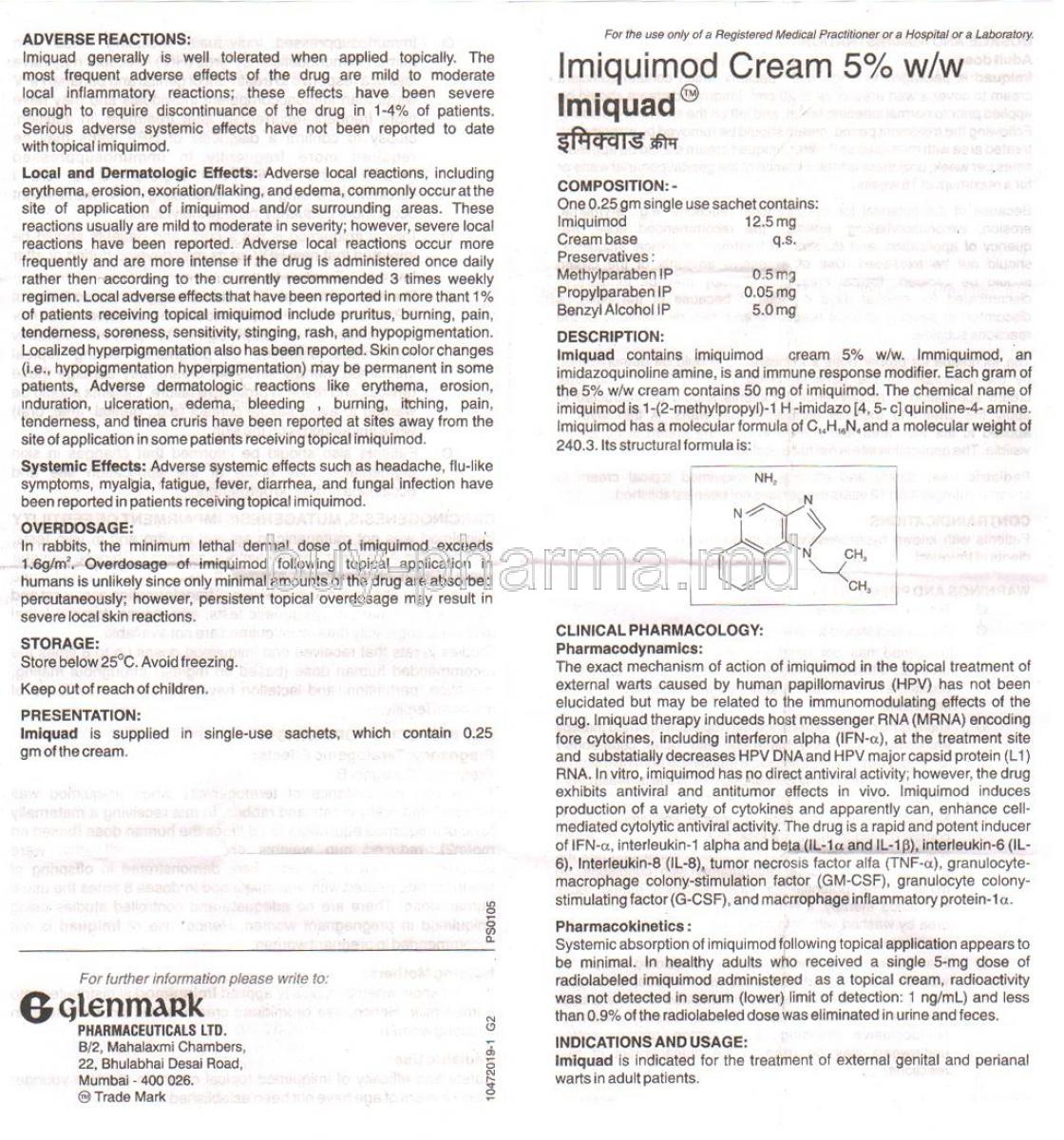
Imiquimod cream may cause a spectrum of adverse reactions, most of which stem from its immune-activating properties. These effects can vary from mild irritation to more pronounced inflammatory responses. Some individuals experience only localized reactions, while others may develop systemic symptoms, depending on sensitivity, dosage, and treatment duration.
10.2 Local skin reactions
Localized reactions are the most frequently reported. These may manifest shortly after application and often represent the expected outcome of immune stimulation in the treated area.
- Erythema and tissue swelling
- Dryness and sensitivity to touch
10.3 Systemic reactions
Although uncommon, some patients experience systemic manifestations due to cytokine release. These reactions typically resolve upon dose adjustment or temporary discontinuation.
10.4 Inflammatory flare-ups
Excessive immune activation can lead to flare-ups, creating heightened inflammation, tenderness, and discomfort. These episodes can mimic infection but generally resolve when therapy is paused.
10.5 Hypersensitivity responses
Hypersensitivity reactions may involve swelling, diffuse redness, or vesicle formation. In rare scenarios, more severe allergic patterns may arise, highlighting the need for prompt evaluation.
11. Common Side Effects
11.1 Redness, swelling, and irritation
These symptoms are the hallmark of imiquimod therapy. Mild to moderate redness or swelling signals immune activation but may become uncomfortable if intense.
11.2 Itching and burning sensation
Patients often report pruritus or a burning feeling in treated regions. While generally manageable, severe sensations may necessitate adjusting application frequency.
11.3 Flaking, scaling, or crust formation
As the treated skin renews itself, visible peeling or crusting may appear. This reflects cellular turnover and inflammatory activity.
11.4 Scabbing and erosion
Persistent inflammation can cause superficial scabbing or minor erosions. These usually heal spontaneously once treatment is paused.
11.5 Skin discoloration and hyperpigmentation
Post-inflammatory pigmentation changes can occur, particularly in darker skin tones. These changes often fade over time but may persist in some individuals.
11.6 Flu-like symptoms in some patients
A subset of users may experience systemic flu-like symptoms due to cytokine release, including fever, malaise, and body aches.
12. Serious Adverse Effects
12.1 Severe ulceration or necrosis
In rare cases, profound inflammation may lead to tissue ulceration or necrosis. Immediate cessation and medical intervention are recommended if such symptoms arise.
12.2 Intense systemic immune response
Exaggerated immune stimulation may cause widespread symptoms such as chills, myalgia, or profound fatigue. This requires urgent evaluation.
12.3 Lymphangitis or secondary bacterial infection
Open lesions or erosions may become infected, leading to lymphatic inflammation or cellulitis. Appropriate antimicrobial therapy may be required.
12.4 Allergic or anaphylactoid reactions
Severe allergic reactions, though extremely rare, may include facial swelling, difficulty breathing, or generalized rash.
13. Drug Interactions
13.1 Interactions with other topical dermatologic agents
Concurrent use with potent topicals may intensify irritation or compromise the skin barrier.
13.2 Concurrent use with retinoids
Topical retinoids can amplify inflammation, increasing the likelihood of erythema and peeling.
13.3 Interaction with photodynamic therapy
Combining both therapies may heighten photosensitivity and provoke exaggerated skin responses.
13.4 Immunomodulating drugs
Systemic immunomodulators may counteract or intensify imiquimod’s effects, depending on the mechanism of action.
13.5 Vaccines and immune response interference
Significant immune activation may potentially alter vaccine response timing or efficacy.
14. Warnings and Important Precautions
14.1 Avoid use on open wounds or inflamed skin
Applying the cream to compromised skin may increase absorption and aggravate irritation.
14.2 Risk of intense local reaction requiring cessation
Severe inflammation may necessitate pausing treatment to allow for recovery.
14.3 Immune-related worsening of inflammatory conditions
Conditions such as eczema or psoriasis may worsen due to imiquimod’s potent immunostimulatory effects.
14.4 Restrictions on application surface area
Large-area application can lead to systemic absorption and systemic reactions.
14.5 Avoiding exposure to UV light and tanning beds
The treated skin may become photosensitive, increasing the risk of burns or pigmentation changes.
14.6 Monitoring during long-term treatment
Extended therapy requires routine assessment to ensure optimal benefit and safety.
15. Contraindications
15.1 Known hypersensitivity to imiquimod or excipients
Individuals with documented allergies should avoid use to prevent severe reactions.
15.2 Severe inflammatory skin disorders
Active dermatitis or uncontrolled inflammatory dermatoses may be exacerbated by treatment.
15.3 Use on infected or ulcerated areas
Infection may worsen due to inflammation; alternate treatments should be considered.
15.4 Contraindications in certain pre-existing autoimmune diseases
Excessive immune activation may pose risks for patients with specific autoimmune disorders.
16. Overdosage and Excessive Application
16.1 Clinical signs of overdose
Overuse may present as extreme redness, swelling, oozing, or systemic flu-like symptoms.
16.2 Management of accidental ingestion
Ingestion is unlikely to cause severe toxicity but warrants medical evaluation and supportive care.
16.3 Treatment of severe local skin reaction
Temporary discontinuation, gentle cleansing, and application of soothing agents can aid recovery.
16.4 Supportive measures
Hydration, symptomatic relief, and wound care may be recommended depending on severity.
17. Handling and Safety Precautions
17.1 Safe handling of single-use packets
Each packet should be opened immediately before use to maintain sterility and potency.
17.2 Preventing accidental transfer to eyes or mouth
Caution is required to avoid unintended exposure to mucosal surfaces.
17.3 Handwashing techniques after use
Thorough handwashing prevents accidental spread of the cream to sensitive areas.
17.4 Disposal of residue and packaging
Used sachets should be discarded properly to prevent accidental contact by others.
17.5 Avoiding contact with household members or children
Treated areas should be covered or avoided to prevent inadvertent transfer.
18. Storage and Stability
18.1 Recommended storage temperature
The cream should be stored at controlled room temperature to maintain stability.
18.2 Protection from light and heat
Exposure to direct sunlight or excessive heat may degrade the formulation.
18.3 Shelf life and expiration considerations
Expired products may lose efficacy and should not be used.
18.4 Effects of improper storage
Improper storage may alter texture, potency, and safety, compromising therapeutic outcomes.
Imiquad, Imiquimod Cream FAQ
Customers also bought
Popular Products
Similar Product