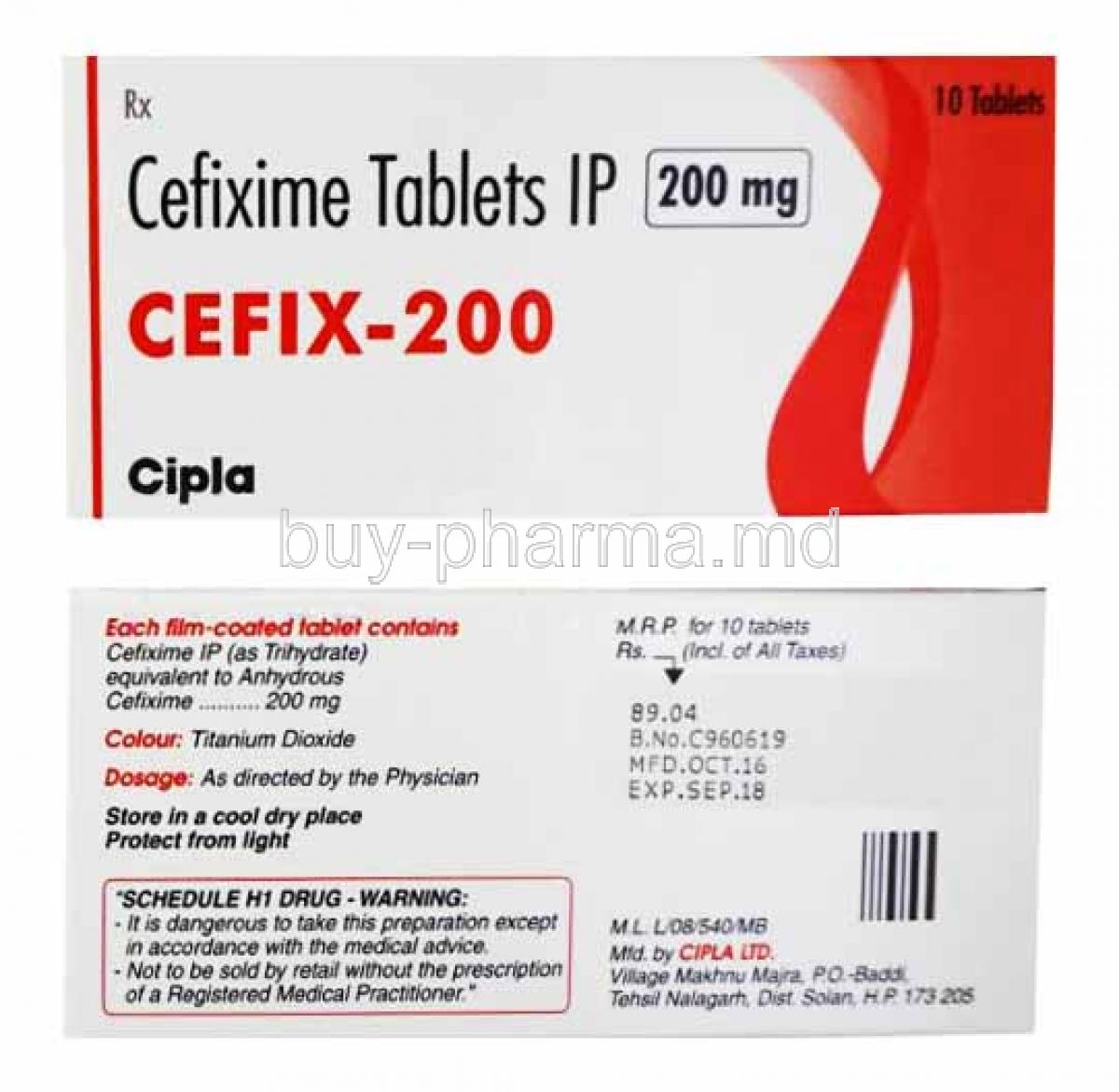
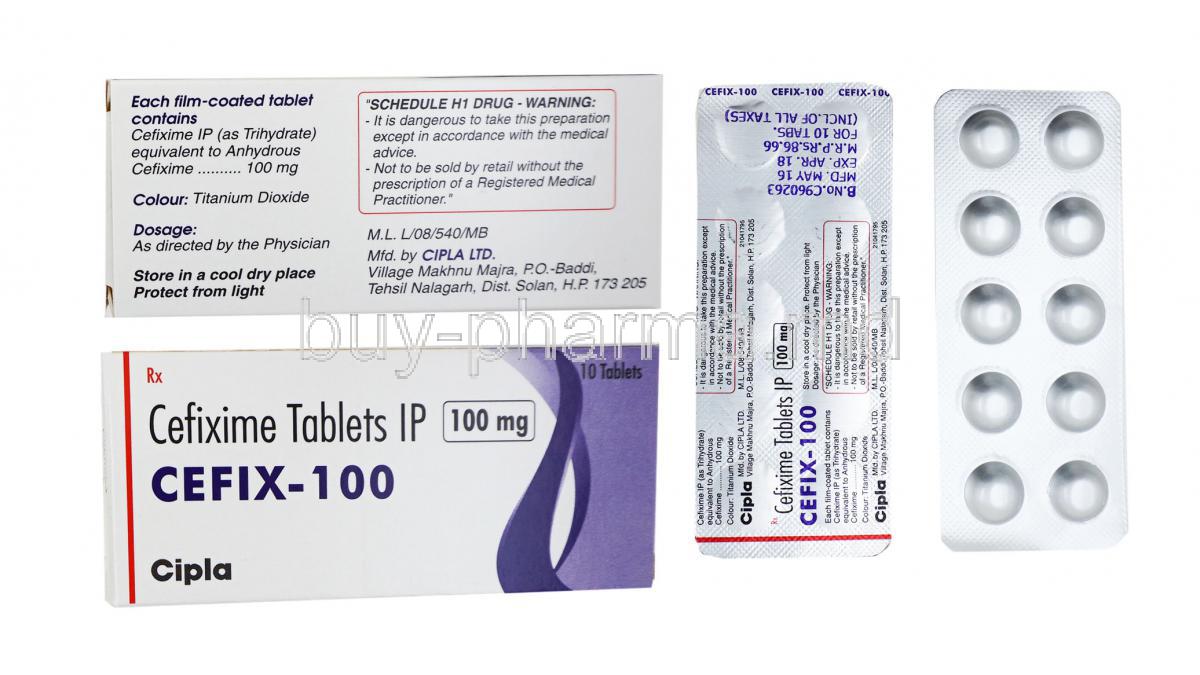

Introduction to Cefix (Cefixime)
Overview of Cefixime as a Third-Generation Cephalosporin Antibiotic
Cefix, containing the active substance cefixime, is a third-generation cephalosporin antibiotic designed for oral administration. It is widely recognized for its potent antibacterial activity, particularly against gram-negative organisms. Unlike earlier cephalosporins, cefixime demonstrates enhanced stability against many beta-lactamases, enzymes that commonly render antibiotics ineffective.
Its oral bioavailability, combined with a broad antimicrobial spectrum, has positioned cefixime as a practical choice in outpatient settings. Short courses, predictable pharmacokinetics, and a favorable safety profile further support its clinical utility.
Therapeutic Class and General Clinical Relevance
Cefixime belongs to the beta-lactam class of antibiotics, specifically the cephalosporin subclass. Clinically, it is valued for treating infections where resistance to first-line agents may be a concern. Its relevance spans primary care, infectious disease management, and pediatric practice.
- Effective against common community-acquired pathogens
- Suitable for oral step-down therapy after parenteral antibiotics
- Frequently used when penicillin alternatives are required
Brief History and Development of Cefixime
Cefixime was developed during the expansion of third-generation cephalosporins to address rising antimicrobial resistance. Early clinical trials demonstrated strong efficacy against enteric and respiratory pathogens, leading to widespread global adoption. Over time, its role has evolved alongside antibiotic stewardship principles, emphasizing targeted and appropriate use.
Composition and Pharmaceutical Profile
Active Ingredient: Cefixime Trihydrate
The pharmacologically active component of Cefix is cefixime trihydrate. This compound delivers bactericidal activity by disrupting bacterial cell wall synthesis. The trihydrate form enhances stability and ensures consistent dosing across formulations.
Available Dosage Forms
Cefixime is formulated to accommodate different patient needs and age groups. Common dosage forms include:
- Film-coated tablets
- Hard gelatin capsules
- Oral suspension, particularly for pediatric use
Strength Variations and Formulation Differences
Multiple strengths are available to allow dosing flexibility. Tablets and capsules are typically offered in standardized milligram strengths, while oral suspensions are reconstituted to specific concentrations. These variations support accurate dosing across diverse clinical scenarios.
Cefixime and Azithromycin
Cefixime and azithromycin are two different classes of antibiotics that are often used in combination to treat a broad range of bacterial infections, including respiratory, urinary, and sexually transmitted infections (STIs). This dual-action therapy is prescribed by a doctor to enhance effectiveness and reduce antibiotic resistance.
Cefixime metronidazole doxycycline
Cefixime, metronidazole, and doxycycline are three different antibiotics that may be prescribed in combination to treat certain bacterial infections, particularly Pelvic Inflammatory Disease (PID).
Cefixime vs cefdinir
Cefixime and cefdinir are both third-generation oral cephalosporin antibiotics used to treat various bacterial infections. Cefuroxime is typically taken every 12 hours, whereas cefdinir can be taken once or twice a day, depending on the infection. Both medications can cause side effects like diarrhea and nausea, but cefdinir has a higher reported rate of diarrhea.
How Cefixime Works (Mechanism of Action)
Inhibition of Bacterial Cell Wall Synthesis
Cefixime exerts its antibacterial effect by binding to penicillin-binding proteins within bacterial cell walls. This interaction inhibits peptidoglycan synthesis, a critical structural component. As a result, bacterial cells lose integrity and undergo lysis.
Activity Against Gram-Negative and Selected Gram-Positive Bacteria
The antimicrobial spectrum of cefixime is weighted toward gram-negative organisms, including several Enterobacteriaceae. It also retains activity against selected gram-positive bacteria. This balanced profile makes it suitable for mixed or uncertain infections.
Role of Beta-Lactam Structure in Antimicrobial Efficacy
The beta-lactam ring is central to cefixime’s mechanism of action. By mimicking natural substrates involved in cell wall synthesis, the drug effectively disrupts bacterial growth processes. Resistance may occur through beta-lactamase production, though cefixime remains stable against many such enzymes.
Uses of Cefix (Approved Indications)
Treatment of Uncomplicated Urinary Tract Infections (UTIs)
Cefixime is commonly prescribed for uncomplicated UTIs caused by susceptible organisms. Its oral administration and urinary excretion profile support effective bacterial eradication with minimal systemic burden.
Respiratory Tract Infections
Infections such as bronchitis, pharyngitis, and tonsillitis may be treated with cefixime when bacterial etiology is confirmed or strongly suspected. Its activity against respiratory pathogens contributes to symptom resolution and infection control.
Otitis Media (Middle Ear Infections)
Cefixime is used in the management of acute otitis media, particularly in pediatric patients who cannot tolerate other antibiotics. The oral suspension formulation enhances compliance in younger populations.
Cefixime for Gonorrhea
For certain cases of uncomplicated gonorrhea, cefixime has been utilized as an oral treatment option. Its role is guided by local resistance patterns and clinical guidelines.
Typhoid Fever (Enteric Fever)
Cefixime is recognized as an oral treatment option for typhoid fever caused by susceptible strains of Salmonella. It offers a non-invasive alternative to injectable therapies, particularly in outpatient care.
Sinusitis Caused by Susceptible Organisms
Acute bacterial sinusitis may be treated with cefixime when pathogens are known or suspected to be sensitive. Targeted therapy helps reduce symptom duration and prevent complications.
Off-Label Uses of Cefixime
Community-Acquired Pneumonia (Mild Cases)
In select mild cases of community-acquired pneumonia, cefixime may be used as part of an oral treatment regimen. Its use depends on pathogen susceptibility and patient-specific factors.
Cefixime for Chlamydia and other Sexually Transmitted Infections (Alternative Regimens)
Cefixime has been incorporated into alternative regimens for certain sexually transmitted infections, particularly when first-line agents are contraindicated or unavailable.
Traveler’s Diarrhea Caused by Susceptible Bacteria
When bacterial pathogens are implicated, cefixime may be considered for traveler’s diarrhea. Its broad activity against enteric organisms supports symptom control and recovery.
Empirical Therapy in Mixed Bacterial Infections
In situations where multiple bacterial species are suspected, cefixime may be used empirically while awaiting culture results. Careful reassessment is essential to ensure appropriate continuation.
Pediatric Infections Where First-Line Antibiotics Are Unsuitable
Cefixime serves as an alternative in pediatric infections when standard first-line antibiotics cannot be used due to intolerance, allergy, or resistance concerns.
Cefixime Dosage and Administration Guidelines
Cefixime dosage for adults
Adult dosing of cefixime is typically administered once daily or in divided doses, 200-400 mg as a single or in 2 divided doses daily, depending on the indication. Consistent timing helps maintain therapeutic drug levels.
Cefixime pediatric dose
Child: 6 months to 10 years weighing <50 kg: As susp or chewable tab: 8 mg/kg daily as a single or in 2 divided doses; >10 years weighing >50 kg
Cefixime dosage for gonorrhea
Single-dose cefixime 400 mg orally is effective in the treatment of uncomplicated gonorrhea.
Pediatric Dosing Based on Age and Body Weight
In children, dosing is calculated according to body weight to ensure safety and efficacy. Oral suspension formulations facilitate precise dose adjustments.
Dosage Adjustments in Renal Impairment
Patients with reduced renal function may require dosage modification. Careful assessment of renal parameters is recommended prior to and during treatment.
Duration of Therapy for Different Infections
Treatment duration varies by infection type and severity. Shorter courses may suffice for uncomplicated infections, while systemic infections may require extended therapy.
Administration With or Without Food
Cefixime can be taken with or without food. Administration with meals may improve gastrointestinal tolerability without significantly affecting absorption.
Administration in Special Populations
Administration to Elderly Patients
Age-Related Renal Function Considerations
In elderly patients, physiological aging is frequently accompanied by a gradual decline in renal function, even in the absence of overt kidney disease. Because cefixime is primarily eliminated via renal excretion, reduced creatinine clearance can lead to prolonged drug exposure and accumulation.
This pharmacokinetic alteration necessitates careful clinical judgment. Renal function should be evaluated prior to initiation, particularly in frail or polymedicated individuals.
Dose Adjustment and Monitoring Recommendations
Dose adjustments may be required in elderly patients with impaired renal clearance. Ongoing monitoring is advisable during therapy, especially for extended treatment durations.
- Assess baseline renal parameters before prescribing
- Monitor for signs of drug accumulation
- Reassess dosing if renal function deteriorates
Administration to Pregnant Women
Pregnancy Safety Profile and Risk Classification
Cefixime is generally regarded as having a favorable pregnancy safety profile when clinically indicated. Available data do not suggest a strong association with teratogenic effects. However, controlled human studies remain limited.
Use During Pregnancy Based on Risk–Benefit Assessment
Use during pregnancy should be guided by a thorough risk–benefit assessment. Cefixime may be considered when the anticipated maternal benefit outweighs potential fetal risks, particularly in the treatment of serious bacterial infections where alternative agents are unsuitable.
Administration to Nursing Mothers
Excretion Into Breast Milk
Small quantities of cefixime may be excreted into breast milk. While systemic exposure to the nursing infant is expected to be minimal, the potential for gastrointestinal disturbances or alterations in intestinal flora should be acknowledged.
Recommendations for Breastfeeding During Therapy
Breastfeeding is generally considered compatible with cefixime therapy. Nevertheless, infants should be observed for adverse effects such as diarrhea or candidiasis.
- Continue breastfeeding with caution
- Monitor infants for gastrointestinal symptoms
- Seek medical advice if adverse reactions occur
Administration to Children
Approved Pediatric Indications
Cefixime is approved for use in children for several bacterial infections, including respiratory tract infections, otitis media, and urinary tract infections caused by susceptible organisms. Its oral formulation supports outpatient pediatric care.
Safety and Efficacy in Infants and Young Children
Clinical studies have demonstrated acceptable safety and efficacy in pediatric populations, including infants and young children. Adverse effects are generally mild and self-limiting when dosing guidelines are followed.
Oral Suspension Dosing Accuracy
Accurate dosing is critical in pediatric therapy. The oral suspension should be measured using a calibrated device to ensure precise administration and optimal therapeutic outcomes.
Cefixime Side Effects
Overview of Tolerability and Safety Profile
Cefixime is typically well tolerated across age groups. Most adverse effects are mild to moderate and resolve upon discontinuation. Serious reactions are uncommon but warrant immediate medical attention.
Common Side Effects
- Gastrointestinal disturbances such as diarrhea, nausea, and abdominal discomfort
- Headache or transient dizziness
- Mild skin rash or pruritus
Less Common or Serious Side Effects
Although infrequent, more serious adverse events have been reported and should be promptly addressed.
- Hypersensitivity reactions, including urticaria and angioedema
- Clostridioides difficile–associated diarrhea
- Hematological abnormalities such as leukopenia or thrombocytopenia
- Elevated hepatic enzymes indicating liver involvement
Drug Interactions
Interaction With Anticoagulants
Cefixime may enhance the effects of anticoagulants, potentially increasing bleeding risk. Close monitoring of coagulation parameters is recommended when used concomitantly.
Interaction With Carbamazepine and Nephrotoxic Drugs
Concomitant use with carbamazepine may result in elevated carbamazepine levels. Caution is also advised when cefixime is administered alongside nephrotoxic agents, as additive renal effects may occur.
Effect of Antacids on Absorption
Antacids containing magnesium or aluminum may reduce cefixime absorption. Staggered administration is recommended to maintain therapeutic efficacy.
Laboratory Test Interferences
Cefixime may interfere with certain laboratory tests, including false-positive results in urine glucose assays using non-enzymatic methods.
Cefixime Warnings and Safety Information
Risk of Allergic Reactions in Penicillin-Sensitive Patients
Cross-reactivity may occur in patients with a history of penicillin allergy. A thorough allergy history should be obtained prior to prescribing.
Antibiotic Resistance and Inappropriate Use
Inappropriate or excessive use of cefixime may contribute to antimicrobial resistance. Therapy should be guided by clinical diagnosis and, when possible, culture and sensitivity results.
Superinfection With Prolonged Use
Prolonged therapy may lead to superinfection with non-susceptible organisms, including fungi. Ongoing clinical evaluation is essential during extended treatment courses.
Contraindications
Known Hypersensitivity to Cephalosporins
Cefixime is contraindicated in patients with a known hypersensitivity to cephalosporin antibiotics.
History of Severe Beta-Lactam Allergy
Patients with a documented history of severe beta-lactam allergy, including anaphylaxis, should avoid cefixime due to the risk of cross-reactivity.
Specific Gastrointestinal Disease Considerations
Caution is advised in patients with a history of gastrointestinal disease, particularly colitis, as antibiotic therapy may exacerbate symptoms.
Careful Administration and Important Precautions
Use in Patients With Renal Dysfunction
Renal impairment necessitates careful dosing and monitoring to prevent accumulation and toxicity.
Monitoring During Long-Term Therapy
Patients receiving prolonged cefixime therapy should be monitored for renal function, hepatic enzymes, and hematological parameters.
Importance of Completing the Prescribed Course
Completion of the full prescribed course is essential to ensure eradication of infection and reduce the risk of resistance development.
Overdosage
Signs and Symptoms of Cefixime Overdose
Overdose may manifest as intensified gastrointestinal symptoms, neurological disturbances, or renal complications.
Supportive Management and Symptomatic Treatment
There is no specific antidote for cefixime overdose. Management is supportive, focusing on symptom relief and maintenance of vital functions.
Role of Renal Function in Drug Clearance
Renal function plays a critical role in cefixime clearance. In severe cases, enhanced elimination may be considered under medical supervision.
Handling and Storage Precautions
Recommended Storage Conditions
Cefixime should be stored at controlled room temperature, protected from excessive heat and moisture to preserve stability.
Handling of Oral Suspension After Reconstitution
Once reconstituted, the oral suspension should be stored according to manufacturer instructions and shaken well before each use.
Shelf Life and Disposal Considerations
Expired or unused medication should be disposed of in accordance with local pharmaceutical waste guidelines to prevent misuse and environmental contamination.
Cefix, Cefixime FAQ
- What is Cefix used for?
- Is cefixime a strong antibiotic?
- Is Cefix 200 an antibiotic?
- What to avoid while taking cefixime?
- What happens after taking cefixime?
- Which bacteria is killed by cefixime?
- Which is better amoxicillin or cefixime?
- Will cefixime treat UTI?
- How many times a day should you take Cefix 200?
- Can I take paracetamol with cefixime?
- Is cefixime the same as azithromycin?
- Can cefixime damage kidneys?
- Does cefixime make you tired?
- How quickly does Cefixime 200 mg work?
- What should not be taken with Cefixime?
- Can cefixime cause a yeast infection?
- Is cefixime a safe drug?
- Is it 5 days or 7 days for Cefixime?
- Can I drink alcohol while taking Cefixime?
- Does Cefixime treat gonorrhea?
- Can I drink milk while taking cefixime?
- What are the most common side effects of cefixime?
- How long does cefixime stay in your system?
- Can cefixime cause weight gain?
- What are the common side effects of cefixime?
- Can cefixime damage kidneys?
- Which is stronger, Co-amoxiclav or cefixime?
- How powerful is cefixime?
What is Cefix used for?
Cefixime treats bacterial infections such as bronchitis (infection of the airway tubes leading to the lungs); gonorrhea (a sexually transmitted disease); and infections of the ears, throat, tonsils, and urinary tract.
Is cefixime a strong antibiotic?
Yes
Is Cefix 200 an antibiotic?
Yes
What to avoid while taking cefixime?
Do not use anti-diarrhea medicine
What happens after taking cefixime?
- Vomiting
- Diarrhea
- Nausea
Which bacteria is killed by cefixime?
- Escherichia coli and Proteus mirabilis
- Haemophilus influenzae
- Moraxella catarrhalis
- Streptococcus pyogenes
- Streptococcus pyogenes
Which is better amoxicillin or cefixime?
Amoxicillin
Will cefixime treat UTI?
Yes
How many times a day should you take Cefix 200?
200 mg every 12 hours
Can I take paracetamol with cefixime?
Yes
Is cefixime the same as azithromycin?
No
Can cefixime damage kidneys?
Rarely
Does cefixime make you tired?
Yes
How quickly does Cefixime 200 mg work?
Few days
What should not be taken with Cefixime?
- bazedoxifene/conjugated estrogens
- ienogest/estradiol valerat
- estradiol
- ethinylestradiol
- levonorgestrel oral/ethinylestradiol/ferrous bisglycinate
- probenecid
- sodium picosulfate/magnesium oxide/anhydrous citric acid
- voclosporin
Can cefixime cause a yeast infection?
Yes
Is cefixime a safe drug?
Yes
Is it 5 days or 7 days for Cefixime?
7-14 days
Can I drink alcohol while taking Cefixime?
Yes
Does Cefixime treat gonorrhea?
Yes
Can I drink milk while taking cefixime?
Take this medication with food or milk to avoid update stomach
What are the most common side effects of cefixime?
- Stomachache
- Heartburn
- Diarrhea
- Nausea
How long does cefixime stay in your system?
9 hours
Can cefixime cause weight gain?
No
What are the common side effects of cefixime?
Gastrointestinal discomfort
Can cefixime damage kidneys?
Yes
Which is stronger, Co-amoxiclav or cefixime?
Co-amoxiclav
How powerful is cefixime?
Highly effective at treating urogenital infections and less effective at treating pharyngeal infections
Customers also bought




Popular Products
Similar Product