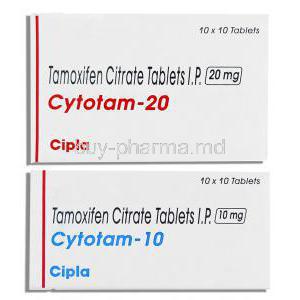
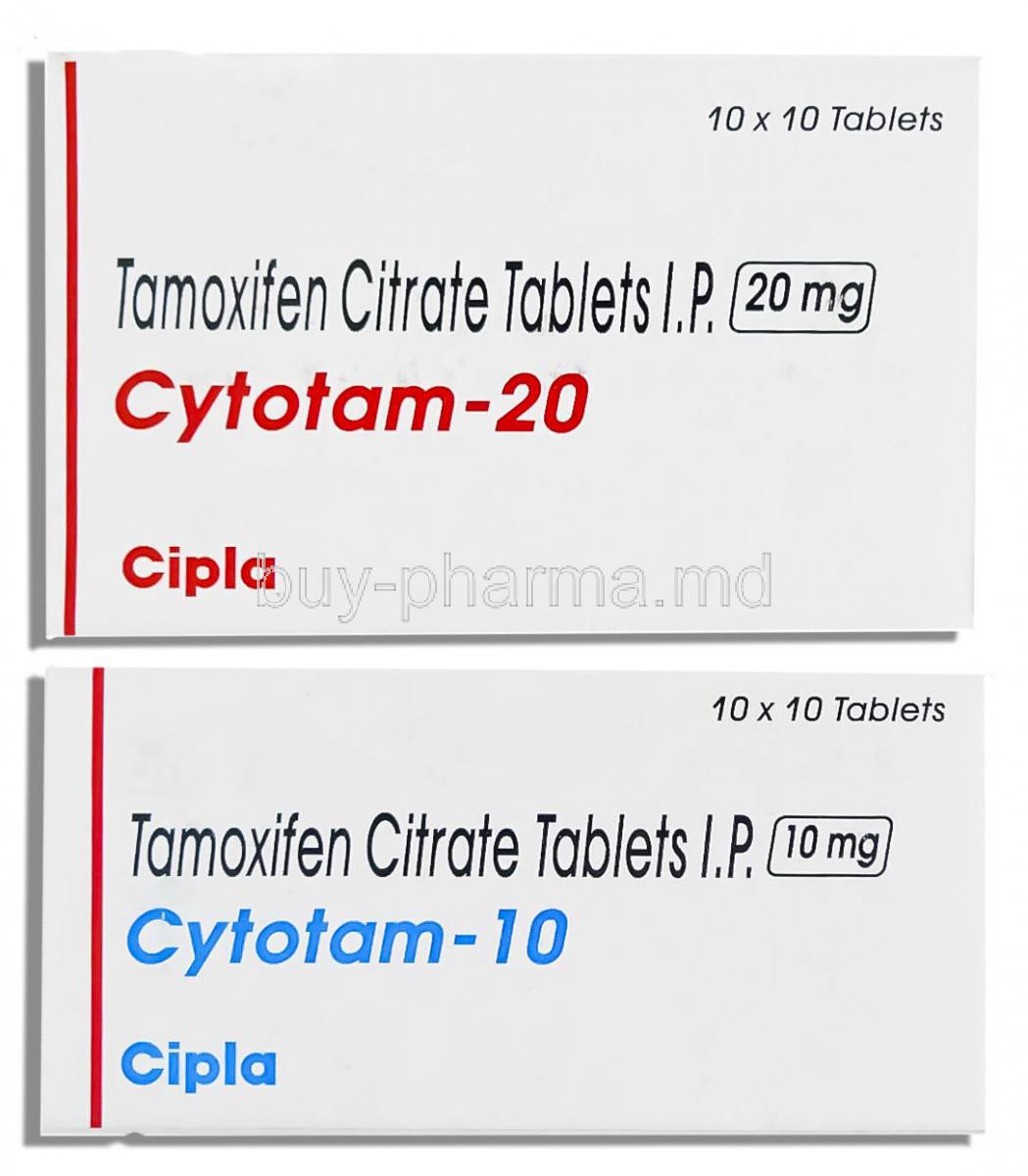
Introduction to Cytotam (Tamoxifen)
Overview of Cytotam as a Selective Estrogen Receptor Modulator (SERM)
Cytotam, containing tamoxifen citrate, belongs to a class of compounds known as selective estrogen receptor modulators (SERMs). It exhibits dual behavior: blocking estrogen activity in certain tissues while mimicking its effect in others. This unique pharmacological balance allows it to serve as both an antagonist in breast tissue and a partial agonist in bone and endometrium.
Historical Development and Approval of Tamoxifen
Tamoxifen was initially synthesized in the 1960s as a potential contraceptive, but its therapeutic trajectory changed upon the discovery of its anti-estrogenic effect in breast carcinoma. It gained regulatory approval in the 1970s for the treatment of metastatic breast cancer and later expanded indications to include adjuvant therapy and risk reduction. Over decades, it has become a cornerstone in the management of hormone-sensitive breast malignancies.
Clinical Significance in Cancer Therapy and Preventive Medicine
Cytotam is recognized globally as one of the most effective oral agents for estrogen receptor-positive (ER+) breast cancer. Beyond treatment, it plays a pivotal role in prevention, especially for women at heightened genetic or familial risk. Its versatility across therapeutic and prophylactic contexts makes it indispensable in oncology and women’s health.
Composition and Formulation of Cytotam
Active Ingredient: Tamoxifen Citrate
Each unit of Cytotam contains tamoxifen citrate, the pharmacologically active component responsible for estrogen receptor modulation.
Available Strengths and Dosage Forms
Cytotam is manufactured in various oral dosage forms to accommodate patient-specific regimens:
- Tablets in strengths such as 10 mg and 20 mg
- Oral solutions for patients unable to swallow tablets
Inactive Ingredients and Excipients
Formulations may also include stabilizers, binders, and fillers such as lactose, maize starch, and magnesium stearate. These excipients ensure stability, bioavailability, and ease of administration.
Mechanism of Action: How Tamoxifen Works
Selective Estrogen Receptor Modulation in Breast Tissue
Tamoxifen binds competitively to estrogen receptors in mammary tissue. By occupying receptor sites, it prevents estrogen-driven proliferation of malignant cells.
Estrogen Antagonistic Effects in Breast and Reproductive Tissues
In reproductive tissues, tamoxifen counteracts the trophic influence of estrogen, thereby diminishing the risk of tumor progression and recurrence.
Partial Agonist Activity in Bone and Endometrium
Interestingly, tamoxifen demonstrates partial agonistic behavior in skeletal and uterine tissues. This action contributes to bone density preservation but necessitates vigilance due to possible stimulation of the endometrium.
Impact on Hormonal Signaling Pathways in Cancer Cells
By modulating receptor-mediated transcription, tamoxifen alters cell-cycle kinetics, induces apoptosis in certain tumor cells, and mitigates metastatic spread. Its influence extends to growth factors and intracellular signaling cascades linked to carcinogenesis.
Therapeutic Uses of Cytotam
FDA-Approved Uses
- Treatment of estrogen receptor-positive (ER+) breast cancer in both premenopausal and postmenopausal women
- Adjuvant therapy following surgical resection or chemotherapy
- Prevention of breast cancer recurrence after primary therapy
- Reduction in the incidence of contralateral breast malignancy
- Management of metastatic breast carcinoma
Preventive and Risk-Reduction Uses
Cytotam is recommended for women at elevated risk of developing breast cancer, including those with hereditary predispositions such as BRCA1 and BRCA2 mutations. Its role in chemoprevention has been validated through multiple large-scale clinical trials.
Off-Label Uses
- Prevention and management of gynecomastia in men undergoing androgen therapy
- Induction of ovulation in women with anovulatory infertility
- Treatment of precocious puberty and endocrine abnormalities in McCune-Albright syndrome
- Management of desmoid tumors and other rare soft tissue neoplasms
- Exploratory use in psychiatric disorders, including bipolar disorder, due to neuromodulatory effects
Dosage and Administration of Cytotam
Standard Dosing for Breast Cancer Treatment
The conventional oral dosage is 20 mg once daily, though regimens may vary depending on the clinical scenario. For advanced or metastatic disease, adjustments are made under oncological supervision.
Dosage for Prevention and Adjuvant Therapy
For prophylaxis and recurrence prevention, Cytotam is typically administered for a period of 5 years. Extended therapy up to 10 years may be recommended in certain high-risk populations.
Pediatric and Adolescent Dosing Considerations
Although not routinely prescribed for children, specific cases such as precocious puberty or rare tumors may warrant tamoxifen use. Dosing requires individualized calculation based on body surface area and close medical supervision.
Duration of Therapy (Short-Term vs. Long-Term Use)
Short-term administration is uncommon, as therapeutic benefit is maximized through prolonged exposure. Long-term therapy provides sustained protection but necessitates regular monitoring for cumulative risks.
Instructions for Missed Doses
If a dose is missed, patients are advised to take it as soon as possible. However, doubling the next dose should be avoided to prevent excessive exposure. Consistency is crucial in maintaining therapeutic plasma concentrations.
Side Effects of Cytotam
Common Side Effects
Cytotam, like many hormonal modulators, produces predictable yet variable adverse reactions. Some are mild and transient, while others persist and require medical supervision.
- Hot flashes and sweating – sudden warmth and perspiration due to estrogen blockade.
- Vaginal discharge or dryness – alterations in mucosal balance and lubrication.
- Menstrual irregularities – cycles may become unpredictable, heavier, or lighter.
- Nausea and gastrointestinal discomfort – digestive unease, bloating, or cramping.
- Fatigue and headache – general tiredness and intermittent tension-like pain.
Serious Side Effects
Certain adverse outcomes require urgent intervention. Though uncommon, they pose substantial risk and necessitate vigilance.
- Risk of endometrial cancer – prolonged stimulation of uterine lining may promote malignancy.
- Thromboembolic events – deep vein thrombosis, pulmonary embolism, or cerebrovascular stroke.
- Ocular changes – development of retinopathy or cataracts impairing vision.
- Hepatotoxicity – elevation of liver enzymes and rare instances of hepatic dysfunction.
- Severe allergic reactions – rash, swelling, or anaphylaxis requiring immediate care.
Drug Interactions with Tamoxifen
Tamoxifen is metabolized through hepatic cytochrome pathways, making it susceptible to drug-drug interactions. Careful evaluation of concurrent medications is essential.
- Anticoagulants (e.g., warfarin) – amplified risk of bleeding.
- CYP2D6 inhibitors (SSRIs such as paroxetine, fluoxetine) – reduced conversion to active metabolites, lowering therapeutic efficacy.
- Estrogen-containing medications and supplements – antagonize tamoxifen’s pharmacological purpose.
- Alcohol and herbal products – unpredictable effects on metabolism and tolerance.
Contraindications of Cytotam
Cytotam should not be used under specific clinical circumstances due to unacceptable risks.
- Known hypersensitivity to tamoxifen or its formulation components.
- History of thromboembolic disorders including deep vein thrombosis or pulmonary embolism.
- Pregnancy – exposure can result in fetal harm and congenital malformations.
- Concurrent use with certain hormonal therapies where mechanisms directly oppose tamoxifen’s action.
Warnings and Important Precautions
Long-term therapy necessitates surveillance. Risks evolve over years and demand routine evaluations.
- Uterine malignancies – vigilant gynecological monitoring is advised.
- Thromboembolic complications – watch for leg swelling, chest pain, or neurological deficits.
- Regular evaluations – ophthalmologic and gynecological assessments safeguard against late complications.
- Prolonged use beyond 5–10 years requires individualized risk-benefit assessment.
Careful Administration and Monitoring
Tailoring therapy involves balancing benefit with systemic vulnerabilities.
- Patients with liver impairment require closer monitoring of hepatic enzymes.
- Those with a history of clotting disorders must be managed cautiously.
- Concurrent anticoagulation amplifies bleeding tendencies.
- Routine checks of liver function, blood counts, and lipid profile maintain safety.
Administration in Special Populations
Elderly Patients
In older adults, co-existing illnesses and polypharmacy increase the complexity of tamoxifen therapy. Monitoring cardiovascular function and bone integrity is recommended.
Pregnant Women
Tamoxifen is contraindicated during pregnancy. It poses teratogenic risks, with potential for miscarriage, birth defects, and developmental abnormalities.
Nursing Mothers
The drug is excreted in breast milk. Infants may experience adverse effects, hence breastfeeding should be avoided during treatment.
Pediatric Use
Data in children remain limited. In specific cases, such as precocious puberty or rare tumors, tamoxifen may be employed under specialist oversight. Safety and efficacy continue to be evaluated.
Overdosage of Tamoxifen
Symptoms of excessive ingestion include:
- Tremors and muscular twitching
- Seizures
- Unsteady gait and pronounced dizziness
Management involves immediate supportive care, airway stabilization, and monitoring of vital parameters. No specific antidote exists, making prevention paramount.
Storage and Handling Precautions
To preserve potency and reduce hazards, Cytotam must be stored correctly.
- Temperature control – store in a cool, dry place away from direct sunlight.
- Moisture protection – keep tablets in original packaging until use.
- Shelf life adherence – discard after expiration to avoid reduced efficacy.
- Safe handling – caregivers should wash hands after contact with tablets or oral solution.
- Disposal methods – unused or expired medication should be discarded following local pharmaceutical guidelines.
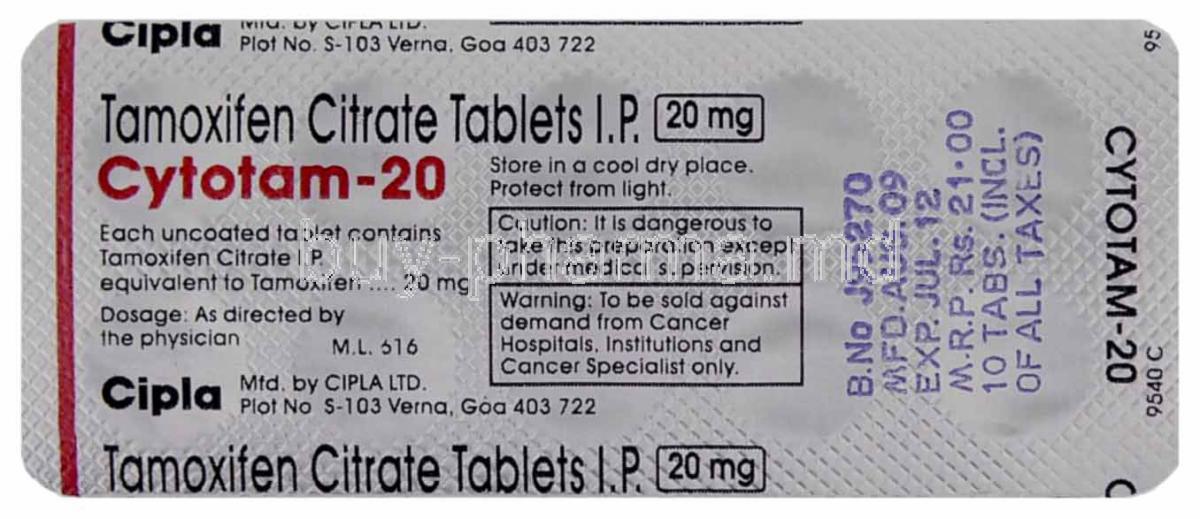




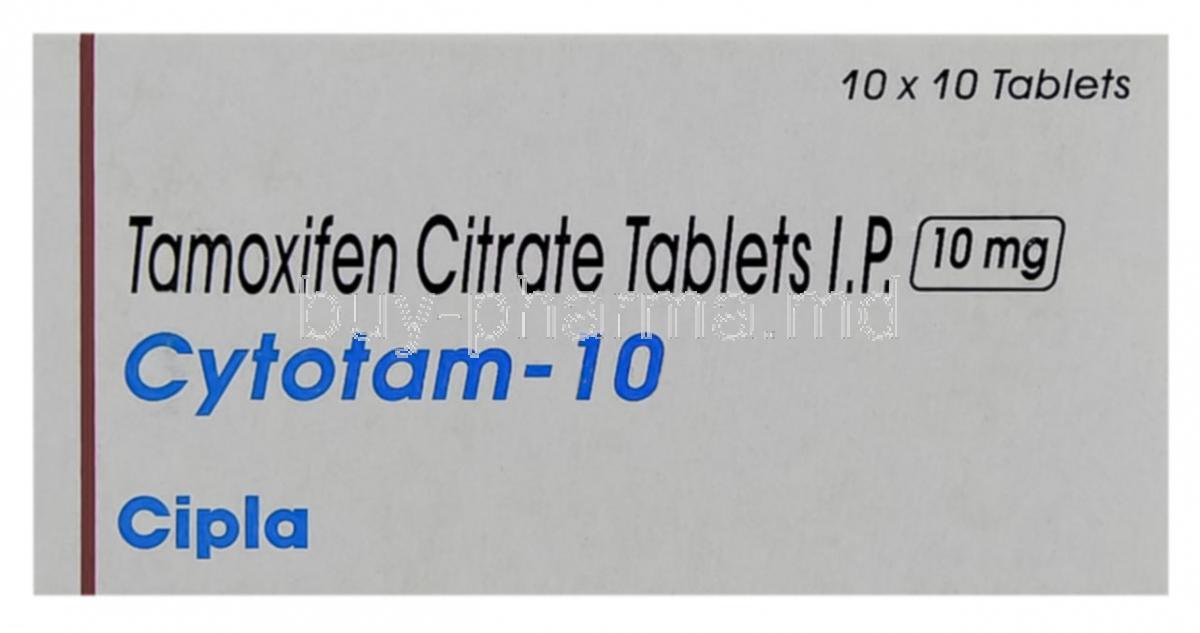


Cytotam, Tamoxifen FAQ
- What is Cytotam used for?
- What are the side effects of CYTOTam 10MG?
- Is CYTOTam 20 for men?
- What is the drug tamoxifen used for?
- What is the most alarming side effect of tamoxifen?
- What to avoid while taking tamoxifen?
- What is the mechanism of action of tamoxifen?
- Can tamoxifen cause weight gain?
- How long can you take tamoxifen?
- What can I take instead of tamoxifen?
- Who cannot take tamoxifen?
- Can I drink coffee on tamoxifen?
- What cancers does tamoxifen treat?
- What happens if you stop tamoxifen?
- What time of day should I take tamoxifen?
- Does tamoxifen change your appearance?
- What not to eat with tamoxifen?
- Will tamoxifen cause hair loss?
What is Cytotam used for?
This medication is prescribed for breast cancer treatment. To lower the risk of breast cancer in women before and after menopause who are at a high risk level, aiding in slowing the growth and spread of cancer cells within the body.
What are the side effects of CYTOTam 10MG?
- Nausea
- Skin rashes
- Tiredness
- Anemia
Is CYTOTam 20 for men?
No
What is the drug tamoxifen used for?
Tamoxifen is prescribed to address breast cancer that has metastasized to areas of the body, in both males and females. It is also employed in the treatment of initial-stage breast cancer in females who have undergone surgical procedures, along with radiation and/or chemotherapy treatments beforehand.
What is the most alarming side effect of tamoxifen?
- Bone loss
- Uterine cancer
- Cataracts
- Deep vein thrombosis
- Pulmonary emboli
- Stroke
What to avoid while taking tamoxifen?
- Alcohol
- Citrus
- Grapefruit
What is the mechanism of action of tamoxifen?
The medication hinders the growth of tumors in breast tissue while functioning as a hormone stimulator in bones. This dual action could potentially aid in averting osteoporosis among women after menopause.
Can tamoxifen cause weight gain?
Yes
How long can you take tamoxifen?
10 years
What can I take instead of tamoxifen?
Raloxifene (Evista)
Who cannot take tamoxifen?
- High risk for blood clots
- Pregnant or breastfeeding
Can I drink coffee on tamoxifen?
No
What cancers does tamoxifen treat?
Breast Cancer
What happens if you stop tamoxifen?
Stopping the use of tamoxifen could lead to alterations in your hormone levels. This might result in experiencing symptoms such as hot flashes and mood swings if you are going through menopause.
What time of day should I take tamoxifen?
Bedtime
Does tamoxifen change your appearance?
Sometimes tamoxifen has been linked to skin discoloration, which can result in darkening or discoloration of regions on the skin.
What not to eat with tamoxifen?
- Alcohol
- Grapefruit
- Lime
- Citrus
Will tamoxifen cause hair loss?
Yes
Similar Product