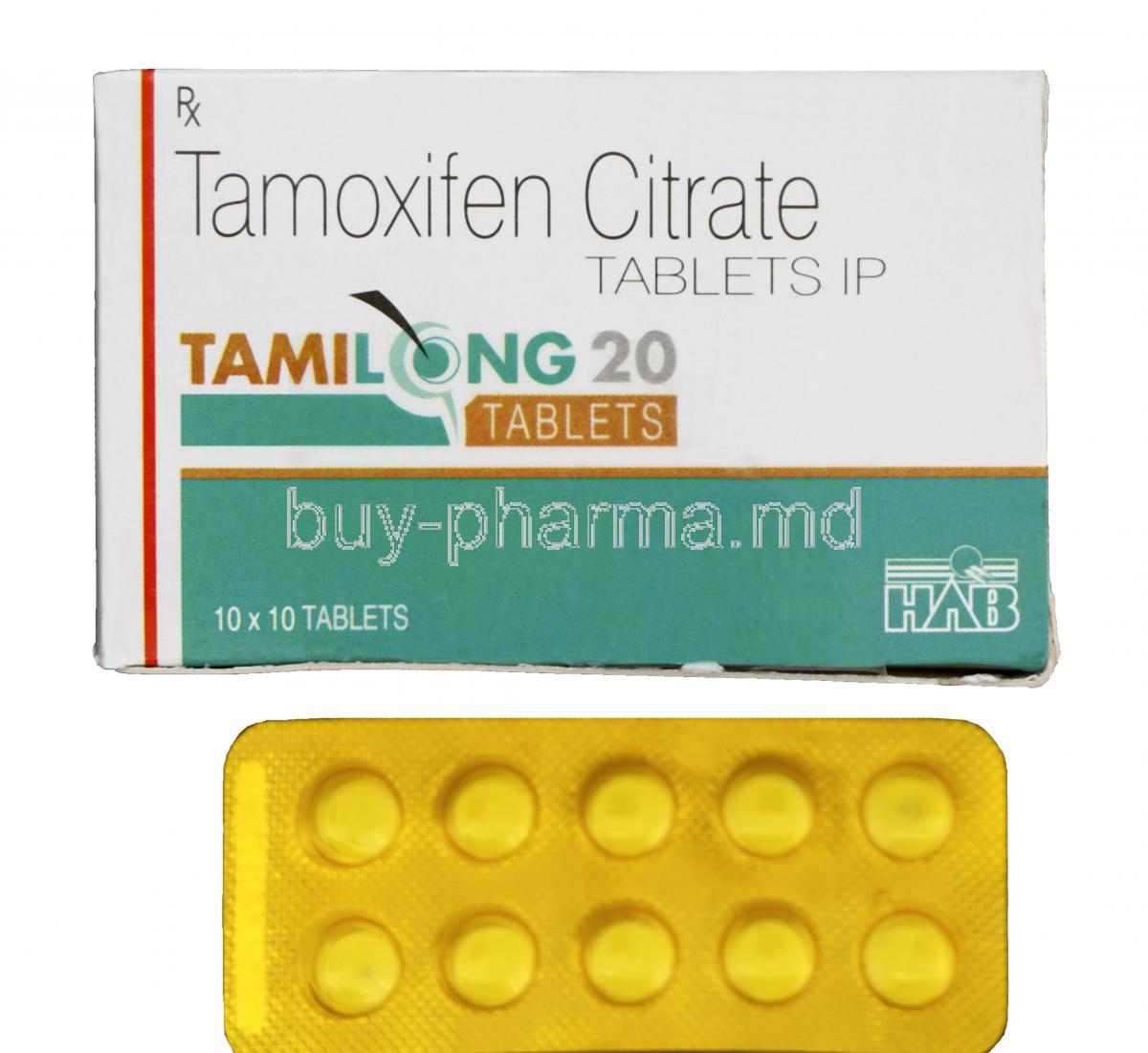

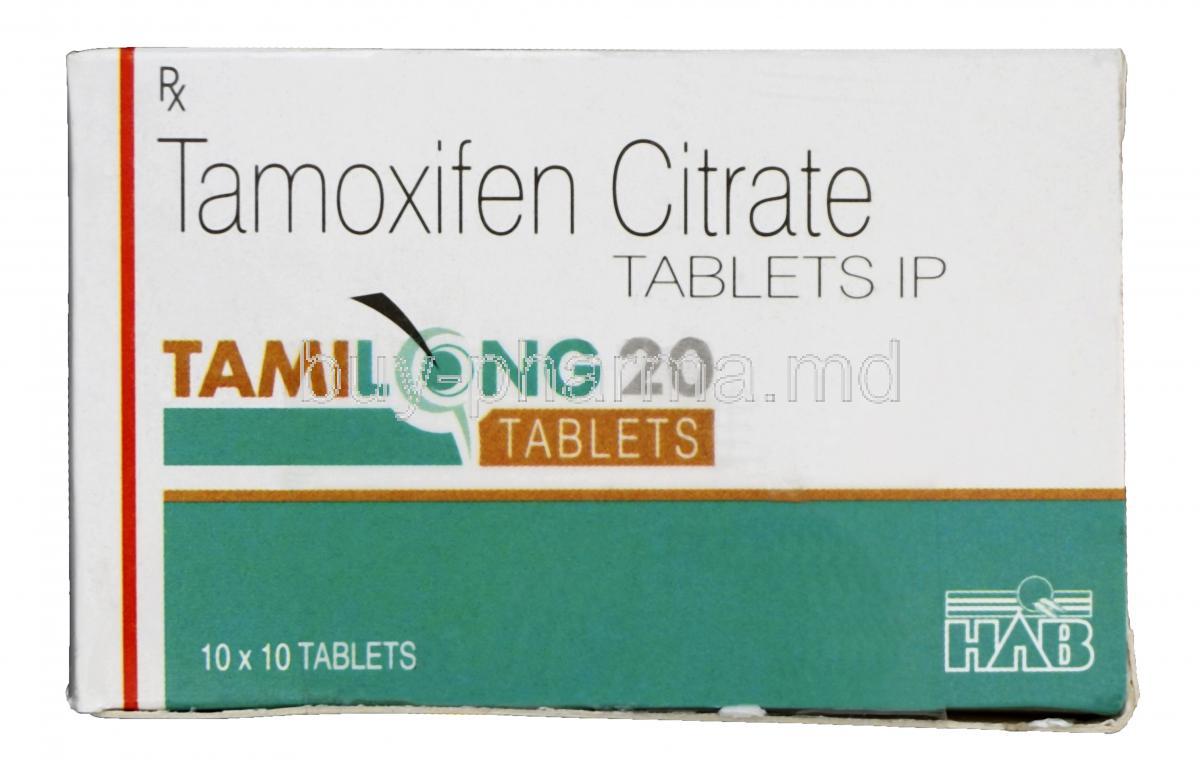
Introduction to Tamilong (Tamoxifen Citrate)
Overview of Tamilong as a Selective Estrogen Receptor Modulator (SERM)
Tamilong, containing tamoxifen citrate, belongs to the class of selective estrogen receptor modulators (SERMs). It binds to estrogen receptors, exerting both antagonistic and agonistic actions depending on the tissue type. This dual behavior underpins its widespread use in oncology and preventive medicine.
History and Development of Tamoxifen in Oncology
Initially synthesized as a contraceptive candidate in the 1960s, tamoxifen found its true calling in oncology after research revealed its capacity to suppress estrogen-driven tumor growth. Since then, it has become a cornerstone in breast cancer therapy, celebrated for extending survival rates and reducing recurrence.
Brand Names and Global Availability
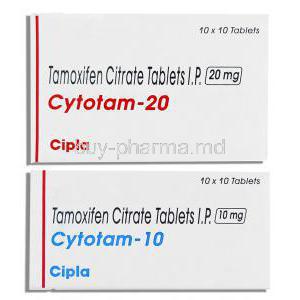
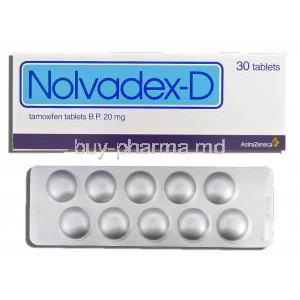
Tamilong is marketed under multiple brand names worldwide, including Nolvadex and Soltamox. Its affordability and inclusion in essential medicine lists ensure widespread availability across diverse healthcare settings, from high-resource hospitals to community clinics.
Composition and Formulation
Active Ingredient: Tamoxifen Citrate
The pharmacologically active substance in Tamilong is tamoxifen citrate, a nonsteroidal compound that modulates estrogen receptors.
Available Strengths and Dosage Forms
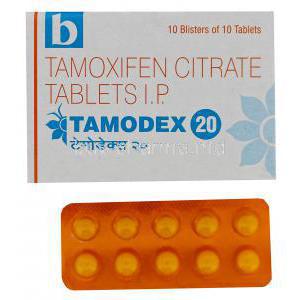
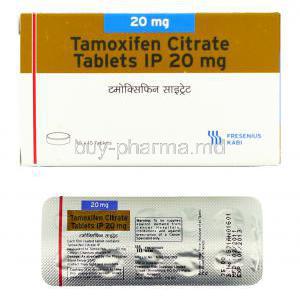
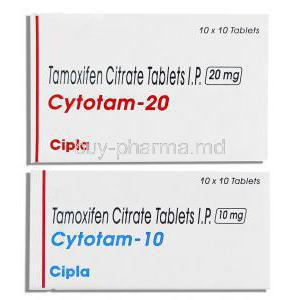
- Tablets in 10 mg and 20 mg strengths
- Oral liquid formulations for patients with swallowing difficulties
Inactive Ingredients and Excipients
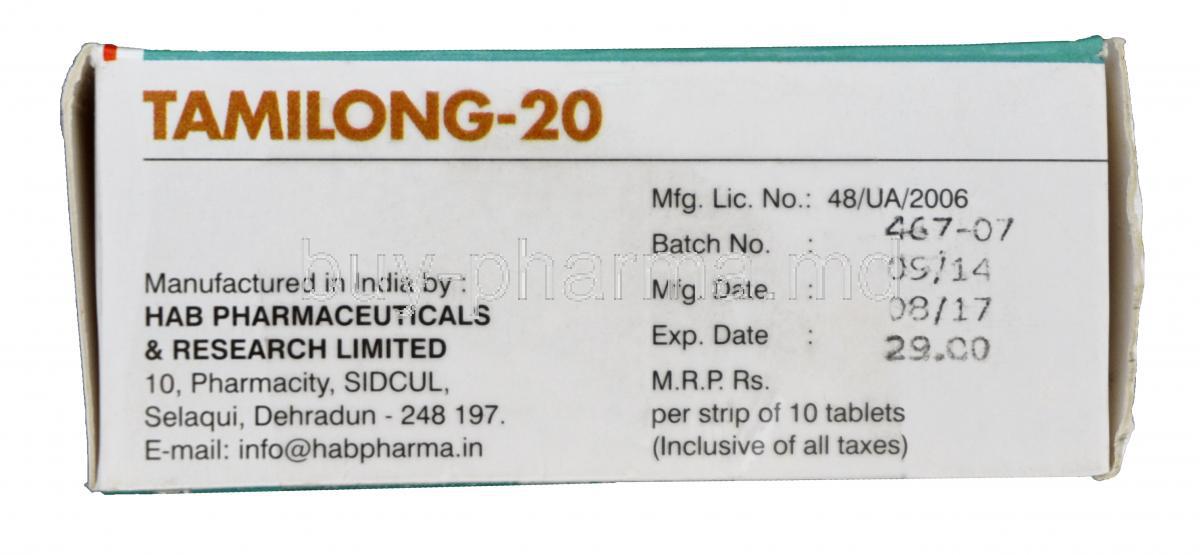
Excipients may include lactose, maize starch, gelatin, and magnesium stearate. These agents stabilize the formulation and ensure consistent bioavailability.
Mechanism of Action: How Tamilong Works
Tamoxifen’s Role as an Estrogen Receptor Antagonist in Breast Tissue
Tamilong competitively inhibits estrogen binding in mammary tissue, thereby suppressing proliferative signaling in hormone-sensitive tumors.
Partial Agonist Activity in Bone and Endometrium
In skeletal tissue, tamoxifen mimics estrogen to preserve bone density. However, its agonistic effect on the endometrium requires careful monitoring due to the risk of hyperplasia.
Impact on Estrogen-Dependent Tumor Growth
By altering gene transcription and inhibiting cell cycle progression, Tamilong impedes estrogen-fueled malignancies and reduces tumor burden.
Long-Term Cellular Effects and Receptor Modulation
Prolonged use leads to downregulation of estrogen receptors and modulation of growth factor pathways, further curtailing tumor progression.
Approved Medical Uses of Tamilong
Treatment of Hormone Receptor–Positive Breast Cancer
Used in both premenopausal and postmenopausal women, Tamilong forms the backbone of therapy for estrogen receptor–positive breast cancers.
Adjuvant Therapy Following Breast Cancer Surgery
After surgical excision, Tamilong minimizes the likelihood of recurrence and enhances long-term remission rates.
Metastatic Breast Cancer Management
In advanced disease, Tamilong controls tumor spread and provides symptom relief, often delaying the need for chemotherapy.
Chemoprevention in High-Risk Patients
Prescribed for individuals with familial predisposition or genetic mutations, Tamilong significantly reduces the risk of developing primary breast cancer.
Off-Label and Emerging Uses
Male Breast Cancer Management
Tamilong is increasingly employed in treating hormone-dependent male breast cancer, offering survival benefits comparable to female populations.
Gynecomastia Treatment and Prevention in Men
Its anti-estrogenic activity in breast tissue makes Tamilong effective in mitigating gynecomastia, particularly in patients on androgen therapy.
Infertility and Ovulation Induction in Women
Tamilong stimulates ovulation by disinhibiting gonadotropin secretion, providing a therapeutic option for women with anovulatory infertility.
Endometrial Disorders and Polycystic Ovary Syndrome (PCOS)
Off-label use includes regulation of endometrial proliferation and management of hormonal imbalances in PCOS.
Research in Other Cancers
Investigations extend to ovarian and pancreatic malignancies, where Tamilong’s receptor-modulating effects show potential benefits.
Dosage and Administration Guidelines
Standard Dosage for Adjuvant Breast Cancer Therapy
Typically 20 mg once daily for a duration of 5 years, adjusted based on patient response and tolerability.
Dosage for Metastatic Disease
Initial dosing mirrors adjuvant protocols but may be modified in advanced stages for optimal disease control.
Preventive Dosage in High-Risk Populations
A 20 mg daily regimen over 5 years has been shown to cut the incidence of breast cancer significantly in susceptible women.
Timing and Duration of Treatment
Treatment is usually long-term, with evidence supporting extended use up to 10 years in select cases.
Administration Tips
- May be taken with or without meals
- Consistency in timing improves therapeutic effect
- Oral formulations should be swallowed whole with water
Common Side Effects of Tamilong
- Hot flashes and nocturnal sweating
- Menstrual irregularities and vaginal discharge
- Gastrointestinal upset such as nausea, constipation, or diarrhea
- Fatigue, cephalalgia, and mood alterations
- Occasional weight fluctuations
Serious and Rare Side Effects
- Elevated risk of endometrial carcinoma
- Thromboembolic phenomena including DVT, pulmonary embolism, and cerebrovascular accidents
- Visual disturbances, cataracts, and retinopathy
- Abnormalities in hepatic enzyme profiles and hepatotoxicity
- Severe hypersensitivity reactions
Drug Interactions
Interaction with Anticoagulants
Tamilong potentiates the effect of warfarin, necessitating vigilant coagulation monitoring.
CYP2D6 Inhibitors Reducing Efficacy
SSRIs such as paroxetine and fluoxetine diminish tamoxifen’s conversion to its active metabolite, reducing clinical benefit.
Impact of CYP3A4 Modulators
Drugs that induce or inhibit CYP3A4 may alter tamoxifen metabolism, affecting plasma levels and efficacy.
Interactions with Chemotherapy and Hormonal Agents
Careful coordination with cytotoxic drugs and aromatase inhibitors is necessary to avoid antagonistic outcomes.
Alcohol and Lifestyle Considerations
Alcohol consumption can exacerbate hepatotoxic risk and should be minimized during therapy. A balanced lifestyle with routine medical monitoring enhances treatment safety.
Warnings and Important Precautions
Risk of Thromboembolic Events and Cardiovascular Complications
Tamilong carries a recognized risk of inducing thromboembolic phenomena such as deep vein thrombosis, pulmonary embolism, and cerebrovascular accidents. Patients with pre-existing cardiovascular compromise must be monitored vigilantly, as the combination of prolonged therapy and comorbid risk factors significantly elevates morbidity potential.
Endometrial Monitoring in Long-Term Therapy
Due to its partial estrogenic effect on the uterine lining, Tamilong may increase the likelihood of endometrial hyperplasia and carcinoma. Long-term users should undergo routine gynecological evaluation, with ultrasonography and endometrial sampling if abnormal bleeding occurs.
Regular Ophthalmic Examinations
Prolonged exposure to tamoxifen has been associated with ocular changes, including retinopathy and cataracts. Comprehensive eye examinations at baseline and at regular intervals are advised to detect early anomalies before progression.
Monitoring of Liver Function and Blood Tests
Hepatotoxicity, manifesting as elevated liver enzymes or more severe hepatic dysfunction, is a rare yet notable complication. Periodic biochemical testing and full blood counts help in the early identification of hepatic or hematologic abnormalities.
Avoidance of Prolonged Unmonitored Use
Unsupervised continuation of Tamilong is strongly discouraged. Regular consultations ensure therapeutic benefit, reduce adverse risks, and allow timely modification of therapy when necessary.
Contraindications
- Known hypersensitivity to tamoxifen citrate or formulation excipients
- Pregnancy and breastfeeding due to teratogenic and neonatal risks
- Personal history of thromboembolic disorders such as DVT or pulmonary embolism
- Presence of endometrial carcinoma or other hormone-dependent tumors at risk of exacerbation
Careful Administration and Monitoring
Patients with Liver Impairment
Tamilong metabolism occurs in the liver. Impaired hepatic function necessitates cautious dosing and more frequent laboratory surveillance.
Patients with Cardiovascular Risk Factors
Individuals with hypertension, dyslipidemia, or obesity should be monitored closely, as these conditions augment the risk of thrombotic complications during therapy.
Patients with a History of Cataracts or Visual Disorders
Given the potential for ocular toxicity, those with pre-existing visual pathology warrant careful observation and periodic ophthalmic review.
Patients on Anticoagulants or Other Interacting Medications
Concurrent use of anticoagulants such as warfarin increases hemorrhagic risk. Dose adjustments and frequent coagulation assessments may be required to maintain safety.
Administration in Special Populations
Elderly Patients
Older adults may be more vulnerable to adverse vascular events. Dose adjustments are not always necessary, but careful risk-benefit assessment and monitoring for thrombotic events are critical.
Pregnant Women
Tamilong is contraindicated in pregnancy due to teratogenic effects and potential developmental toxicity. Contraceptive measures should be in place during therapy.
Nursing Mothers
Tamoxifen and its metabolites are excreted in breast milk, posing risks to the infant. Therapy is contraindicated during breastfeeding, and alternative treatments should be considered.
Children and Adolescents
Data regarding pediatric use remain limited. Tamilong may occasionally be prescribed in cases such as gynecomastia, but administration must be strictly guided by a specialist with pediatric oncology or endocrinology expertise.
Overdosage and Emergency Management
Symptoms of Tamoxifen Overdose
Manifestations may include tremors, dizziness, seizures, QT interval prolongation, and neuromuscular disturbances. Gastrointestinal upset may also occur.
Supportive Care and Monitoring Strategies
There is no definitive antidote. Treatment is supportive, involving stabilization of vital signs, seizure management, and cardiac monitoring in cases of arrhythmia risk.
Lack of Specific Antidote
Since no pharmacological reversal exists, rapid intervention and symptomatic management remain the cornerstone of overdose care.
Storage and Handling Precautions
Recommended Storage Conditions
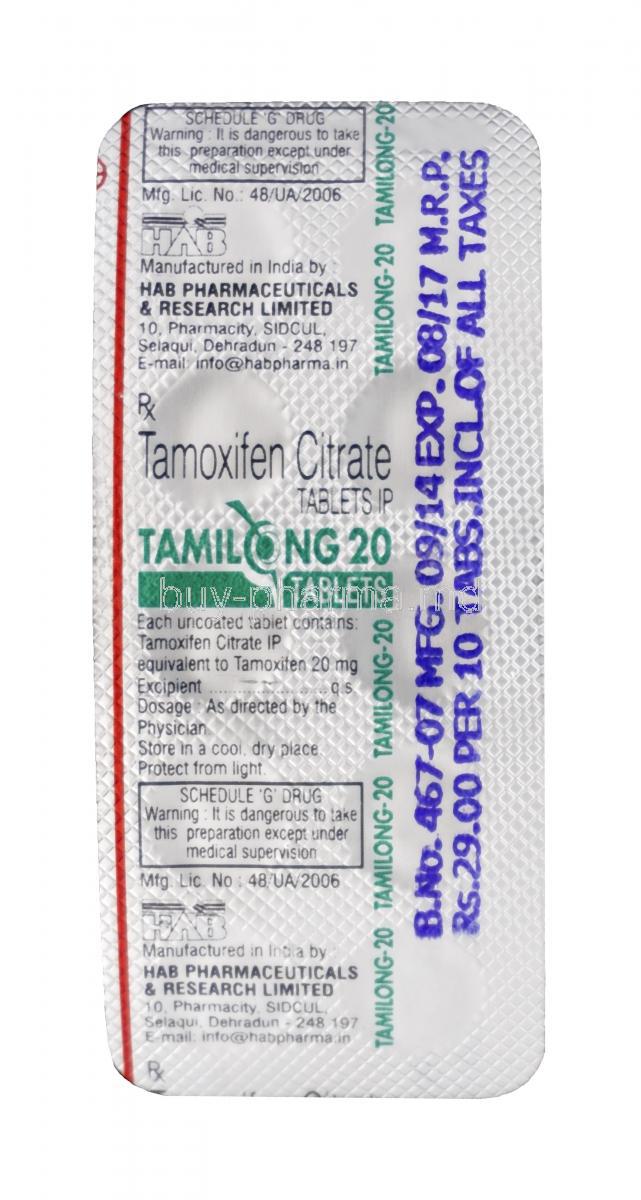
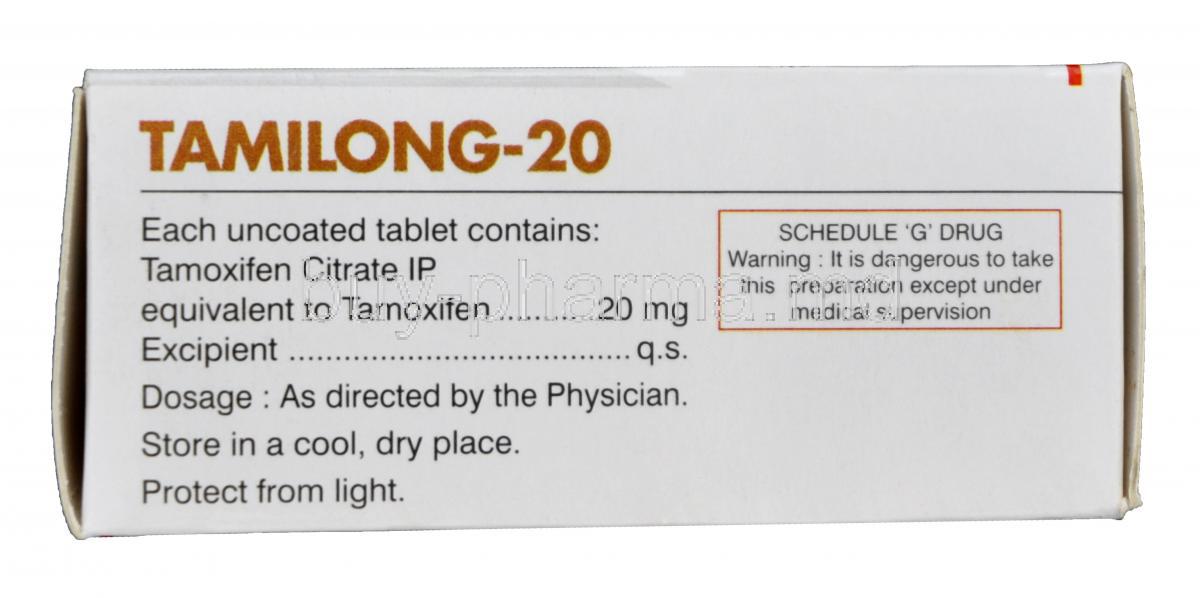
Store Tamilong at controlled room temperature, ideally between 15°C and 30°C. Protect from excessive light and moisture to preserve chemical stability.
Safe Handling to Avoid Accidental Exposure
Care should be taken to avoid direct contact with crushed or broken tablets, especially by caregivers who are pregnant or breastfeeding.
Disposal of Unused or Expired Medication
Unused tablets should not be discarded with household waste. Follow pharmaceutical disposal guidelines or return to a pharmacy take-back program.
Conclusion
Tamilong continues to play a pivotal role in oncology and chemoprevention, particularly for hormone receptor–positive breast cancer. Its benefits are substantial, but careful monitoring is indispensable to mitigate risks such as thromboembolism and endometrial changes. Therapy must be tailored individually, balancing efficacy against safety. Ongoing research into expanded indications and molecular mechanisms ensures that tamoxifen remains central to the evolving landscape of hormone-modulating cancer therapy.
Tamilong, Tamoxifen Citrate FAQ
- What is the use of Tamilong 20?
- What is the drug tamoxifen used for?
- What is the most alarming side effect of tamoxifen?
- What to avoid when taking tamoxifen?
- What is the difference between tamoxifen and letrozole?
- Can tamoxifen cause weight gain?
- How long can you take tamoxifen?
- What can I take instead of tamoxifen?
- What organs does tamoxifen affect?
- Is tamoxifen expensive?
- Who cannot take tamoxifen?
- How do you know if tamoxifen is working?
- Can I drink coffee while taking tamoxifen?
- What is the new drug replacing tamoxifen?
- Does tamoxifen cause hair loss?
- What is the success rate of tamoxifen?
- What is the major side effect of tamoxifen?
- Does tamoxifen change your appearance?
- What happens if you don't take tamoxifen?
- What is the biggest risk with tamoxifen?
- Does tamoxifen cause teeth problems?
- Does tamoxifen make you tired?
- Is tamoxifen a chemo pill?
- What vitamins should not be taken with tamoxifen?
- Can tamoxifen damage your heart?
- Does tamoxifen cause brain fog?
- What is the best time of day to take tamoxifen?
- What is the black box warning on tamoxifen?
- How common are blood clots with tamoxifen?
- Why do doctors push tamoxifen?
- Should I avoid sun while taking tamoxifen?
- Can I have one drink on tamoxifen?
- What herbs not to take with tamoxifen?
- Why does tamoxifen fail?
- How common are blood clots with tamoxifen?
- Does tamoxifen make hair thin?
What is the use of Tamilong 20?
The Tamoxifen 20 tablet is prescribed for breast cancer treatment as it includes Tamoxifen, which functions by inhibiting the impact of estrogen on the growth of cancer cells.
What is the drug tamoxifen used for?
Tamoxifen is prescribed for men and women with breast cancer that has metastasized to areas of the body, as well as for women with early-stage breast cancer who have undergone surgery and other treatments, like radiation and chemotherapy
What is the most alarming side effect of tamoxifen?
- Bone density reduction (specific to premenopausal women)
- Uterine cancer (referred to as cancer)
- Cloudiness of the eye lenses
- Blood clots in the veins leading to deep vein thrombus
- Blood clots in the lungs, known as pulmonary emboli
- Cerebrovascular accident is characterized by a sudden disruption of blood flow to the brain.
What to avoid when taking tamoxifen?
- Grapefruit
- Tangerine
- Alcohol
What is the difference between tamoxifen and letrozole?
Letroxole tends to be more successful than tamoxifen for females with hormone receptor HR+) breast cancer in terms of preventing relapse and enhancing disease-free survival, as indicated by extensive studies such as BIG 1–98 trial findings. Letrozole functions by hindering estrogen production; on the other hand, tamoxifen serves as an estrogen receptor modulator (SERM) that obstructs estrogen receptors on malignant cells.
Can tamoxifen cause weight gain?
Yes
How long can you take tamoxifen?
5 years
What can I take instead of tamoxifen?
Raloxifene (Evista)
What organs does tamoxifen affect?
Breast Tissue
Is tamoxifen expensive?
Yes
Who cannot take tamoxifen?
- Have blood clolt disorders
- Pregnant or planning to become pregnant
- Breastfeeding
How do you know if tamoxifen is working?
There is no test to determine the effectiveness of adjunctive treatments such as tamoxifen or chemotherapy.
Can I drink coffee while taking tamoxifen?
Coffee could potentially enhance the effectiveness of tamoxifen treatment.
What is the new drug replacing tamoxifen?
Anastrozole, exemestane and letrozole
Does tamoxifen cause hair loss?
Yes
What is the success rate of tamoxifen?
67%
What is the major side effect of tamoxifen?
- Hot flashes
- Dizziness
- Mood swings
- Depression
- Vaginal discharge
- Decreased Libido
Does tamoxifen change your appearance?
There are instances where tamoxifen has been linked to alterations in skin pigmentation, resulting in darkening or discoloration of areas.
What happens if you don't take tamoxifen?
Studies indicate that failing to adhere to therapy as directed (such as taking medication as prescribed or missing doses altogether), prematurely stopping treatment, or never initiating it in the first place may increase the likelihood of experiencing a recurrence of breast cancer or its spread to other parts of the body, leading to a higher risk of cancer-related mortality.
What is the biggest risk with tamoxifen?
Due to its estrogen effects in the uterus, tamoxifen can elevate the likelihood of developing cancers such as endometrial cancer and uterine sarcoma. Additionally, it has been associated with an increased risk of conditions in the endometrium.
Does tamoxifen cause teeth problems?
Yes
Does tamoxifen make you tired?
Yes
Is tamoxifen a chemo pill?
No
What vitamins should not be taken with tamoxifen?
- Vitamin E
- Soy Supplements
- St. John's worts
- Red clover
Can tamoxifen damage your heart?
No
Does tamoxifen cause brain fog?
Yes
What is the best time of day to take tamoxifen?
Bedtime
What is the black box warning on tamoxifen?
It may cause uterine cancer.
How common are blood clots with tamoxifen?
2% chance
Why do doctors push tamoxifen?
To treat breast cancer
Should I avoid sun while taking tamoxifen?
When tamoxifen absorbs sunlight, it can enter a high-energy state and trigger reactions that may result in toxicity.
Can I have one drink on tamoxifen?
No
What herbs not to take with tamoxifen?
Turmeric and curcumin
Why does tamoxifen fail?
Increased communication, between the ER and HER genes along, with levels of the coactivator SRC
How common are blood clots with tamoxifen?
2%
Does tamoxifen make hair thin?
Yes
Customers also bought
Similar Product