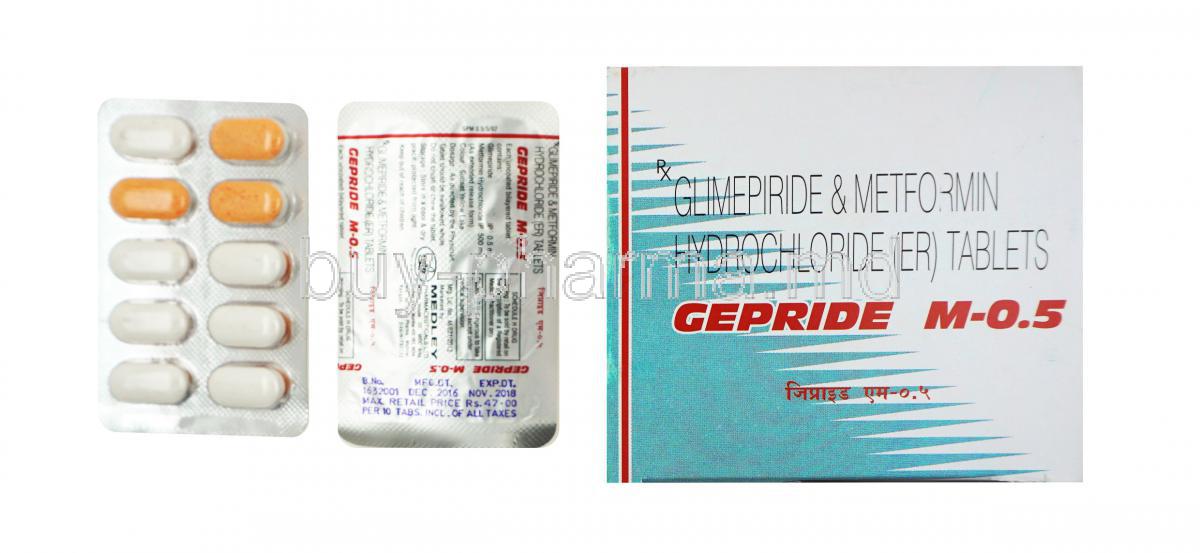
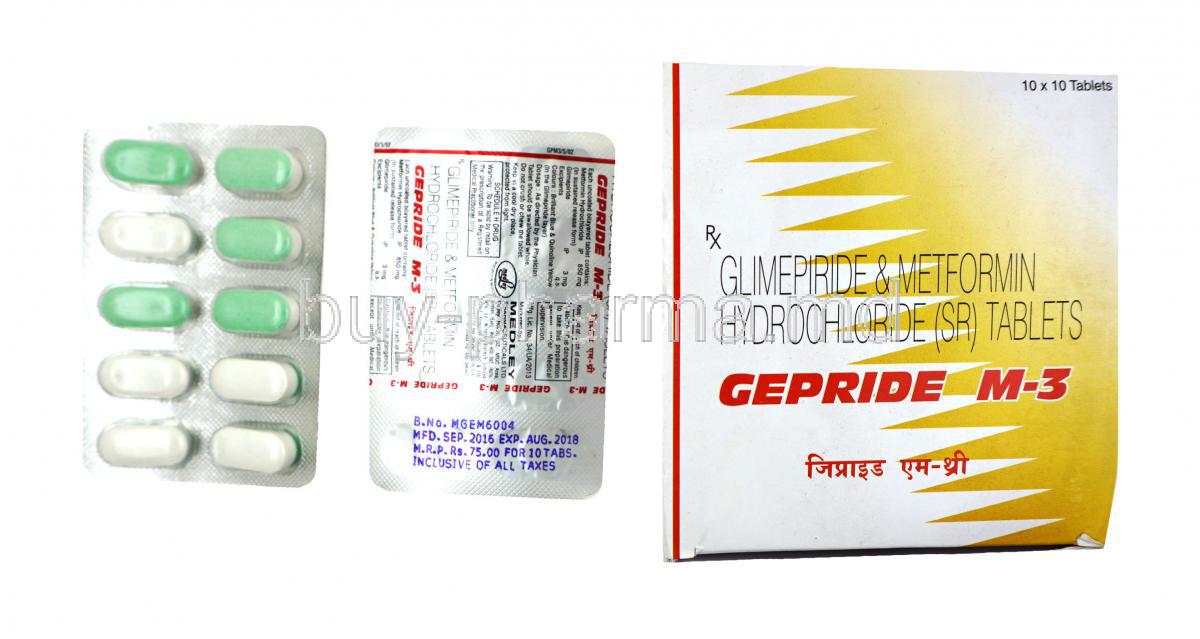
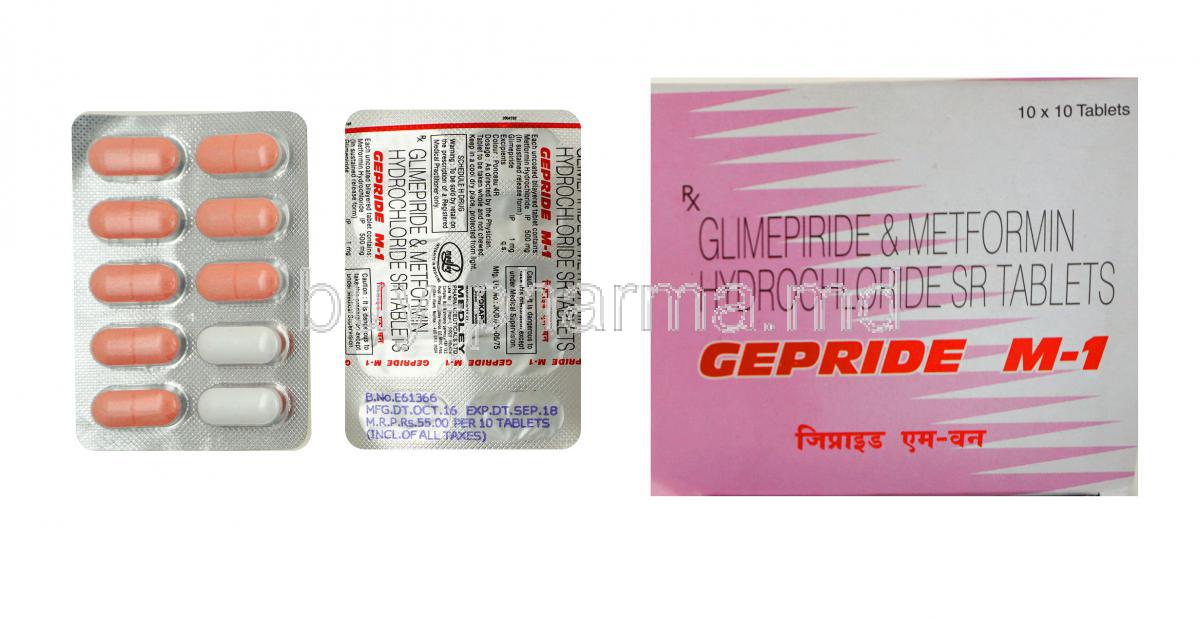
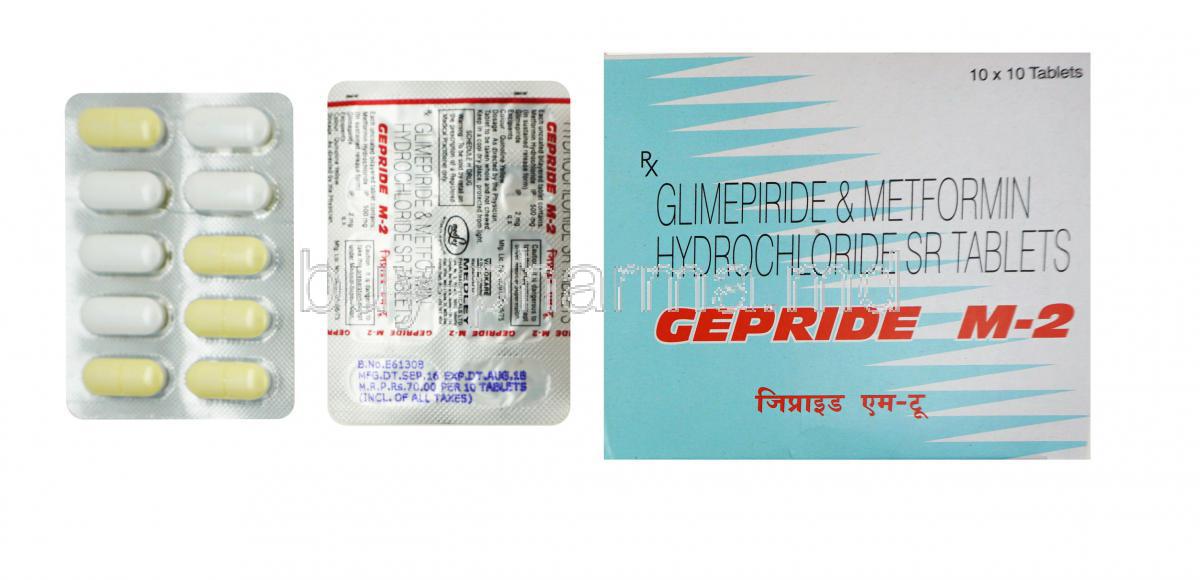
1. Introduction to Gepride M (Glimepiride / Metformin)
Gepride M is a fixed-dose oral antidiabetic formulation designed to address the multifactorial nature of type 2 diabetes mellitus. By combining two pharmacologically distinct agents, it targets both insulin secretion deficits and insulin resistance. This dual-action approach reflects contemporary strategies in metabolic disease management, where monotherapy is often insufficient.
Therapeutically, Gepride M is classified as a combination antihyperglycemic agent. Its clinical relevance lies in its ability to provide sustained glycemic control while minimizing the complexity of treatment regimens. In modern diabetes care, such combinations play a pivotal role in delaying disease progression and reducing long-term complications.
2. Composition and Active Ingredients
2.1 Glimepiride
Glimepiride belongs to the sulfonylurea class of antidiabetic drugs. It is primarily indicated for improving insulin secretion in patients with residual pancreatic β-cell function. Compared with earlier sulfonylureas, it exhibits a more refined receptor interaction profile.
- Sulfonylurea antidiabetic agent
- Potent glucose-lowering efficacy at low doses
- Once-daily dosing convenience
2.2 Metformin
Metformin is a biguanide antihyperglycemic agent widely regarded as the foundation of type 2 diabetes therapy. It does not stimulate insulin release but instead modulates glucose metabolism at the hepatic and peripheral levels.
- Biguanide class medication
- Reduction of hepatic glucose output
- Improvement of insulin sensitivity
2.3 Fixed-Dose Combination Rationale
The rationale behind combining glimepiride and metformin lies in their complementary mechanisms of action. One enhances endogenous insulin availability, while the other mitigates insulin resistance and excessive glucose production.
Advantages of combination therapy include:
- Enhanced glycemic control across fasting and postprandial states
- Lower doses of individual agents, potentially reducing adverse effects
- Improved adherence through simplified dosing
3. How Gepride M Works (Mechanism of Action)
3.1 Insulin Secretion Enhancement by Glimepiride
Glimepiride exerts its primary effect on pancreatic β-cells. By binding to sulfonylurea receptors, it initiates a cascade that promotes insulin release in response to circulating glucose.
This process involves modulation of ATP-sensitive potassium channels, leading to membrane depolarization and subsequent calcium influx. The result is a physiologically synchronized insulin secretory response.
3.2 Reduction of Hepatic Glucose Production by Metformin
Metformin suppresses hepatic gluconeogenesis, a major contributor to fasting hyperglycemia. It activates intracellular pathways that decrease glucose synthesis and release by the liver.
Additionally, metformin enhances hepatic insulin sensitivity, allowing endogenous insulin to function more effectively at lower concentrations.
3.3 Improvement of Peripheral Insulin Sensitivity
Beyond hepatic effects, metformin improves glucose uptake in peripheral tissues such as skeletal muscle and adipose tissue. This enhances overall glucose utilization and reduces circulating glucose levels.
The combined impact includes:
- Lower fasting blood glucose
- Reduced postprandial glucose excursions
- Improved overall glycemic stability
4. Uses of Gepride M
4.1 Primary Indication
Gepride M is primarily indicated for the management of type 2 diabetes mellitus in adults. It is prescribed when lifestyle interventions alone fail to achieve adequate glycemic control.
4.2 Use in Patients with Inadequate Glycemic Control
Patients who do not respond sufficiently to diet, exercise, or single-agent therapy may benefit from Gepride M. Transitioning from monotherapy to combination treatment can provide a more robust and durable glucose-lowering effect.
4.3 Use as Part of Combination Diabetes Management
Gepride M is frequently used as an adjunct to lifestyle modification, including nutritional optimization and physical activity. It may also be integrated into broader treatment plans involving additional oral agents or insulin, depending on disease severity.
5. Off-Label Uses of Gepride M
In select clinical scenarios, Gepride M may be utilized off-label for managing insulin resistance associated with other metabolic conditions. Such use requires careful patient selection and close monitoring.
Off-label considerations include:
- Severe postprandial hyperglycemia unresponsive to standard regimens
- Complex polypharmacy diabetes management
- Individualized risk–benefit evaluation
6. Dosage and Administration
6.1 General Dosing Guidelines
Dosing of Gepride M should be individualized based on glycemic response and patient tolerance. Therapy typically begins at the lowest effective dose, with gradual titration as needed.
6.2 Timing of Administration
Gepride M is generally administered with meals to reduce gastrointestinal discomfort and minimize the risk of hypoglycemia. Consistency in dosing time supports stable plasma drug levels.
6.3 Dose Adjustment Considerations
Renal function plays a critical role in dose determination, particularly due to the metformin component. Temporary dose adjustments may also be required during periods of acute illness, surgery, or metabolic stress.
7. Administration in Special Populations
7.1 Administration to Elderly Patients
Elderly patients are at increased risk of hypoglycemia and renal impairment. Careful dose selection, conservative titration, and regular monitoring of renal function are essential.
7.2 Administration to Pregnant Women
The use of Gepride M during pregnancy requires a thorough risk–benefit assessment. Alternative therapies with established safety profiles are generally preferred to ensure optimal maternal and fetal outcomes.
7.3 Administration to Nursing Mothers
Both glimepiride and metformin may be excreted into breast milk. Clinical judgment is required to determine whether to discontinue breastfeeding or adjust therapy.
7.4 Administration to Children and Adolescents
Safety and efficacy data in pediatric populations are limited. Use in children and adolescents is generally restricted and should occur only under specialist supervision.
8. Side Effects of Gepride M
8.1 Overview of Adverse Effects
Adverse effects associated with Gepride M may arise from either individual component or their combined use. These effects range from mild and transient to rare but serious.
8.2 Common Side Effects
- Gastrointestinal disturbances such as nausea, diarrhea, and abdominal discomfort
- Hypoglycemia-related symptoms including sweating and tremors
- Headache, dizziness, and generalized fatigue
8.3 Less Common or Serious Side Effects
Serious adverse reactions, while uncommon, warrant immediate medical attention. These include lactic acidosis associated with metformin, severe hypoglycemia, and rare hematologic or hepatic abnormalities.
9. Drug and Food Interactions
9.1 Drug–Drug Interactions
Gepride M may interact with other antidiabetic agents, increasing the risk of hypoglycemia. Certain antihypertensives, corticosteroids, and diuretics may alter glycemic control and necessitate dose adjustments.
9.2 Alcohol Interaction
Alcohol consumption can potentiate hypoglycemia and increase the risk of lactic acidosis. Patients are advised to limit or avoid alcohol during therapy.
9.3 Food and Dietary Considerations
Meals influence the absorption and tolerability of Gepride M. A balanced, consistent diet supports optimal glycemic outcomes and reduces variability in drug response.
10. Warnings and Safety Information
Gepride M carries specific safety considerations due to its dual pharmacological components. Vigilant clinical oversight is essential, particularly in patients with comorbidities or fluctuating metabolic status.
Risk of Hypoglycemia with Sulfonylurea Component
The glimepiride component increases endogenous insulin secretion, which may precipitate hypoglycemia if caloric intake is insufficient or dosing is excessive. This risk is amplified under certain conditions:
- Irregular meals or skipped food intake
- Intensive physical exertion without dietary adjustment
- Concomitant use of other glucose-lowering agents
Early recognition of adrenergic and neuroglycopenic symptoms is critical for prompt correction.
Lactic Acidosis Warning
Metformin is associated with a rare but potentially fatal complication known as lactic acidosis. This condition arises from lactate accumulation due to impaired clearance or excessive production.
Predisposing factors include renal insufficiency, hepatic dysfunction, hypoxic states, and excessive alcohol consumption. Although uncommon, this adverse event demands immediate medical attention when suspected.
Use in Patients with Hepatic or Renal Impairment
Renal and hepatic function significantly influence the safety profile of Gepride M. Impaired clearance may lead to drug accumulation and heightened adverse effects.
- Renal dysfunction increases the risk of lactic acidosis
- Hepatic impairment may exacerbate hypoglycemia risk
Baseline assessment and periodic monitoring are indispensable when therapy is considered in these populations.
11. Contraindications
Gepride M is contraindicated in specific clinical scenarios where the risks clearly outweigh potential benefits.
- Known hypersensitivity to glimepiride, metformin, or related compounds
- Severe renal dysfunction or significantly reduced creatinine clearance
- Metabolic acidosis, including diabetic ketoacidosis with or without coma
In such cases, alternative therapeutic strategies should be pursued.
12. Careful Administration and Important Precautions
Optimal use of Gepride M requires adherence to precautionary measures designed to enhance efficacy and minimize adverse outcomes.
Monitoring of Blood Glucose and HbA1c
Regular monitoring of fasting and postprandial blood glucose levels provides immediate feedback on treatment response. Long-term glycemic control should be evaluated through periodic HbA1c measurements.
Renal and Hepatic Function Surveillance
Renal and hepatic parameters should be assessed prior to initiation and monitored throughout therapy. Any deterioration may necessitate dose modification or discontinuation.
Avoidance of Dehydration and Prolonged Fasting
Dehydration and prolonged fasting can potentiate hypoglycemia and increase metabolic stress. Adequate hydration and consistent nutritional intake are essential components of safe therapy.
13. Overdosage Information
13.1 Symptoms of Overdose
Overdosage of Gepride M may manifest with pronounced metabolic disturbances. Clinical features vary depending on the predominant component involved.
- Severe hypoglycemia presenting as confusion, seizures, or loss of consciousness
- Gastrointestinal symptoms such as nausea, vomiting, and abdominal pain
- Metabolic derangements, including lactic acidosis in severe cases
13.2 Management of Overdose
Management requires immediate medical intervention. Treatment strategies focus on rapid correction of hypoglycemia and stabilization of metabolic parameters.
- Prompt administration of glucose or glucagon as indicated
- Supportive care and close monitoring in a clinical setting
- Advanced interventions, including hemodialysis, in severe metformin-related toxicity
14. Handling Precautions
Safe handling and dispensing practices are fundamental to minimizing medication errors and ensuring patient safety.
- Clear labeling and verification prior to dispensing
- Education on correct dosing and administration
Patients should receive counseling on appropriate actions in case of missed doses or accidental double dosing, emphasizing avoidance of compensatory overdosing.
15. Storage and Stability
Proper storage conditions preserve the chemical integrity and therapeutic efficacy of Gepride M.
- Store at controlled room temperature
- Protect from excessive heat, moisture, and direct light
- Keep out of reach of children
Shelf-life and expiration dates should be strictly observed. Use beyond the indicated expiration may compromise safety and effectiveness.
Gepride M, Glimepiride/Metformin FAQ
Popular Products




Similar Product