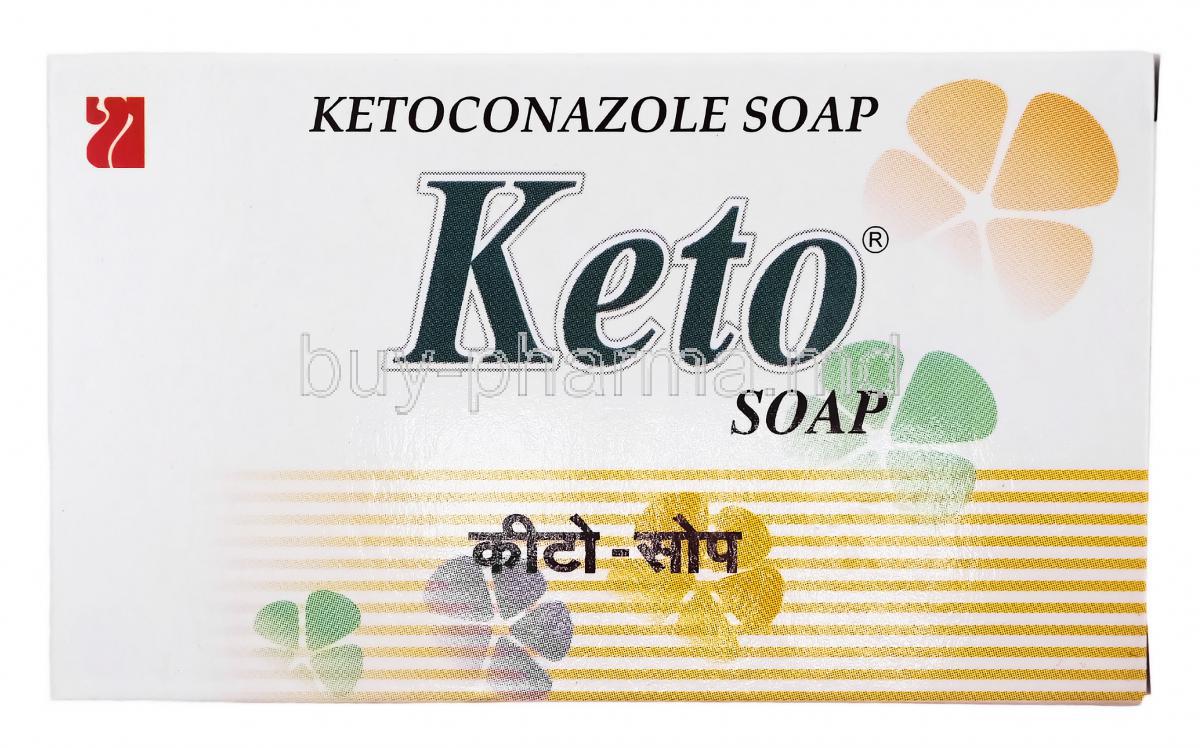
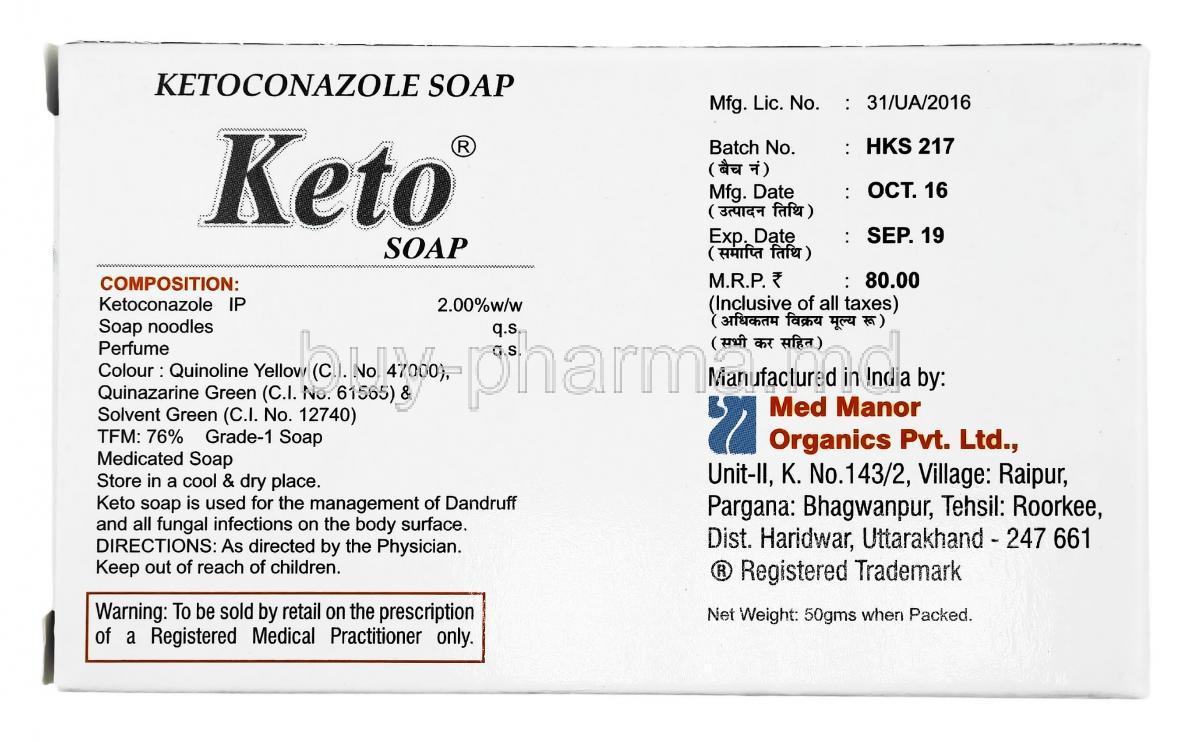
1. Introduction to Keto Soap (Ketoconazole Soap)
Keto Soap, also referred to as ketoconazole soap, is a medicated cleansing product formulated to help manage superficial fungal and yeast-related skin disorders. It is not an ordinary cosmetic soap. Rather, it serves a therapeutic purpose by combining routine skin cleansing with topical antifungal activity. In dermatological practice, products containing ketoconazole are commonly associated with the management of conditions linked to fungal proliferation, excessive flaking, erythema, and pruritus.
This type of formulation is especially useful for individuals who require repeated cleansing of affected skin areas while simultaneously reducing fungal burden. Practical. Efficient. Often well-suited to recurrent skin concerns. Because it is used topically and rinsed from the skin after contact, Keto Soap may provide a convenient option for people seeking antifungal support as part of a structured hygiene regimen.
1.1 What Is Keto Soap?
Keto Soap is a topical medicated soap containing ketoconazole, an imidazole-derived antifungal agent. It is designed for external use on the skin and, in some cases, on selected scalp-adjacent areas depending on product instructions. Its principal role is to reduce fungal colonization while cleansing the skin surface of debris, excess oil, and adherent scales.
Unlike standard bathing bars, Keto Soap is intended to address specific dermatologic issues rather than merely remove dirt. It may be incorporated into treatment plans for patients with seborrheic dermatitis, pityriasis versicolor, or other cutaneous fungal conditions where cleansing and antifungal exposure are both beneficial.
1.2 Overview of Ketoconazole as an Antifungal Agent
Ketoconazole is a broad-spectrum antifungal compound belonging to the azole class. It acts against a variety of fungi and yeasts, including dermatophytes and Malassezia species. Historically, ketoconazole has been used in creams, shampoos, and other topical formulations to treat common fungal disorders affecting the skin and scalp.
Its pharmacologic value lies in its ability to interfere with fungal cell membrane formation. That interference is consequential. Without an intact membrane, fungal organisms lose structural integrity and their capacity to proliferate becomes impaired. Topical ketoconazole is therefore widely recognized for its targeted local effect with limited systemic exposure when used appropriately.
1.3 Therapeutic Role of Ketoconazole in Topical Antifungal Treatments
In topical therapy, ketoconazole occupies an important niche. It is particularly useful when fungal overgrowth contributes to inflammation, scaling, discoloration, itching, or recurrent irritation. Because many superficial fungal disorders are localized, direct cutaneous application offers a rational approach.
The therapeutic role of ketoconazole includes:
- Reducing fungal or yeast load on the skin surface
- Improving visible symptoms such as scaling and erythema
- Helping control recurrence in predisposed individuals
- Supporting skin comfort by lowering inflammatory triggers associated with fungal colonization
When incorporated into a soap base, ketoconazole becomes part of a cleansing routine, which can be advantageous for extensive or difficult-to-maintain areas of skin.
1.4 Why Ketoconazole Is Formulated in Soap Form
A soap formulation offers both therapeutic contact and hygienic cleansing. This dual function is one of its defining advantages. The soap lathers, spreads across broader skin surfaces, and can be used during bathing, making it a pragmatic option for patients who prefer uncomplicated regimens.
Soap-based delivery may be particularly helpful when:
- Large body areas require regular cleansing
- The skin is oily or prone to adherent scale
- Recurrence is linked to poor control of sweat, sebum, or microbial buildup
- Patients need a product that integrates seamlessly into daily hygiene
Although contact time is often shorter than with leave-on preparations, consistent and correct use may still provide meaningful benefit.
1.5 Key Benefits of Antifungal Cleansing Products
Antifungal cleansing products such as Keto Soap offer a convenient and structured way to address skin conditions associated with fungal proliferation. Their utility goes beyond simple washing. They may reduce fungal contamination, remove desquamating debris, and improve the skin environment in a way that is less hospitable to pathogenic organisms.
Potential benefits include:
- Ease of incorporation into routine bathing habits
- Support for skin hygiene in recurrent fungal disorders
- Adjunctive symptom relief for itching and flaking
- Broad-area applicability for trunk, groin, or other affected regions
- Improved treatment adherence due to convenience
2. Composition and Active Ingredients of Keto Soap
The composition of Keto Soap is designed to provide both cleansing action and pharmacologic antifungal activity. The formulation typically includes an active medicinal agent supported by excipients that influence texture, lather, stability, preservation, and skin feel. Together, these ingredients determine the product’s efficacy, tolerability, and overall usability.
2.1 Primary Active Ingredient: Ketoconazole
The main active ingredient in Keto Soap is ketoconazole. This agent is responsible for the antifungal effect of the product and is used in a concentration appropriate for topical skin exposure. Ketoconazole is active against yeasts and dermatophytes that contribute to common superficial infections, making it suitable for medicated cleansing products intended for recurrent or persistent fungal conditions.
2.2 Typical Concentrations Used in Medicated Soaps
The exact concentration of ketoconazole in medicated soaps may vary by manufacturer, region, and intended therapeutic use. Formulations are designed to provide sufficient topical exposure while maintaining skin tolerability. Concentration matters. So does formulation quality.
Typical product strength is generally chosen to balance:
- Antifungal activity
- Skin compatibility
- Ease of repeated use
- Practicality in routine cleansing
Users should always follow the product label or clinician guidance rather than assuming equivalence between brands.
2.3 Inactive Ingredients and Cleansing Base Components
In addition to ketoconazole, Keto Soap contains a cleansing base composed of soap substances or surfactant systems that emulsify oils and help remove debris from the skin. These inactive ingredients may include fatty acid salts, humectants, emollients, pH modifiers, and texture-enhancing compounds.
The soap base influences how the product feels on the skin, how well it lathers, and whether it leaves the skin overly dry or acceptably comfortable after rinsing. A well-balanced formulation is often essential for chronic or repeated use.
2.4 Stabilizers, Surfactants, and Preservatives
Stabilizers are added to maintain product consistency and chemical integrity. Surfactants improve cleansing and distribution across the skin. Preservatives, where applicable, help prevent microbial contamination of the product during storage and repeated handling.
These excipients may appear ancillary, but they are important. They can affect shelf life, foam quality, rinseability, and skin tolerability. In some individuals, however, non-active ingredients may contribute to irritation or sensitivity, particularly when the skin barrier is already compromised.
2.5 Dermatological Compatibility of Soap Formulations
Dermatological compatibility refers to how well the soap is tolerated by different skin types, including sensitive or inflamed skin. Ideally, Keto Soap should cleanse effectively without provoking excessive dryness, burning, or barrier disruption. That balance is clinically relevant.
Compatibility may depend on:
- pH of the formulation
- Presence of fragrance or coloring agents
- Strength of detergents used in the base
- Frequency of application
- Condition of the user’s skin at baseline
3. Mechanism of Action: How Keto Soap Works
Keto Soap works primarily through the antifungal properties of ketoconazole. When applied to the skin and allowed brief contact before rinsing, it exposes superficial fungal organisms to a compound that interferes with their cellular viability. Although it is not a systemic treatment, its local action can be effective when the disorder is superficial and accessible to topical care.
3.1 Antifungal Activity of Ketoconazole
Ketoconazole possesses broad antifungal activity against many organisms responsible for superficial skin infections. It is especially recognized for its action against dermatophytes and lipophilic yeasts such as Malassezia. By targeting fungal cells directly, it helps decrease organism density on the skin and reduce ongoing irritation linked to colonization or infection.
3.2 Inhibition of Ergosterol Synthesis in Fungal Cell Membranes
The principal biochemical mechanism of ketoconazole involves inhibition of ergosterol synthesis. Ergosterol is an essential sterol component of fungal cell membranes, somewhat analogous to cholesterol in mammalian cells. When its synthesis is disrupted, the fungal membrane becomes structurally unstable and functionally defective.
This mechanism is pivotal. It weakens the organism at a molecular level and limits its capacity for survival and replication.
3.3 Disruption of Fungal Cell Structure and Growth
As fungal membrane integrity deteriorates, the organism becomes increasingly vulnerable to leakage of intracellular contents and impairment of vital cellular processes. Growth slows. Reproduction falters. In some cases, fungal survival is significantly compromised.
For superficial skin disease, reducing viable fungal cells can translate into visible clinical improvement, particularly when the product is used regularly and combined with appropriate hygiene measures.
3.4 Anti-Inflammatory Effects on Irritated Skin
Although ketoconazole is primarily an antifungal agent, its use may indirectly reduce inflammation by controlling the microorganisms that provoke inflammatory responses. In disorders such as seborrheic dermatitis, improvement in redness, flaking, and irritation often follows reduction in yeast burden.
This does not mean it is a classical anti-inflammatory drug. Rather, symptom improvement may occur because the pathogenic stimulus is diminished.
3.5 Reduction of Fungal Colonization on Skin Surface
One of the practical advantages of Keto Soap is its role in reducing fungal colonization on the outermost layers of the skin. This can be valuable not only for active treatment, but also for maintenance in recurrence-prone individuals. Reduced colonization may lessen symptoms, improve skin comfort, and help minimize repetitive flare cycles.
4. Keto Soap Uses
Keto Soap is used in the management of several superficial fungal and yeast-associated skin disorders. Its benefits are most apparent in conditions involving scaling, pruritus, discoloration, or persistent fungal proliferation on the skin surface. The product is generally used as part of topical therapy rather than as treatment for deep or systemic fungal infections.
4.1 Treatment of Seborrheic Dermatitis
Seborrheic dermatitis is a chronic inflammatory skin condition commonly affecting areas rich in sebaceous glands, including the scalp margins, face, chest, and body folds. Malassezia yeasts are believed to play a contributory role. Keto Soap may help reduce scaling, erythema, and greasy plaques by lowering yeast burden on the skin.
Regular use may be helpful during exacerbations. In some cases, intermittent use may also support maintenance.
4.2 Management of Dandruff and Scalp Flaking
Although shampoos are more commonly used on the scalp, ketoconazole-containing cleansing products are relevant in the broader management of dandruff and flaking linked to yeast overgrowth. By suppressing Malassezia proliferation, ketoconazole may help decrease visible scales, itching, and recurrent scalp irritation.
4.3 Treatment of Tinea Versicolor (Pityriasis Versicolor)
Tinea versicolor is a superficial yeast-related disorder that causes hypopigmented, hyperpigmented, or pinkish scaly patches, most often on the chest, back, neck, or upper arms. Keto Soap may assist by decreasing the overgrowth of causative organisms on affected skin.
Visible pigment normalization may take longer than fungal eradication. This distinction is important. Patients may observe that scaling improves before skin color fully recovers.
4.4 Treatment of Dermatophyte Infections (Ringworm)
Dermatophyte infections, commonly called ringworm, involve fungi that infect keratinized tissues such as skin. Keto Soap may be used as a supportive cleansing option in localized superficial cases, particularly where hygiene reinforcement is beneficial. It may help reduce surface fungal load, although some infections may require cream-based or systemic therapy depending on severity and location.
4.5 Treatment of Athlete’s Foot (Tinea Pedis)
Athlete’s foot affects the feet, especially the interdigital spaces and plantar surfaces. Symptoms often include scaling, fissuring, itching, and malodor. Keto Soap may serve as an adjunctive cleansing product to help maintain foot hygiene and reduce fungal colonization. Feet should be dried thoroughly after use, as persistent moisture can perpetuate infection.
4.6 Treatment of Jock Itch (Tinea Cruris)
Tinea cruris is a fungal infection of the groin region characterized by itching, rash, and advancing erythematous borders. Keto Soap may be useful as part of a daily cleansing regimen in this area, provided the skin is not severely excoriated. The groin should be kept dry, and occlusive clothing should be minimized to discourage fungal persistence.
4.7 Treatment of Cutaneous Candidiasis
Cutaneous candidiasis involves yeast infection of moist skin regions such as body folds. Symptoms may include erythema, maceration, discomfort, and satellite lesions. Ketoconazole-containing cleansing products may help reduce yeast burden on affected surfaces, especially when combined with moisture control and appropriate topical antifungal therapy.
4.8 Control of Malassezia-Related Skin Disorders
Malassezia-associated conditions extend beyond dandruff and seborrheic dermatitis. In predisposed individuals, these organisms can contribute to follicular eruptions, scaling disorders, and recurrent irritation in oily skin regions. Keto Soap may help control these conditions by creating a less favorable environment for yeast proliferation.
5. Off-Label Uses of Ketoconazole Soap
Off-label use refers to application outside the most commonly approved or conventional indications. In dermatology, clinicians sometimes recommend ketoconazole-based cleansers for conditions in which fungal or yeast overgrowth is suspected to contribute to symptoms, even if the soap itself is not specifically labeled for that purpose. Such use should be guided by clinical judgment.
5.1 Adjunctive Management of Acne Associated with Malassezia (Fungal Acne)
So-called fungal acne is often associated with Malassezia folliculitis rather than true acne vulgaris. It may present as monomorphic itchy papules and pustules, particularly on the chest, back, shoulders, or forehead. Keto Soap may be used as an adjunctive cleanser to reduce yeast proliferation on the skin surface, potentially improving outbreaks in selected patients.
5.2 Supportive Treatment for Folliculitis
Folliculitis can have multiple causes, including bacterial, fungal, mechanical, and inflammatory origins. When a fungal component is suspected, ketoconazole soap may be used as supportive care. It is not universally appropriate for every type of folliculitis, but in selected cases it may contribute to better control of superficial organism growth.
5.3 Management of Scalp Yeast Overgrowth
Yeast overgrowth on the scalp may manifest as scaling, itch, or recurrent irritation. Although dedicated ketoconazole shampoos are often preferred, soap-based formulations may be used around hairline-adjacent skin or in circumstances where scalp cleansing overlap is desired. The goal is to reduce microbial burden while maintaining cutaneous hygiene.
5.4 Use in Chronic Seborrheic Dermatitis Maintenance Therapy
In chronic relapsing seborrheic dermatitis, maintenance therapy is often necessary. Keto Soap may be used intermittently on seborrheic-prone skin areas to help prevent recurrence after an acute flare has been controlled. This prophylactic-style use is practical, especially in individuals with repeated episodes.
5.5 Prevention of Recurrent Fungal Skin Infections
For individuals prone to recurrent fungal infections, especially in humid climates or in settings of perspiration and occlusion, regular medicated cleansing may help reduce re-colonization. Keto Soap may be considered as part of a broader preventive regimen involving hygiene optimization, breathable clothing, and prompt management of early symptoms.
5.6 Supportive Use in Intertrigo Associated with Fungal Growth
Intertrigo affects opposing skin surfaces where friction, heat, and moisture create an ideal niche for microbial proliferation. When fungal involvement is present or strongly suspected, Keto Soap may be used cautiously as supportive cleansing. Care must be taken in inflamed or eroded folds, as soap exposure may cause irritation in some patients.
6. Dosage and Administration of Keto Soap
Although soap formulations do not use dosage in the same manner as tablets or capsules, proper administration remains essential. Frequency, method of application, duration of contact, and treatment length all affect clinical outcome. Inadequate use may reduce efficacy. Excessive use may increase irritation.
6.1 Recommended Frequency of Use
The recommended frequency of use depends on the condition being treated, the severity of symptoms, the product concentration, and the user’s skin tolerance. Some individuals may use the soap once daily, while others may be instructed to use it several times per week as maintenance therapy.
Overuse is not inherently beneficial. More frequent application may lead to dryness or irritation without proportionate therapeutic gain.
6.2 Proper Method for Applying Ketoconazole Soap
The soap is typically applied to wet skin and worked into a lather over affected areas. It should usually remain in contact with the skin briefly before rinsing, according to the product instructions or clinician guidance. Gentle application is preferred over vigorous scrubbing, especially when the skin is inflamed.
General administration principles include:
- Wet the affected area thoroughly
- Lather the soap evenly over the skin
- Allow brief contact time if directed
- Rinse thoroughly with water
- Dry the area completely, especially in folds or between toes
6.3 Duration of Treatment for Fungal Skin Conditions
Treatment duration varies by diagnosis. Superficial yeast-related conditions may improve within a few weeks, whereas recurrent or persistent dermatologic disorders may require a longer structured course or intermittent maintenance use. Stopping too early can be counterproductive, particularly if symptoms improve before fungal control is complete.
6.4 Instructions for Scalp and Body Application
When the product is used on the body, it should be applied directly to affected skin zones. For scalp-adjacent or hairy areas, users should follow specific label guidance, as hair density may affect lather distribution and contact. In many cases, soap is more suitable for exposed skin than densely haired scalp regions.
6.5 Guidelines for Preventing Recurrence of Infection
Successful management of fungal skin disorders often requires more than medicated cleansing alone. Recurrence prevention is a central objective.
- Keep the skin clean and dry
- Change sweaty clothing promptly
- Avoid sharing towels or personal items
- Use breathable fabrics in hot or humid conditions
- Complete the full recommended treatment course
6.6 Medical Supervision for Prolonged Use
When Keto Soap is used for extended periods, medical supervision may be advisable, especially if symptoms persist, recur frequently, or worsen despite treatment. Chronic skin disease can mimic fungal infection, and misdiagnosis may delay appropriate management. Persistent erythema, refractory scaling, or unusual lesions warrant professional evaluation.
7. Side Effects of Keto Soap
Like most topical medicated products, Keto Soap may cause side effects, although many users tolerate it well when used correctly. Adverse effects are usually localized to the site of application and are often mild, but more significant reactions can occur in sensitive individuals.
7.1 Overview of Possible Dermatological Reactions
Dermatological reactions associated with ketoconazole soap typically involve the skin barrier and local sensory nerves. Common complaints include irritation, dryness, itching, or transient burning. These effects may be more pronounced in patients with eczema, abraded skin, or pre-existing cutaneous sensitivity.
7.2 Local Skin Irritation
Local irritation may appear as redness, discomfort, tightness, or a raw sensation after washing. This can result from the active ingredient, the cleansing base, repeated application, or combination with other topical agents. If irritation becomes marked, treatment frequency may need adjustment.
7.3 Burning or Stinging Sensation
A brief burning or stinging sensation may occur, especially when the skin is already inflamed or excoriated. Mild transient discomfort may not require discontinuation, but persistent or severe stinging should not be ignored. It may indicate intolerance or excessive disruption of the skin barrier.
7.4 Dryness or Skin Peeling
Because medicated soaps cleanse oils from the skin, some degree of dryness or peeling may occur. This is especially relevant in individuals with naturally dry skin or those using the product frequently. The peeling is usually mild, but it can become bothersome if the skin barrier is already fragile.
7.5 Allergic Skin Reactions
Allergic skin reactions may include rash, swelling, increased redness, or worsening itch. In such cases, continued use may aggravate symptoms rather than relieve them. Allergic reactions may be caused by ketoconazole itself or by excipients such as fragrance, preservatives, or other components of the soap base.
7.6 Rare Hypersensitivity Responses
Rarely, hypersensitivity responses may occur and can include more significant swelling, generalized rash, or severe discomfort. These reactions are uncommon but clinically important. Immediate discontinuation and medical evaluation are advisable when symptoms suggest a substantial allergic response.
8. Common Side Effects Associated with Ketoconazole Soap
Most side effects linked to Keto Soap are mild and self-limited. They tend to occur early in treatment or during excessive use. Recognition of these effects allows timely adjustment before skin irritation becomes more problematic.
8.1 Mild Skin Dryness
Mild dryness is one of the most common effects of medicated cleansing products. It may feel like tightness or roughness after washing. This can often be minimized by avoiding overly frequent application and using a compatible moisturizer on unaffected or non-actively treated areas if appropriate.
8.2 Temporary Redness of the Skin
Some users experience transient erythema immediately after application. This is often mild and short-lived. However, persistent redness may indicate irritation, contact dermatitis, or overuse and should prompt reassessment of technique and frequency.
8.3 Itching or Mild Irritation
Paradoxically, itching may occur even when the product is being used to treat an itchy fungal disorder. This does not always signify treatment failure. Sometimes it reflects transient skin adjustment, dryness, or irritation from the cleansing base. Persistent worsening, however, deserves attention.
8.4 Mild Flaking During Early Treatment
Early treatment can occasionally be accompanied by mild flaking as diseased stratum corneum sheds and the skin surface changes. This may not be harmful, but pronounced desquamation or discomfort suggests that the skin is becoming overly irritated.
8.5 Temporary Change in Skin Texture
Some individuals report a temporary change in how the skin feels after use, such as mild roughness or a drier texture. This effect is generally reversible and may improve with reduced frequency or better supportive skin care habits.
9. Drug and Product Interactions
Although topical ketoconazole soap has limited systemic absorption, product interactions can still occur at the skin level. These interactions usually involve additive irritation, altered barrier function, or competing treatment effects rather than classic systemic pharmacokinetic interactions.
9.1 Interaction with Other Topical Antifungal Agents
Using multiple topical antifungal products at the same time may not always provide additional benefit. In some cases, such combinations are therapeutically appropriate, but in others they simply increase skin irritation. The overall regimen should be coherent and clinically justified.
9.2 Interaction with Topical Corticosteroids
Topical corticosteroids may be used in some inflammatory skin disorders that coexist with fungal conditions, but their role must be carefully judged. Corticosteroids can suppress inflammation while potentially masking infection or altering clinical appearance. Combined use should ideally occur under medical guidance.
9.3 Interaction with Medicated Shampoos or Soaps
Concurrent use with other medicated cleansers, including tar-based, salicylic acid, sulfur, or benzoyl peroxide products, may increase dryness or irritation. This does not make such combinations universally contraindicated, but sequencing and frequency become important.
9.4 Interaction with Harsh Skin Cleansers or Chemical Exfoliants
Harsh cleansers, exfoliating acids, abrasive scrubs, and alcohol-rich products can destabilize the skin barrier. When paired with Keto Soap, the cumulative irritant effect may be amplified. Sensitive skin requires restraint. Aggressive layering is seldom prudent.
9.5 Impact of Concurrent Dermatological Treatments
Other dermatologic treatments, such as retinoids, keratolytics, depigmenting agents, or prescription anti-inflammatory preparations, may alter how the skin responds to Keto Soap. Patients with complex regimens should use the product according to a coordinated plan rather than adding it arbitrarily.
10. Warnings and Safety Considerations
Keto Soap should be used thoughtfully, particularly in people with sensitive skin, unclear diagnoses, or recurrent symptoms that have not been medically evaluated. While topical ketoconazole is generally well tolerated, inappropriate use can result in irritation, delayed diagnosis, or ineffective treatment of non-fungal conditions.
10.1 Risk of Allergic Reaction to Ketoconazole
Although uncommon, allergic reaction to ketoconazole or formulation excipients is possible. Users should be attentive to increasing redness, swelling, rash, blistering, or marked itching after use. Such symptoms warrant discontinuation and clinical review.
10.2 Avoiding Contact with Eyes and Mucous Membranes
Keto Soap is intended for external cutaneous use and should not come into contact with the eyes, mouth, or other mucous membranes. Accidental exposure may cause stinging, irritation, or discomfort. Thorough rinsing with water is recommended if contact occurs.
10.3 Potential Skin Sensitivity in Prolonged Use
Prolonged use may increase the chance of cumulative dryness or irritant dermatitis, particularly if the product is used more often than necessary. Long-term treatment should ideally be guided by clinical need rather than habit alone.
10.4 Risk of Skin Irritation in Sensitive Individuals
Individuals with eczema, rosacea-prone skin, barrier impairment, or known sensitivity to soaps and detergents may react more strongly to medicated cleansing products. A cautious introduction and close attention to local tolerance are advisable in such cases.
10.5 Importance of Medical Advice for Persistent Skin Conditions
Not every scaly or itchy rash is fungal. That fact is critical. Psoriasis, eczema, contact dermatitis, bacterial infection, and inflammatory dermatoses may resemble fungal disease. If symptoms do not improve, worsen, or recur frequently, professional evaluation is important to confirm the diagnosis and refine treatment.
11. Contraindications
Certain circumstances may render the use of Keto Soap inappropriate or potentially harmful. Contraindications represent conditions or patient characteristics in which the product should not be used due to an increased likelihood of adverse reactions or ineffective treatment. Recognizing these limitations is essential for maintaining dermatological safety and avoiding unnecessary complications.
Although topical ketoconazole generally demonstrates a favorable safety profile, it should not be applied indiscriminately. Particular caution is required in individuals with known allergies to antifungal agents, compromised skin integrity, or prior adverse reactions to medicated skin products.
11.1 Known Hypersensitivity to Ketoconazole
Keto Soap should not be used by individuals who have demonstrated hypersensitivity to ketoconazole. Hypersensitivity reactions may manifest as intense redness, swelling, pruritus, or eruptive rashes shortly after application. In rare cases, more extensive dermatologic reactions may occur.
Symptoms of hypersensitivity may include:
- Sudden itching or burning sensation
- Localized swelling or inflammation
- Development of rash or hives
- Severe skin discomfort after exposure
If hypersensitivity is suspected, immediate discontinuation of the product is recommended and medical consultation should be sought.
11.2 Allergy to Imidazole Antifungal Agents
Ketoconazole belongs to the imidazole class of antifungal medications. Individuals with documented allergy to imidazole derivatives—such as clotrimazole, miconazole, or similar compounds—may be at increased risk of cross-reactivity. Such patients should avoid Keto Soap unless specifically advised by a healthcare professional.
Allergic cross-sensitivity within antifungal classes is uncommon but possible. A careful medical history can help identify individuals who should avoid exposure to this class of medications.
11.3 Use on Severely Damaged or Open Skin Without Medical Advice
Keto Soap is formulated for intact skin surfaces. Application to severely damaged skin, ulcerated tissue, or open wounds may increase irritation and discomfort. In such cases, the protective barrier of the skin is compromised, allowing enhanced penetration of irritants and increasing the likelihood of adverse reactions.
Before applying medicated soap to compromised skin, medical evaluation is recommended to determine the most appropriate treatment approach.
11.4 History of Severe Dermatological Reactions to Antifungal Products
Individuals who have previously experienced severe dermatologic reactions to topical antifungal agents should exercise caution when considering Keto Soap. Reactions may include severe contact dermatitis, extensive erythema, or vesicular eruptions.
A documented history of such reactions may indicate a predisposition to irritation or allergic responses when exposed to antifungal preparations. Alternative treatment options may therefore be preferable.
12. Careful Administration and Clinical Considerations
Proper use of Keto Soap requires attention to individual skin characteristics, existing dermatological conditions, and the duration of therapy. While the product may be effective for fungal control, inappropriate application or excessive use may disrupt the skin barrier and provoke irritation.
Careful administration helps maximize therapeutic benefits while minimizing unnecessary adverse reactions.
12.1 Use in Patients with Sensitive Skin
Individuals with sensitive skin may experience increased susceptibility to dryness, irritation, or erythema following the use of medicated soaps. Sensitive skin often exhibits heightened reactivity to detergents and active ingredients.
For such individuals, several precautions may be beneficial:
- Use the soap less frequently
- Avoid vigorous scrubbing
- Limit application to affected areas
- Observe the skin carefully for early signs of irritation
A gradual introduction may improve tolerability.
12.2 Use in Patients with Chronic Dermatological Disorders
Patients suffering from chronic dermatological conditions—such as eczema, psoriasis, or chronic dermatitis—may have compromised skin barriers. The introduction of medicated cleansers in these individuals requires careful assessment.
In some cases, ketoconazole soap may assist when fungal overgrowth complicates an existing condition. However, excessive cleansing may aggravate inflammation or exacerbate dryness.
12.3 Monitoring for Skin Irritation During Treatment
Routine monitoring of the treated skin area is advisable during therapy. Early detection of irritation can prevent progression to more severe reactions. Signs that warrant attention include:
- Persistent redness
- Increasing dryness or peeling
- Burning sensation during or after application
- Development of rash or swelling
If such symptoms occur, treatment frequency may need adjustment.
12.4 Adjusting Frequency of Use Based on Skin Response
Skin response should guide the frequency of application. While some individuals tolerate daily use, others may require less frequent exposure to prevent irritation. Personalizing the regimen based on skin tolerance is an effective strategy for maintaining therapeutic benefits.
Reducing application frequency may alleviate irritation without compromising antifungal efficacy.
12.5 Importance of Dermatological Assessment for Persistent Symptoms
If symptoms persist despite appropriate use of Keto Soap, a dermatological evaluation is recommended. Persistent rashes, scaling, or itching may be caused by conditions that mimic fungal infections, including psoriasis, eczema, or contact dermatitis.
Accurate diagnosis ensures appropriate treatment and prevents unnecessary or prolonged exposure to ineffective therapy.
13. Important Precautions When Using Keto Soap
Precautionary measures are an essential component of safe topical therapy. Although Keto Soap is designed for external use, improper handling or excessive application may compromise skin health. Adhering to basic precautions helps maintain both efficacy and safety.
13.1 Avoiding Excessive Use on Healthy Skin
Medicated soaps should primarily be used on affected or susceptible areas rather than indiscriminately across the entire body. Excessive exposure may lead to dryness or irritation in otherwise healthy skin.
Targeted application is usually sufficient for effective fungal control.
13.2 Preventing Accidental Ingestion
Keto Soap is strictly intended for external use. Accidental ingestion should be avoided, particularly in households with children. Ingesting soap products may cause gastrointestinal discomfort, nausea, or irritation.
The product should therefore be stored securely and used responsibly.
13.3 Avoiding Application to Broken or Inflamed Skin
Application to broken, severely inflamed, or ulcerated skin may exacerbate irritation. Compromised skin barriers can allow deeper penetration of soap components, increasing discomfort.
Where skin integrity is impaired, medical advice should be obtained before continuing treatment.
13.4 Maintaining Proper Skin Hygiene During Treatment
Successful treatment of fungal infections relies not only on medicated cleansing but also on overall hygiene practices. Maintaining cleanliness and dryness of affected areas helps prevent fungal persistence.
- Keep skin dry after bathing
- Wear breathable clothing
- Change damp garments promptly
- Avoid sharing personal hygiene items
13.5 Preventing Reinfection Through Personal Hygiene Measures
Reinfection can occur if environmental factors favor fungal growth. Personal hygiene plays a crucial role in prevention.
Recommended preventive practices include:
- Using clean towels daily
- Regular laundering of clothing and bedding
- Maintaining dry skin in high-moisture areas
- Avoiding communal sharing of grooming items
14. Administration to Elderly Patients
Older adults may exhibit physiological changes in skin structure that influence their response to topical treatments. Aging skin tends to become thinner, less elastic, and more susceptible to dryness or irritation.
14.1 Skin Sensitivity in Older Adults
The epidermal barrier in elderly individuals may be diminished, resulting in increased sensitivity to detergents and medicated products. As a result, medicated soaps should be used cautiously in this population.
14.2 Monitoring for Increased Risk of Irritation
Elderly patients may require closer observation during treatment. Signs of irritation—such as redness, dryness, or discomfort—should be addressed promptly to prevent worsening skin conditions.
14.3 Adjustments in Frequency of Use for Fragile Skin
Reducing the frequency of use may help protect fragile skin while maintaining antifungal activity. Intermittent application may be adequate for maintaining symptom control.
15. Administration to Pregnant Women and Nursing Mothers
Topical antifungal products are often considered when managing superficial fungal infections during pregnancy or breastfeeding. However, medical consultation is advisable before initiating any medicated treatment during these periods.
15.1 Safety of Topical Ketoconazole During Pregnancy
Topical ketoconazole generally results in minimal systemic absorption when applied to intact skin. Nevertheless, pregnant individuals should seek medical guidance before initiating therapy to ensure that treatment is appropriate.
15.2 Minimal Systemic Absorption from Soap Formulations
Soap-based formulations typically remain on the skin only briefly before rinsing. This limited exposure reduces systemic absorption, which contributes to the relatively favorable safety profile of topical ketoconazole when used correctly.
15.3 Considerations During Breastfeeding
Nursing mothers should use medicated soaps with care to avoid transferring residues to the infant. Adequate rinsing and proper hygiene can help reduce potential exposure.
15.4 Avoiding Application on Breast Area Before Nursing
To prevent accidental ingestion by the infant, the soap should not be applied to the breast area immediately before breastfeeding. Any product residue should be thoroughly removed prior to nursing.
16. Administration to Pediatric Patients
Children may develop fungal skin conditions similar to those observed in adults. However, pediatric skin tends to be more delicate and may react differently to medicated cleansers.
16.1 Safety Considerations in Infants and Children
The use of medicated soaps in very young children should be approached cautiously. Pediatric skin can absorb irritants more readily and may display heightened sensitivity.
16.2 Pediatric Dermatological Conditions Treated with Ketoconazole
Ketoconazole-containing products may be considered in the management of certain fungal conditions in children, including:
- Superficial yeast infections
- Fungal scalp or skin disorders
- Localized dermatophyte infections
16.3 Appropriate Use Under Medical Supervision
Medical supervision is advisable when treating children with medicated products. Proper diagnosis ensures that therapy targets the correct underlying condition.
16.4 Monitoring for Skin Irritation in Children
Parents or caregivers should observe treated areas carefully. Early signs of irritation should prompt adjustment of treatment or consultation with a healthcare professional.
17. Overdose and Excessive Use
Because Keto Soap is a topical cleansing product, traditional overdose scenarios are uncommon. However, excessive or inappropriate use may still result in undesirable skin reactions.
17.1 Risk of Skin Irritation from Overuse
Repeated or overly frequent use may strip natural oils from the skin, leading to dryness, irritation, and barrier disruption. Moderation and adherence to recommended application frequency are essential.
17.2 Symptoms of Excessive Topical Exposure
Symptoms associated with excessive use may include:
- Persistent dryness
- Scaling or peeling
- Redness and irritation
- Increased skin sensitivity
17.3 Management of Accidental Ingestion
If Keto Soap is accidentally ingested, mild gastrointestinal symptoms such as nausea or discomfort may occur. Rinsing the mouth and drinking water may help alleviate irritation. Medical advice should be sought if symptoms persist.
17.4 When to Seek Medical Attention
Medical evaluation is recommended if severe skin reactions occur, if ingestion results in persistent symptoms, or if unusual systemic symptoms develop following exposure.
18. Storage Conditions for Keto Soap
Proper storage helps maintain the stability and effectiveness of medicated soap products. Environmental factors such as moisture, heat, and contamination can affect the quality of the formulation.
18.1 Recommended Storage Temperature
Keto Soap should typically be stored at room temperature in a dry location. Excessive heat may soften the soap and reduce structural integrity.
18.2 Protecting the Soap from Moisture and Contamination
After use, the soap should be placed on a well-drained soap dish to allow it to dry completely. Prolonged moisture exposure may encourage microbial contamination and reduce product lifespan.
18.3 Shelf Life and Product Stability
Medicated soaps generally possess a defined shelf life. Over time, active ingredients may degrade, potentially reducing therapeutic effectiveness. Expired products should not be used.
18.4 Keeping the Product Out of Reach of Children
To prevent accidental ingestion or misuse, Keto Soap should be stored safely away from children and pets.
19. Handling Precautions
Appropriate handling practices help preserve product hygiene and prevent contamination during repeated use. Medicated soap products may be shared among household members, but proper precautions should be observed.
19.1 Proper Handling of Medicated Soap Bars
The soap should be handled with clean hands and rinsed thoroughly after each use. Allowing it to dry between uses helps maintain structural integrity and reduces microbial contamination.
19.2 Avoiding Cross-Contamination During Use
Cross-contamination can occur if infected skin areas are repeatedly contacted and the soap is then shared among multiple individuals. Dedicated personal use is preferable in cases of active fungal infection.
19.3 Hygiene Practices for Shared Household Environments
Maintaining household hygiene is essential when managing fungal infections. Practices that help reduce transmission include:
- Using separate towels
- Regular laundering of clothing
- Cleaning communal bathing areas
- Avoiding shared grooming items
19.4 Safe Disposal of Expired Products
Expired medicated soaps should be discarded in accordance with local waste disposal recommendations. Continued use of expired products may reduce therapeutic efficacy and increase the risk of skin irritation.
Keto Soap, Ketoconazole FAQ
- What is ketoconazole keto soap used for?
- Can I use keto soap daily?
- Can keto soap be used on private parts?
- Is keto soap good for your face?
- What are the side effects of using keto soap?
- What happens if I use ketoconazole daily?
- Can keto soap remove dark spots?
- What is the best way to use keto soap?
- Is keto soap the same as regular soap?
- Does ketoconazole stop itching?
- Does ketoconazole remove dark spots?
- What are the negative effects of keto?
- What is the purpose of keto soap?
- Can ketoconazole damage skin?
- Is it okay to use ketoconazole soap every day?
- What skin conditions does ketoconazole soap treat?
- Is ketoconazole soap good for itching?
- Can keto cause itchy skin?
- Can ketoconazole cure skin infections?
- Is ketoconazole a strong antifungal?
- Can you use keto soap on your face?
- What happens if I use ketoconazole daily?
- Does ketoconazole stop itching?
- Can ketoconazole damage skin?
- Is ketoconazole a strong antifungal?
What is ketoconazole keto soap used for?
Keto Soap is a special kind of medicine you apply to your skin to treat fungal infections. These infections can cause problems like athlete's foot, ringworm, jock itch, and yeast infections. The soap works by stopping the fungus from growing, which helps to clear up the infection and make the symptoms like itching, redness, and scaling go away.
Can I use keto soap daily?
2-3 times a week
Can keto soap be used on private parts?
No
Is keto soap good for your face?
No
What are the side effects of using keto soap?
- Skin peeling
- Burning
- Irritation
- Nausea
What happens if I use ketoconazole daily?
Redness
Can keto soap remove dark spots?
Yes
What is the best way to use keto soap?
2-3 time weekly
Is keto soap the same as regular soap?
No
Does ketoconazole stop itching?
Yes
Does ketoconazole remove dark spots?
Yes
What are the negative effects of keto?
- Tiredness
- Dizziness
- Nausea
- Vomiting
- Headache
What is the purpose of keto soap?
Antifungal
Can ketoconazole damage skin?
Yes
Is it okay to use ketoconazole soap every day?
No
What skin conditions does ketoconazole soap treat?
- Athlete's foot
- Dandruff
- Fungal Nail
Is ketoconazole soap good for itching?
Yes
Can keto cause itchy skin?
Yes
Can ketoconazole cure skin infections?
Ketoconazole is a treatment for infections that are caused by fungi or yeast. It does this by either killing the fungus or yeast directly, or by stopping it from growing and spreading. This helps to clear up the infection and prevent it from getting worse.
Is ketoconazole a strong antifungal?
Yes
Can you use keto soap on your face?
No
What happens if I use ketoconazole daily?
Redness and peeling
Does ketoconazole stop itching?
Yes
Can ketoconazole damage skin?
Yes
Is ketoconazole a strong antifungal?
Yes
Customers also bought
Popular Products
Similar Product