1. Introduction to Permed Soap (Permethrin)
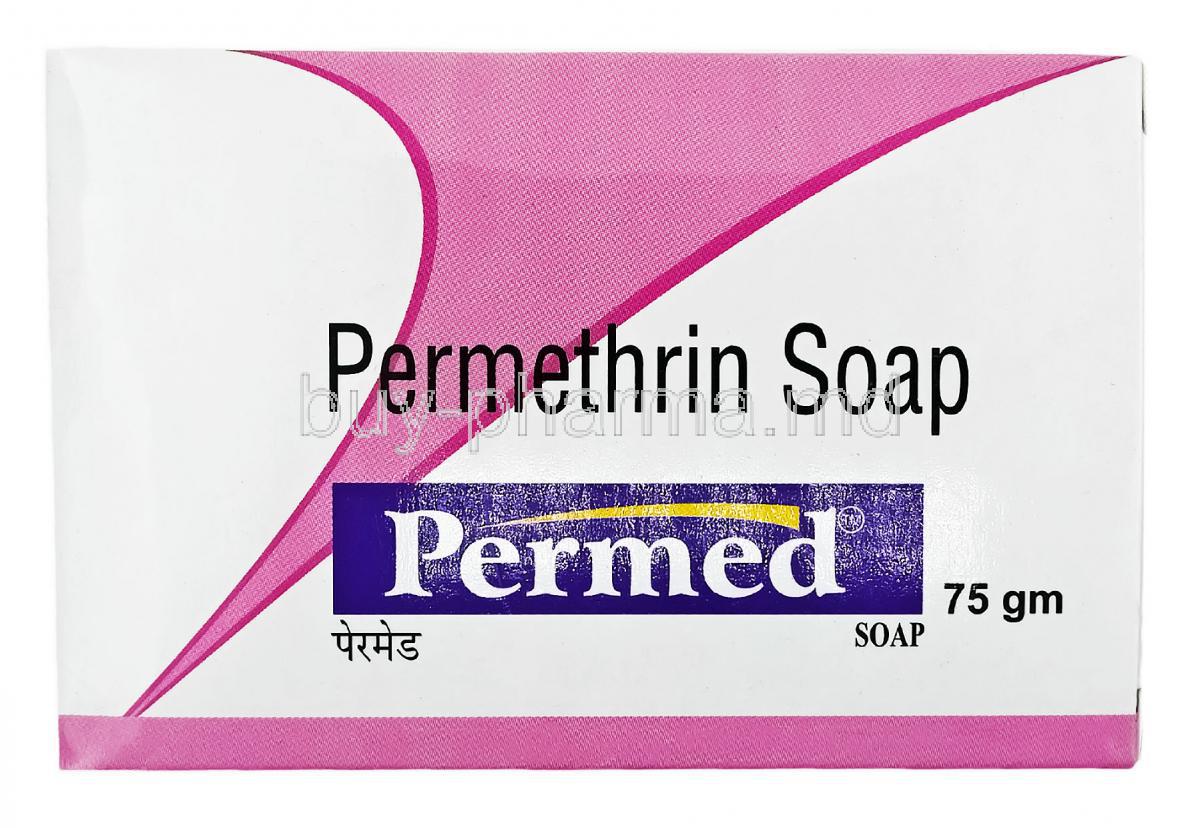
Permed Soap is a medicated cleansing product formulated with permethrin, a well-established topical antiparasitic agent. It is designed for the management of various ectoparasitic skin infestations and related dermatological conditions. The product combines therapeutic efficacy with routine hygiene, offering both treatment and supportive skin care.
Classified as a synthetic pyrethroid ectoparasiticide, permethrin is widely used for its potent activity against mites, lice, and other external parasites. Its clinical utility extends to conditions characterized by intense pruritus, inflammation, and parasitic colonization.
- Indicated for parasitic skin infestations and associated irritation
- Supports infection control and reinfestation prevention
- Enhances hygiene during treatment cycles
Accurate diagnosis prior to use is essential, as inappropriate treatment may delay recovery or obscure underlying dermatological disorders. In clinical and community settings, Permed Soap also contributes to broader infection containment strategies.
2. Composition and Formulation
2.1 Active Ingredient
The primary therapeutic component is permethrin, typically incorporated at a concentration effective for ectoparasite eradication. Permethrin exhibits strong lipophilicity, enabling efficient penetration into the exoskeletons and membranes of parasites while maintaining minimal systemic absorption in humans.
2.2 Inactive Ingredients
The formulation includes a dermatologically compatible soap base designed to cleanse without excessive irritation. Supporting excipients may include:
- Mild surfactants for effective cleansing
- Skin-conditioning agents to reduce dryness
- Stabilizers and preservatives to maintain product integrity
These components ensure therapeutic delivery while preserving the skin barrier.
2.3 Physical Characteristics
Permed Soap typically presents as a solid medicated bar with a uniform texture and mild fragrance. The formulation is engineered for stability under normal storage conditions, maintaining consistent potency throughout its shelf life.
3. Mechanism of Action: How Permed Soap Works
Permethrin exerts its antiparasitic effect through selective neurotoxicity. It interferes with the function of voltage-gated sodium channels in the nerve cells of parasites, leading to delayed repolarization, paralysis, and eventual death.
This mechanism is highly effective against:
- Scabies mites
- Lice species
- Other cutaneous ectoparasites
Human skin demonstrates limited systemic absorption, contributing to a favorable safety profile. Additionally, permethrin retains residual activity on the skin surface, offering short-term protection and aiding environmental control efforts.
Bifenthrin vs permethrin
Bifenthrin and Permethrin are both broad-spectrum synthetic pyrethroid insecticides that paralyze insects upon contact. Bifenthrin is generally superior for long-lasting outdoor residual control (especially on, termites, ants, and spiders) due to its high stability in sunlight and ability to bind to surfaces. Permethrin is best for fast knockdown,, indoor use, fabric treatment, and controlling mosquitoes.
Picaridin vs permethrin
Picaridin is a skin-applied repellent safe for skin, gear, and plastics, acting as a direct alternative to DEET. Permethrin is a contact insecticide used exclusively to pre-treat clothing, tents, and gear, lasting through multiple washes to kill insects on contact.
Deet vs permethrin
DEET and Permethrin are both highly effective, but serve different purposes: DEET is a repellent applied to skin for immediate, short-term protection (up to 12 hours) against insects like mosquitoes. Permethrin is a contact insecticide applied only to clothing/gear, lasting through multiple washings (up to 6 weeks) to kill ticks, mosquitoes, and flies.
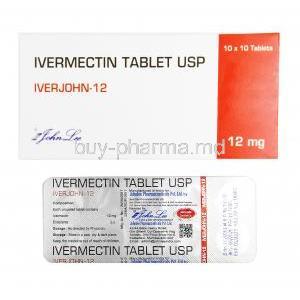
Permethrin vs ivermectin
Permethrin 5% cream and oral ivermectin are both highly effective, first-line, prescription treatments for scabies, with cure rates often exceeding 90% when applied/taken correctly. Permethrin is generally considered slightly more effective and acts as an ovicide (kills eggs), while ivermectin is often preferred for ease of use (no mess) and in institutional outbreaks.
4. Permed Soap Uses
4.1 Permed soap for Scabies
Permed Soap is used as part of a comprehensive regimen for Sarcoptes scabiei infestation. Regular cleansing helps reduce mite burden, remove crusts and debris, and alleviate severe itching associated with scabies.
4.2 Permethrin for lice
The product supports the management of lice infestations, including:
- Head lice (Pediculus humanus capitis)
- Body lice
- Pubic lice
Proper use helps eliminate parasites and improve scalp hygiene.
4.3 Prevention of Reinfection
During treatment cycles, medicated cleansing reduces the likelihood of reinfestation. Household control measures, including laundering clothing and bedding, are recommended to enhance outcomes.
5. Expanded and Off-Label Uses
5.1 Demodex-Related Skin Conditions
Permed Soap may be used under medical supervision for conditions associated with Demodex mite overgrowth, including:
- Demodicosis
- Rosacea linked to Demodex proliferation
5.2 Cutaneous Parasite Management
The product may assist in the management of minor ectoparasitic exposures such as chiggers or environmental mites, particularly in endemic regions.
5.3 Adjunct Use in Dermatological Conditions
Supportive cleansing may help reduce microbial colonization and irritation in parasitic dermatitis. In severe forms such as crusted scabies, use should occur under close medical supervision.
5.4 Environmental and Preventive Hygiene Use
In outbreak scenarios within institutions, shelters, or communal environments, medicated cleansing can support broader infection control strategies.
6. Permethrin Dosage and Administration Guidelines
6.1 General Directions for Use
Permed Soap is intended for external use. The affected area should be thoroughly wetted, followed by application to create a rich lather. Adequate contact time enhances therapeutic efficacy.
- Use as directed by a healthcare professional
- Avoid excessive or prolonged application
- Rinse thoroughly after use
6.2 Application Technique for Scabies
Whole-body cleansing is often recommended. Particular attention should be given to anatomical sites where mites commonly reside:
- Between fingers and toes
- Under nails
- Skin folds and creases
- Genital and periumbilical areas
6.3 Application for Lice Management
When used for lice support, the soap should be applied to the scalp and hair, ensuring complete coverage before rinsing.
6.4 Duration of Therapy and Re-treatment
Repeat application may be recommended after several days depending on clinical response. Persistent symptoms should be evaluated to rule out reinfestation or treatment resistance.
7. Handling and Administration Precautions
Permed Soap is strictly for external use. Precautionary measures include:
- Avoid contact with eyes, mouth, and mucous membranes
- Wash hands before and after application
- Use clean clothing, towels, and bedding after treatment
Maintaining personal hygiene and environmental cleanliness is critical to therapeutic success.
8. Storage and Stability
To preserve product quality:
- Store at room temperature in a dry location
- Protect from excessive heat, moisture, and direct sunlight
- Do not use beyond the expiration date
- Keep out of reach of children
Proper storage ensures stability and sustained efficacy.
9. Drug and Product Interactions
9.1 Interaction with Topical Medications
Concurrent use with medicated creams such as corticosteroids or antifungals may alter skin absorption dynamics. Clinical guidance is recommended when combining treatments.
9.2 Cosmetic and Skincare Product Interactions
Use of harsh cleansers, exfoliants, or irritant cosmetic products should be avoided, as these may increase skin sensitivity or reduce tolerance.
9.3 Systemic Drug Interaction Considerations
Due to minimal systemic absorption, significant systemic drug interactions are unlikely.
10. Permethrin Side Effects
10.1 Common Side Effects
Mild and transient reactions may occur, particularly during initial use:
- Skin irritation or redness
- Burning or stinging sensation
- Dryness or mild itching
10.2 Less Common Adverse Effects
- Tingling or numbness (paresthesia)
- Localized swelling
- Mild rash
10.3 Rare but Serious Reactions
Although uncommon, serious reactions may include:
- Allergic contact dermatitis
- Hypersensitivity reactions requiring medical attention
If severe irritation or allergic symptoms develop, use should be discontinued and medical advice sought promptly.
11. Warnings and Safety Information
Permed Soap should be used judiciously to minimize the risk of cutaneous adverse effects. Excessive or prolonged application may compromise the skin barrier and lead to irritation, dryness, or increased sensitivity. Although permethrin is generally well tolerated, improper or unnecessary use may provoke avoidable dermatological discomfort.
- Avoid frequent or repeated use beyond the recommended duration
- Discontinue temporarily if significant irritation occurs
- Allow the skin to recover if signs of overexposure develop
Application to broken, inflamed, ulcerated, or severely damaged skin should be avoided unless specifically advised by a healthcare professional. Compromised skin integrity may enhance absorption and increase the likelihood of adverse reactions.
Individuals with sensitive skin, eczema, dermatitis, or other chronic dermatological conditions should exercise particular caution. In such cases, careful monitoring is recommended to detect early signs of intolerance.
Effective management of parasitic infestations extends beyond individual treatment. Close contacts, household members, and sexual partners may require simultaneous evaluation and treatment to prevent reinfestation and interrupt transmission cycles.
Permethrin toxicity
Permethrin is a widely used pyrethroid insecticide, generally low in toxicity to humans but highly toxic to cats and aquatic life. It acts as a neurotoxin by causing neuronal excitation. In humans, exposure causes skin irritation (paresthesia), respiratory distress if inhaled, or gastrointestinal distress if ingested. Severe poisoning is rare in humans but, if it occurs, can involve seizures and tremors.
Symptoms of permethrin poisoning in humans
Signs and symptoms of poisoning following very high exposure include abnormal facial sensation, dizziness, salivation, headache, fatigue, vomiting, diarrhea, and irritability to sound and touch. Pulmonary edema, seizures, and fasciculations may occur in more severe cases.
12. Contraindications
Permed Soap is contraindicated in individuals with known hypersensitivity to permethrin, synthetic pyrethroids, or any component of the formulation. Prior allergic reactions, including severe skin irritation or contact dermatitis, warrant avoidance of further exposure.
- History of allergy to permethrin or related compounds
- Hypersensitivity to soap base ingredients or excipients
Use in infants below the recommended age should not occur without medical guidance. Immature skin physiology and increased permeability may elevate the risk of irritation or systemic exposure.
13. Careful Administration and Important Precautions
Therapeutic success depends on prudent and disciplined use. The lowest effective frequency should be employed to achieve clinical improvement while preserving skin integrity.
- Avoid continuous long-term use without professional supervision
- Do not exceed recommended treatment intervals
- Observe the skin for signs of worsening erythema, edema, or secondary infection
In parasitic conditions such as scabies or lice infestation, environmental control is indispensable. Reinfection may occur if contaminated materials are not properly managed.
- Launder clothing, bedding, and towels in hot water
- Dry items using high heat when possible
- Seal non-washable items in plastic bags for several days
These measures complement topical therapy and significantly improve treatment outcomes.
14. Administration in Special Populations
14.1 Use in Elderly Patients
Older adults often exhibit reduced skin hydration and increased fragility. This physiological vulnerability may predispose them to dryness, irritation, or delayed barrier recovery.
- Use gentle application techniques
- Monitor for excessive dryness or erythema
- Consider adjunctive moisturization if needed
14.2 Use During Pregnancy
Permethrin demonstrates minimal systemic absorption when applied topically, suggesting a low risk of systemic exposure. Nevertheless, use during pregnancy should be limited to situations where the therapeutic benefit outweighs any potential risk.
- Use only if clearly indicated
- Consult a healthcare professional prior to initiation
14.3 Use in Nursing Mothers
Precautions should be taken to prevent inadvertent exposure of the infant.
- Avoid application to the breast or nipple area
- Wash treated areas thoroughly before breastfeeding if contact is possible
These measures help ensure safe continuation of nursing.
14.4 Pediatric Use
Children may be more susceptible to skin irritation due to thinner epidermal layers. Age-appropriate use and careful supervision are essential.
- Follow recommended age guidelines
- Ensure correct application and thorough rinsing
- Prevent accidental ingestion or eye contact
15. Overdose and Excessive Exposure
Topical overdose is uncommon but may occur with excessive application frequency, prolonged contact, or use over large body surface areas. Overexposure may disrupt the skin barrier and intensify local reactions.
Potential signs include:
- Severe burning or stinging sensation
- Marked redness or swelling
- Persistent itching or dermatitis
In the event of excessive exposure:
- Wash the affected area thoroughly with mild soap and water
- Discontinue use immediately
- Seek medical attention if symptoms persist or worsen
16. Handling Precautions and Patient Counseling
Proper handling and patient education are essential components of effective treatment. Products should be disposed of responsibly to prevent accidental use or environmental contamination.
- Discard unused or expired product according to local waste guidelines
- Do not share medicated soap with others
- Store securely to prevent unintended access by children
Adherence to the prescribed treatment protocol is critical. Irregular use or premature discontinuation may lead to incomplete eradication and recurrence.
In addition, strict hygiene measures should be implemented:
- Change clothing and bedding daily during treatment
- Wash personal items in hot water
- Avoid sharing combs, towels, or garments
17. When to Seek Medical Advice
Professional evaluation should be obtained if symptoms do not improve or if unexpected complications arise. Persistent itching or lesions may indicate treatment failure, reinfestation, or an alternative diagnosis.
Medical consultation is recommended in the following situations:
- Symptoms persist after completion of treatment
- Signs of secondary bacterial infection such as pus, increased pain, or fever
- Severe skin reactions or suspected allergic response
- Repeated or recurrent infestations despite appropriate use
Timely medical assessment ensures accurate diagnosis and appropriate escalation of therapy when necessary.
Permed Soap, Permethrin FAQ
- What is permed soap used for?
- Can I use permethrin soap every day?
- What is permethrin soap used for on skin?
- Can we use Permed soap on the face?
- What are the side effects of permethrin soap?
- How long does permethrin soap take to work?
- How do you use permed soap?
- Can I use permethrin soap daily?
- What happens to your skin after using permethrin?
- Can you get permethrin over the counter?
- Where should you not apply permethrin?
- How long do you stay itchy after permethrin?
- How long does permethrin stay in the body?
What is permed soap used for?
It is used to treat scabies and head lice.
Can I use permethrin soap every day?
No
What is permethrin soap used for on skin?
It is used to treat scabies and head lice.
Can we use Permed soap on the face?
No
What are the side effects of permethrin soap?
- Itchiness
- Numbness
- Skin rashes
How long does permethrin soap take to work?
8 hours
How do you use permed soap?
- Gently rub the soap.
- Leave it on for 5 minutes
- Wash thoroughly.
Can I use permethrin soap daily?
No
What happens to your skin after using permethrin?
- Burning
- Stinging
Can you get permethrin over the counter?
Yes
Where should you not apply permethrin?
Do not apply on skin folds.
How long do you stay itchy after permethrin?
2-4 weeks
How long does permethrin stay in the body?
1 week
Customers also bought
Popular Products
Similar Product