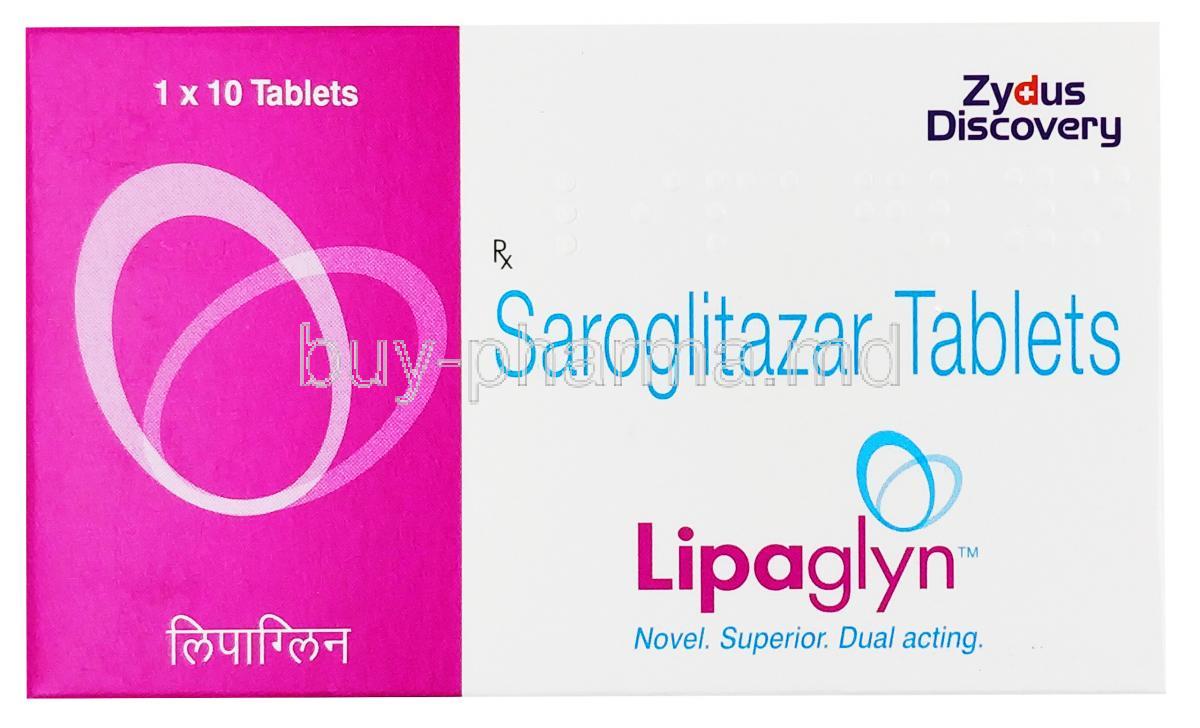
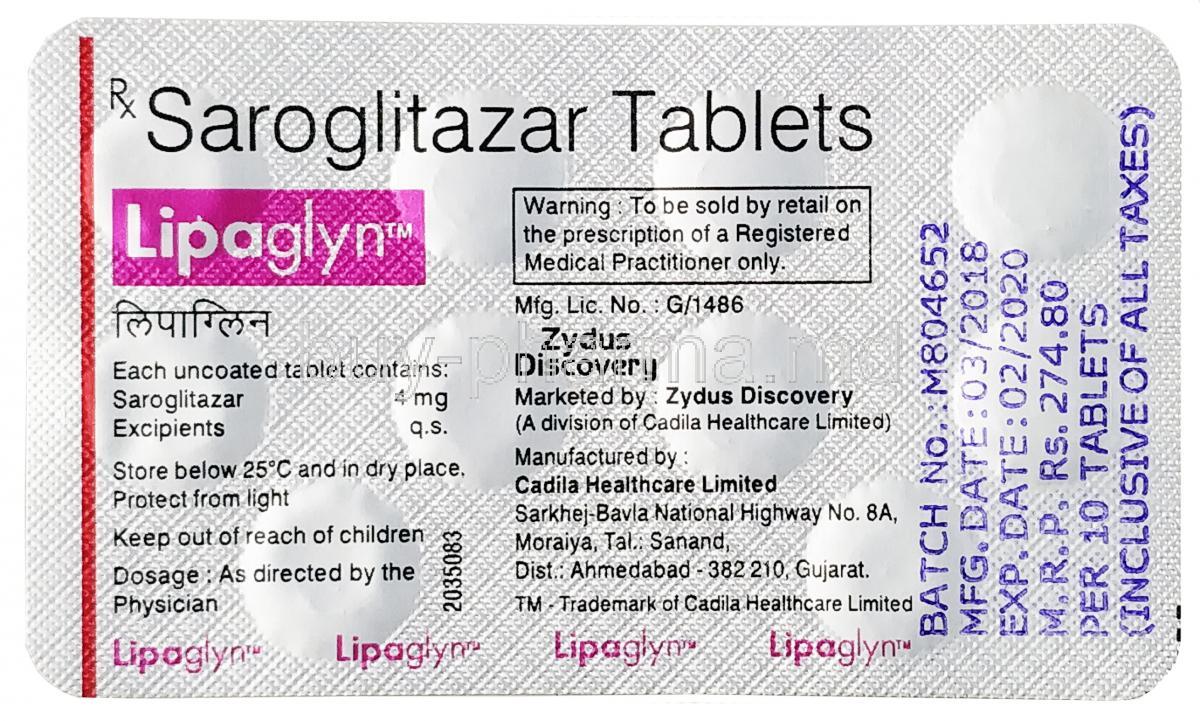

1. Introduction to Lipaglyn (Saroglitazar)
Lipaglyn is recognized as a novel metabolic regulator developed to address complex lipid abnormalities commonly observed in patients with type 2 diabetes mellitus. Unlike conventional lipid-lowering agents, it is designed to act on multiple metabolic pathways simultaneously, offering a broader therapeutic scope.
From a therapeutic classification perspective, Lipaglyn occupies a distinctive position as a dual peroxisome proliferator-activated receptor (PPAR) agonist. This unique pharmacological profile allows it to target both dyslipidemia and insulin resistance, conditions that frequently coexist and amplify cardiovascular risk.
The development of saroglitazar emerged from the need for agents that improve triglyceride levels without the adverse effects associated with earlier PPAR agonists. Following clinical evaluation, it gained regulatory approval in select markets for diabetic dyslipidemia, marking an important milestone in metabolic disease management.
2. Composition and Pharmaceutical Characteristics
The active pharmaceutical ingredient in Lipaglyn is saroglitazar magnesium, a synthetic molecule engineered for selective receptor modulation. It is formulated to ensure optimal bioavailability and consistent therapeutic exposure.
- Chemical class: Dual PPAR-α/PPAR-γ agonist
- Pharmacological action: Lipid and glucose metabolism regulation
Lipaglyn is available in oral tablet form, typically in low-dose strengths suitable for once-daily administration. The formulation includes carefully selected excipients that enhance stability, tablet integrity, and gastrointestinal tolerability, without contributing to pharmacological activity.
3. Mechanism of Action: How Saroglitazar Works
Saroglitazar exerts its therapeutic effects through dual activation of PPAR-α and PPAR-γ receptors, nuclear transcription factors that regulate genes involved in energy homeostasis. This bifunctional activity distinguishes it from single-receptor agents.
Activation of PPAR-α primarily enhances fatty acid oxidation and reduces hepatic triglyceride synthesis, leading to a marked reduction in circulating triglyceride levels. Concurrently, PPAR-γ activation improves insulin sensitivity in peripheral tissues, facilitating better glucose utilization.
In the liver, saroglitazar has been shown to attenuate lipid accumulation and inflammatory signaling. These effects may contribute to improvements in hepatic steatosis and overall metabolic resilience.
4. Approved Therapeutic Uses of Lipaglyn
Lipaglyn is approved for the treatment of diabetic dyslipidemia, particularly in patients who exhibit elevated triglyceride levels despite adequate glycemic control. It is especially valuable where conventional lipid therapies are insufficient or poorly tolerated.
Another key indication is the management of hypertriglyceridemia in individuals with type 2 diabetes mellitus. By addressing triglycerides and insulin resistance concurrently, Lipaglyn supports comprehensive metabolic control.
In patients with mixed dyslipidemia and underlying insulin resistance, Lipaglyn serves as a targeted option that addresses both lipid abnormalities and metabolic dysfunction in a coordinated manner.
5. Expanded and Off-Label Uses of Saroglitazar
Beyond its approved indications, saroglitazar has attracted attention for potential off-label applications. One area of interest is non-alcoholic fatty liver disease (NAFLD), where its effects on hepatic lipid metabolism may offer clinical benefit.
In more advanced liver pathology, such as non-alcoholic steatohepatitis (NASH), saroglitazar is being explored for its ability to reduce inflammation and lipid-induced hepatocellular injury. These uses remain investigational in many regions.
- Supportive management of metabolic syndrome
- Dyslipidemia in non-diabetic patients (off-label)
- Adjunctive therapy in patients with residual cardiovascular risk
Such applications require careful clinical judgment and ongoing monitoring, as long-term outcome data are still evolving.
6. Dosage and Administration Guidelines
The standard recommended dosage of Lipaglyn is typically administered once daily by oral route. Dosing is designed to achieve metabolic efficacy while minimizing receptor overstimulation.
Dose adjustments may be considered based on individual metabolic response, lipid profile changes, and tolerability. Administration is generally independent of meals, offering flexibility and improved adherence.
Treatment duration is usually long-term, with therapeutic goals centered on sustained triglyceride reduction, improved insulin sensitivity, and mitigation of cardiometabolic risk factors.
7. Administration in Special Populations
7.1 Administration to Elderly Patients
In elderly patients, age-related pharmacokinetic changes such as reduced hepatic metabolism may influence drug exposure. Although dose modification is not routinely required, vigilant monitoring is recommended.
Periodic assessment of liver enzymes and lipid parameters is advised to ensure continued safety and efficacy in this population.
7.2 Administration to Pregnant Women and Nursing Mothers
Clinical data on the use of saroglitazar during pregnancy are limited. As a precautionary measure, its use is generally avoided unless the potential benefit justifies the potential risk to the fetus.
During breastfeeding, discontinuation or alternative therapy is typically recommended due to the absence of definitive safety data regarding excretion into human milk.
7.3 Administration to Children and Adolescents
The safety and efficacy of Lipaglyn in pediatric populations have not been firmly established. As a result, its use in children and adolescents is not routinely recommended.
Current limitations include the lack of standardized dosing guidelines and long-term safety data in younger age groups.
8. Common Side Effects of Lipaglyn
Most adverse effects associated with Lipaglyn are mild to moderate in intensity and transient in nature. Gastrointestinal symptoms, such as nausea or abdominal discomfort, are among the most frequently reported.
Some patients may experience mild weight changes, often reflecting underlying metabolic adjustments rather than direct drug-induced effects.
Laboratory findings may include modest alterations in liver enzymes or lipid fractions, underscoring the importance of routine biochemical monitoring.
9. Other and Less Common Side Effects
Less commonly, elevations in hepatic transaminases have been observed, particularly during the initial phases of therapy. These changes are usually reversible with dose adjustment or discontinuation.
Musculoskeletal complaints, such as myalgia or joint discomfort, have been reported infrequently. Peripheral edema and fluid retention may occur, especially in susceptible individuals.
Rare or post-marketing adverse reactions continue to be evaluated through pharmacovigilance programs, contributing to an evolving safety profile as clinical experience expands.
10. Drug Interactions
Saroglitazar is commonly prescribed alongside other metabolic agents, making an understanding of potential drug interactions essential for safe and effective therapy. When used with antidiabetic medications such as metformin, sulfonylureas, or insulin, additive improvements in glycemic control may occur. While this is often beneficial, it necessitates vigilance for hypoglycemic episodes in susceptible patients.
Concomitant use with statins and fibrates is generally well tolerated and frequently employed in patients with complex dyslipidemia. However, clinicians should remain attentive to:
- Potential additive effects on liver enzymes
- Rare musculoskeletal complaints when combined with fibrates
Saroglitazar undergoes limited cytochrome P450 (CYP) metabolism, reducing the likelihood of clinically significant CYP-mediated interactions. Nevertheless, caution is advisable when administered with agents that strongly induce or inhibit hepatic enzymes, as interindividual variability may influence drug exposure.
Special consideration is warranted when Lipaglyn is co-administered with hepatotoxic drugs. Concurrent use may amplify hepatic stress, underscoring the importance of routine liver function surveillance in such clinical scenarios.
11. Warnings and Safety Information
Hepatic safety represents a central consideration during saroglitazar therapy. Transient elevations in liver transaminases have been reported, particularly during the early treatment phase. Persistent or progressive abnormalities warrant prompt evaluation and potential discontinuation.
From a cardiovascular standpoint, saroglitazar is generally considered neutral to beneficial in patients with metabolic risk factors. However, individuals with advanced cardiac disease should be monitored closely, as long-term cardiovascular outcome data continue to evolve.
In patients with renal impairment, saroglitazar may be used with caution. Although dose adjustment is not routinely required in mild to moderate renal dysfunction, periodic assessment of renal parameters is prudent.
Comprehensive monitoring during therapy should include:
- Liver function tests at baseline and periodically thereafter
- Lipid profile evaluation to assess therapeutic response
- Glycemic parameters to detect excessive glucose lowering
12. Contraindications
Lipaglyn is contraindicated in individuals with known hypersensitivity to saroglitazar or any of the formulation excipients. Hypersensitivity reactions, although uncommon, may present with cutaneous or systemic manifestations.
Severe hepatic impairment represents a clear contraindication due to the drug’s hepatic mechanism of action and the risk of exacerbating underlying liver dysfunction.
Additionally, conditions in which modulation of PPAR pathways is deemed inappropriate—such as certain advanced inflammatory or metabolic disorders—may preclude the use of saroglitazar. Clinical judgment is essential in these settings.
13. Careful Administration and Important Precautions
Before initiating therapy, a thorough baseline assessment should be conducted. This includes evaluation of liver enzymes, lipid parameters, and glycemic status to establish reference values and identify pre-existing abnormalities.
During treatment, periodic monitoring of liver function tests is strongly recommended. Early detection of hepatocellular stress allows timely intervention and reduces the risk of serious complications.
Ongoing assessment of lipid and glycemic indices helps determine therapeutic efficacy and guides potential dose adjustments. These evaluations are particularly important during long-term therapy.
A structured risk–benefit evaluation should be revisited regularly, especially in patients receiving prolonged treatment or those with multiple comorbidities. This ensures that continued therapy remains clinically justified.
14. Overdosage Information
Clinical experience with saroglitazar overdose is limited. In theory, excessive exposure may result in an exaggeration of its pharmacological effects, including pronounced lipid lowering or alterations in glucose metabolism.
Laboratory abnormalities associated with overdose may include elevated liver enzymes or atypical changes in lipid and glycemic parameters. Such findings necessitate close biochemical monitoring.
Management of overdose is primarily supportive and symptomatic. There is no specific antidote. General measures include:
- Clinical observation and vital sign monitoring
- Laboratory evaluation of hepatic and metabolic markers
- Supportive care tailored to presenting symptoms
15. Storage and Stability
Lipaglyn tablets should be stored at controlled room temperature, in accordance with manufacturer recommendations. Excessive heat may compromise drug stability and therapeutic potency.
Protection from moisture and direct light is essential to preserve the integrity of the formulation. Tablets should remain in their original packaging until use.
Shelf-life considerations should be observed strictly, and expired medication should not be consumed, as chemical degradation may alter safety and efficacy.
16. Handling Precautions
Safe handling and dispensing practices help maintain product quality and minimize contamination. Tablets should be handled with clean, dry hands and dispensed using appropriate pharmacy procedures.
Patient counseling plays a critical role in effective therapy. Key points include:
- Adherence to prescribed dosing schedules
- Avoidance of unapproved dose escalation
- Prompt reporting of unusual symptoms
Unused or expired medication should be disposed of in accordance with local pharmaceutical waste regulations. Improper disposal may pose environmental or safety risks and should be avoided.
Lipaglyn, Saroglitazar FAQ
Customers also bought
Popular Products
Similar Product