1. Introduction to Lupimeg (Imeglimin)
1.1 Overview of Imeglimin as a Novel Antidiabetic Agent
Lupimeg, containing imeglimin, represents a distinctive advancement in the pharmacotherapy of type 2 diabetes mellitus. Unlike conventional agents, it operates through a multifaceted mechanism targeting core metabolic dysfunctions. Its emergence has introduced a new paradigm in glycemic control, emphasizing mitochondrial modulation alongside traditional pathways.
1.2 Therapeutic Class and Position in Diabetes Management
Imeglimin belongs to a novel class often referred to as “glimins.” It occupies an intermediary position between insulin sensitizers and secretagogues. This dual functionality allows it to be utilized across various stages of disease progression, either as a standalone therapy or in combination regimens.
1.3 Regulatory Approval Status and Global Availability
The drug has achieved regulatory approval in select regions, particularly in Asia, where its clinical efficacy has been extensively evaluated. Availability continues to expand as additional data supports its safety profile and therapeutic utility.
1.4 Key Benefits Compared to Traditional Antidiabetic Drugs
Imeglimin offers several advantages over established therapies:
- Reduced risk of hypoglycemia when used alone
- Improvement in both insulin sensitivity and secretion
- Favorable tolerability profile
- Potential mitochondrial protective effects
2. Composition and Formulation
2.1 Active Ingredient: Imeglimin Hydrochloride
The principal active compound is imeglimin hydrochloride, a small-molecule agent designed to modulate cellular energy metabolism and glucose homeostasis.
2.2 Available Strengths and Dosage Forms
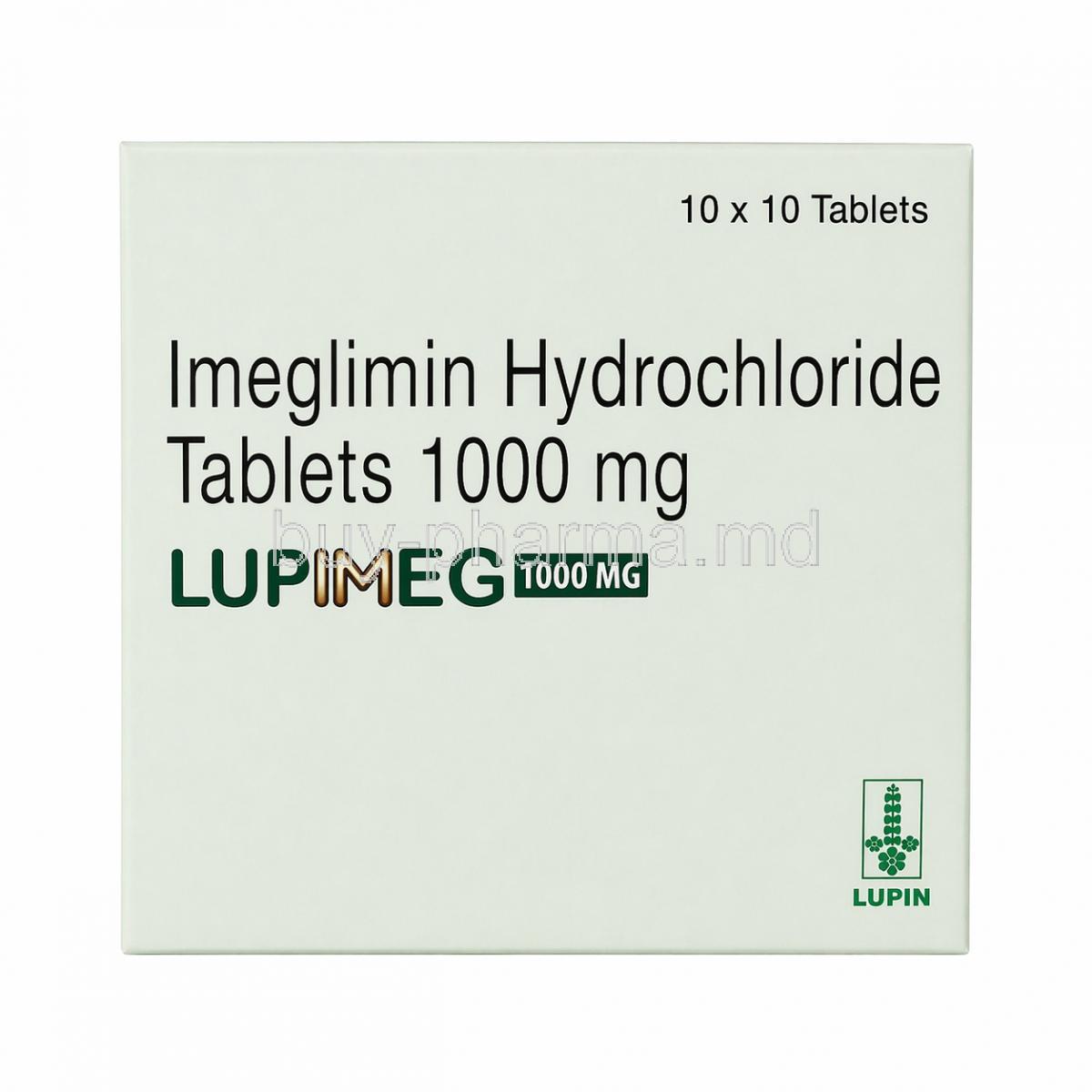
Lupimeg is typically available in oral tablet form, with standardized strengths to facilitate dosing flexibility and titration according to patient needs.
2.3 Excipients and Pharmaceutical Characteristics
Excipients are selected to ensure stability, bioavailability, and manufacturability. These may include binders, fillers, and coating agents that contribute to consistent drug release and absorption.
2.4 Packaging and Presentation
The medication is commonly packaged in blister packs or bottles, designed to preserve integrity and protect against environmental factors such as moisture and light.
3. Mechanism of Action (How It Works)
3.1 Dual Mechanism Targeting Insulin Resistance and Secretion
Imeglimin uniquely enhances insulin sensitivity while simultaneously augmenting pancreatic beta-cell function. This bifunctional mechanism addresses two fundamental defects in type 2 diabetes.
3.2 Effects on Mitochondrial Bioenergetics
The drug exerts modulatory effects on mitochondrial respiration, improving cellular energy efficiency and reducing oxidative stress—an often overlooked contributor to metabolic dysfunction.
3.3 Enhancement of Glucose-Stimulated Insulin Secretion
Imeglimin promotes insulin release in a glucose-dependent manner. This minimizes the likelihood of excessive insulin secretion under normoglycemic conditions.
3.4 Reduction of Hepatic Glucose Production
Hepatic gluconeogenesis is attenuated, leading to decreased endogenous glucose output. This effect contributes significantly to fasting glucose control.
3.5 Impact on Peripheral Glucose Uptake
Peripheral tissues, particularly skeletal muscle, demonstrate improved glucose uptake, enhancing overall glycemic equilibrium.
4. Approved Uses of Lupimeg (Imeglimin)
4.1 Management of Type 2 Diabetes Mellitus
The primary indication is the management of type 2 diabetes, where it aids in achieving and maintaining target glycemic levels.
4.2 Use as Monotherapy in Newly Diagnosed Patients
In early-stage disease, imeglimin may be utilized alone, particularly in patients intolerant to first-line therapies.
4.3 Combination Therapy with Other Oral Antidiabetic Agents
It is frequently combined with agents such as metformin or DPP-4 inhibitors to enhance therapeutic efficacy.
4.4 Adjunct Therapy with Insulin
Imeglimin can complement insulin therapy by improving insulin sensitivity and reducing required insulin doses.
4.5 Glycemic Control in Patients with Insulin Resistance
Patients exhibiting pronounced insulin resistance may benefit significantly due to the drug’s targeted metabolic effects.
5. Expanded and Off-Label Uses
5.1 Potential Role in Prediabetes and Early Metabolic Syndrome
Emerging evidence suggests a role in delaying disease progression in high-risk individuals.
5.2 Use in Patients with Cardiometabolic Risk Factors
Its favorable metabolic profile may confer ancillary benefits in patients with dyslipidemia or hypertension.
5.3 Investigational Use in Non-Alcoholic Fatty Liver Disease (NAFLD)
Preliminary studies indicate possible improvements in hepatic steatosis through metabolic modulation.
5.4 Potential Benefits in Polycystic Ovary Syndrome (PCOS)
Insulin resistance being central to PCOS, imeglimin may offer therapeutic advantages in select cases.
5.5 Adjunctive Use in Obesity-Related Insulin Resistance
The drug may enhance metabolic outcomes in obese individuals with impaired glucose tolerance.
5.6 Emerging Research in Mitochondrial Dysfunction Disorders
Its mitochondrial effects are being explored in conditions characterized by cellular energy deficits.
6. Dosage and Administration
6.1 Standard Recommended Dosage for Adults
Typical dosing involves twice-daily administration, with adjustments based on clinical response and tolerability.
6.2 Dose Titration and Adjustment Guidelines
Gradual titration may be employed to minimize gastrointestinal discomfort and optimize therapeutic outcomes.
6.3 Administration with or without Food
The medication is generally taken with meals to enhance tolerability and reduce gastrointestinal side effects.
6.4 Missed Dose Instructions
If a dose is missed:
- Take it as soon as remembered
- Skip if close to the next scheduled dose
- Avoid double dosing
6.5 Duration of Therapy and Long-Term Use Considerations
Long-term therapy is often required. Continuous monitoring ensures sustained efficacy and safety.
7. Side Effects of Lupimeg (Imeglimin)
7.1 Overview of Adverse Reaction Profile
Imeglimin is generally well tolerated, with most adverse events being mild to moderate in intensity.
7.2 Gastrointestinal Side Effects
Commonly reported gastrointestinal disturbances include:
- Nausea
- Diarrhea
- Abdominal discomfort
7.3 Metabolic and Endocrine Effects
Hypoglycemia is uncommon unless combined with other glucose-lowering agents.
7.4 Neurological and Systemic Reactions
Occasional symptoms such as headache or dizziness may occur but are typically transient.
8. Common Side Effects
8.1 Nausea and Vomiting
These symptoms often diminish with continued use as the body acclimates.
8.2 Diarrhea and Abdominal Discomfort
Transient gastrointestinal upset is among the most frequently observed effects.
8.3 Fatigue and Weakness
Generalized fatigue may occur but is usually mild.
8.4 Headache and Dizziness
Neurological symptoms are infrequent and rarely necessitate discontinuation.
8.5 Mild Hypoglycemia (in Combination Therapy)
Risk increases when used alongside insulin or sulfonylureas.
9. Drug Interactions
9.1 Interaction with Other Antidiabetic Medications
Synergistic effects may enhance glycemic control but require careful monitoring.
9.2 Effects When Combined with Insulin Therapy
Insulin dosage adjustments may be necessary to prevent hypoglycemia.
9.3 Interaction with Renally Excreted Drugs
Competition for renal excretion pathways may influence drug levels.
9.4 Alcohol and Its Impact on Glycemic Control
Alcohol consumption may potentiate metabolic disturbances and should be moderated.
9.5 Potential Pharmacokinetic Interactions
Although limited, potential interactions with other agents should be evaluated on a case-by-case basis.
10. Warnings and Safety Considerations
10.1 Risk of Lactic Acidosis (Comparative Assessment)
While less pronounced than with some agents, vigilance is warranted in high-risk patients.
10.2 Use in Patients with Renal Impairment
Renal function should be assessed prior to and during therapy.
10.3 Hepatic Dysfunction Considerations
Use with caution in patients with compromised liver function.
10.4 Risk of Hypoglycemia in Combination Regimens
Combination therapy necessitates careful dose optimization and monitoring.
10.5 Monitoring Requirements During Therapy
Routine assessments should include:
- Blood glucose levels
- Renal function tests
- Liver enzyme evaluations
11. Contraindications
11.1 Known Hypersensitivity to Imeglimin
Lupimeg (imeglimin) must not be administered to individuals with a documented hypersensitivity to imeglimin or any of its formulation components. Allergic reactions may manifest rapidly or insidiously and can include:
- Cutaneous eruptions such as rash or urticaria
- Angioedema affecting the face, lips, or airway
- Severe hypersensitivity reactions, including anaphylaxis
Immediate discontinuation is imperative upon suspicion of an allergic response.
11.2 Severe Renal Impairment or End-Stage Renal Disease
Patients with advanced renal dysfunction exhibit impaired drug clearance, leading to potential accumulation and toxicity. The use of imeglimin is contraindicated in individuals with end-stage renal disease due to heightened safety concerns and insufficient clinical data.
11.3 Patients with Acute Metabolic Acidosis
Acute metabolic acidosis, including diabetic ketoacidosis, represents a critical contraindication. In such states, metabolic derangements are profound, and the introduction of imeglimin may exacerbate physiological instability.
11.4 Severe Hepatic Dysfunction
Significant hepatic impairment may alter drug metabolism and increase systemic exposure. Patients with severe liver dysfunction should avoid this medication due to the risk of unpredictable pharmacokinetics.
11.5 Conditions Predisposing to Tissue Hypoxia
Clinical conditions associated with reduced oxygen delivery—such as severe cardiac failure or respiratory insufficiency—require avoidance of imeglimin. Hypoxic states can potentiate metabolic complications and compromise safety.
12. Careful Administration (Use with Caution)
12.1 Patients with Moderate Renal Dysfunction
In individuals with moderate renal impairment, cautious administration is warranted. Dose adjustments and periodic renal monitoring are essential to prevent accumulation.
12.2 Individuals with Cardiovascular Disease
Patients with underlying cardiovascular pathology may require close observation. While imeglimin may offer metabolic benefits, vigilance is necessary due to potential hemodynamic variability.
12.3 Patients with Gastrointestinal Disorders
Pre-existing gastrointestinal conditions may be exacerbated. Symptoms such as nausea or diarrhea may intensify, particularly during treatment initiation.
12.4 Individuals with Chronic Illness or Frailty
Frail patients or those with multiple comorbidities often demonstrate altered pharmacodynamic responses. Conservative dosing and individualized assessment are recommended.
12.5 Concomitant Use with Multiple Antidiabetic Agents
Polypharmacy increases the complexity of glycemic management. When combined with other glucose-lowering agents:
- Risk of hypoglycemia may increase
- Dose adjustments may be required
- Frequent monitoring becomes indispensable
13. Important Precautions for Safe Use
13.1 Regular Monitoring of Blood Glucose Levels
Consistent monitoring ensures optimal glycemic control and early detection of therapeutic inefficacy or adverse reactions. Both fasting and postprandial glucose levels should be evaluated.
13.2 Kidney and Liver Function Monitoring
Periodic assessment of renal and hepatic function is crucial. These parameters influence drug metabolism and excretion, thereby affecting safety and efficacy.
13.3 Avoidance of Alcohol Excess
Excessive alcohol intake can destabilize glycemic control and exacerbate metabolic disturbances. Patients are advised to limit consumption to reduce risk.
13.4 Recognition of Early Signs of Adverse Effects
Prompt identification of symptoms such as persistent gastrointestinal discomfort, fatigue, or dizziness allows for timely intervention and dose modification.
13.5 Patient Education and Compliance Strategies
Effective therapy relies on adherence. Patients should be educated on:
- Proper dosing schedules
- Dietary considerations
- Recognition of warning signs
- The importance of routine follow-up
14. Administration to Special Populations
14.1 Administration to Elderly Patients
14.1.1 Dose Adjustments Based on Renal Function
Elderly individuals often exhibit diminished renal function. Dose individualization based on estimated glomerular filtration rate is essential to prevent drug accumulation.
14.1.2 Increased Sensitivity and Monitoring Needs
Heightened pharmacological sensitivity may occur in geriatric populations. Regular monitoring for adverse reactions and therapeutic response is recommended.
14.2 Administration to Pregnant Women and Nursing Mothers
14.2.1 Safety Profile in Pregnancy
Data regarding the use of imeglimin during pregnancy remain limited. Use should be considered only when the potential benefit justifies the potential risk to the fetus.
14.2.2 Considerations During Lactation
It is unknown whether imeglimin is excreted in breast milk. Caution is advised, and alternative therapies may be considered depending on clinical necessity.
14.2.3 Risk-Benefit Assessment
Clinical decision-making should involve a thorough evaluation of maternal benefits versus fetal or neonatal risks, emphasizing individualized care.
14.3 Administration to Pediatric Patients
14.3.1 Lack of Established Safety and Efficacy
There is insufficient evidence supporting the use of imeglimin in pediatric populations. Routine use is not recommended in this group.
14.3.2 Clinical Considerations in Adolescents
If considered in exceptional circumstances, careful monitoring and specialist consultation are required due to limited data.
15. Overdosage and Emergency Management
15.1 Symptoms of Imeglimin Overdose
Overdose may present with nonspecific but concerning symptoms, including:
- Severe gastrointestinal distress
- Dizziness or confusion
- Metabolic disturbances
15.2 Immediate Management Strategies
Prompt medical evaluation is critical. Initial steps may include discontinuation of the drug and supportive measures.
15.3 Supportive and Symptomatic Treatment
Management is largely supportive, focusing on stabilization of vital parameters and correction of metabolic abnormalities.
15.4 When to Seek Emergency Medical Attention
Emergency care should be sought if severe symptoms develop, particularly altered consciousness or persistent metabolic imbalance.
16. Storage and Stability
16.1 Recommended Storage Conditions
Lupimeg should be stored at controlled room temperature, away from direct sunlight and environmental extremes.
16.2 Protection from Moisture and Heat
Exposure to humidity or excessive heat can compromise drug stability. Storage in original packaging is advisable.
16.3 Shelf Life and Expiry Considerations
Adherence to labeled expiry dates ensures therapeutic efficacy and safety. Expired medications should not be used.
16.4 Safe Disposal Practices
Unused or expired tablets should be disposed of in accordance with local pharmaceutical waste guidelines to prevent environmental contamination.
17. Handling Precautions
17.1 Safe Handling and Administration Guidelines
Tablets should be handled with clean, dry hands and taken as prescribed. Crushing or splitting should only be done if recommended.
17.2 Precautions for Caregivers and Healthcare Providers
Caregivers should ensure proper administration and monitor for adverse effects, particularly in dependent patients.
17.3 Avoiding Contamination and Improper Use
Maintaining hygiene during handling reduces the risk of contamination and ensures medication integrity.
17.4 Packaging Integrity and Inspection
Before use, packaging should be inspected for damage or tampering. Compromised products should not be consumed.
18. Clinical Effectiveness and Patient Outcomes
18.1 Glycemic Control and HbA1c Reduction
Clinical studies have demonstrated meaningful reductions in HbA1c levels, reflecting improved long-term glycemic control.
18.2 Impact on Insulin Sensitivity
Imeglimin enhances insulin responsiveness in peripheral tissues, contributing to improved metabolic homeostasis.
18.3 Long-Term Efficacy Data
Longitudinal data suggest sustained efficacy with continued use, without significant attenuation of therapeutic effect.
18.4 Comparative Effectiveness with Other Agents
When compared with traditional therapies, imeglimin offers a balanced profile of efficacy and tolerability, making it a valuable addition to the antidiabetic armamentarium.
Lupimeg, Imeglimin FAQ
Customers also bought


Popular Products



Similar Product