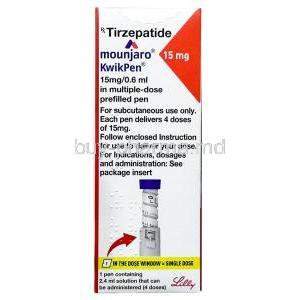


Introduction to Lirafit Prefilled Pen Injection (Liraglutide)
Lirafit Prefilled Pen Injection contains liraglutide, a modern pharmacological agent designed to address complex metabolic dysregulation. It is widely utilized in the management of chronic glycemic disorders. The formulation offers a convenient, patient-centric delivery system that supports adherence and precision in dosing.
Overview of Liraglutide as a GLP-1 Receptor Agonist
Liraglutide belongs to the class of glucagon-like peptide-1 (GLP-1) receptor agonists. These agents mimic endogenous incretin hormones. Their action enhances glucose-dependent insulin secretion while suppressing inappropriate glucagon release.
- Stimulates insulin secretion in response to meals
- Reduces postprandial glucose excursions
- Supports physiological glycemic regulation
Brand Positioning and Generic Equivalence
Lirafit is positioned as a cost-effective alternative to branded liraglutide formulations. It maintains pharmacodynamic equivalence while offering improved accessibility. This ensures therapeutic continuity without compromising clinical efficacy.
Therapeutic Classification and Indications
The medication is classified as an antidiabetic incretin mimetic. It is indicated for metabolic disorders characterized by impaired glucose homeostasis, particularly type 2 diabetes mellitus.
Mechanism-Based Benefits in Metabolic Disorders
By targeting incretin pathways, liraglutide exerts pleiotropic effects. These include glycemic stabilization, weight modulation, and cardiometabolic improvements. The multifactorial action distinguishes it from traditional antidiabetic therapies.
Composition and Formulation Details
The formulation is engineered to ensure stability, bioavailability, and ease of administration. Each component serves a specific functional purpose.
Active Ingredient: Liraglutide – Structure and Properties
Liraglutide is a long-acting GLP-1 analog with a fatty acid side chain. This modification facilitates albumin binding and prolongs its half-life. The result is sustained receptor activation with once-daily dosing.
Excipients and Stabilizing Components
The formulation includes excipients that maintain isotonicity and chemical stability. These components prevent degradation and ensure consistent therapeutic delivery.
Prefilled Pen Delivery System Design
The prefilled pen is ergonomically designed for subcutaneous administration. It allows accurate dose selection and minimizes user error. The device enhances patient autonomy and compliance.
Available Strengths and Packaging Configurations
Lirafit is available in standardized concentrations suitable for titration. Packaging typically includes multi-dose pens designed for repeated use under proper hygienic conditions.
How Lirafit (Liraglutide) Works
The pharmacological activity of liraglutide is mediated through GLP-1 receptor engagement, resulting in coordinated metabolic effects.
Mechanism of Action: GLP-1 Receptor Activation
Liraglutide binds to GLP-1 receptors in pancreatic beta cells. This interaction triggers intracellular signaling pathways that enhance insulin secretion in a glucose-dependent manner.
Effects on Insulin Secretion and Glucagon Suppression
The drug promotes insulin release when blood glucose levels are elevated. Simultaneously, it suppresses glucagon secretion, thereby reducing hepatic glucose output.
- Improves fasting and postprandial glucose levels
- Reduces glycemic variability
Role in Gastric Emptying and Appetite Regulation
Liraglutide slows gastric emptying. This prolongs satiety and reduces caloric intake. The central nervous system effects further modulate appetite signals.
Impact on Body Weight and Glycemic Control
Patients often experience gradual weight reduction alongside improved glycemic indices. This dual benefit enhances overall metabolic outcomes.
Approved Uses of Lirafit Prefilled Pen Injection
Lirafit is clinically indicated for the management of metabolic disorders, particularly those associated with insulin resistance.
Management of Type 2 Diabetes Mellitus
The primary indication is type 2 diabetes mellitus. It is used to improve glycemic control in adult patients when lifestyle interventions alone are insufficient.
Glycemic Control as Monotherapy or Combination Therapy
Liraglutide may be prescribed as monotherapy or in combination with other antidiabetic agents. These include metformin, sulfonylureas, or insulin.
Reduction of Cardiovascular Risk in Diabetic Patients
Clinical data suggest a reduction in major adverse cardiovascular events. This makes it a valuable option in high-risk populations.
Role in Long-Term Metabolic Disease Management
Long-term use contributes to sustained glycemic stability. It also supports weight management and reduces complications associated with chronic hyperglycemia.
Expanded Uses and Off-Label Applications of Liraglutide
Beyond approved indications, liraglutide has been explored in various metabolic and endocrine conditions.
Weight Management and Obesity Treatment (Non-Diabetic Patients)
Liraglutide is frequently used for weight reduction in individuals without diabetes. It promotes satiety and reduces caloric intake.
Polycystic Ovary Syndrome (PCOS) and Insulin Resistance
In PCOS, it improves insulin sensitivity and may assist in weight reduction. This contributes to hormonal balance.
Non-Alcoholic Fatty Liver Disease (NAFLD/NASH)
Emerging evidence suggests potential benefits in reducing hepatic steatosis and inflammation.
Prediabetes and Metabolic Syndrome Prevention
Liraglutide may delay progression from prediabetes to overt diabetes. It addresses multiple components of metabolic syndrome.
Appetite Suppression and Behavioral Weight Control
Central appetite modulation supports behavioral interventions. This enhances adherence to dietary regimens.
Investigational Use in Neurodegenerative Disorders
Preliminary studies are exploring its neuroprotective potential. These applications remain under investigation.
Adjunct Therapy in Bariatric Surgery Programs
It may be used pre- or post-operatively to optimize weight loss outcomes and metabolic control.
Dosage and Administration Guidelines
Appropriate dosing is essential to maximize efficacy while minimizing adverse effects.
Recommended Starting Dose and Titration Schedule
Treatment typically begins with a low dose. Gradual titration reduces gastrointestinal side effects and improves tolerability.
Maintenance Dose Based on Therapeutic Response
The maintenance dose is individualized. It depends on glycemic targets and patient response.
Injection Technique Using Prefilled Pen
The medication is administered subcutaneously. Proper technique ensures optimal absorption.
- Inject into abdomen, thigh, or upper arm
- Use a new needle for each injection
- Avoid intramuscular administration
Timing of Administration (With or Without Meals)
Lirafit can be administered regardless of meals. Consistency in timing is recommended for optimal results.
Missed Dose Instructions
If a dose is missed, it should be taken as soon as remembered. If the next scheduled dose is قريب, the missed dose should be skipped.
Dose Adjustments in Special Populations
Adjustments may be required in patients with renal or hepatic impairment. Clinical monitoring is advised.
Administration Considerations and Best Practices
Proper administration enhances safety and therapeutic outcomes.
Rotation of Injection Sites (Abdomen, Thigh, Upper Arm)
Rotating injection sites prevents lipodystrophy. It also ensures consistent absorption.
Proper Handling of the Prefilled Pen Device
The pen should be stored and handled according to manufacturer guidelines. This preserves drug stability.
Patient Training and Self-Administration Guidance
Patients should receive thorough instruction on device use. This minimizes errors and improves confidence.
Disposal of Needles and Sharps Safety
Used needles must be disposed of in designated sharps containers. This reduces the risk of injury and infection.
Common Side Effects of Lirafit Injection
Lirafit (liraglutide) is generally well tolerated. However, like all pharmacological agents, it may produce adverse effects, particularly during the initial phase of therapy. These reactions are often transient and diminish as physiological adaptation occurs.
Gastrointestinal Effects (Nausea, Vomiting, Diarrhea)
Gastrointestinal disturbances represent the most frequently reported adverse events. These effects are mechanistically linked to delayed gastric emptying and central satiety signaling.
- Nausea, often mild to moderate in intensity
- Intermittent vomiting, particularly during dose escalation
- Diarrhea or occasional constipation
Symptoms typically attenuate with continued use and gradual titration.
Reduced Appetite and Weight Loss Effects
Appetite suppression is a pharmacodynamic hallmark of liraglutide. While therapeutically beneficial, it may lead to unintended caloric restriction in some individuals.
Weight reduction is usually gradual. Excessive or rapid weight loss should be clinically evaluated.
Injection Site Reactions
Localized reactions may occur at the site of administration. These include erythema, pruritus, or mild swelling.
- Usually self-limiting
- Reduced by rotating injection sites
Mild Hypoglycemia (Especially in Combination Therapy)
When used in conjunction with insulin or sulfonylureas, the risk of hypoglycemia increases. Symptoms may include dizziness, tremor, and diaphoresis.
Serious and Rare Side Effects
Although uncommon, certain adverse effects require immediate medical attention. Vigilant monitoring is essential.
Risk of Pancreatitis and Pancreatic Disorders
Acute pancreatitis has been reported. Patients should be monitored for persistent abdominal pain radiating to the back.
Thyroid C-Cell Tumors and Neoplasm Concerns
Preclinical studies suggest a potential association with thyroid C-cell hyperplasia. Clinical relevance in humans remains under evaluation.
Severe Hypoglycemia Risk Factors
Severe hypoglycemia is rare but may occur under specific conditions:
- Combination with insulin therapy
- Inadequate caloric intake
- Excessive physical exertion
Renal Impairment and Dehydration
Fluid loss due to gastrointestinal symptoms may exacerbate renal dysfunction. Adequate hydration is crucial.
Hypersensitivity Reactions and Anaphylaxis
Hypersensitivity reactions may manifest as rash, angioedema, or anaphylaxis. Immediate discontinuation is required in severe cases.
Drug Interactions and Influencing Factors
Lirafit may interact with concomitant medications, altering therapeutic outcomes.
Interaction with Oral Antidiabetic Agents (Sulfonylureas, Insulin)
Concurrent use increases the risk of hypoglycemia. Dose adjustments may be necessary.
Delayed Gastric Emptying and Impact on Drug Absorption
Liraglutide slows gastric emptying. This can affect the absorption kinetics of orally administered drugs.
Interaction with Antihypertensives and Cardiovascular Drugs
Changes in weight and glycemic control may influence blood pressure regulation and cardiovascular pharmacotherapy.
Alcohol and Its Effect on Glycemic Control
Alcohol consumption may potentiate hypoglycemia or destabilize glycemic control. Moderation is advised.
Influence of Concomitant Weight-Loss Medications
Combined use with other weight-loss agents may amplify gastrointestinal side effects or metabolic changes.
Warnings and Safety Considerations
Appropriate clinical vigilance is required to mitigate risks associated with therapy.
Black Box Warning (If Applicable) and Clinical Significance
Some liraglutide formulations carry warnings related to thyroid tumors. These warnings underscore the need for patient selection and monitoring.
Risk in Patients with Thyroid Disorders
Patients with pre-existing thyroid abnormalities should be evaluated carefully before initiation.
Monitoring for Pancreatic Symptoms
Early recognition of pancreatitis symptoms is critical for preventing complications.
Risk of Gallbladder Disease
Rapid weight loss may increase the risk of gallstones. Monitoring is recommended.
Cardiovascular Monitoring Requirements
Although beneficial in many cases, cardiovascular status should be periodically assessed.
Contraindications of Lirafit Prefilled Pen
Certain conditions preclude the use of liraglutide due to safety concerns.
Known Hypersensitivity to Liraglutide or Excipients
Patients with documented hypersensitivity must avoid this medication.
History of Medullary Thyroid Carcinoma (MTC)
Use is contraindicated in individuals with a personal or family history of MTC.
Multiple Endocrine Neoplasia Syndrome Type 2 (MEN 2)
This genetic condition increases the risk of endocrine tumors, making liraglutide unsuitable.
Severe Gastrointestinal Disorders
Conditions such as gastroparesis may be exacerbated due to delayed gastric emptying.
Careful Administration (Use with Caution)
Specific populations require cautious use and enhanced monitoring.
Use in Patients with Renal Impairment
Dose adjustments may be necessary. Renal function should be assessed regularly.
Hepatic Dysfunction Considerations
Limited data exist in hepatic impairment. Clinical discretion is advised.
Patients with History of Pancreatitis
Recurrent pancreatitis risk necessitates cautious use or avoidance.
Use in Individuals with Eating Disorders
Appetite suppression may exacerbate underlying conditions.
Monitoring in Patients with Cardiovascular Disease
Close observation is recommended to ensure hemodynamic stability.
Important Precautions for Safe Use
Adherence to precautionary measures enhances therapeutic safety.
Gradual Dose Escalation to Minimize Side Effects
Slow titration reduces gastrointestinal intolerance and improves compliance.
Importance of Adherence to Prescribed Regimen
Consistent dosing ensures optimal pharmacodynamic effects.
Monitoring Blood Glucose and Weight Changes
Regular monitoring allows timely adjustments in therapy.
Avoiding Abrupt Discontinuation
Sudden cessation may lead to glycemic instability.
Lifestyle Modifications (Diet and Exercise Integration)
Pharmacotherapy should be complemented by dietary and physical activity interventions.
Administration to Elderly Patients
Geriatric patients may exhibit altered pharmacokinetics and increased sensitivity.
Dose Considerations in Geriatric Population
Lower initial doses may be appropriate.
Increased Sensitivity to Adverse Effects
Elderly individuals may experience more pronounced side effects.
Monitoring Renal Function and Hydration Status
Regular evaluation is essential to prevent complications.
Administration to Pregnant Women and Nursing Mothers
Use during pregnancy and lactation requires careful risk-benefit assessment.
Safety Profile During Pregnancy
Limited human data are available. Use only if clearly indicated.
Potential Risks to Fetus and Clinical Recommendations
Potential fetal risks necessitate cautious consideration.
Use During Breastfeeding and Lactation Considerations
Excretion in breast milk is not well established. Clinical judgment is required.
Alternative Therapies and Risk-Benefit Assessment
Safer alternatives may be preferred when available.
Administration to Pediatric Patients
Pediatric use is subject to regulatory approvals and clinical evaluation.
Approved Age Groups and Restrictions
Use is generally restricted to specific age groups based on clinical data.
Safety and Efficacy in Adolescents
Evidence supports use in selected adolescent populations.
Monitoring Growth and Development
Regular assessment ensures normal developmental progression.
Overdosage and Emergency Management
Overdose requires prompt recognition and appropriate intervention.
Symptoms of Liraglutide Overdose
- Severe nausea and vomiting
- Hypoglycemia
- Dehydration
Immediate Management Strategies
Supportive care and symptom management are the mainstay.
Supportive Care and Monitoring
Close monitoring of vital signs and glucose levels is essential.
When to Seek Emergency Medical Attention
Severe or persistent symptoms warrant immediate medical evaluation.
Storage and Stability Guidelines
Proper storage ensures drug efficacy and safety.
Recommended Storage Temperature Conditions
Store in a refrigerator prior to first use. Avoid freezing.
Shelf Life Before and After First Use
After opening, the pen may be used within a specified period as per manufacturer guidelines.
Protection from Light and Heat
Keep away from direct sunlight and excessive heat.
Storage During Travel
Use insulated carriers to maintain temperature stability.
Handling Precautions and Safety Measures
Proper handling minimizes risks of contamination and injury.
Safe Handling of Injection Devices
Follow instructions for use to ensure safe administration.
Avoiding Contamination and Infection
Maintain strict hygiene during injection preparation.
Proper Disposal of Used Pens and Needles
Dispose of sharps in approved containers.
Patient Education on Hygiene Practices
Educating patients promotes safe and effective use of the medication.
Lirafit Prefilled Pen Injection,Liraglutide FAQ
Customers also bought

Popular Products
Similar Product