
1. Introduction to Ketocip (Ketoconazole)
1.1 Overview of Ketocip and Its Therapeutic Class
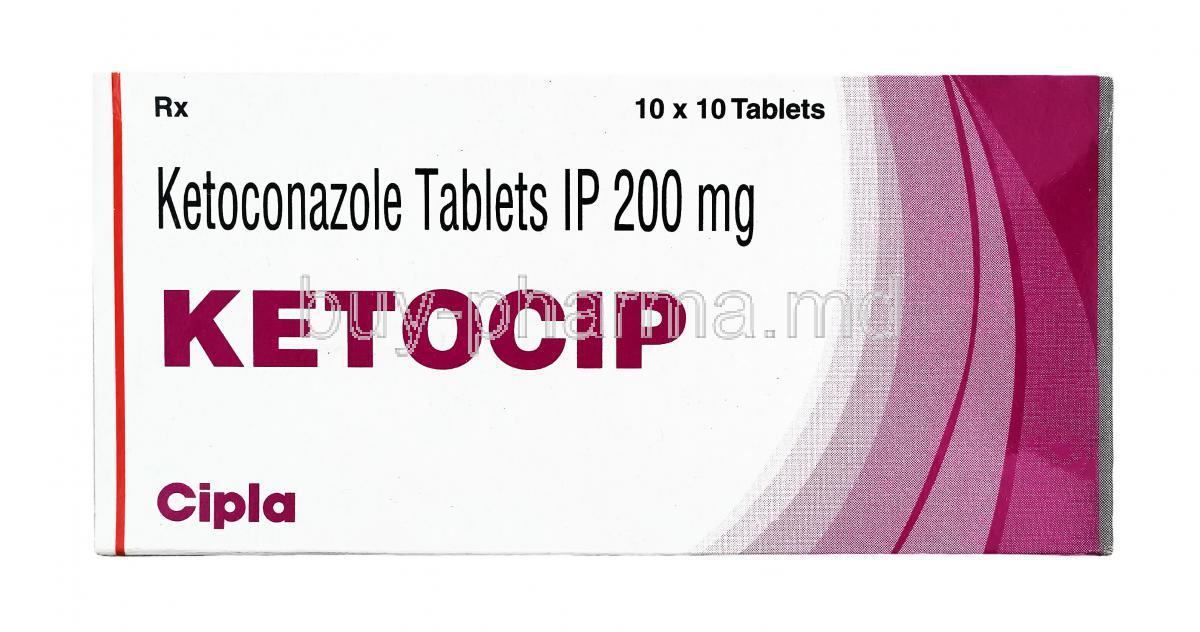
Ketocip is a pharmaceutical formulation containing ketoconazole, a broad-spectrum antifungal agent belonging to the imidazole class. It is widely utilized in dermatology and, in select cases, systemic therapy. Its primary role is to eradicate fungal pathogens and restore cutaneous equilibrium. Short courses are often sufficient. However, resistant or recurrent infections may necessitate prolonged intervention.
1.2 What is Ketoconazole: Antifungal Agent Classification
Ketoconazole is categorized under azole antifungals, specifically imidazoles. These agents interfere with fungal cell membrane synthesis. The classification is significant, as it delineates both therapeutic efficacy and potential adverse effects. Key characteristics include:
- Broad antifungal spectrum
- Activity against yeasts and dermatophytes
- Inhibition of sterol biosynthesis pathways
1.3 Historical Development and Clinical Relevance
Ketoconazole emerged as one of the first orally active antifungal agents, marking a paradigm shift in antifungal therapy. Its introduction expanded treatment options beyond topical-only regimens. Despite newer alternatives, it retains clinical utility, particularly in topical applications and niche endocrine disorders.
1.4 Brand vs Generic Ketoconazole Formulations
Both branded and generic versions of ketoconazole are widely available. While the active moiety remains identical, differences may exist in excipients, formulation stability, and cost-effectiveness. Generics are typically more economical, yet maintain comparable therapeutic outcomes when properly manufactured.
2. Composition and Formulations of Ketocip
2.1 Active Ingredient: Ketoconazole – Structure and Properties
Ketoconazole is a lipophilic compound with potent antifungal properties. Its molecular architecture enables efficient penetration into keratinized tissues such as skin and scalp. This lipophilicity enhances localized activity but also contributes to systemic bioavailability when administered orally.
2.2 Available Dosage Forms: Tablets, Cream, Shampoo, Lotion
Ketocip is available in multiple pharmaceutical forms, each tailored to specific clinical indications:
- Oral tablets for systemic infections
- Topical creams for localized skin conditions
- Medicated shampoos for scalp disorders
- Lotions for broader dermatological application
The versatility of these forms ensures targeted delivery and optimized efficacy.
2.3 Excipients and Inactive Ingredients
Excipients serve as stabilizers, emulsifiers, and absorption enhancers. These components vary by formulation and may influence tolerability. Although pharmacologically inert, they can occasionally provoke hypersensitivity reactions in susceptible individuals.
2.4 Strength Variations and Packaging Options
Ketoconazole formulations are available in varying strengths, commonly 1% or 2% for topical use. Oral tablets are typically standardized. Packaging ranges from tubes and bottles to sachets, facilitating convenience and adherence.
3. Mechanism of Action: How Ketocip Works
3.1 Inhibition of Ergosterol Synthesis in Fungal Cell Membranes
Ketoconazole inhibits the enzyme lanosterol 14α-demethylase, a critical catalyst in ergosterol biosynthesis. Ergosterol is an essential structural component of fungal cell membranes. Its depletion compromises membrane integrity, rendering the fungus vulnerable.
3.2 Disruption of Fungal Cell Integrity and Growth
By impairing membrane synthesis, ketoconazole induces increased permeability and cellular instability. This leads to leakage of intracellular contents. Eventually, fungal proliferation is halted. Cellular demise follows.
3.3 Fungistatic vs Fungicidal Effects
Ketoconazole exhibits predominantly fungistatic activity. It inhibits fungal growth rather than directly killing the organism. However, at higher concentrations or in susceptible strains, fungicidal effects may be observed.
3.4 Activity Against Yeasts, Dermatophytes, and Malassezia Species
The drug demonstrates efficacy against a diverse array of fungal pathogens, including:
- Dermatophytes causing ringworm infections
- Candida species responsible for yeast infections
- Malassezia species linked to dandruff and seborrheic dermatitis
4. Approved Medical Uses of Ketocip (Ketoconazole)
4.1 Treatment of Dermatophytosis (Ringworm, Athlete’s Foot, Jock Itch)
Ketocip is extensively used in the management of superficial fungal infections affecting keratinized tissues. These conditions are often pruritic and persistent. Prompt treatment alleviates symptoms and prevents transmission.
4.2 Management of Cutaneous Candidiasis
Cutaneous candidiasis, frequently occurring in moist intertriginous areas, responds well to ketoconazole therapy. Regular application reduces fungal load and restores normal skin flora.
4.3 Seborrheic Dermatitis and Dandruff Control (Ketoconazole Shampoo Uses)
Ketoconazole shampoos are a cornerstone in the treatment of seborrheic dermatitis. They target Malassezia species implicated in scalp inflammation. Benefits include:
- Reduction of flaking and scaling
- Alleviation of itching
- Improved scalp health
4.4 Treatment of Tinea Versicolor (Pityriasis Versicolor)
Tinea versicolor manifests as hypopigmented or hyperpigmented patches. Ketoconazole effectively eradicates the causative yeast, leading to gradual restoration of normal pigmentation.
4.5 Systemic Fungal Infections (Oral Ketoconazole – Restricted Use)
Oral ketoconazole is reserved for severe or refractory systemic fungal infections. Its use is limited due to safety concerns, particularly hepatotoxicity. Alternative antifungals are often preferred.
5. Expanded and Off-Label Uses of Ketoconazole
5.1 Hormonal Disorders: Cushing’s Syndrome Management
Ketoconazole inhibits steroidogenesis by blocking adrenal enzyme pathways. This property is exploited in the management of Cushing’s syndrome, where cortisol excess is detrimental.
5.2 Androgen-Related Conditions (Anti-Androgen Effects)
The drug exhibits anti-androgenic activity. It may be utilized in conditions characterized by androgen excess. These effects are mediated through inhibition of testosterone synthesis.
5.3 Treatment of Fungal Acne (Malassezia Folliculitis)
Malassezia folliculitis mimics acne but is fungal in origin. Ketoconazole offers targeted therapy, reducing inflammation and lesion count effectively.
5.4 Use in Chronic Recurrent Fungal Infections
In patients with recurrent infections, intermittent or maintenance therapy may be considered. This approach mitigates relapse risk and enhances long-term outcomes.
5.5 Potential Use in Prostate Cancer (Hormonal Suppression Context)
Ketoconazole has been investigated for its ability to suppress androgen production in prostate cancer. Although not first-line, it may serve as adjunctive therapy in specific scenarios.
5.6 Off-Label Dermatological Applications
Additional dermatological uses include:
- Management of pityrosporum-related conditions
- Adjunct therapy in inflammatory dermatoses
- Supportive treatment in scalp disorders
6. Dosage and Administration Guidelines
6.1 Recommended Dosage for Topical Formulations
Topical ketoconazole is typically applied once or twice daily, depending on the severity of the condition. Adequate coverage of the affected area is essential. Consistency is crucial for optimal therapeutic response.
6.2 Oral Ketoconazole Dosage (When Indicated)
Oral dosing varies based on the indication and patient profile. It is usually administered once daily with food to enhance absorption. Monitoring is mandatory due to potential systemic toxicity.
6.3 Frequency and Duration of Treatment
Treatment duration depends on infection type. Superficial infections may resolve within weeks, whereas systemic conditions require extended therapy. Premature discontinuation can lead to recurrence.
6.4 Application Instructions for Creams, Shampoos, and Lotions
Proper application enhances efficacy:
- Clean and dry the affected area before use
- Apply a thin, even layer
- For shampoos, allow contact time before rinsing
6.5 Missed Dose and Treatment Adherence Guidance
If a dose is missed, it should be applied as soon as remembered. Doubling doses is discouraged. Adherence to the prescribed regimen ensures sustained antifungal activity.
7. Side Effects of Ketocip (Ketoconazole)
7.1 Common Side Effects of Topical Use
Topical formulations are generally well tolerated. However, localized reactions may occur:
- Skin irritation, redness, itching
- Burning or stinging sensation
7.2 Common Side Effects of Oral Ketoconazole
Systemic administration may produce gastrointestinal and neurological symptoms:
- Nausea, vomiting, abdominal discomfort
- Headache and dizziness
7.3 Serious Adverse Effects
Serious complications, though less common, require vigilance:
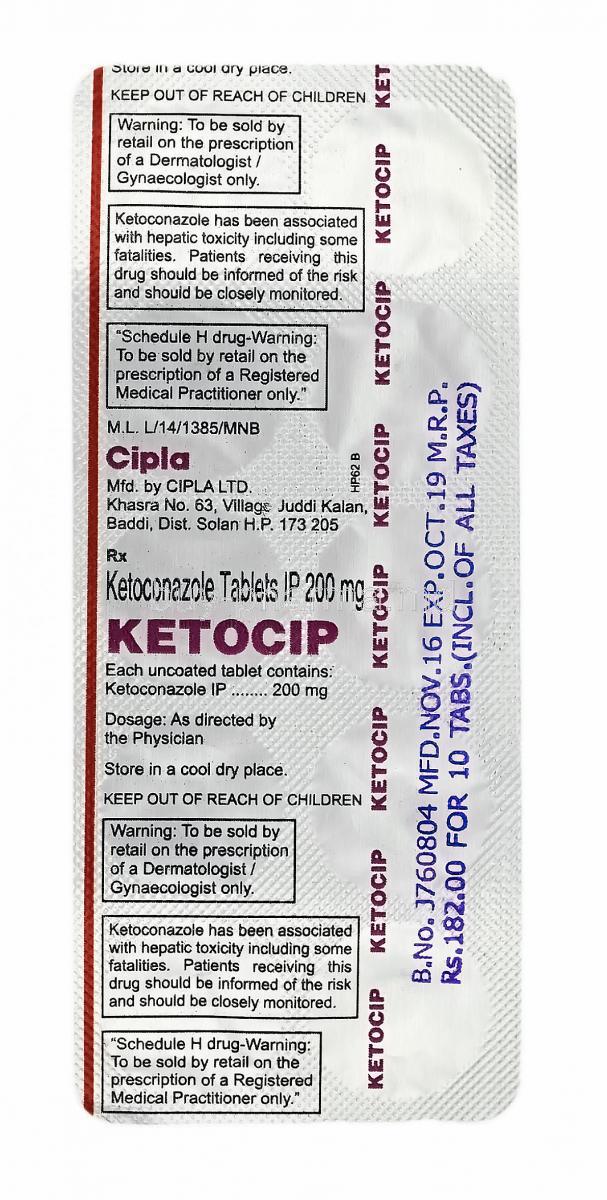
- Hepatotoxicity and liver enzyme elevation
- QT prolongation and cardiac disturbances
- Hormonal disturbances such as gynecomastia and adrenal suppression
7.4 Allergic Reactions and Hypersensitivity
Hypersensitivity reactions may manifest as rash, urticaria, or, rarely, anaphylaxis. Immediate discontinuation is warranted in such cases.
8. Drug Interactions and Compatibility
8.1 Interaction with CYP3A4 Substrates and Inhibitors
Ketoconazole is a potent inhibitor of CYP3A4 enzymes. This leads to increased plasma concentrations of co-administered drugs metabolized via this pathway, potentially resulting in toxicity.
8.2 Interaction with Antacids and Gastric pH Modifiers
Gastric acidity is essential for ketoconazole absorption. Antacids and proton pump inhibitors may reduce its bioavailability, diminishing therapeutic efficacy.
8.3 Interaction with Anticoagulants and Cardiovascular Drugs
Concurrent use with anticoagulants may potentiate bleeding risk. Cardiac medications metabolized by CYP3A4 require careful monitoring to avoid adverse outcomes.
8.4 Alcohol Interaction and Liver Toxicity Risk
Alcohol consumption exacerbates hepatic strain. Combined use increases the likelihood of liver injury. Abstinence is strongly advised during therapy.
8.5 Herbal Supplements and OTC Medication Considerations
Herbal products and over-the-counter medications may interact unpredictably. Disclosure of all concurrent therapies is essential to ensure safety.
9. Warnings and Safety Considerations
9.1 Risk of Severe Liver Toxicity with Oral Use
Oral ketoconazole carries a well-documented risk of hepatotoxicity. Regular monitoring of liver function tests is imperative. Early detection prevents irreversible damage.
9.2 Cardiac Risk: QT Interval Prolongation
The drug may prolong the QT interval, predisposing patients to arrhythmias. Caution is warranted in individuals with pre-existing cardiac conditions.
9.3 Restricted Use of Oral Ketoconazole in Many Guidelines
Due to safety concerns, many clinical guidelines restrict the use of oral ketoconazole. Alternative antifungals with improved safety profiles are often preferred.
9.4 Risk of Hormonal Imbalance with Long-Term Use
Prolonged therapy may disrupt endocrine function. Monitoring for signs of hormonal imbalance is recommended during extended use.
9.5 Avoidance in Non-Serious Fungal Infections (Oral Form)
Oral ketoconazole should not be used for minor infections. Topical formulations provide safer and equally effective alternatives in such cases.
10. Contraindications of Ketocip
10.1 Known Hypersensitivity to Ketoconazole or Formulation Components
Patients with documented hypersensitivity should avoid ketoconazole. Alternative antifungal agents should be considered.
10.2 Acute or Chronic Liver Disease
Pre-existing liver disease significantly increases the risk of hepatotoxicity. Use is contraindicated in such individuals.
10.3 Concomitant Use with Certain QT-Prolonging Drugs
Co-administration with QT-prolonging medications may lead to life-threatening arrhythmias. Such combinations must be avoided.
10.4 Pregnancy (Systemic Use Considerations)
Systemic ketoconazole is generally contraindicated during pregnancy due to potential teratogenic effects. Topical use may be considered with caution.
10.5 Drug Combinations Leading to Serious Interactions
Certain drug combinations may result in severe toxicity or diminished efficacy. A thorough medication review is essential prior to initiation.
11. Careful Administration (Use with Caution)
11.1 Patients with Mild to Moderate Hepatic Impairment
Ketoconazole undergoes extensive hepatic metabolism. In patients with compromised liver function, even mild impairment can alter pharmacokinetics significantly. Accumulation may occur. This increases the propensity for hepatotoxic sequelae.
- Baseline liver function assessment is essential
- Periodic monitoring is strongly recommended
- Dose adjustments may be required depending on clinical response
Even subtle elevations in liver enzymes should not be disregarded. Vigilance is paramount.
11.2 Individuals with Cardiac Disorders
Patients with underlying cardiac pathology require cautious administration. Ketoconazole has been associated with QT interval prolongation, a phenomenon that may precipitate arrhythmogenic events.
- Electrocardiographic monitoring may be warranted
- Avoid concomitant QT-prolonging agents
- Assess electrolyte imbalances prior to initiation
Cardiac stability must be ensured before therapy is commenced. Even transient disturbances can have clinical ramifications.
11.3 Patients on Polypharmacy Regimens
Polypharmacy introduces complexity. Ketoconazole is a potent inhibitor of cytochrome P450 enzymes, particularly CYP3A4. This interaction potential can amplify or diminish the effects of co-administered medications.
- Review all concurrent prescriptions and supplements
- Adjust dosing of interacting medications as needed
- Monitor for unexpected adverse reactions
Drug-drug interactions may be insidious. A comprehensive medication reconciliation is indispensable.
11.4 Immunocompromised Patients
In immunocompromised individuals, fungal infections may present atypically and progress rapidly. Ketoconazole may be effective, yet therapeutic outcomes can be unpredictable.
- Close clinical surveillance is required
- Longer treatment durations may be necessary
- Consider alternative or adjunctive antifungal therapy
Host immunity plays a critical role in infection resolution. Pharmacotherapy alone may not suffice.
11.5 Long-Term Use Monitoring Requirements
Prolonged administration necessitates systematic monitoring. Chronic exposure increases the risk of cumulative toxicity.
- Regular liver function testing
- Assessment of endocrine function
- Evaluation for signs of drug resistance
Therapy should be periodically reassessed. Continued use must be justified by clinical benefit.
12. Important Precautions for Safe Use
12.1 Monitoring Liver Function Tests (LFTs)
Routine monitoring of liver enzymes is a cornerstone of safe ketoconazole therapy. Early detection of hepatocellular injury allows for prompt intervention.
- Baseline LFTs prior to initiation
- Periodic follow-up assessments
- Immediate discontinuation if significant abnormalities arise
12.2 Avoidance of Alcohol During Therapy
Alcohol consumption potentiates hepatic burden. Concurrent use with ketoconazole increases the likelihood of liver injury. Abstinence is strongly advised throughout the treatment course.
12.3 Proper Hygiene and Application Techniques
Effective antifungal therapy is contingent upon appropriate application. Suboptimal technique may compromise outcomes.
- Cleanse and dry affected areas before application
- Use adequate quantity to cover the lesion
- Wash hands before and after application
12.4 Preventing Recurrence of Fungal Infections
Recurrence is a common challenge in fungal infections. Preventive strategies are essential for sustained remission.
- Maintain proper skin hygiene
- Avoid excessive moisture and occlusion
- Continue treatment for the full prescribed duration
12.5 Avoid Contact with Eyes and Mucous Membranes (Topical Forms)
Topical ketoconazole is intended for external use only. Accidental exposure to sensitive tissues may result in irritation or discomfort.
- Rinse thoroughly with water if contact occurs
- Do not apply to broken or ulcerated skin unless निर्देशed
13. Administration in Special Populations
13.1 Administration to Elderly Patients
Elderly individuals often exhibit altered pharmacokinetics due to age-related physiological changes. Drug metabolism and clearance may be diminished. Sensitivity to adverse effects is frequently heightened.
- Initiate therapy at the lower end of the dosing spectrum
- Monitor closely for signs of toxicity
- Adjust dosage based on tolerability and response
Clinical prudence is essential. Individualized dosing strategies improve safety profiles.
13.2 Administration to Pregnant Women and Nursing Mothers
The use of ketoconazole during pregnancy necessitates careful risk-benefit evaluation. Systemic exposure may pose potential risks to the developing fetus. Topical formulations, with minimal systemic absorption, are generally considered safer alternatives.
- Avoid oral ketoconazole unless absolutely necessary
- Use topical forms with caution
- Consider potential transfer into breast milk during lactation
13.3 Administration to Children
Pediatric use requires judicious consideration. Safety data may be limited, particularly for systemic formulations.
- Prefer topical formulations when appropriate
- Adjust dosing according to body weight and age
- Monitor for adverse effects and treatment efficacy
Therapeutic decisions should be individualized. Pediatric patients require meticulous oversight.
14. Overdosage and Toxicity Management
14.1 Symptoms of Ketoconazole Overdose
Overdose may manifest with a constellation of symptoms, ranging from mild gastrointestinal distress to severe systemic toxicity.
- Nausea, vomiting, and abdominal pain
- Dizziness and lethargy
- Elevated liver enzymes indicating hepatotoxicity
14.2 Immediate Management and Supportive Care
Prompt intervention is critical. Management is primarily supportive, focusing on stabilization and symptomatic relief.
- Discontinue the medication immediately
- Provide supportive care as საჭირო
- Monitor vital signs and organ function
14.3 Role of Gastric Lavage and Activated Charcoal
In cases of recent ingestion, decontamination measures may be considered. Gastric lavage and activated charcoal can reduce systemic absorption if administered promptly.
14.4 Monitoring for Hepatic and Cardiac Complications
Continuous monitoring is essential following overdose. Particular attention should be paid to hepatic and cardiac parameters.
- Serial liver function tests
- Electrocardiographic monitoring
- Assessment for delayed complications
15. Storage and Stability Information
15.1 Recommended Storage Conditions (Temperature and Humidity)
Ketocip should be stored under controlled conditions to maintain stability and efficacy. Environmental factors can influence drug integrity.
- Store at room temperature
- Protect from excessive heat and moisture
- Keep away from direct sunlight
15.2 Shelf Life and Expiry Considerations
Adherence to expiry dates is crucial. Degraded products may exhibit reduced potency or altered safety profiles. Expired medications should not be used.
15.3 Safe Handling and Disposal of Medication
Proper disposal prevents environmental contamination and accidental exposure. Unused or expired medication should be discarded according to local regulations.
- Do not flush medications unless instructed
- Use designated pharmaceutical disposal systems
15.4 Storage Guidelines for Different Formulations
Different formulations may have specific storage requirements. For instance, shampoos should be tightly sealed, while creams must be protected from contamination.
16. Handling Precautions and Patient Guidance
16.1 Safe Handling of Topical and Oral Forms
Proper handling minimizes contamination and preserves drug efficacy. Both topical and oral formulations require careful management.
- Avoid touching applicator tips
- Store medications securely out of reach of children
16.2 Avoiding Cross-Contamination in Fungal Infections
Fungal infections can spread through contact. Preventive measures are essential to limit transmission.
- Do not share personal items such as towels or clothing
- Maintain personal hygiene rigorously
16.3 Compliance and Treatment Completion Importance
Incomplete treatment is a common cause of recurrence. Adherence to the full therapeutic regimen is imperative, even if symptoms resolve early.
16.4 When to Seek Medical Attention During Treatment
Certain symptoms necessitate prompt medical evaluation. Patients should be educated on warning signs.
- Persistent or worsening symptoms
- Signs of liver dysfunction such as jaundice
- Severe allergic reactions
17. Summary and Key Clinical Takeaways
17.1 Benefits vs Risks of Ketoconazole Therapy
Ketoconazole offers potent antifungal activity across a broad spectrum of infections. However, its use must be balanced against potential risks, particularly with systemic administration.
17.2 Importance of Appropriate Indication Selection
Selecting the correct indication is critical. Topical formulations are preferred for superficial infections, while systemic use should be reserved for specific الحالات where benefits outweigh risks.
17.3 Patient Education and Long-Term Management Strategies
Effective management extends beyond pharmacotherapy. Patient education plays a pivotal role in ensuring adherence and preventing recurrence.
- Educate on proper application techniques
- Emphasize hygiene and preventive measures
- Encourage regular follow-up for chronic conditions
Sustained success requires a comprehensive, patient-centered approach.
Customers also bought


Popular Products


Similar Product