

1. Introduction to Mox (Amoxicillin)
What is Mox (Amoxicillin)?
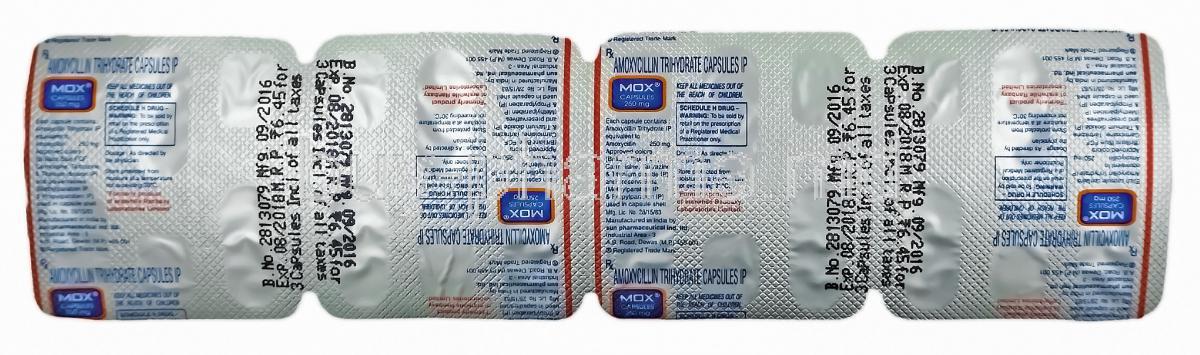
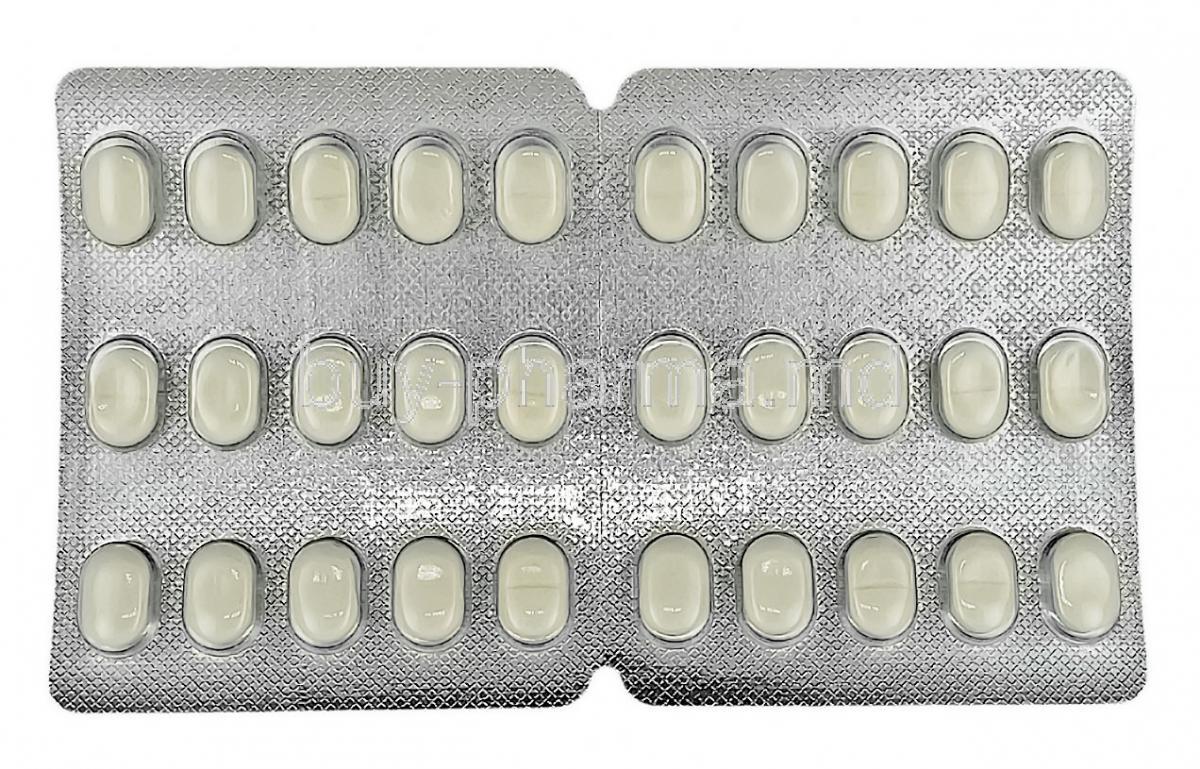
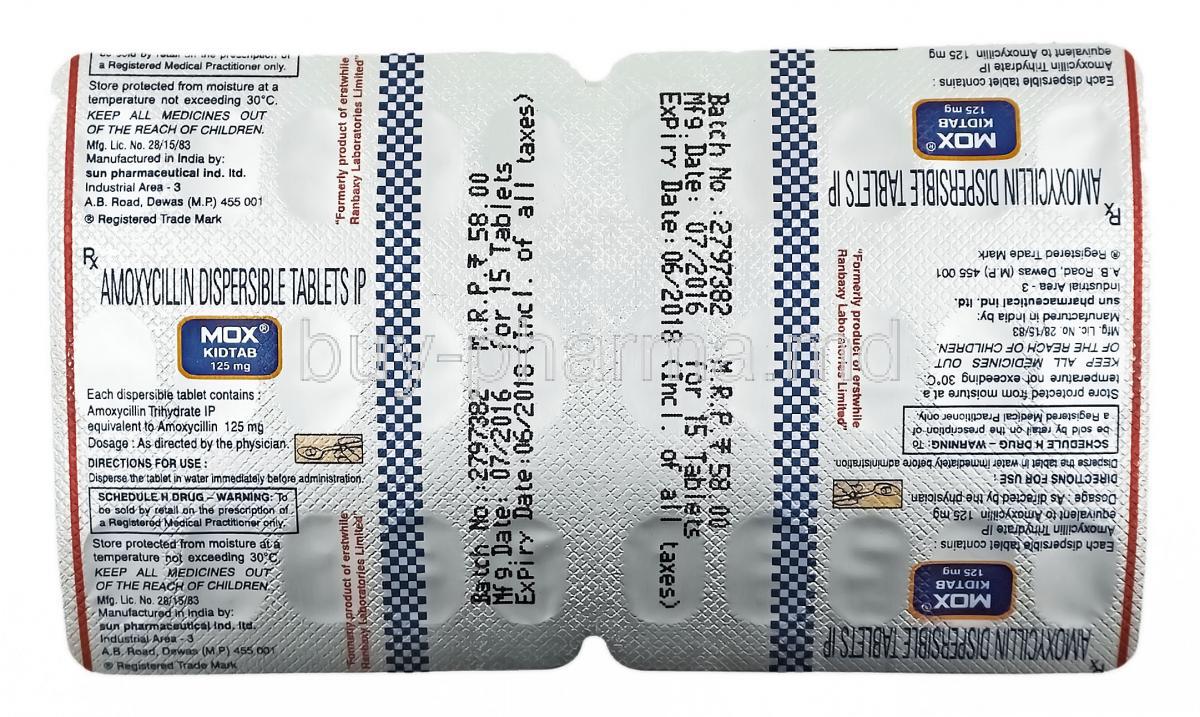
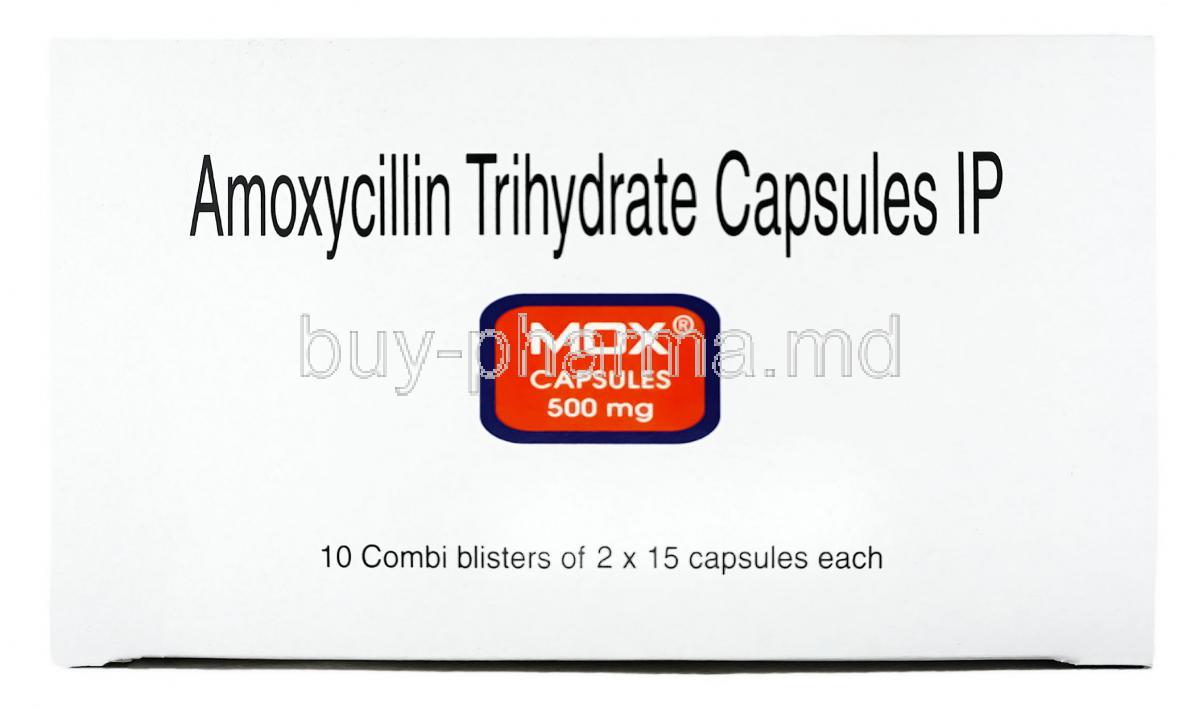
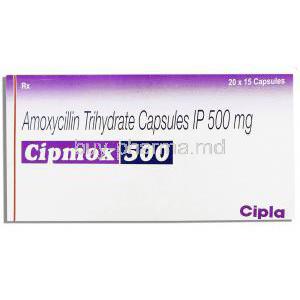
Mox is a pharmaceutical preparation containing amoxicillin, a widely prescribed antibacterial agent used for the treatment of numerous bacterial infections. It is valued for its predictable absorption, favorable safety profile, and broad clinical applicability across age groups. The medication is designed to eradicate susceptible microorganisms and reduce the progression of infectious disease.
Therapeutic Classification: Broad-Spectrum Penicillin Antibiotic
Amoxicillin belongs to the beta-lactam class of antibiotics, specifically the aminopenicillin subgroup. Its broad-spectrum activity allows coverage against a wide range of pathogenic organisms, making it a cornerstone therapy in primary care and hospital settings.
Key Clinical Benefits and Role in Modern Antimicrobial Therapy
- High oral bioavailability and reliable systemic distribution
- Effective against common community-acquired bacterial pathogens
- Suitable for adults, children, and elderly patients
- Well-established safety record across decades of clinical use
Its versatility and tolerability make it a first-line option for many uncomplicated infections.
Prescription Status and Medical Supervision Requirements
Mox is a prescription-only medication in most regions. Clinical evaluation is essential to confirm bacterial etiology, determine appropriate dosing, and minimize the risk of antimicrobial resistance or adverse reactions.
Overview of Common Brand and Generic Formulations
Amoxicillin is available under numerous brand names and generic equivalents. Generic formulations provide therapeutic equivalence while offering cost-effective treatment options.
2. Composition and Pharmaceutical Forms
Active Ingredient
The primary active component is amoxicillin, typically provided as amoxicillin trihydrate, which enhances stability and oral absorption.
Available Strengths and Dosage Forms
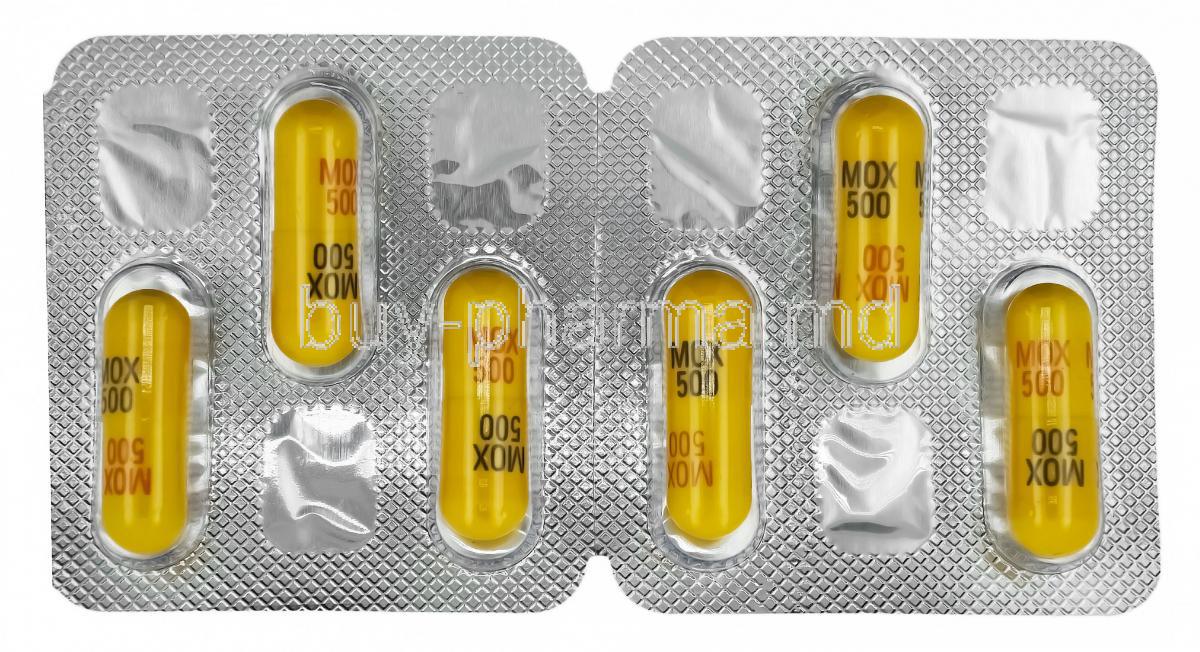
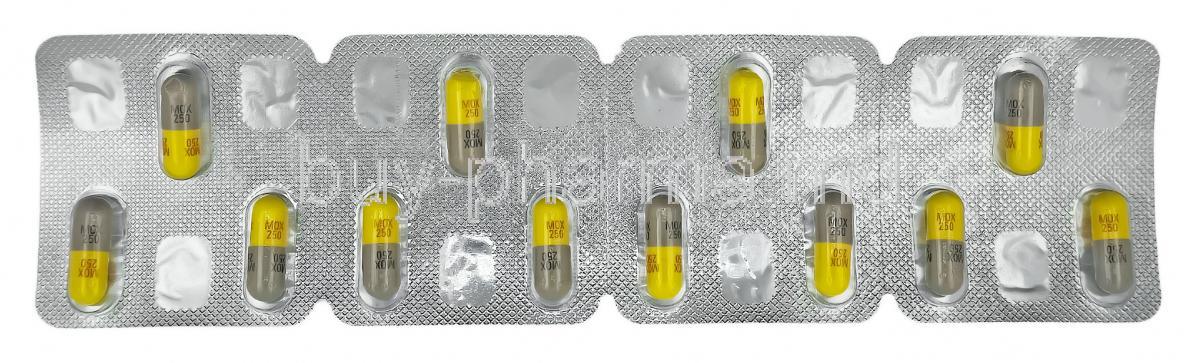
- Capsules
- Immediate-release tablets
- Dispersible tablets
- Oral suspension or dry syrup
- Pediatric liquid formulations
Excipients and Inactive Ingredients
Formulations may contain stabilizers, flavoring agents, sweeteners, or binding agents. These excipients improve palatability, especially in pediatric preparations, and ensure pharmaceutical stability.
Differences Between Adult and Pediatric Preparations
Pediatric formulations prioritize accurate weight-based dosing and improved taste. Adult preparations typically emphasize convenience and higher dosage strengths.
3. Mechanism of Action: How Mox (Amoxicillin) Works
Bactericidal Activity and Cell Wall Inhibition
Amoxicillin exerts bactericidal effects by disrupting bacterial cell wall synthesis. This leads to structural instability and eventual cell lysis.
Binding to Penicillin-Binding Proteins (PBPs)
The drug selectively binds to PBPs, enzymes essential for peptidoglycan cross-linking. Inhibition of these proteins halts bacterial proliferation.
Spectrum of Activity
- Gram-positive organisms such as Streptococcus species
- Selected Gram-negative organisms including Haemophilus influenzae and Escherichia coli
Prevention of Infection Spread
By rapidly reducing bacterial load, amoxicillin limits tissue invasion and systemic dissemination.
Antibiotic Resistance Considerations
Some bacteria produce beta-lactamase enzymes that degrade amoxicillin. Judicious prescribing and adherence to treatment duration are essential to mitigate resistance development.
4. Approved Medical Uses of Mox (Amoxicillin)
4.1 Respiratory Tract Infections
- Acute otitis media
- Acute bacterial sinusitis
- Pharyngitis and tonsillitis
- Community-acquired pneumonia
- Acute bronchitis (when bacterial)
4.2 Ear, Nose, and Throat (ENT) Infections
- Middle ear infections
- Bacterial throat infections
4.3 Genitourinary Tract Infections
- Uncomplicated urinary tract infections
- Mild reproductive tract infections
4.4 Skin and Soft Tissue Infections
- Cellulitis
- Impetigo
- Infected wounds
4.5 Dental and Oral Infections
- Dental abscess
- Periodontal disease
- Prophylaxis in high-risk patients undergoing dental procedures
4.6 Gastrointestinal and Systemic Infections
- Helicobacter pylori eradication as part of combination therapy
- Selected enteric infections
5. Off-Label Uses of Amoxicillin
- Endocarditis prophylaxis in high-risk individuals
- Early localized Lyme disease
- Extended treatment of persistent bacterial sinusitis
- Management of animal or human bite wounds
- Treatment of selected pediatric infections based on susceptibility
- Alternative therapy in mild community-acquired pneumonia
- Empiric therapy for susceptible community-acquired infections
6. Dosage and Administration Guidelines
6.1 Standard Adult Dosage
Dosing varies based on infection severity:
- Mild to moderate infections: lower dose at regular intervals
- Severe infections: higher doses or increased frequency
- Treatment duration typically ranges from 5 to 14 days
6.2 Pediatric Dosage
- Weight-based dosing (mg/kg/day)
- Maximum daily dose limitations apply
- Oral suspension is commonly used for accurate administration
6.3 Administration Instructions
- May be taken with or without food
- Complete the full course to prevent relapse or resistance
- If a dose is missed, take it as soon as remembered unless close to the next dose
- Shake suspension well before use
7. Common Side Effects of Mox (Amoxicillin)
- Nausea or mild gastrointestinal discomfort
- Vomiting
- Diarrhea or loose stools
- Mild skin rash
- Headache
- Altered taste sensation
These reactions are generally transient and self-limiting.
8. Serious and Rare Side Effects
- Anaphylaxis or severe hypersensitivity reactions
- Stevens-Johnson syndrome or toxic epidermal necrolysis
- Clostridioides difficile–associated diarrhea
- Elevated liver enzymes or hepatic dysfunction
- Hematologic abnormalities (rare)
- Seizures, particularly in renal impairment or high-dose therapy
Immediate medical attention is required if severe symptoms occur.
9. Drug Interactions
- Potential reduction in effectiveness of oral contraceptives
- Enhanced anticoagulant effect with warfarin
- Increased rash incidence when combined with allopurinol
- Reduced clearance of methotrexate leading to toxicity
- Probenecid increases amoxicillin plasma levels
- Possible antagonism with bacteriostatic antibiotics
10. Contraindications
- Known hypersensitivity to amoxicillin, penicillins, or other beta-lactam antibiotics
- History of severe allergic reactions to beta-lactam agents
- Previous amoxicillin-related hepatic dysfunction or cholestatic jaundice
- Patients with infectious mononucleosis due to increased risk of rash
Careful medical evaluation is essential before initiating therapy in at-risk individuals.
11. Warnings and Important Precautions
Risk of Hypersensitivity Reactions
Amoxicillin may provoke hypersensitivity reactions ranging from mild cutaneous eruptions to life-threatening anaphylaxis. Patients with a prior history of penicillin allergy are at particular risk. Early symptoms such as urticaria, facial swelling, wheezing, or sudden hypotension require immediate medical intervention.
- Discontinue treatment at the first sign of severe allergic response
- Emergency care is essential in suspected anaphylaxis
- Patients should be screened for previous beta-lactam reactions before initiation
Cross-Reactivity with Cephalosporins
Structural similarities between penicillins and cephalosporins may result in cross-sensitivity. Although the incidence is relatively low, caution is advised when prescribing to individuals with documented cephalosporin hypersensitivity.
Risk of Antibiotic Resistance Due to Misuse
Inappropriate use, such as administration for viral illnesses or premature discontinuation, contributes to antimicrobial resistance. Responsible prescribing and strict adherence to the full treatment course are essential to preserve therapeutic efficacy.
Superinfection with Prolonged Therapy
Extended treatment may disrupt normal microbial flora, allowing opportunistic organisms to proliferate. Fungal overgrowth or secondary bacterial infections may occur and require reassessment of therapy.
Monitoring in Long-Term Treatment
Patients receiving prolonged courses should undergo periodic clinical evaluation. Laboratory monitoring may include:
- Complete blood count
- Liver function tests
- Renal function assessment
Renal Impairment Dose Adjustment
Because amoxicillin is primarily eliminated via renal excretion, dosage modification is necessary in patients with reduced kidney function to prevent drug accumulation and toxicity.
12. Careful Administration and Special Considerations
Use in Patients with Renal Dysfunction
Reduced renal clearance may prolong the half-life of amoxicillin. Individualized dosing intervals should be determined based on creatinine clearance values.
Monitoring Liver and Kidney Function During Extended Therapy
Although uncommon, hepatic enzyme elevations and renal effects may occur. Periodic biochemical monitoring is recommended for patients receiving long-term or high-dose treatment.
Hydration to Prevent Crystalluria (High-Dose Therapy)
High urinary concentrations of amoxicillin may lead to crystalluria. Adequate fluid intake helps maintain urine flow and reduces the risk of crystal formation and renal irritation.
Caution in Patients with Gastrointestinal Disease
Patients with a history of colitis or significant gastrointestinal disorders should be monitored closely, as antibiotic therapy may exacerbate symptoms or precipitate antibiotic-associated colitis.
Avoid Use in Viral Infections
Amoxicillin is ineffective against viral pathogens such as influenza or the common cold. Unnecessary use increases the likelihood of resistance and exposes patients to avoidable adverse effects.
13. Administration in Special Populations
13.1 Administration to Elderly Patients
Age-related decline in renal function may necessitate dosage adjustments. Elderly patients may also exhibit heightened sensitivity to adverse effects.
- Assess renal function prior to treatment
- Monitor for gastrointestinal intolerance, rash, or dizziness
- Adjust dosing interval when necessary
13.2 Administration to Pregnant Women
Amoxicillin has been widely used during pregnancy and is generally considered to have a favorable safety profile. Nevertheless, therapy should be initiated only after careful evaluation.
- Use when the expected benefit outweighs potential risk
- Avoid unnecessary exposure
- Medical supervision is essential
13.3 Administration to Nursing Mothers
Amoxicillin is excreted into breast milk in small amounts. Although usually well tolerated, infants should be observed for potential effects.
- Loose stools or diarrhea
- Oral or diaper-area candidiasis
- Hypersensitivity reactions (rare)
13.4 Administration to Children and Infants
Amoxicillin is widely used in pediatric practice due to its safety and palatability. Accurate dosing is critical.
- Weight-based dosing ensures therapeutic effectiveness
- Oral suspension facilitates administration
- Flavor-enhanced formulations improve adherence
14. Overdose and Emergency Management
Symptoms of Overdose
Excessive intake may lead to gastrointestinal and neurological manifestations.
- Nausea and vomiting
- Severe diarrhea
- Agitation or confusion
- Seizures in extreme cases
Risk in Renal Impairment
Patients with compromised renal function are particularly susceptible to drug accumulation and neurotoxicity.
Supportive Treatment and Medical Management
Management is primarily symptomatic and supportive. Measures may include fluid replacement, electrolyte correction, and monitoring of renal function. Hemodialysis may be considered in severe cases.
When to Seek Immediate Medical Attention
Urgent evaluation is required if significant overdose is suspected, especially when neurological symptoms, persistent vomiting, or reduced urine output occurs.
15. Storage and Stability Instructions
Recommended Storage Temperature
Store capsules and tablets at controlled room temperature, typically below 25–30°C, depending on manufacturer specifications.
Protection from Moisture and Heat
Exposure to excessive humidity or heat may degrade the active ingredient. Keep the medication in its original container with the lid tightly closed.
Shelf Life of Capsules and Tablets
Solid formulations remain stable until the labeled expiration date when stored under appropriate conditions.
Storage and Expiration After Reconstitution of Oral Suspension
- Reconstituted suspension should be refrigerated or stored as directed
- Shake well before each use
- Discard unused portion after the recommended period (commonly 7–14 days)
Safe Disposal of Unused Medication
Expired or unused antibiotics should be discarded according to local pharmaceutical disposal guidelines. Avoid flushing into wastewater systems unless specifically instructed.
16. Handling Precautions
Proper Reconstitution Technique for Dry Syrup
Add the specified volume of clean water and shake vigorously to achieve uniform suspension. Accurate preparation ensures correct dosing.
Hygiene and Contamination Prevention
- Use a clean measuring device
- Avoid direct contact between the bottle opening and external surfaces
- Keep the container tightly sealed
Safe Handling for Caregivers and Healthcare Providers
Although not considered hazardous, basic handling precautions reduce the risk of dosing errors and contamination.
Avoid Sharing Antibiotics
Antibiotics must be prescribed individually. Sharing medication may lead to inadequate treatment or adverse reactions.
Environmental Considerations and Proper Disposal
Responsible disposal helps prevent environmental contamination and reduces the risk of antimicrobial resistance in the ecosystem.
17. Patient Counseling and Safety Tips
Importance of Adherence and Completing Therapy
Even if symptoms improve rapidly, premature discontinuation may result in treatment failure or recurrence. Consistent dosing at prescribed intervals is essential.
Recognizing Signs of Allergic Reaction
- Skin rash or itching
- Swelling of face or throat
- Difficulty breathing
Immediate medical attention is required if these symptoms develop.
When to Contact a Healthcare Provider
Patients should seek medical advice if symptoms worsen, fail to improve within a few days, or if severe diarrhea, persistent vomiting, or unusual reactions occur.
Preventing Antibiotic Resistance Through Appropriate Use
Responsible antibiotic use protects both individual and public health. Avoid self-medication, do not skip doses, and never use leftover antibiotics for unrelated illnesses.
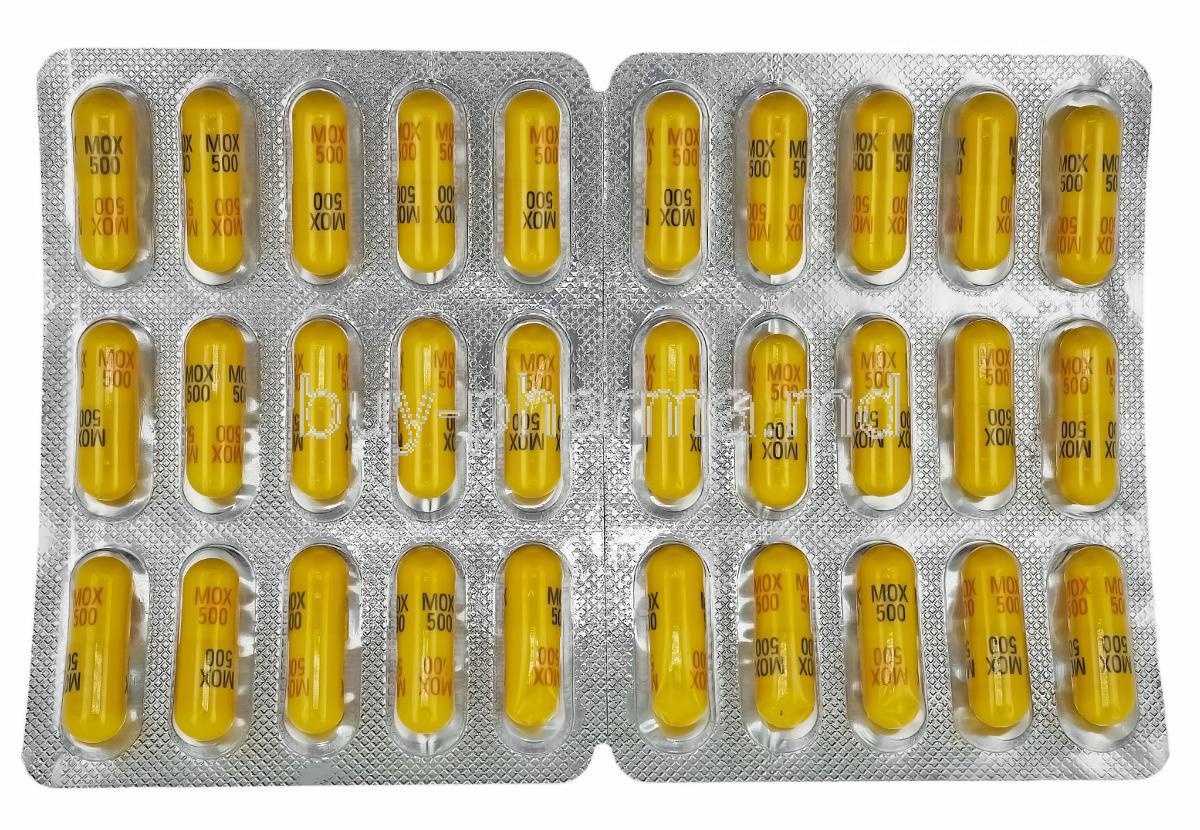
 Verified Purchase
So thankful
I am thankful that I can purchase Mox here. I try and keep a supply on hand for emergencies.
Customers also bought
Popular Products
Similar Product