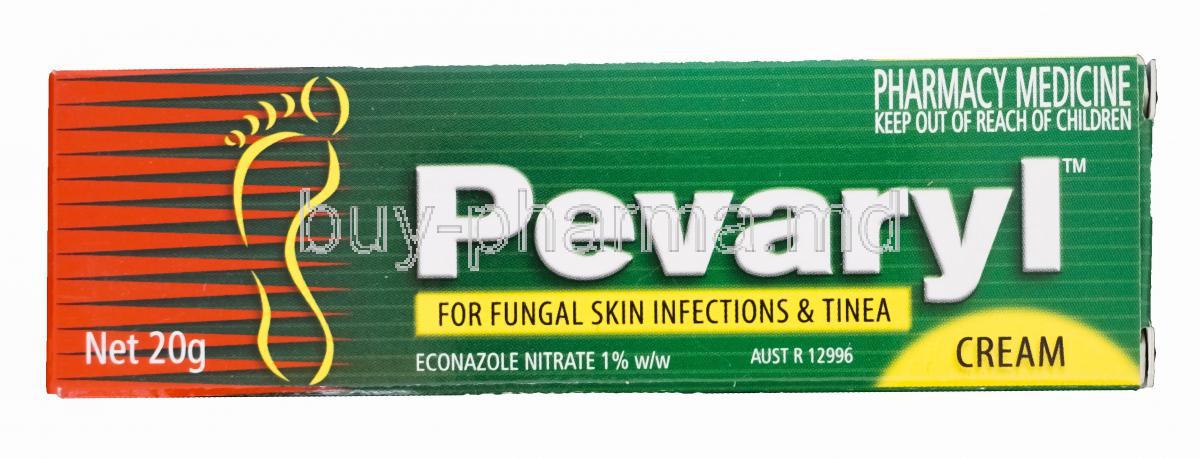
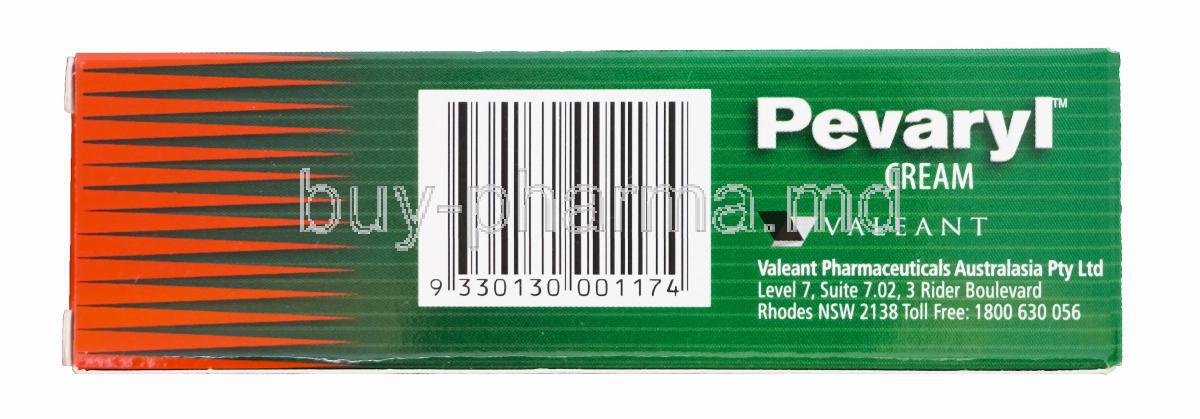
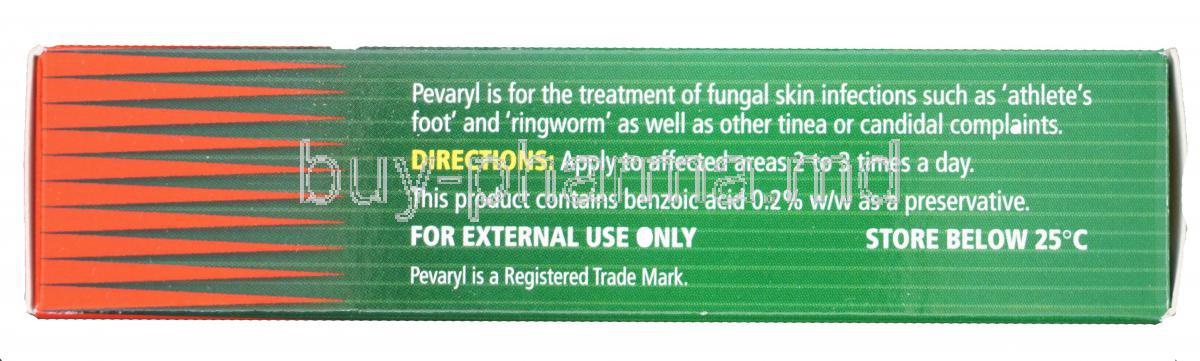
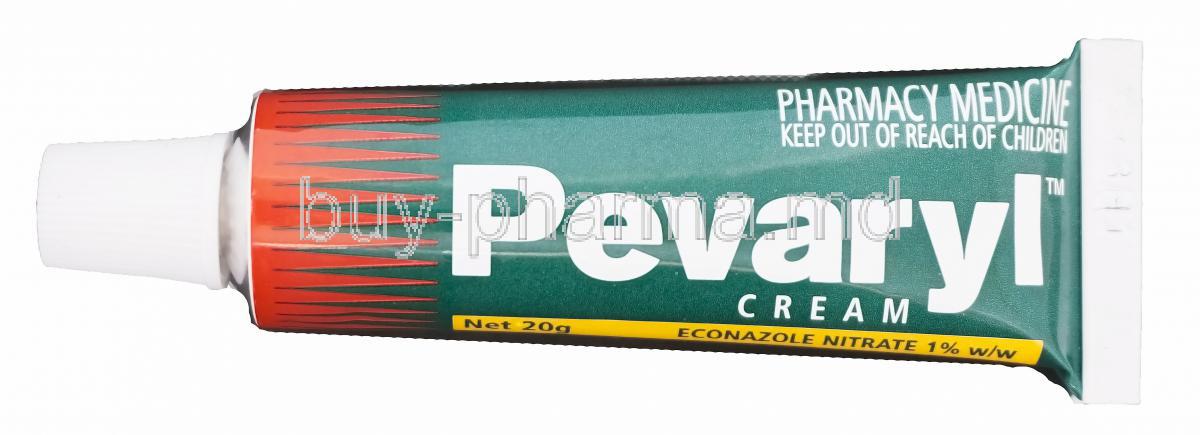
Introduction to Pevaryl Cream (Econazole Nitrate)
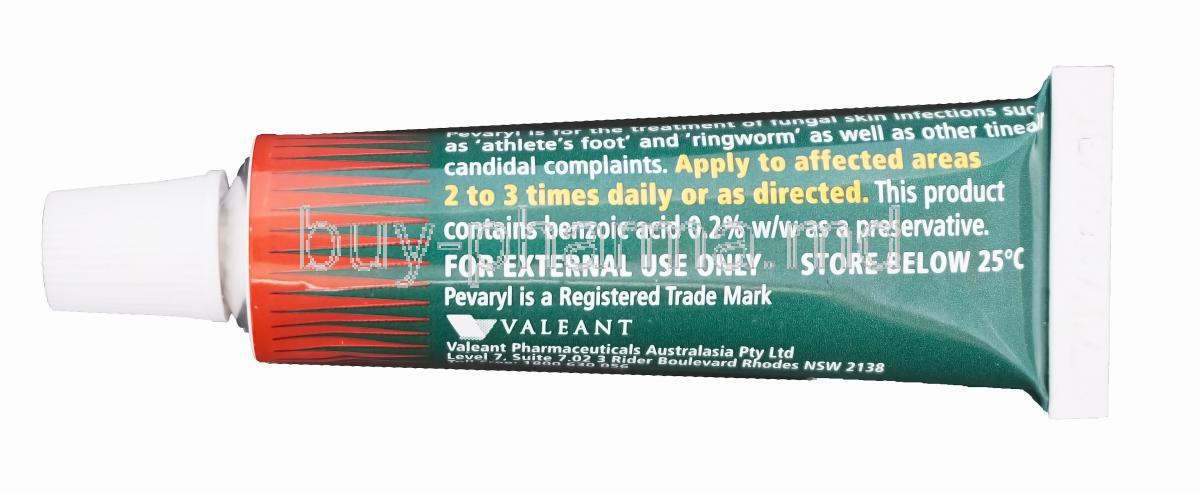
Pevaryl Cream is a well-established topical antifungal medication formulated to manage a broad spectrum of superficial fungal infections. It is widely utilized in clinical dermatology due to its reliable efficacy, favorable tolerability profile, and versatility across multiple cutaneous conditions.
Designed for external use, Pevaryl Cream delivers targeted antifungal action directly to the affected skin layers. This localized approach allows effective pathogen control while minimizing systemic exposure.
Overview of Pevaryl Cream as a Topical Antifungal Agent
Pevaryl Cream contains econazole nitrate, an imidazole-class antifungal compound. It is applied directly to the skin and is intended for the treatment of infections caused by dermatophytes, yeasts, and certain molds.
- Topical, non-greasy formulation
- Suitable for use on various body sites
- Broad antimicrobial coverage
Therapeutic Class and Clinical Relevance in Dermatology
Econazole nitrate belongs to the imidazole group of antifungal agents. This class is recognized for its ability to disrupt fungal cell membrane integrity, making it a cornerstone in the management of superficial mycoses.
In dermatological practice, econazole is valued for treating both uncomplicated and mixed infections, particularly in moist or intertriginous skin areas where fungal proliferation is common.
Brief History and Regulatory Status of Econazole Nitrate
Econazole nitrate has been in clinical use for several decades and has gained regulatory approval in numerous countries worldwide. Its long-standing presence in antifungal therapy underscores its established safety profile and consistent therapeutic outcomes.
Composition and Formulation Details
Active Ingredient: Econazole Nitrate Concentration
The active pharmaceutical ingredient in Pevaryl Cream is econazole nitrate, typically formulated at a concentration of 1%. This strength is optimized to ensure effective antifungal activity while maintaining skin tolerability.
Inactive Ingredients and Cream Base Characteristics
The cream base consists of carefully selected excipients that enhance spreadability, absorption, and patient comfort. These inactive components also contribute to maintaining product stability and uniform drug distribution.
- Emollient agents for skin hydration
- Stabilizers to preserve formulation integrity
- Non-irritating preservatives
Pharmaceutical Properties and Formulation Advantages
Pevaryl Cream is engineered to penetrate the stratum corneum effectively, ensuring sustained antifungal activity at the site of infection. Its formulation supports adherence by offering ease of application and minimal residue.
How Pevaryl Cream Works (Mechanism of Action)
Antifungal Mechanism at the Cellular Membrane Level
Econazole nitrate exerts its antifungal effect by targeting the fungal cell membrane. It alters membrane permeability, leading to leakage of essential intracellular components and subsequent fungal cell death.
Inhibition of Ergosterol Synthesis in Fungi
The drug inhibits enzymes involved in ergosterol synthesis, a critical sterol unique to fungal cell membranes. Without ergosterol, the membrane loses structural stability, impairing fungal growth and replication.
Spectrum of Activity Against Dermatophytes, Yeasts, and Molds
Pevaryl Cream demonstrates activity against a wide array of pathogenic fungi, including:
- Dermatophytes such as Trichophyton and Microsporum
- Yeasts including Candida species
- Certain opportunistic molds
Additional Antibacterial Effects Against Gram-Positive Bacteria
Beyond its antifungal action, econazole exhibits inhibitory effects against select Gram-positive bacteria. This ancillary activity is particularly beneficial in mixed infections where bacterial colonization coexists with fungal pathology.
Approved Medical Uses of Pevaryl Cream
Treatment of Fungal Skin Infections
Pevaryl Cream is indicated for the treatment of common superficial fungal infections affecting the skin.
Athlete’s Foot (Tinea Pedis)
Used to alleviate itching, scaling, and fissuring between the toes and on the soles, Pevaryl Cream helps eradicate the causative dermatophytes and restore skin integrity.
Jock Itch (Tinea Cruris)
The cream is effective in treating fungal infections of the groin area, reducing erythema, pruritus, and discomfort associated with moisture-prone regions.
Ringworm of the Body (Tinea Corporis)
Pevaryl Cream targets circular, erythematous lesions characteristic of ringworm, promoting resolution and preventing peripheral spread.
Cutaneous Candidiasis
It is commonly prescribed for Candida-related skin infections, particularly in intertriginous areas such as under the breasts or in skin folds.
Treatment of Yeast and Related Infections
Pityriasis (Tinea) Versicolor
Pevaryl Cream helps manage pigmentary changes and scaling caused by Malassezia species, supporting normalization of skin appearance.
Intertriginous Fungal Infections
The formulation is well-suited for areas where skin surfaces rub together, offering antifungal action without excessive occlusion.
Expanded Off-Label Uses of Econazole Nitrate
Seborrheic Dermatitis with Suspected Fungal Involvement
In certain cases, econazole may be used as adjunctive therapy when fungal overgrowth is suspected to contribute to seborrheic dermatitis.
Mixed Fungal–Bacterial Skin Infections
Its combined antifungal and antibacterial properties make it useful in managing mixed infections under medical supervision.
Adjunctive Therapy in Erythrasma
Econazole may support treatment strategies for erythrasma due to its activity against Corynebacterium species.
Preventive Use in Recurrent Superficial Mycoses
In patients with recurrent infections, preventive or maintenance use may be considered under clinical guidance.
Dosage and Administration Guidelines
Recommended Application Frequency and Duration
Pevaryl Cream is generally applied once or twice daily, depending on the severity and location of the infection. Treatment duration typically ranges from two to four weeks.
Proper Method of Topical Application
A thin layer should be gently massaged into the affected area and surrounding skin to ensure adequate coverage.
Areas of Use and Skin Preparation Before Application
The skin should be clean and thoroughly dry prior to application. Particular attention should be given to moisture-prone regions.
Expected Timeline for Symptom Improvement
Symptomatic relief often begins within several days, although full resolution requires completion of the prescribed treatment course.
Administration in Special Populations
Administration to Elderly Patients
Skin Integrity Considerations
Age-related skin thinning may increase sensitivity; careful application is advised.
Dose Adjustments and Monitoring Needs
No routine dose adjustment is required, but monitoring for local irritation is prudent.
Administration to Pregnant Women
Safety Data and Trimester-Based Considerations
Topical econazole is generally considered low risk when used as directed.
Risk–Benefit Assessment
Use should be guided by a careful evaluation of clinical necessity.
Administration to Nursing Mothers
Precautions During Breastfeeding
Direct application to the breast area should be avoided.
Application Site Considerations to Avoid Infant Exposure
Hands should be washed thoroughly after application.
Administration to Children
Age-Related Safety Considerations
Use in children should follow medical advice, especially in infants.
Pediatric Dosing Guidance
Dosing is generally similar to adults, adjusted for surface area and tolerance.
Side Effects of Pevaryl Cream
Common Side Effects
- Mild burning or stinging sensation
- Local irritation, redness, or itching
- Transient skin discomfort
Less Common and Rare Adverse Effects
- Allergic contact dermatitis
- Severe hypersensitivity reactions
- Skin blistering or swelling
Drug and Product Interactions
Interaction with Other Topical Antifungal Agents
Concurrent use with multiple antifungal products is generally unnecessary and may increase irritation.
Use Alongside Corticosteroid Creams
Combination therapy may be prescribed in selected cases to reduce inflammation, under professional supervision.
Effects of Occlusive Dressings and Cosmetic Products
Occlusive coverings may enhance absorption but also raise the risk of irritation. Cosmetic products should be avoided on treated areas unless approved.
Warnings and Safety Information
Risk of Hypersensitivity Reactions
Pevaryl Cream may provoke hypersensitivity reactions in susceptible individuals. Although uncommon, these reactions can manifest as localized erythema, pruritus, edema, or vesiculation at the site of application.
Patients with a known predisposition to allergic responses should remain vigilant, particularly during the initial days of therapy. Any escalation in cutaneous discomfort beyond mild, transient irritation warrants prompt discontinuation and medical evaluation.
Avoidance of Contact with Eyes and Mucous Membranes
The formulation is strictly intended for external dermatological use. Contact with the eyes, oral cavity, nasal passages, or genital mucosa should be meticulously avoided.
- Accidental ocular exposure may cause intense irritation
- Mucosal contact can result in burning or inflammation
- Immediate rinsing with copious amounts of water is advised if contact occurs
Use on Broken or Severely Inflamed Skin
Application to open wounds, fissured skin, or areas of pronounced inflammation may increase systemic absorption and heighten the risk of adverse reactions. Such use should be approached with caution and only under medical guidance.
Importance of Completing the Full Course of Treatment
Premature discontinuation of therapy, even when symptoms appear to resolve, may lead to incomplete eradication of the pathogen. This can foster recurrence, persistence, or reduced responsiveness to subsequent antifungal treatment.
Contraindications
Known Hypersensitivity to Econazole or Imidazole Derivatives
Pevaryl Cream is contraindicated in individuals with a documented hypersensitivity to econazole nitrate or other imidazole-class antifungal agents. Cross-reactivity within this pharmacological class is possible.
History of Severe Allergic Reactions to Topical Antifungals
Patients with a prior history of severe allergic dermatitis, anaphylactoid reactions, or extensive skin reactions following topical antifungal use should avoid this medication unless explicitly advised otherwise by a healthcare professional.
Careful Administration and Monitoring
Use in Patients with Chronic Skin Conditions
Underlying dermatological disorders such as eczema, psoriasis, or chronic dermatitis may alter skin barrier function. In such cases, careful administration is essential to minimize irritation and exacerbation of pre-existing conditions.
Monitoring Response in Prolonged or Recurrent Infections
Persistent or recurrent fungal infections may necessitate extended treatment courses or reassessment of the diagnosis. Lack of clinical improvement after the recommended duration should prompt further investigation.
Situations Requiring Medical Reassessment
- Worsening of symptoms despite adherence to therapy
- Development of atypical skin lesions
- Signs suggestive of secondary bacterial infection
Important Precautions Before and During Use
Hygiene Measures to Prevent Reinfection
Adherence to strict hygiene practices is integral to successful treatment and prevention of recurrence. Fungal organisms thrive in moist environments and can persist on personal items.
- Regular washing and thorough drying of affected areas
- Frequent laundering of clothing, towels, and bedding
- Avoidance of sharing personal items
Avoidance of Occlusive Clothing During Treatment
Tight or non-breathable clothing can create a microenvironment conducive to fungal proliferation. Loose-fitting, breathable fabrics are recommended throughout the treatment period.
Limiting Unnecessary Prolonged Use
Extended use beyond the prescribed duration, without clinical justification, may increase the likelihood of local irritation or sensitization. Treatment should be confined to the minimum effective duration.
Overdosage and Accidental Exposure
Risks Associated with Excessive Topical Application
Excessive or overly frequent application does not enhance therapeutic efficacy and may instead intensify local adverse effects, including irritation, erythema, and contact dermatitis.
Management of Accidental Ingestion
Although systemic toxicity is unlikely due to minimal absorption, accidental ingestion—particularly in children—requires medical attention. Gastrointestinal discomfort may occur.
Recommended Actions in Suspected Overdose
- Discontinue use immediately
- Seek medical advice or contact a poison control center
- Provide supportive care as directed by healthcare professionals
Storage and Stability Requirements
Recommended Storage Temperature and Conditions
Pevaryl Cream should be stored at controlled room temperature, protected from excessive heat, moisture, and direct sunlight. Proper storage preserves formulation stability and therapeutic potency.
Shelf Life and Expiry Considerations
The product should not be used beyond its stated expiration date. Degraded formulations may exhibit reduced efficacy or altered tolerability.
Proper Disposal of Unused Medication
Unused or expired cream should be disposed of in accordance with local pharmaceutical waste regulations. Disposal via household wastewater systems is discouraged.
Handling and Application Precautions
Safe Handling for Caregivers and Healthcare Professionals
Individuals applying the cream on behalf of others should take precautions to avoid inadvertent exposure, particularly when treating large surface areas.
Hand Hygiene Before and After Application
Hands should be washed thoroughly before and after application to prevent accidental transfer to unintended body sites or other individuals.
Measures to Prevent Cross-Contamination
- Use clean hands or applicators for each application
- Avoid direct contact between the tube opening and skin
- Store the medication separately from other topical products
Customers also bought
Popular Products

Similar Product