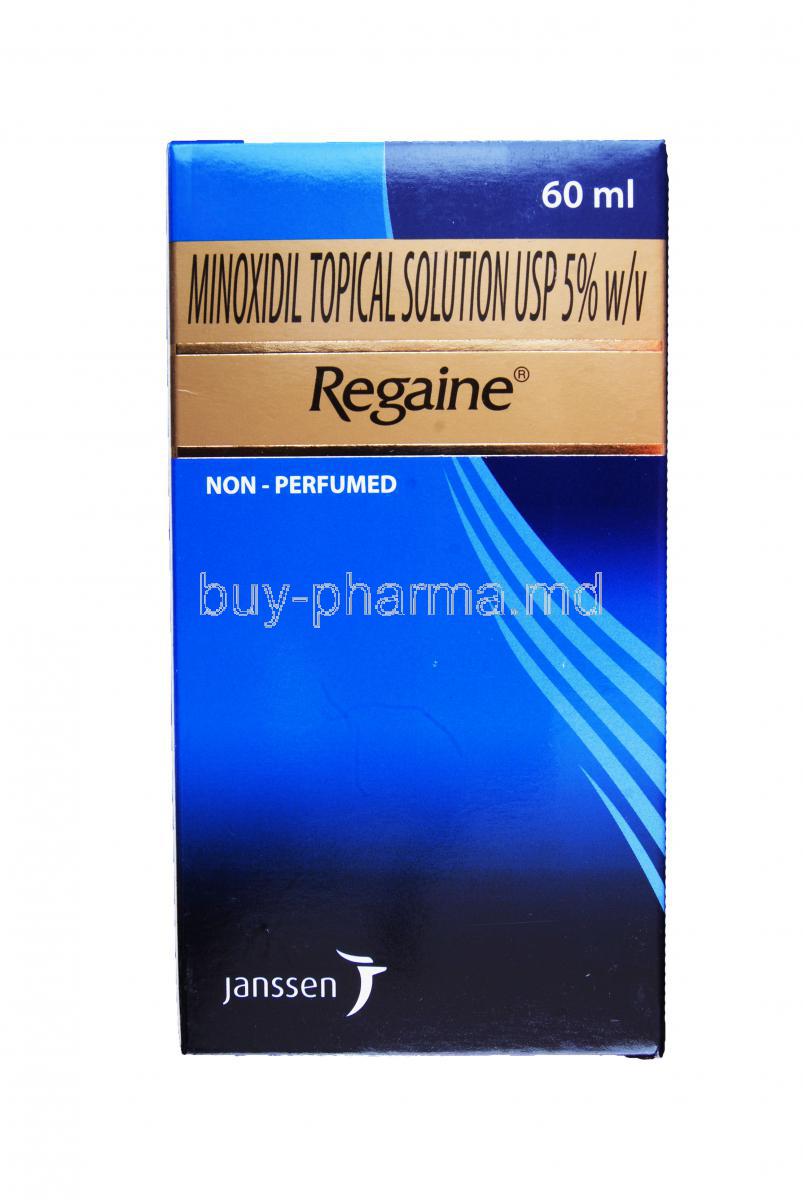
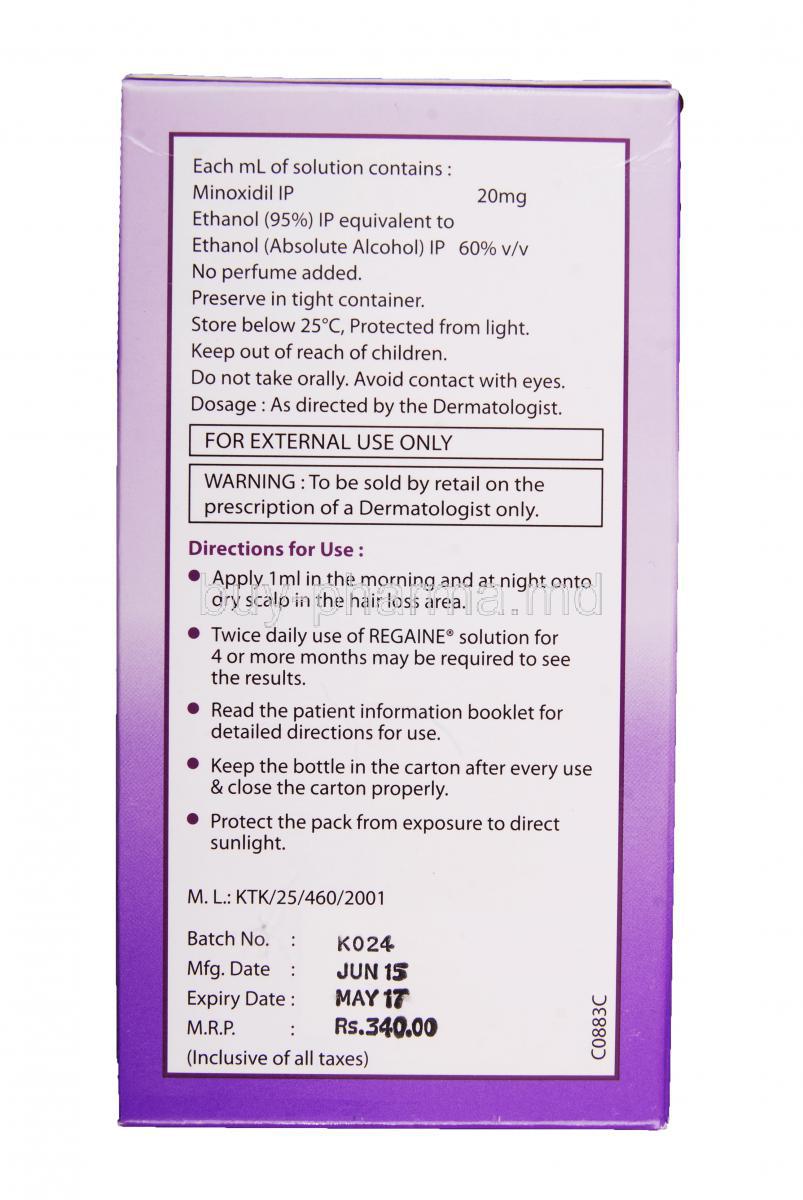
1. Introduction to Regaine Solution (Minoxidil)
1.1 Overview of Regaine Solution as a Topical Hair-Growth Treatment
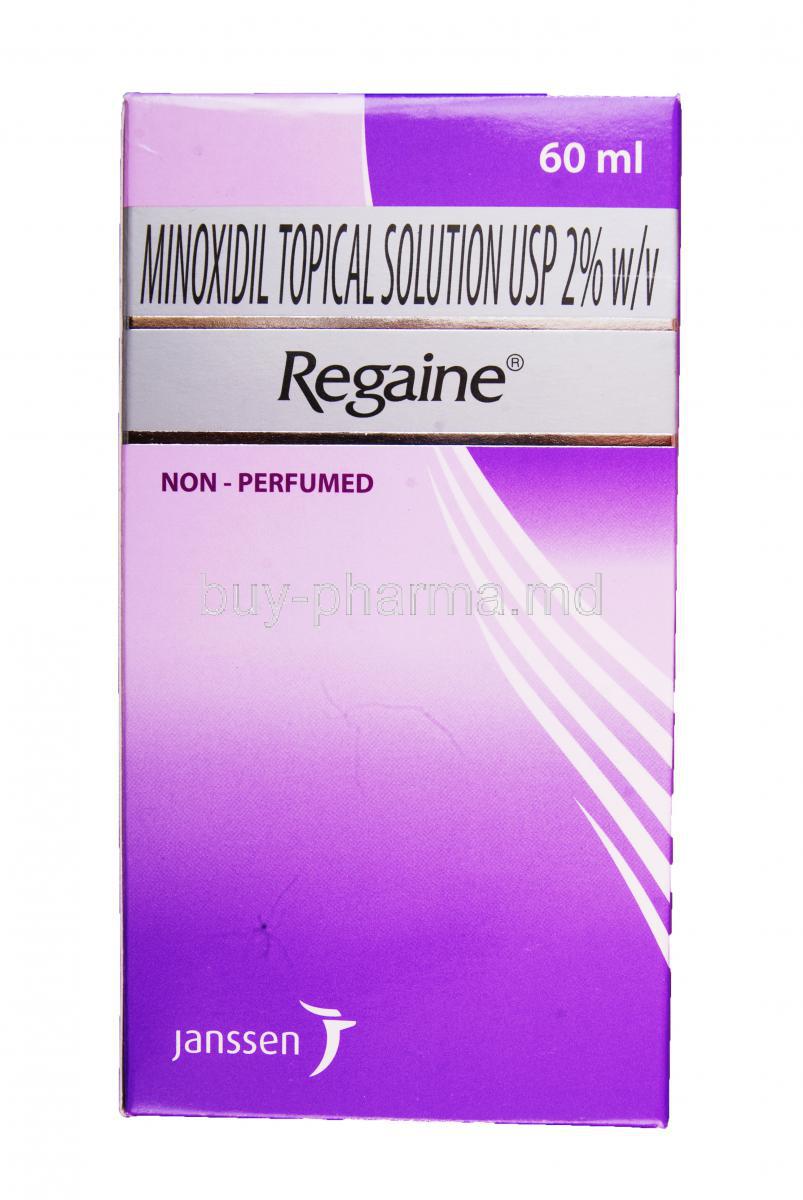
Regaine Solution, formulated with minoxidil, is a clinically recognized topical therapy designed to stimulate hair regrowth. It is widely used for individuals experiencing pattern hair loss, offering a scientifically validated mechanism to strengthen follicular activity and restore density. The solution is applied directly to the scalp, allowing targeted delivery to areas most affected by thinning.
- Easy-to-use liquid formulation
- Direct follicular stimulation
- Suitable for long-term maintenance
1.2 Historical Development and Global Approval Status
Initially developed as an oral antihypertensive, minoxidil’s unexpected hair-growth effects led to its repurposing as a topical agent. Over time, extensive studies facilitated regulatory approval across major regions, including the United States, Europe, and Asia. Today, Regaine remains one of the most widely endorsed treatments for hereditary hair loss.
1.3 Key Differences Between Regaine, Minoxidil Generics, and Foam Formulations
Regaine Solution distinguishes itself through its optimized delivery system, consistent quality control, and proprietary formulation balance. Generics may use similar active ingredients but often differ in penetration enhancers and texture. Foam versions lack propylene glycol, offering a lighter application experience but functioning through the same biological pathway. These differences can influence user comfort, absorption kinetics, and tolerance.
1.4 Who Typically Uses Regaine Solution?
This solution is commonly used by men and women suffering from androgenetic alopecia. Individuals noticing gradual thinning, widening hair parts, or receding hairlines often seek Regaine as an accessible therapeutic option.
- Adults with hereditary hair loss
- Patients seeking non-invasive hair restoration
- Individuals aiming to preserve existing hair density
2. Composition and Formulation Details
2.1 Active Ingredient: Minoxidil Concentration (2%, 5%, Extra Strength)
The solution is available in various strengths—typically 2% and 5%. Higher concentrations are designed for enhanced efficacy, particularly in male users. Extra-strength formulations deliver more potent scalp activity.
2.2 Inactive Ingredients (Alcohol, Propylene Glycol, Water)
Inactive components serve critical roles in ensuring adequate scalp absorption. Alcohol aids rapid drying, propylene glycol enhances penetration, and purified water stabilizes the formula.
2.3 Role of Vehicle Components in Scalp Penetration
The combination of solvents increases the solubility of minoxidil and allows deep follicular delivery. This ensures that the active ingredient reaches the hair bulb, where it exerts its biologic effects.
2.4 Differences in Formulation Between Solution vs. Foam
The solution utilizes propylene glycol for enhanced delivery, whereas foam omits it to reduce irritation risk. Foam feels less greasy and dries faster but may penetrate differently depending on hair density.
3. Mechanism of Action: How Regaine (Minoxidil) Works
3.1 Vasodilation and Improved Follicular Blood Flow
Minoxidil acts as a vasodilator, increasing microcirculation around the hair follicles. This enhanced perfusion nourishes the follicles and supports stronger growth cycles.
3.2 Prolongation of the Anagen (Growth) Phase
It extends the hair’s anagen phase, enabling strands to grow longer and thicker. This is particularly beneficial for individuals experiencing shortened growth cycles.
3.3 Follicular Miniaturization Reversal in Androgenetic Alopecia
By interrupting miniaturization, minoxidil promotes the return of small, weakened follicles to healthier, more productive states.
3.4 Cellular Mechanisms and Potassium Channel Activation
Minoxidil activates potassium channels within follicular cells, enhancing nutrient exchange and supporting cellular proliferation.
3.5 Why Minoxidil Works Even Without Hormonal Effects
Unlike finasteride, minoxidil does not alter hormone levels. Its action is purely peripheral, making it suitable for both men and women without systemic hormonal interference.
4. Approved Uses of Regaine Solution
4.1 Treatment of Androgenetic Alopecia in Men
Regaine is approved for male-pattern baldness, particularly vertex and crown thinning. Regular use can slow progression and stimulate regrowth.
4.2 Treatment of Female Pattern Hair Loss
Women experiencing diffuse thinning or widening part-lines often benefit from the 2% or 5% formulations.
4.3 Maintenance Therapy to Prevent Further Hair Loss
Consistent application helps preserve new growth and prevents relapse into more advanced thinning patterns.
5. Off-Label Uses of Minoxidil
5.1 Eyebrow Regrowth Applications
Some individuals apply low concentrations to sparse eyebrows to enhance density and definition.
5.2 Beard Growth Enhancement
Men seeking fuller beards use minoxidil to stimulate dormant follicles and improve coverage.
5.3 Alopecia Areata (Adjunctive Use)
Though not a primary therapy, minoxidil may complement other treatments to promote regrowth.
5.4 Chemotherapy-Induced Alopecia Supportive Use
It may assist regrowth during recovery periods following chemotherapy.
5.5 Telogen Effluvium Recovery Support
Temporary shedding conditions may improve with enhanced follicular stimulation.
5.6 Frontal Fibrosing Alopecia (Emerging Discussion)
An emerging area of exploration where minoxidil may support residual follicular activity.
6. Dosage and Administration
6.1 Recommended Dosage for Men (2% vs. 5%)
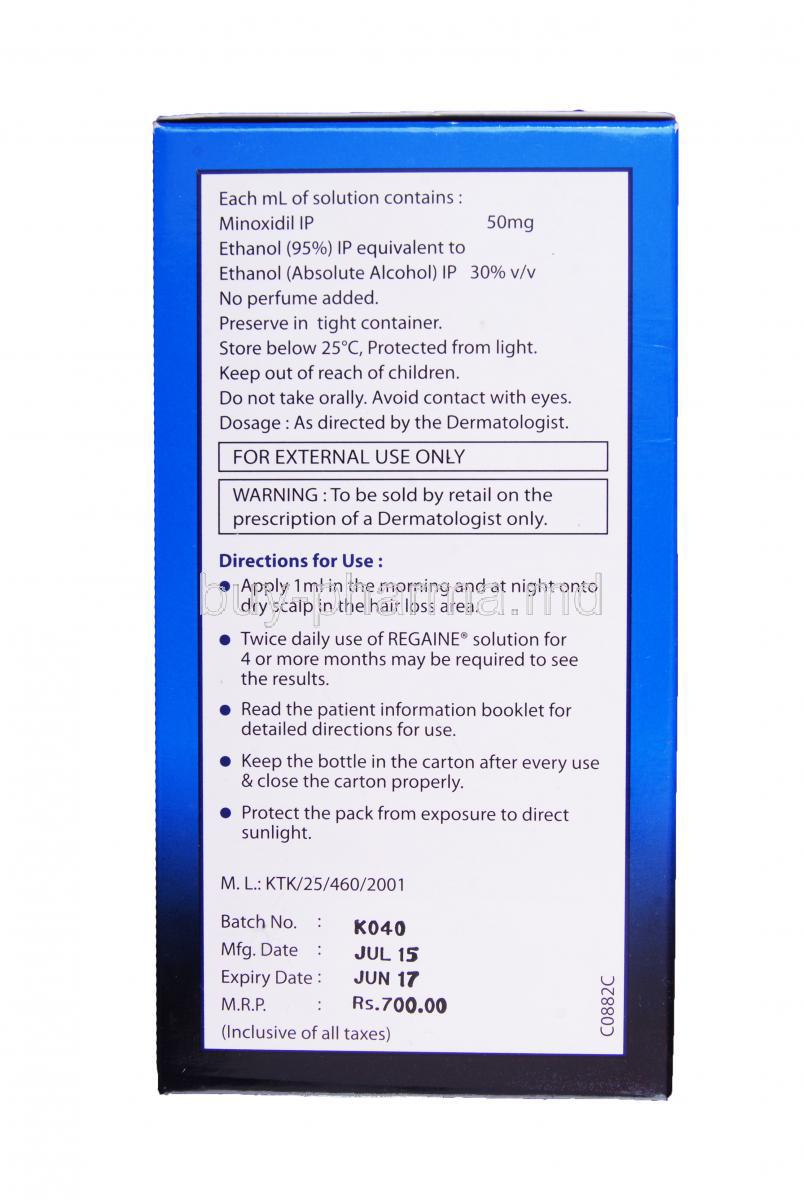
Men typically use the 5% formulation for stronger therapeutic impact. The standard dose is 1 mL applied twice daily.
6.2 Recommended Dosage for Women (2% vs. 5%)
Women may use either concentration depending on tolerance. Some prefer once-daily 5% application due to convenience.
6.3 How to Properly Apply Regaine Solution
Apply directly to dry scalp areas using the dropper. Massage lightly to ensure even distribution.
- Do not rinse
- Allow complete drying before sleep
- Wash hands thoroughly afterward
6.4 Frequency of Application and Daily Routine Integration
The therapy requires consistent, twice-daily use for optimal performance. Integrating application into morning and evening routines enhances adherence.
6.5 When to Expect Visible Results
Most users notice improvement after 8–12 weeks, with more significant regrowth seen at the 4–6 month mark.
6.6 Duration of Treatment and Need for Continuous Use
Long-term continuity is essential. Discontinuation often results in gradual return to baseline shedding.
6.7 Missed Dose Instructions
If a dose is missed, resume the next scheduled application without doubling.
7. Administration by Patient Group
7.1 Administration to Elderly Patients
Elderly individuals may use standard dosing. However, monitoring for skin sensitivity is advised.
7.2 Administration to Pregnant Women and Nursing Mothers
Use is not recommended due to limited data on fetal and neonatal safety.
7.3 Administration to Children and Adolescents
Not advised for individuals under 18 unless directed by a specialist.
7.4 Considerations for Patients with Sensitive or Damaged Scalp
Application should be avoided on irritated, inflamed, or compromised skin.
8. Side Effects of Regaine Solution
8.1 Overview of Potential Side Effects
Regaine is generally well-tolerated, though some individuals may experience localized or systemic effects.
8.2 Common Side Effects (Itching, Redness, Peeling)
Mild irritation is common due to alcohol and penetration enhancers.
8.3 Localized Scalp Reactions from Alcohol/Propylene Glycol
Sensitivities may manifest as burning sensations or dermatitis.
8.4 Excessive Hair Shedding During Initial Weeks
Temporary shedding may occur as follicles transition into active growth.
8.5 Unwanted Facial Hair Growth (Hypertrichosis)
Accidental spreading of the solution can stimulate growth in unintended areas.
8.6 Rare but Serious Systemic Side Effects
Symptoms such as dizziness or palpitations may indicate systemic absorption.
8.7 Long-Term Safety Profile
Studies support prolonged use with a favorable safety margin.
9. Important Warnings and Precautions
9.1 Systemic Absorption Risk in Sensitive Individuals
Excessive application can increase systemic exposure and adverse effects.
9.2 Cardiovascular Concerns Related to Vasodilatory Properties
Those with heart conditions should consult a clinician prior to use.
9.3 Avoiding Application on Sunburned, Irritated, or Damaged Skin
Compromised skin can enhance absorption and irritation.
9.4 Flammability Warning Due to Alcohol Content
The solution is highly flammable until completely dry.
9.5 Avoiding Use with Occlusive Dressings or Heat Exposure
These factors can accelerate absorption beyond safe levels.
9.6 Monitoring for Sudden or Excessive Hair Shedding
Persistent or severe shedding requires evaluation.
9.7 When to Discontinue Use Immediately
Stop treatment if chest pain, swelling, or severe scalp reactions occur.
10. Drug and Product Interactions
10.1 Interactions With Other Topical Scalp Medications
Topical scalp therapies can interact with minoxidil, altering absorption or increasing irritation. When layered with other solutions, the scalp’s barrier function may fluctuate, resulting in unpredictable effects. Products containing strong keratolytics or alcohol-heavy bases may magnify dryness and erythema.
- Use caution when combining multiple active treatments.
- Avoid simultaneous application unless directed by a clinician.
- Monitor the scalp for sensitivity or unusual reactions.
10.2 Concurrent Use with Corticosteroids or Retinoids
Corticosteroids and retinoids can thin the epidermis, making the scalp more permeable. This may allow greater penetration of minoxidil, amplifying both therapeutic effects and side effects. Retinoids, especially, accelerate cellular turnover, which can intensify dryness and peeling.
10.3 Interaction with Oral Antihypertensive Drugs
Minoxidil is a vasodilator. When combined with oral antihypertensive agents, blood pressure may decrease more dramatically than expected. Individuals already prone to dizziness or orthostatic hypotension should exercise heightened caution.
10.4 Alcohol- or Glycol-Based Products Increasing Absorption
Products containing high alcohol or glycol content alter skin permeability. These agents may cause a more vigorous absorption of minoxidil, potentially provoking systemic exposure. The interaction may not be immediately evident, developing gradually with repetitive use.
10.5 Hair Dyes, Chemical Treatments, and Scalp Procedures
Chemical procedures such as dyeing, perming, or straightening temporarily disrupt the scalp barrier. Using minoxidil immediately before or after such treatments may result in stinging, dryness, and heightened irritation. Allowing the scalp time to recover minimizes risk.
11. Contraindications
11.1 Known Hypersensitivity to Minoxidil or Formulation Excipients
Individuals with documented allergies to minoxidil or solvents such as propylene glycol should not use the solution. Hypersensitivity reactions may manifest as intense redness, swelling, or burning.
11.2 Scalp Conditions Contraindicating Use
Active scalp infections, open wounds, or severe dermatitis contraindicate minoxidil use. The compromised skin barrier enhances absorption and increases irritation potential.
11.3 Underlying Cardiovascular Disorders
Because minoxidil influences vascular dynamics, those with specific heart conditions should avoid it unless explicitly cleared by a specialist.
11.4 Pregnancy-Related Contraindications
Minoxidil is not recommended during pregnancy or breastfeeding. Its systemic impact on fetal development remains insufficiently studied.
11.5 Patients with Unexplained Sudden Hair Loss
Minoxidil is inappropriate for acute, uncharacteristic shedding. Unexplained rapid hair loss requires diagnostic evaluation rather than immediate treatment.
12. Careful Administration (Cautions for Specific Conditions)
12.1 Patients with Cardiovascular Disease
Because minoxidil may subtly influence blood pressure, patients with arrhythmias, angina, or chronic heart failure must use it cautiously. Clinical supervision is strongly recommended.
12.2 Patients with Renal or Hepatic Impairment
Altered organ function may modify how the body processes absorbed substances. Even minimal systemic absorption could present challenges for individuals with impaired renal or hepatic systems.
12.3 Patients Prone to Hypotension
Those with naturally low blood pressure may experience dizziness or faintness. Even topical therapy may contribute to these symptoms in susceptible individuals.
12.4 Patients with Scalp Dermatitis or Psoriasis
Inflamed, scaly skin absorbs topical solutions more easily. Psoriasis, eczema, or seborrheic dermatitis may lead to exaggerated irritation when exposed to minoxidil.
12.5 Individuals with History of Allergic Contact Dermatitis
A predisposition to allergic reactions increases the likelihood of intolerance to solvents and preservatives present in the formulation.
13. Overdosage and Emergency Measures
13.1 Risk of Accidental Oral Ingestion
Ingesting minoxidil can provoke significant cardiovascular effects due to systemic vasodilation. Even small quantities require immediate attention.
13.2 Symptoms of Severe Systemic Exposure
Warning signs include rapid heartbeat, swelling of extremities, dizziness, and low blood pressure. These symptoms may escalate quickly, necessitating prompt care.
13.3 Immediate First-Aid Steps
In the event of overuse or accidental ingestion:
- Rinse the mouth thoroughly if swallowed.
- Do not induce vomiting unless advised.
- Seek medical support immediately.
13.4 When to Seek Emergency Medical Attention
Emergency care is essential if fainting, chest pain, or breathing difficulties arise. These symptoms can indicate dangerous cardiovascular involvement.
13.5 Overuse on Scalp and Potential Complications
Applying excessive amounts may overwhelm the scalp and cause intense irritation, increased shedding, or unexpected systemic effects.
14. Storage and Handling Precautions
14.1 Recommended Storage Temperature Range
Regaine should be preserved in a cool, stable environment, ideally between 15°C and 30°C. Extreme temperatures degrade its formulation.
14.2 Protection From Heat, Flame, and Direct Sunlight
Minoxidil solutions are flammable due to alcohol content. Keeping them away from ignition sources is essential.
14.3 Keeping the Bottle Tightly Closed
Ensuring the cap is secured prevents evaporation and contamination. The product’s potency relies on consistent solvent stability.
14.4 Safe Handling to Avoid Contact with Eyes and Mucous Membranes
Even brief exposure to sensitive tissues can cause pronounced stinging and irritation. Rinse thoroughly if accidental contact occurs.
14.5 Storage Away from Children and Pets
Minoxidil can be harmful if ingested or misused. Secure storage prevents accidental exposure.
14.6 Disposal of Unused or Expired Product
Discard expired or unused solution responsibly. Avoid pouring into drains; instead, follow local pharmaceutical disposal guidelines.
15. Practical Tips for Effective Use
15.1 Improving Treatment Adherence
Consistency is crucial. Establishing a fixed application schedule—morning and evening—enhances results.
15.2 Strategies to Reduce Scalp Irritation
Applying minimal amounts, ensuring the scalp is dry, and avoiding harsh shampoos can significantly reduce irritation.
15.3 Combining Minoxidil with Other Hair-Loss Therapies
Minoxidil pairs well with several supportive treatments, including:
- Finasteride (oral or topical)
- Low-level laser therapy
- Nutritional supplementation
15.4 Lifestyle Considerations that Support Hair Growth
A comprehensive approach includes proper sleep, balanced nutrition, reduced stress exposure, and moderating heat styling.
15.5 Managing Expectations and Tracking Results
Hair growth occurs gradually. Photographic tracking and realistic timelines—typically 3 to 6 months—help maintain motivation and clarity regarding progress.
Regaine Solution, Minoxidil FAQ
- What is the use of Regaine solution?
- Is Regaine good for hair growth?
- Is Regaine a steroid?
- What is the side effect of Regaine?
- How quickly can Regaine work?
- What happens if I stop using Regaine?
- Does Regaine thicken hair?
- Who should not use Regaine?
- Which is better, Rogaine or Regaine?
- What is the downside of Rogaine?
- Is Regaine good for thinning hair?
- What happens if I use too much Regaine?
- Can I shower after using Regaine?
- Is Regaine a good brand?
- What to avoid when using Rogaine?
- Is Rogaine FDA approved?
- Why am I still losing hair with Rogaine?
- Do I need to use Rogaine forever?
- Does Rogaine cause weight gain?
- How do I know if Regaine is working?
- Can Regaine regrow hair on bald spots?
- Where is Regaine made?
- Is it okay to sleep with Rogaine?
- Can you shower after using Rogaine?
- Are there bad side effects to Rogaine?
- How long does Rogaine last?
- What happens if I miss one day of Rogaine?
- Does regaine damage hair?
- Is minoxidil safe for pregnancy?
- Can minoxidil cause a rash?
- What are the side effects of minoxidil?
- Where should you not apply minoxidil?
- Can minoxidil grow hair anywhere?
- Does minoxidil make you tired?
- What are the signs that minoxidil is working?
- Does minoxidil affect vision?
- How to stop minoxidil itching?
- Is minoxidil a blood thinner?
- Can I apply minoxidil all over my scalp?
- How unhealthy is minoxidil?
What is the use of Regaine solution?
Regaine 5% Solution is a medicine used to treat hair loss. It can prevent further hair loss and help hair to regrow. It works by increasing blood flow to the hair follicles on your scalp, preventing hair cell death and enhancing new hair growth.
Is Regaine good for hair growth?
Regaine has been shown to encourage hair regrowth in as little as eight weeks; however this could be up to 16 weeks for some people
Is Regaine a steroid?
No
What is the side effect of Regaine?
- Scalp irritation
- Dizziness
- Hair loss
- Excessive hair
How quickly can Regaine work?
8 weeks
What happens if I stop using Regaine?
New hair would fall out
Does Regaine thicken hair?
This topical medication works to enlarge your hair follicles and elongate the growth cycle of hair so you see thicker and more hair on your scalp.
Who should not use Regaine?
- People with eart conditions, low blood pressure, women who are pregnant or breastfeeding, and children under 18 years old
Which is better, Rogaine or Regaine?
Same ingredient
What is the downside of Rogaine?
It can cause temporary hair shedding, scalp irritation, and changes in hair texture.
Is Regaine good for thinning hair?
Yes
What happens if I use too much Regaine?
- Scalp irritation
Can I shower after using Regaine?
No
Is Regaine a good brand?
Yes
What to avoid when using Rogaine?
Alcohol
Is Rogaine FDA approved?
Yes
Why am I still losing hair with Rogaine?
Minoxidil dread shed, this temporary side effect is likely to be produced by the impact of the medication on the hair growth cycle.
Do I need to use Rogaine forever?
Yes
Does Rogaine cause weight gain?
Yes
How do I know if Regaine is working?
Less hair fall
Can Regaine regrow hair on bald spots?
No
Where is Regaine made?
Switzerland
Is it okay to sleep with Rogaine?
Yes
Can you shower after using Rogaine?
No
Are there bad side effects to Rogaine?
- Scalp irritation
- Unwanted hair growth
- Shedding
How long does Rogaine last?
2 years
What happens if I miss one day of Rogaine?
No effect
Does regaine damage hair?
No
Is minoxidil safe for pregnancy?
No
Can minoxidil cause a rash?
Yes
What are the side effects of minoxidil?
- Hypotension
- Tachycardia
- Nausea
Where should you not apply minoxidil?
- Eyes
- Nose
- Mouth
Can minoxidil grow hair anywhere?
Yes
Does minoxidil make you tired?
No
What are the signs that minoxidil is working?
During the first 1-2 months of using Minoxidil, many people notice increased hair shedding.
Does minoxidil affect vision?
No
How to stop minoxidil itching?
Antihistamine
Is minoxidil a blood thinner?
No
Can I apply minoxidil all over my scalp?
Minoxidil does not need to be spread over the whole scalp
How unhealthy is minoxidil?
Topical minoxidil may cause heart or blood vessel problems including chest pain, fast heartbeat, dizziness, swelling of your feet or hands, or may cause you to faint
Customers also bought
Popular Products
Similar Product