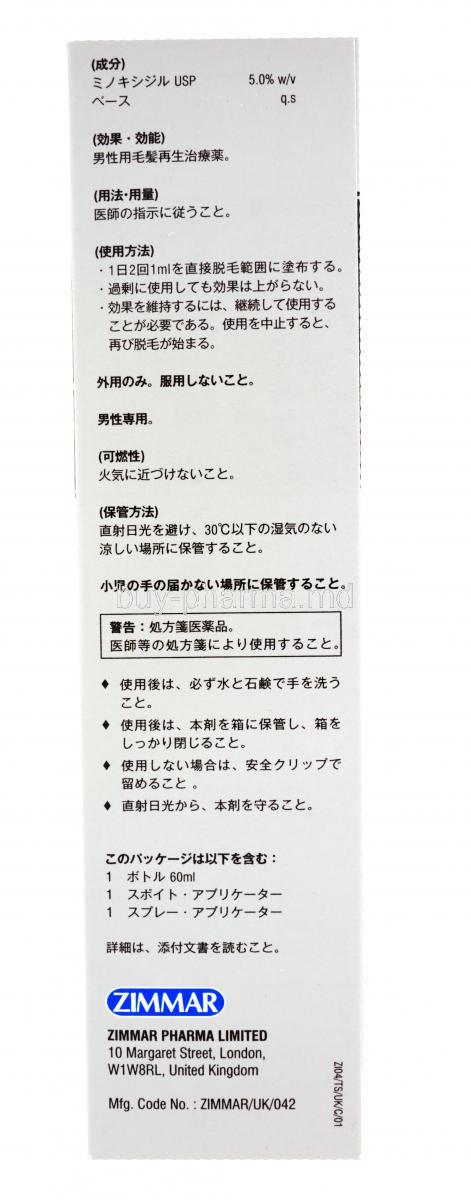
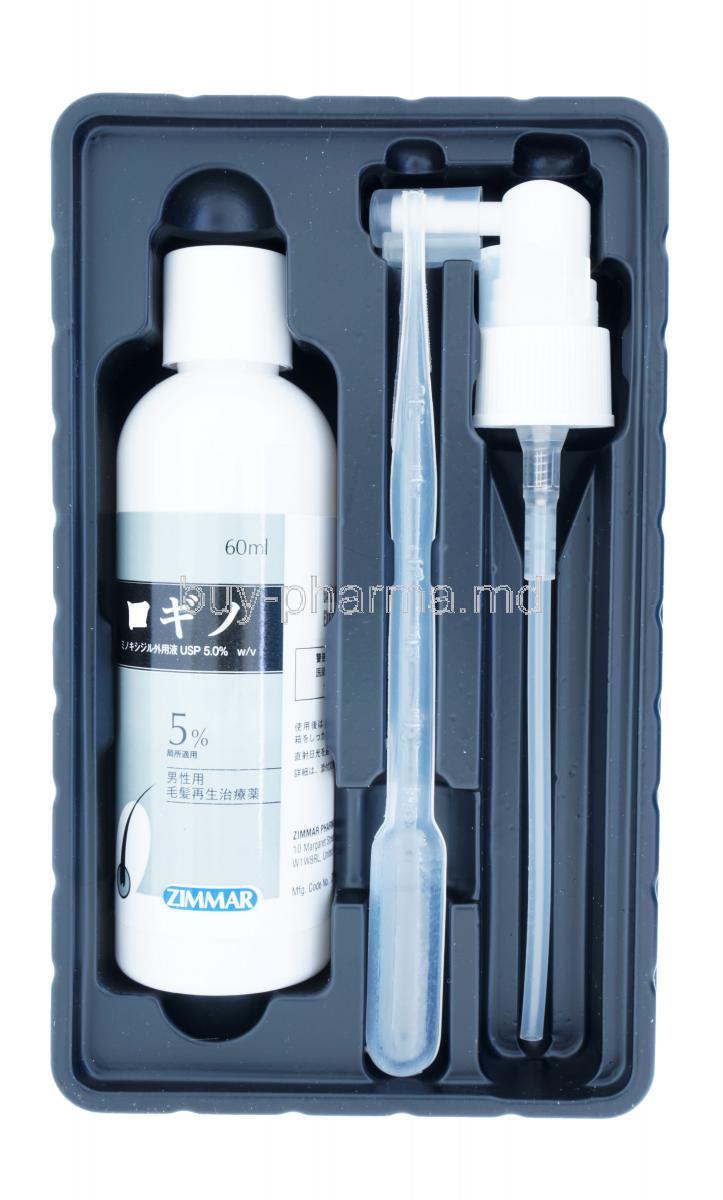
Introduction to Rogino Solution
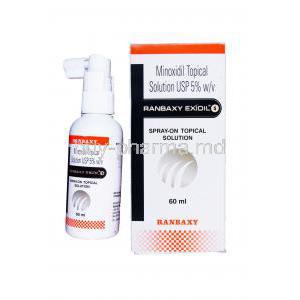
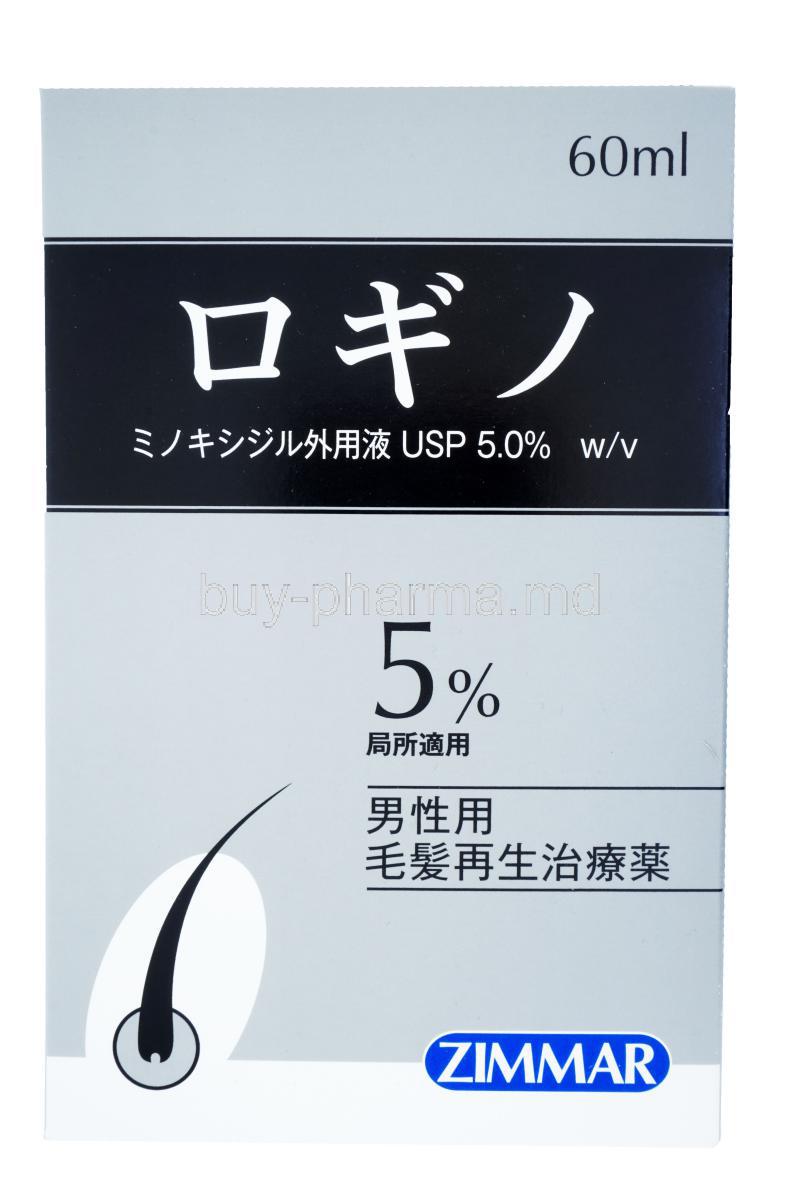
Rogino Solution is a topical preparation formulated for scalp application in patterned hair loss. It is most commonly associated with minoxidil, a hair regrowth active that is widely used for androgenetic alopecia (often called male pattern baldness). Used correctly and consistently, it may help slow visible thinning and encourage partial regrowth in responsive follicles—an outcome that is incremental rather than instantaneous.
- Topical, leave-on scalp solution
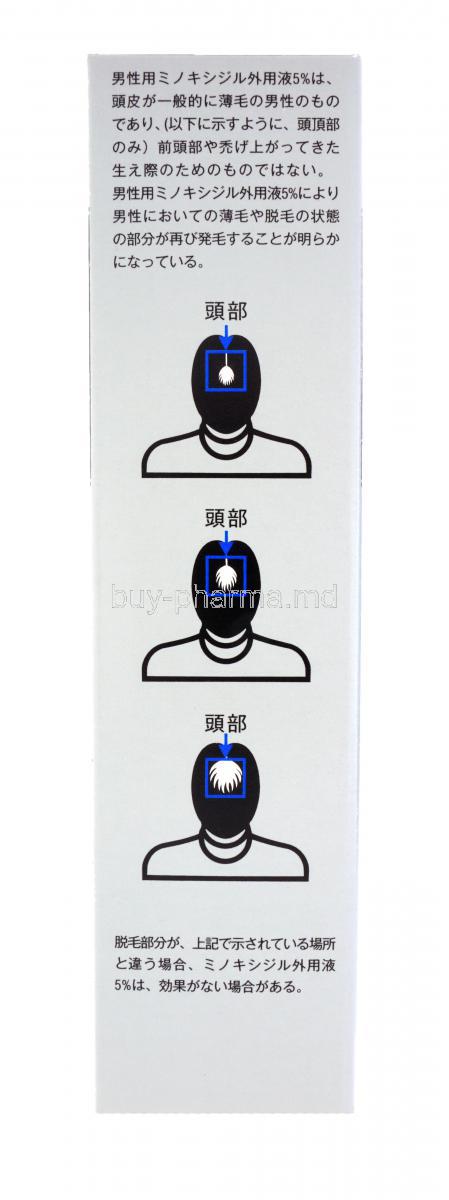
- Typically positioned for vertex (crown) thinning
- Requires ongoing use to maintain results
Overview of Rogino Solution
As a solution dosage form, Rogino is designed to be dispensed in measured volumes and spread directly on the scalp skin, where the active ingredient can permeate into follicular units. The formulation is engineered for practicality: fast application, predictable dosing, and a residue profile that depends on the solvent system and individual skin characteristics.
Therapeutic classification and formulation type
Rogino Solution (minoxidil topical) is categorized as a hair regrowth treatment. In many markets, a 5% minoxidil solution is labeled for men with hereditary hair loss, while other strengths or dosage forms (such as foam) may be marketed for different populations and preferences.
Background and clinical relevance
Patterned hair loss is driven by follicular miniaturization and shortened growth (anagen) phases. A topical agent that improves follicular microenvironment and prolongs anagen can be clinically relevant for patients seeking non-procedural, at-home management. Expectations matter: progress is typically assessed over months, not weeks.
Composition and Active Ingredients
Active pharmaceutical ingredient(s)
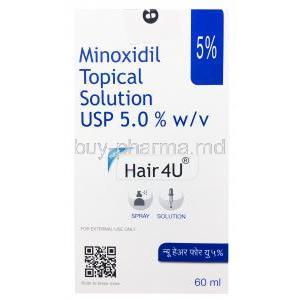
The defining active ingredient associated with Rogino Solution is minoxidil, commonly provided as a 5% w/v topical solution for hereditary hair loss on the scalp.
Inactive ingredients and excipients
Many minoxidil solutions use a simple solvent base to keep the active ingredient solubilized and spreadable. A frequently listed inactive-ingredient set for minoxidil solution includes:
- Alcohol (vehicle/solvent; promotes evaporation)
- Propylene glycol (cosolvent; can influence skin feel and irritation potential)
- Purified water (diluent)
Role of each component in formulation stability and efficacy
The vehicle system is not cosmetic trivia—it influences the way the product behaves on skin.
- Alcohol improves drying time and can enhance penetration, but may increase dryness in reactive scalps.
- Propylene glycol assists solubility and distribution, yet may contribute to pruritus or irritant dermatitis in susceptible users.
- Water moderates the solvent system and can affect spreadability.
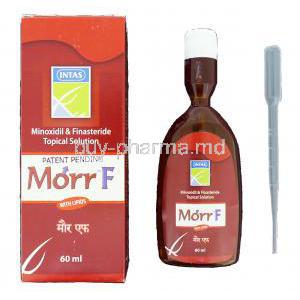
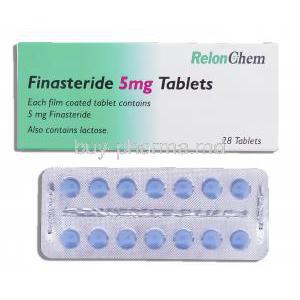
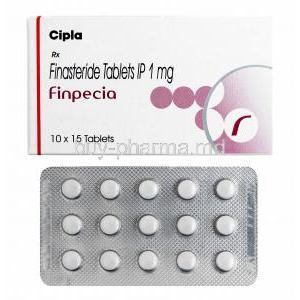
Minoxidil and finasteride
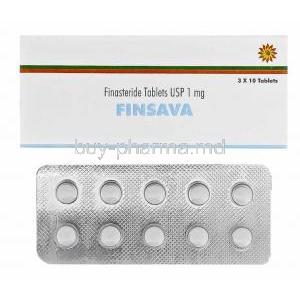
Finasteride and minoxidil are two effective, FDA-approved treatments for male pattern baldness (androgenetic alopecia), often used together for better results, with finasteride blocking DHT (a hormone causing hair loss) and minoxidil (a vasodilator) improving blood flow to follicles to promote growth, though they have different applications and potential side effects, such as sexual issues with finasteride and scalp irritation with topical minoxidil.
How Rogino Solution Works (Mechanism of Action)
Pharmacological mechanism at the cellular and tissue level
Minoxidil’s exact hair-growth mechanism is not fully delineated, but it is understood to act as a follicular modulator. At the tissue level, topical minoxidil is associated with changes that can support a more favorable growth milieu—often described as improved follicular function and extension of the anagen phase.
Effects on targeted physiological pathways
Clinically, the intended effect is localized to scalp follicles in thinning areas. The therapy is aimed at:
- Encouraging thicker-appearing hair shafts over time
- Reducing the rate of visible thinning in responsive users
- Supporting regrowth primarily in crown/vertex regions (depending on product labeling)
Onset of action and duration of therapeutic effect
Hair cycling is slow biology. Early changes may be subtle, and initial shedding can occur as follicles transition between phases. Visible results are often discussed in the 3–6 month window with consistent use, and continued application is typically required to sustain gains; discontinuation may allow hair loss to resume.
Uses of Rogino Solution (Approved Indications)
Primary medical indications
The primary use for minoxidil-based solutions is hereditary hair loss (androgenetic alopecia) on the scalp—particularly thinning at the crown in men, consistent with many 5% solution product directions.
Dermatological or systemic uses (as applicable)
Rogino Solution is intended for topical dermatologic use on the scalp. It is not designed for systemic blood-pressure effects when used as directed. Application should be confined to intact scalp skin unless a clinician advises otherwise.
Symptom relief and disease-modifying roles
Hair loss treatments occupy a nuanced space between symptom management and modifying progression. Topical minoxidil is generally positioned to:
- Slow progression of patterned thinning in some users
- Promote regrowth to varying degrees, depending on follicular responsiveness
- Improve cosmetic density rather than “cure” the underlying predisposition
Off-Label Uses of Rogino Solution
Commonly recognized off-label applications
In clinical practice, minoxidil is sometimes used beyond classic vertex thinning, depending on clinician judgment and patient-specific factors. Examples that may be discussed off-label include:
- Use in women with patterned hair loss (often with tailored strength/form selection)
- Adjunctive support for certain non-scarring alopecias under supervision
- Targeted use in other scalp-thinning patterns (recognizing label limitations)
Emerging or investigational uses
Minoxidil continues to be studied in different delivery systems and combinations, including alternative vehicles and regimens intended to optimize tolerability or adherence. Investigational directions vary by region and should be interpreted cautiously.
Clinical rationale and supporting evidence for off-label use
The off-label rationale generally rests on the same biologic premise: if a follicle remains viable (not destroyed by scarring), a growth-supportive signal may improve shaft caliber or anagen persistence. However, outcomes can be heterogeneous, and benefits must be weighed against irritation risk and realistic expectations.
Dosage and Administration
Standard dosing recommendations
A common labeled regimen for 5% minoxidil solution is 1 mL applied to the scalp twice daily in the affected hair-loss area. Applying more or more frequently does not typically improve outcomes and may increase adverse effects.
Frequency and duration of use
Consistency is the therapeutic fulcrum. Daily use is generally required for months to evaluate response. If results occur, continued use is usually needed to maintain regrowth; stopping therapy may lead to renewed thinning over time.
How to Apply Minoxidil
- For external use on the scalp only
- Apply to clean, dry scalp skin in thinning areas
- Wash hands after application
- Allow the solution to dry before applying styling products or going to bed
Because many solutions are alcohol-based, they are typically flammable until dry. Keep away from open flame and heat sources during and immediately after application.
Dose adjustments based on condition severity
Topical minoxidil dosing is generally fixed by product labeling rather than “titrated” to severity. If irritation, dermatitis, or systemic symptoms occur, a clinician may advise changes such as switching formulation type, reducing frequency temporarily, or discontinuing use.
Administration in Special Populations
Administration to Elderly Patients
Older adults may have increased baseline scalp fragility, xerosis, or comorbidities that affect tolerability. Practical considerations include:
- Monitoring for scalp irritation or contact dermatitis
- Reviewing cardiovascular history if concerning symptoms occur
- Optimizing adherence with a simple, repeatable routine
Administration to Pregnant Women and Nursing Mothers
Use during pregnancy and breastfeeding should be approached conservatively. Because safety data are limited for cosmetic hair regrowth indications, a clinician should evaluate risk–benefit on a case-by-case basis. Avoid unsupervised use in these
Common Side Effects
Rogino Solution is generally well tolerated when used as directed. Most adverse reactions are localized and mild in nature, reflecting the scalp’s response to the active ingredient and solvent system. These effects are often transient and may diminish as the skin adapts to continued use.
Minoxidil Side Effects
- Scalp itching or pruritus
- Mild burning or stinging sensation at the application site
- Dryness, flaking, or scaling of the scalp
- Redness or mild irritation
Such reactions are commonly associated with the alcohol or propylene glycol vehicle rather than the active ingredient itself.
Expected reactions during initial use
During the first weeks of therapy, some individuals may notice temporary shedding of existing hair. This phenomenon is typically attributed to follicles transitioning from the resting (telogen) phase into the growth (anagen) phase and is usually self-limiting.
Less Common or Serious Side Effects
Although uncommon, more significant adverse reactions have been reported. These require prompt attention, as they may indicate systemic absorption or heightened sensitivity.
Rare but clinically significant reactions
- Rapid or irregular heartbeat
- Dizziness or lightheadedness
- Swelling of hands, feet, or face
- Unexplained weight gain due to fluid retention
Indications for discontinuation and medical consultation
Immediate cessation and medical evaluation are advised if chest pain, fainting, severe scalp inflammation, or signs of systemic effects occur. Persistent or worsening local reactions also warrant professional assessment.
Drug and Product Interactions
While Rogino Solution is a topical therapy, interactions can still occur, particularly when combined with other treatments affecting the scalp or cardiovascular system.
Interactions with prescription medications
Concomitant use with antihypertensive agents or vasodilators may theoretically potentiate systemic effects. Patients with cardiovascular conditions should be monitored closely if such combinations are unavoidable.
Interactions with topical or cosmetic products
- Concurrent use of topical corticosteroids may alter absorption
- Hair dyes or chemical treatments can increase scalp irritation
- Occlusive products may enhance penetration and irritation risk
Effects of concomitant therapies on efficacy or safety
Using multiple scalp treatments simultaneously can confound therapeutic outcomes, either diminishing efficacy or amplifying adverse reactions. Staggered application schedules may reduce these risks.
Warnings and Safety Information
Important safety alerts
For external use only. Avoid contact with eyes, mucous membranes, or broken skin. The solution is flammable until fully dry and should be kept away from open flames.
Conditions requiring close supervision
- Pre-existing cardiovascular disease
- History of scalp dermatoses or hypersensitivity
- Concurrent systemic illness requiring vasoactive medications
Risk factors that may increase adverse outcomes
Over-application, use on inflamed skin, or deviation from recommended dosing schedules can elevate the likelihood of systemic absorption and adverse events.
Contraindications
Known hypersensitivity to components
Rogino Solution should not be used in individuals with a documented allergy to minoxidil or any formulation excipients.
Medical conditions where use is prohibited
- Unexplained or sudden hair loss
- Scalp infections, abrasions, or inflammatory disorders
Situations requiring absolute avoidance
Use is contraindicated in patients advised against vasodilatory agents or those experiencing severe adverse reactions to prior topical hair-growth treatments.
Careful Administration and Important Precautions
Proper application or administration practices
Apply only the prescribed amount to dry scalp skin. Spread evenly and allow the solution to dry completely before covering the area.
Avoidance of misuse or overuse
Exceeding recommended doses does not enhance efficacy and may increase the risk of systemic side effects.
Monitoring response to therapy
Periodic evaluation of scalp condition and hair density over several months is advised to assess benefit and tolerability.
Overdosage
Signs and symptoms of overdose
- Marked hypotension
- Tachycardia
- Edema or sudden weight gain
Immediate management and supportive measures
Discontinue use immediately and seek medical attention. Management is primarily supportive and symptom-directed.
Long-term risks associated with excessive exposure
Chronic misuse may predispose to cardiovascular stress and persistent scalp irritation, underscoring the importance of adherence to dosing guidance.
Storage and Stability
Recommended storage conditions
Store at room temperature in a tightly closed container. Keep away from excessive heat and direct sunlight.
Shelf life and expiration considerations
Do not use beyond the labeled expiration date, as chemical stability and efficacy cannot be guaranteed.
Protection from light, heat, or contamination
Ensure the applicator tip remains clean and uncontaminated to preserve product integrity.
Handling Precautions
Safe handling and disposal instructions
Dispose of unused or expired product according to local regulations. Avoid pouring large quantities into drains.
Measures to prevent accidental exposure
- Keep out of reach of children
- Wash hands thoroughly after application
Guidance for caregivers and healthcare professionals
Educate users on correct application techniques, potential adverse effects, and the necessity of consistent yet cautious use to optimize outcomes while minimizing risk.
Rogino Soluton FAQ
- What is Rogino Solution used for?
- Is minoxidil safe for pregnancy?
- Is minoxidil safe for migraines?
- Is minoxidil weight gain permanent?
- Does minoxidil stop hair loss?
- How long does minoxidil take to work?
- What happens if a woman uses 5% minoxidil?
- Does minoxidil get absorbed into the bloodstream?
- What happens after 3 months of minoxidil?
- Can minoxidil cause brain fog?
- What are the signs that minoxidil is working?
- Can minoxidil affect sleep?
- Does minoxidil cause chubby cheeks?
- Does minoxidil make you tired?
- Can minoxidil regrow a full head of hair?
- Who should not use minoxidil?
What is Rogino Solution used for?
Rogino is used to treat hair loss in men, also known as male pattern baldness. Rogino works to increase the blood flow around the hair follicles, which stimulates hair growth.
Is minoxidil safe for pregnancy?
Not recommended for pregnant and breastfeeding women
Is minoxidil safe for migraines?
No
Is minoxidil weight gain permanent?
No
Does minoxidil stop hair loss?
Yes
How long does minoxidil take to work?
6-8 weeks
What happens if a woman uses 5% minoxidil?
Thicker regrowth but prone to side effects
Does minoxidil get absorbed into the bloodstream?
Yes
What happens after 3 months of minoxidil?
Hair shedding
Can minoxidil cause brain fog?
No
What are the signs that minoxidil is working?
1-2 Months: Increased shedding
2-4 Months: Decreased shedding and increased regrowth
Can minoxidil affect sleep?
Yes
Does minoxidil cause chubby cheeks?
Yes
Does minoxidil make you tired?
No
Can minoxidil regrow a full head of hair?
No
Who should not use minoxidil?
Patients with a known reaction to the drug or its constituents
Popular Products
Similar Product