1. Introduction to Tugain Solution (Minoxidil)
1.1 Overview of Tugain Solution as a Topical Hair Regrowth Therapy
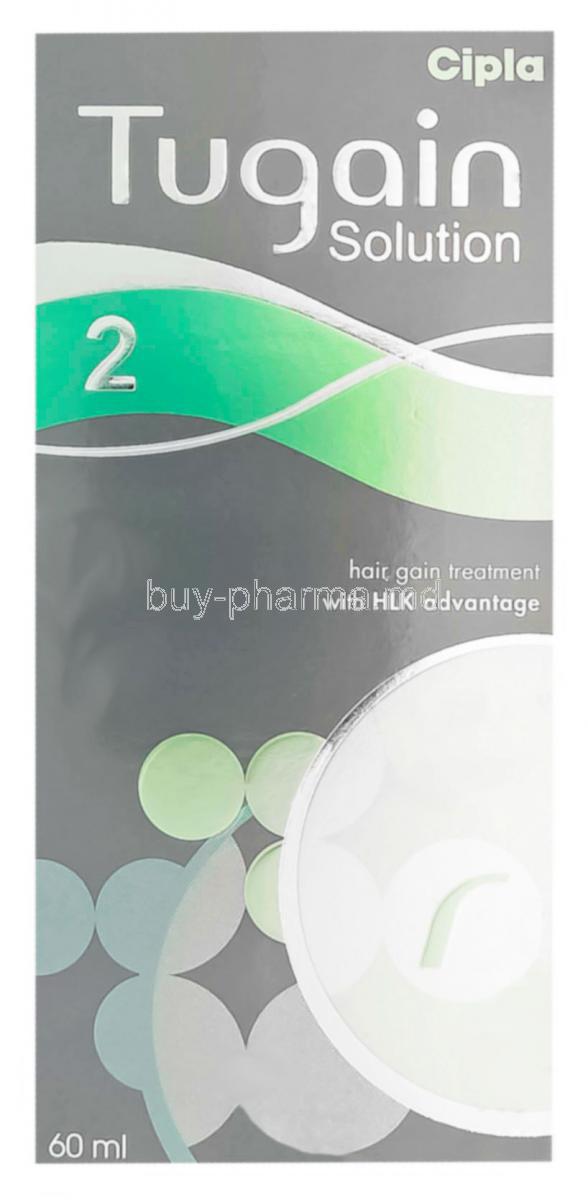
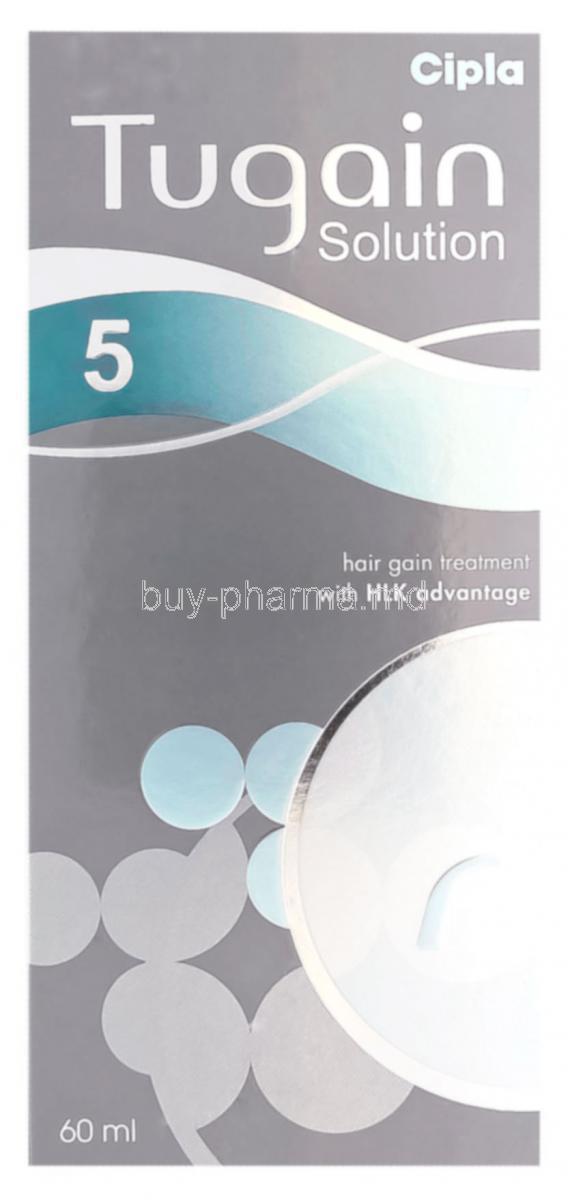
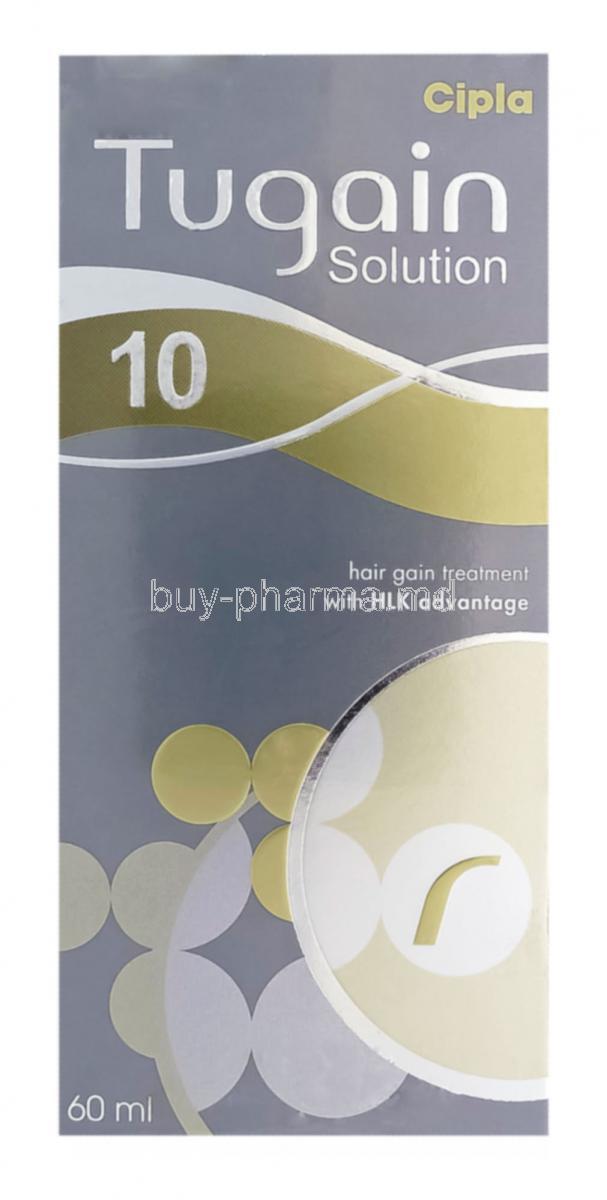
Tugain Solution is a clinically utilized minoxidil-based topical formulation engineered to stimulate dormant hair follicles and restore natural hair density. It is widely recognized for its capacity to revive thinning areas on the scalp, delivering visible improvements in growth patterns over consistent use. Its lightweight texture allows easy absorption, making it suitable for daily application.
1.2 Therapeutic Purpose and Target Users
The primary therapeutic aim of Tugain Solution is to counteract androgenetic alopecia, a hereditary and progressive form of hair loss. Individuals experiencing diffuse thinning, receding hairlines, or crown-area hair reduction may benefit from this formulation.
- Men with male-pattern baldness
- Women with female-pattern hair loss
- Adults with early-stage alopecia seeking preventive intervention
1.3 FDA Classification and Global Clinical Relevance
Minoxidil, the active ingredient in Tugain Solution, is FDA-approved for topical treatment of androgenetic alopecia. Its global acceptance extends across dermatological guidelines and clinical protocols, reinforcing its relevance as a first-line therapy in hair-loss management.
1.4 Role of Minoxidil in Modern Hair-Loss Management
Minoxidil continues to serve as a cornerstone therapy for hair regrowth due to its ability to prolong follicular activity and enhance hair strand robustness. Modern treatment regimens often integrate minoxidil with oral supplements, ketoconazole shampoos, and procedural therapies for enhanced outcomes.
1.5 Comparison with Other Topical Alopecia Treatments
Unlike herbal tonics or peptide serums, Tugain Solution works through medically validated mechanisms. Compared with corticosteroid solutions or immunotherapy lotions, minoxidil is more widely tolerated and suited for long-term daily use. Its non-hormonal nature makes it especially versatile.
2. Pharmacological Background and Mechanism of Action
2.1 Scientific Basis of Minoxidil as a Vasodilator
Minoxidil was originally developed as an oral vasodilator for hypertension. Its topical form maintains this property, triggering dilation of scalp blood vessels and facilitating nutrient diffusion toward follicles.
2.2 Mechanism of Action in Promoting Hair Follicle Activity
By activating potassium ATP channels, minoxidil encourages follicular cells to shift from dormancy into active growth mode. This cellular activation results in thicker, stronger hair shafts over time.
2.3 Effects on Hair Growth Cycle (Anagen, Catagen, Telogen)
Minoxidil prolongs the anagen, or growth phase, and delays premature entry into the telogen resting phase. This leads to more follicles producing hair simultaneously, giving the scalp fuller coverage.
2.4 Improvement in Scalp Blood Flow and Follicular Nutrient Delivery
Enhanced microcirculation ensures better oxygenation and supply of amino acids, minerals, and essential growth-supporting molecules. This improved nourishment supports a healthier hair environment.
2.5 Cellular and Molecular Pathways Influenced by Minoxidil
Minoxidil influences vascular endothelial growth factor (VEGF) expression, promoting angiogenesis around the follicles. This bioactivity further strengthens the follicular structure and boosts hair stamina.
3. Composition and Formulation Details
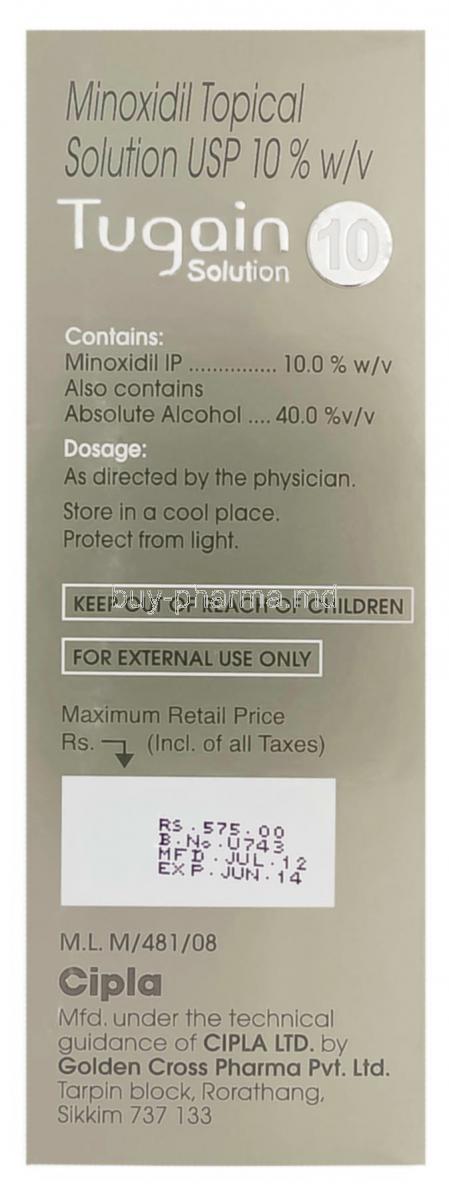
3.1 Active Ingredient: Minoxidil Concentration Options (2%, 5%, 10%, 12.5%)
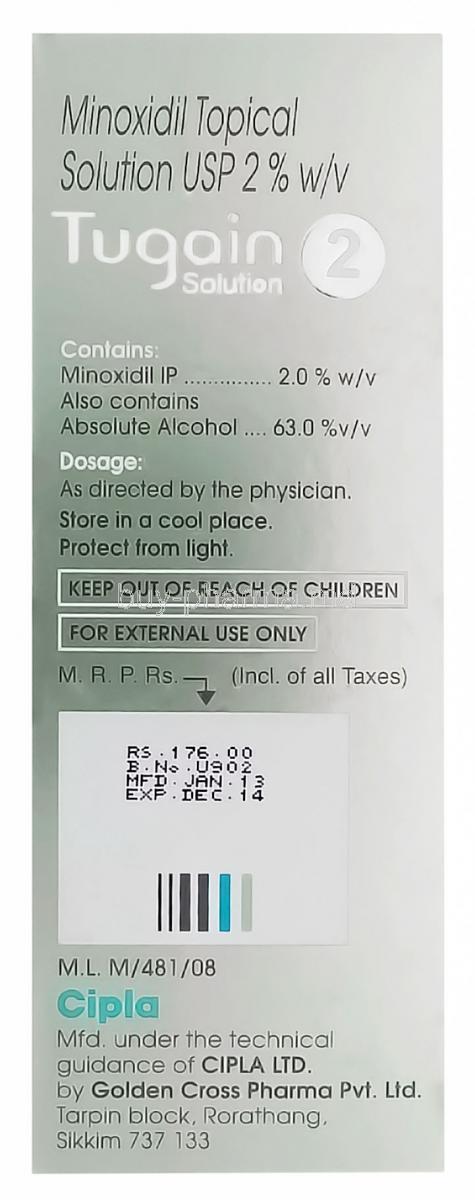
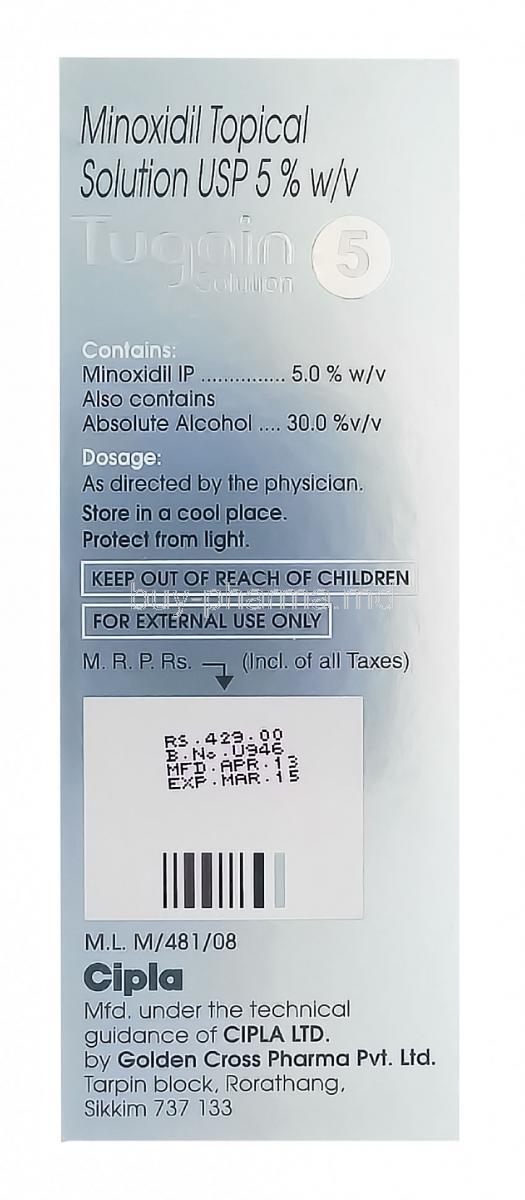
Tugain Solution is available in multiple strengths tailored to varying clinical needs. Lower concentrations are typically suited for women, while higher strengths are often preferred by men with established hair loss.
3.2 Inactive Ingredients and Their Functional Roles
- Alcohol: Enhances penetration of minoxidil into the scalp.
- Propylene glycol: Improves solubility and consistency of the solution.
- Purified water: Maintains formulation stability.
3.3 Alcohol and Propylene Glycol Content
The solution’s alcohol and glycol base ensures efficient drug delivery but may also contribute to dryness or irritation in sensitive individuals. Adequate moisturization may help mitigate such effects.
3.4 Formulation Differences: Solution vs Foam
While solutions offer deeper penetration due to glycol content, foam formulations provide a gentler alternative with reduced irritation risk. Tugain primarily utilizes the liquid solution format for robust absorption.
3.5 Stability Profile and Formulation-Specific Advantages
Tugain Solution maintains stability under standard storage conditions. Its chemical structure remains active for prolonged durations, supporting consistent efficacy with proper handling.
4. Approved Uses of Tugain Solution
4.1 Androgenetic Alopecia in Men
Men experiencing vertex thinning, receding temples, or generalized pattern baldness often respond favorably to Tugain Solution, particularly at higher concentrations.
4.2 Androgenetic Alopecia in Women
Women with diffuse thinning or widened part lines benefit from controlled-strength minoxidil solutions. Tugain provides a non-hormonal option suitable for long-term female use.
4.3 Early-Stage Thinning vs Advanced Hair Loss
Early intervention yields the most predictable outcomes. However, individuals with advanced baldness may still observe improvement in density and texture with consistent application.
4.4 Maintenance Therapy for Long-Term Hair Density
Continuous use is essential to sustain gains. Tugain assists in maintaining hair density by supporting ongoing follicular activity.
5. Off-Label Uses and Emerging Applications
5.1 Alopecia Areata Management
Although not a primary therapy, Tugain may serve as an adjunctive option in localized patches of alopecia areata.
5.2 Telogen Effluvium Supportive Therapy
In stress-induced or metabolic-related shedding, minoxidil helps accelerate recovery by encouraging quicker re-entry into the growth phase.
5.3 Postpartum Hair Shedding Recovery
Postpartum shedding is common and temporary. Tugain is sometimes used to manage the intensity of fallout under clinical supervision.
5.4 Adjunct Therapy After Hair Transplant Procedures
Clinicians often recommend minoxidil after transplantation to enhance graft survival and promote growth uniformity.
5.5 Use in Traction Alopecia and Chemical Hair Damage Recovery
Tugain helps improve density in areas weakened by prolonged tension hairstyles or chemical over-processing.
5.6 Beard Growth Enhancement (Men)
Some men utilize minoxidil off-label to increase beard density and coverage. Caution is advised due to sensitivity of facial skin.
5.7 Eyebrow Density Improvement (With Caution)
Low concentrations may be used to improve eyebrow fullness, but careful application is crucial to avoid irritation.
6. How Tugain Solution Works to Promote Hair Growth
6.1 Follicle Enlargement and Prolongation of Anagen Phase
Minoxidil expands follicular size and prolongs active growth, resulting in thicker strands and improved volume.
6.2 Reversal of Miniaturization in Androgen-Sensitive Follicles
It counteracts miniaturization—a hallmark of hereditary hair loss—allowing follicles to regenerate sturdier hair shafts.
6.3 Increased Vascularization and Oxygenation
Better vascular supply ensures follicles receive consistent oxygen and essential nutrients.
6.4 Impact on Potassium Channels and Cell Membrane Hyperpolarization
Minoxidil’s interaction with ion channels triggers physiological shifts that support sustained hair production.
6.5 Acceleration of New Hair Strand Formation
By stimulating rapid turnover from resting to growing phase, Tugain facilitates new hair formation over several weeks.
7. Dosage and Administration Guidelines
7.1 Standard Dosing Frequency for Adults
Most users apply Tugain Solution twice daily, ensuring consistent exposure of follicles to the active compound.
7.2 Recommended Dose Based on Concentration Strength
Higher strengths require smaller volumes per application, while lower concentrations may be used more liberally.
7.3 Correct Application Methods (Dropper, Spray, or Foam)
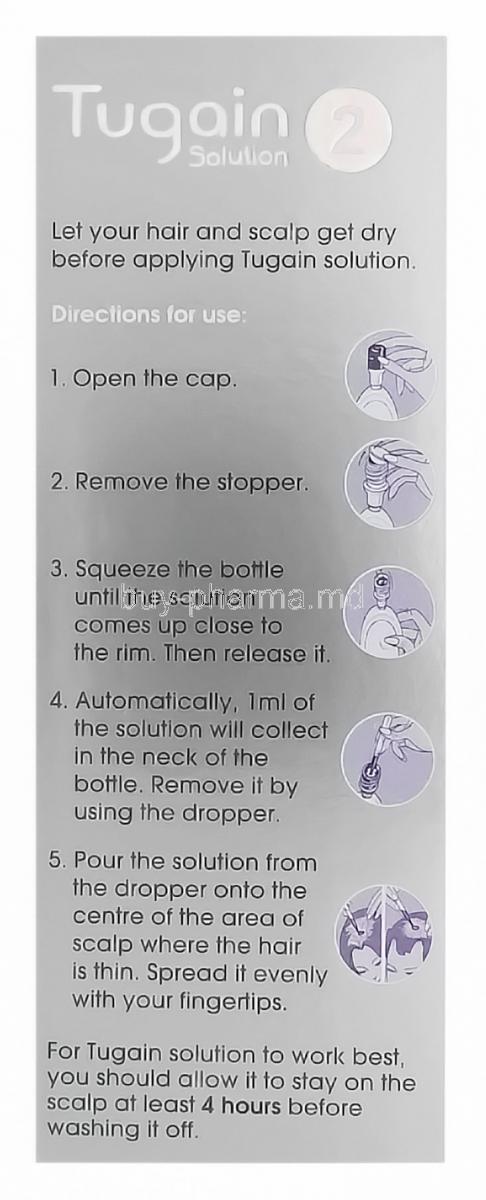
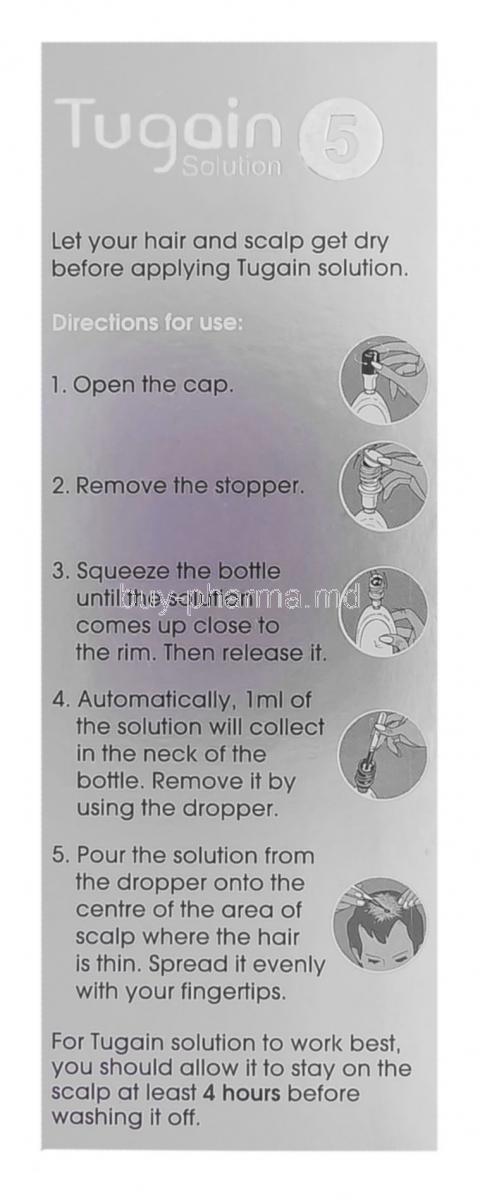
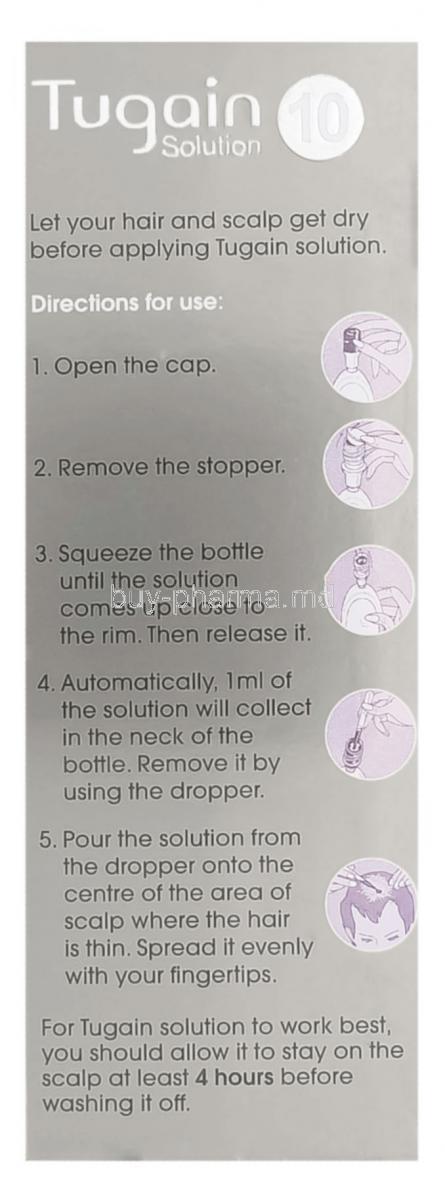
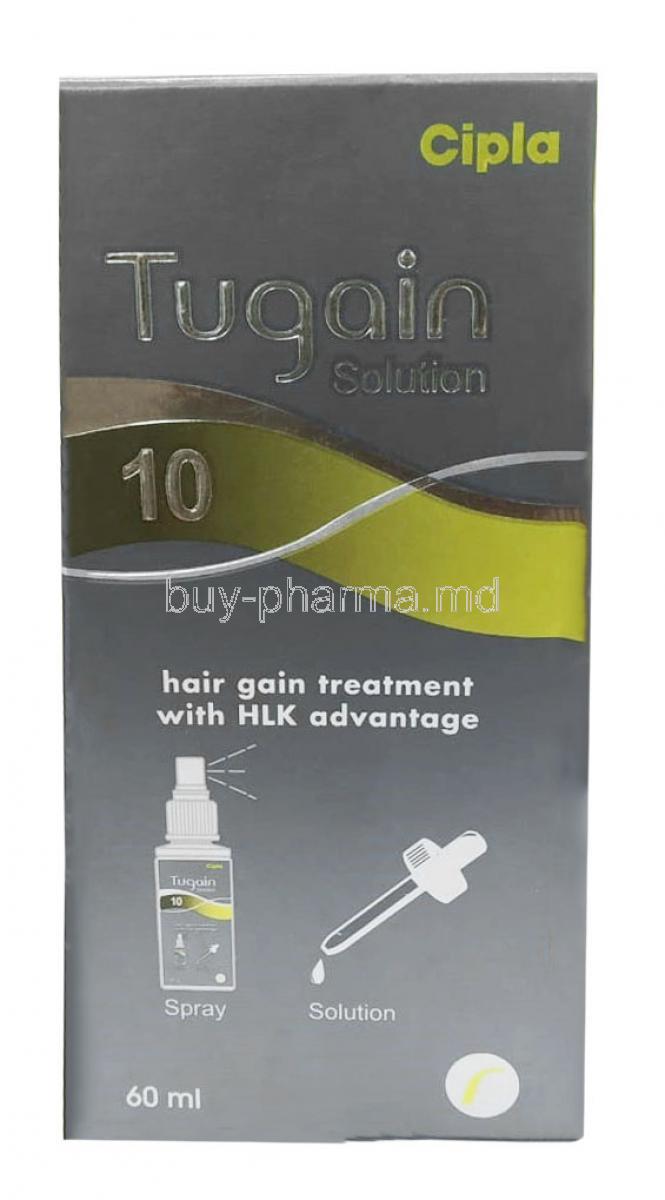
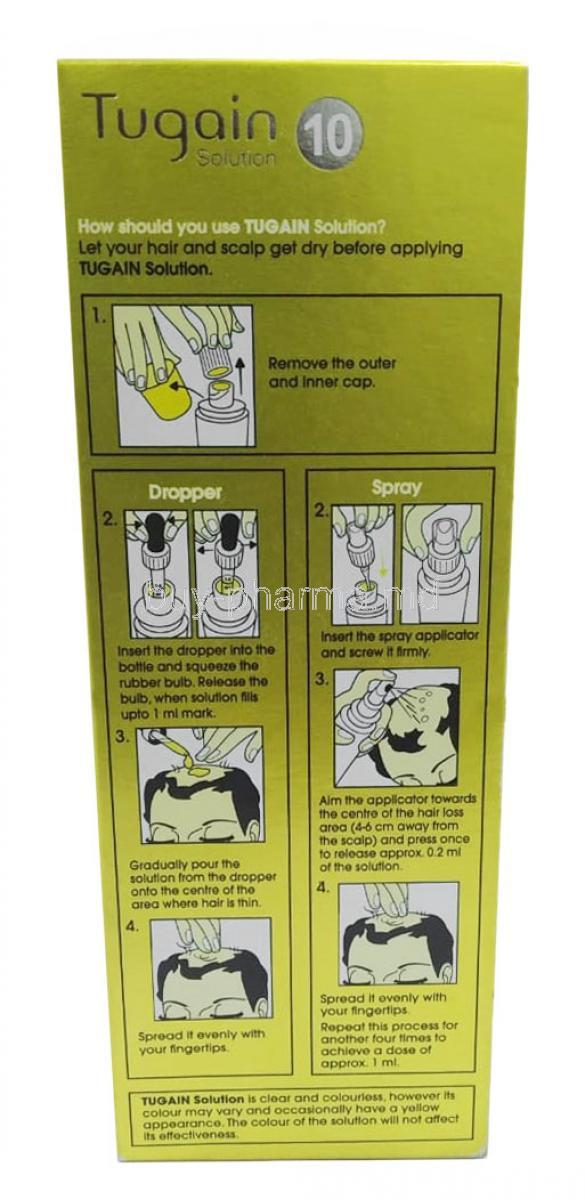
The solution may be dispensed using a dropper or spray applicator, ensuring precise placement on affected zones.
7.4 Application Areas and Scalp Preparation
The scalp should be clean and dry. The solution must be applied directly to thinning regions rather than spreading across unaffected areas.
7.5 Tips for Maximizing Absorption
- Use mild exfoliation weekly to reduce scalp buildup.
- Avoid washing the hair for at least 4 hours post-application.
7.6 Missed Dose Instructions
If a dose is missed, resume the next scheduled application without doubling.
7.7 Duration Required Before Noticing Results
Visible improvement may begin within 8–12 weeks. Full benefits often emerge around the 6-month mark.
7.8 Long-Term Usage Expectations and Maintenance Strategy
Continued use is vital. Discontinuing the solution may lead to gradual reversal of benefits.
8. Administration in Special Populations
8.1 Use in Elderly Patients
Elderly individuals may require lower-strength formulations due to increased scalp sensitivity.
8.2 Administration to Pregnant Women
Minoxidil use is generally not recommended during pregnancy due to potential systemic absorption.
8.3 Administration to Nursing Mothers
Caution is advised, as small amounts could theoretically be transferred through breast milk.
8.4 Pediatric and Adolescent Use Guidelines
Use in individuals under 18 should only occur with professional supervision.
8.5 Patients with Pre-Existing Scalp Conditions
Those with dermatitis, eczema, or psoriasis should proceed with caution and may require dermatological guidance.
8.6 Patients with Cardiovascular Disorders
Although topical, minimal systemic absorption may exacerbate underlying cardiovascular concerns.
9. Side Effects of Tugain Solution
9.1 Overview of Systemic and Localized Side Effects
Most adverse effects are mild and confined to the scalp. Rarely, systemic effects may occur, particularly with high concentrations.
9.2 Scalp-Related Reactions
Itching, flaking, dryness, and redness are the most frequently encountered reactions.
9.3 Systemic Effects Due to Excessive Absorption
Fast heartbeat, dizziness, or fluid retention may signal unwanted systemic absorption.
9.4 Differentiating Initial Hair Shedding from True Adverse Effects
Temporary shedding during early treatment is normal and signifies follicular turnover, not a harmful reaction.
10. Common Side Effects
10.1 Itching, Redness, Dryness, and Flaking
Common dermatologic reactions may appear during early use of Tugain Solution. Itching, redness, dryness, and flaking often stem from the scalp adjusting to active ingredients and alcohol-based carriers. These reactions are usually mild and transient.
- Dryness can occur due to evaporation of alcohol content.
- Flaking may resemble mild dandruff in sensitive individuals.
- Redness often subsides with consistent usage or moisturization.
10.2 Temporary Increased Hair Shedding
A brief period of increased shedding may occur within the first few weeks. This phenomenon reflects old hairs exiting the telogen phase to make way for stronger, anagen-phase strands. Though alarming, this shedding is typically temporary and self-limiting.
10.3 Scalp Irritation Due to Alcohol/Propylene Glycol
Some individuals may experience irritation triggered by propylene glycol or the alcohol base. These ingredients enhance penetration but may also cause stinging or burning sensations. Switching to formulations with lower glycol content may provide relief.
10.4 Headaches or Dizziness
Headaches or mild dizziness may occur, especially when minoxidil absorbs systemically in small amounts. These symptoms are infrequent but should be monitored carefully. Persistent discomfort warrants discontinuation.
10.5 Unwanted Facial Hair Growth (Hypertrichosis)
Hypertrichosis may appear if Tugain Solution inadvertently reaches facial or non-target areas. Trace transfer from pillows, hands, or sweat may cause fine hair growth on the forehead or cheeks. Careful application reduces this risk.
11. Important Warnings and Safety Precautions
11.1 Risk of Systemic Absorption in Susceptible Individuals
While primarily topical, small amounts of minoxidil may enter systemic circulation. Individuals with sensitive physiology or damaged skin barriers may absorb higher quantities than expected.
11.2 Cardiovascular Warnings Due to Vasodilatory Activity
Minoxidil exerts vasodilatory effects, which may cause palpitations, rapid heart rate, or fluid retention in rare cases. Individuals with cardiac conditions should exercise heightened caution.
11.3 Avoidance of Application on Irritated or Damaged Skin
Broken, inflamed, or sunburned skin increases absorption and irritation. Tugain Solution should never be applied to areas showing abrasions or active lesions.
11.4 Fire Hazard Warning with Alcohol-Based Formulations
Due to high alcohol content, the solution is flammable. Users must avoid flames, cigarettes, or heat sources until the product fully dries.
11.5 Occupational Exposure Concerns
Individuals working in environments requiring chemical-sensitive skin or protected hands should ensure that minoxidil residue does not contaminate surfaces, tools, or protective gear.
11.6 Avoiding Contact with Eyes, Mouth, and Other Sensitive Areas
Accidental contact may cause significant irritation. Immediate rinsing with cool water is advised if exposure occurs.
12. Contraindications
12.1 Known Hypersensitivity to Minoxidil or Formulation Components
Anyone with prior allergic reactions to minoxidil, alcohol, or propylene glycol should avoid using Tugain Solution due to risk of severe irritation or rash.
12.2 Presence of Scalp Infections or Active Dermatitis
Active infections or inflammatory skin disorders can worsen with application. Tugain should only be used once the scalp is fully healed.
12.3 Sudden or Unexplained Hair Loss
Rapid or patchy hair loss may signify an underlying medical condition. Tugain is not recommended until a proper diagnosis is confirmed.
12.4 Scalp Psoriasis with Erosion
Erosive psoriasis increases systemic penetration, heightening the risk of unwanted systemic effects.
12.5 Use in Pregnant or Breastfeeding Women (Risk Considerations)
Minoxidil is not recommended during pregnancy or lactation due to potential absorption and theoretical fetal risks.
12.6 Patients with Uncontrolled Cardiovascular Disease
Individuals with unstable cardiac conditions should avoid minoxidil, as even minor systemic absorption may exacerbate symptoms.
13. Careful Administration and Monitoring
13.1 Scalp Sensitivity and Pre-Existing Dermatologic Conditions
Those with eczema, seborrheic dermatitis, or sensitive skin should begin with minimal quantities and monitor reactions closely.
13.2 Use in Individuals with Low Blood Pressure
Minoxidil’s vasodilatory nature may cause mild hypotension in susceptible individuals. Monitoring blood pressure may be necessary for those prone to dizziness.
13.3 Patients with a History of Eczema or Allergies
Patch testing may be useful to avoid flare-ups. Reducing frequency temporarily may help sensitive users adapt.
13.4 Monitoring for Signs of Systemic Effects
Signs such as swelling of hands/feet, palpitations, or shortness of breath indicate possible systemic absorption and warrant discontinuation.
13.5 Dose Adjustment Considerations
Some individuals may require reduced frequency, lower concentrations, or alternative formulations if irritation persists.
14. Drug Interactions
14.1 Interaction with Other Topical Hair Growth Treatments
Using multiple hair growth agents simultaneously may amplify irritation. Sequential rather than combined application is preferred.
14.2 Interactions with Corticosteroids, Retinoids, and Keratolytics
These agents thin the skin barrier and increase absorption of minoxidil, raising the risk of systemic spillover.
14.3 Increased Absorption When Combined with Alcohol-Based Products
Alcohol-heavy serums or tonics may accelerate penetration, potentially leading to dryness or irritation.
14.4 Interaction with Antihypertensive Medications
Minoxidil may enhance the effects of blood pressure medications, contributing to dizziness or unexpected drops in pressure.
14.5 Compatibility with Hair Dyes and Salon Treatments
Hair dyes, perms, or bleaching procedures may temporarily irritate the scalp. Tugain should be avoided for 24–48 hours around such treatments.
15. Overdose and Excessive Exposure
15.1 Signs of Topical Overdose
Excessive application may lead to severe dryness, inflammation, rapid heartbeat, or swelling.
15.2 Management of Accidental Oral Ingestion
Ingesting minoxidil is potentially dangerous due to its systemic vasodilator properties. Immediate medical evaluation is necessary.
15.3 Emergency Symptoms Requiring Immediate Care
- Chest pain or tightness
- Severe dizziness
- Breathing difficulties
- Sudden swelling of limbs
15.4 Decontamination and Supportive Treatment
Supportive care, activated charcoal (in ingestion cases), and fluid monitoring may be implemented to minimize systemic complications.
15.5 Long-Term Systemic Risks
Chronic overdose may contribute to persistent edema, cardiovascular strain, or hormonal-like hair growth in unintended areas.
16. Handling and Storage Instructions
16.1 Storage Temperature and Conditions
Store Tugain Solution in a cool, dry environment away from direct sunlight. Excess heat can destabilize the formulation.
16.2 Keeping the Solution Away from Heat and Flames
The alcohol content renders the solution highly flammable. It must be kept away from stoves, heaters, and open flames.
16.3 Proper Sealing to Prevent Evaporation
Tightly sealing the bottle prevents alcohol evaporation, which preserves potency and consistency.
16.4 Shelf Life and Stability Guidelines
Proper storage supports full shelf-life stability. Discard the solution if color, odor, or texture changes dramatically.
16.5 Safe Handling to Avoid Contamination
Using clean hands and applicators ensures no microbial contamination enters the bottle.
16.6 Storage Away from Children and Pets
Accidental ingestion or misuse poses risks. Always store the product in secure locations.
17. Handling Precautions for Users
17.1 Preventing Accidental Transfer to Other Body Parts
Residual solution on the fingers can transfer to the face, neck, or other unintended areas, leading to unwanted hair growth.
17.2 Hand-Washing Protocols After Application
Thorough washing with soap and water removes leftover solution and prevents accidental contact.
17.3 Ensuring Full Drying Before Sleeping or Wearing Hats
Allowing complete drying prevents pillow or fabric contamination, reducing the risk of facial hair growth.
17.4 Avoiding Use Before Swimming or Sweating Heavily
Water exposure can dilute or spread the solution, diminishing effectiveness and increasing accidental spread.
17.5 Preventing Exposure to Infants or Pregnant Individuals
Close contact should be avoided until the scalp is fully dry, as even trace transfer may be undesirable for vulnerable individuals.
Tugain Solution, Minoxidil FAQ
Customers also bought

Popular Products
Similar Product