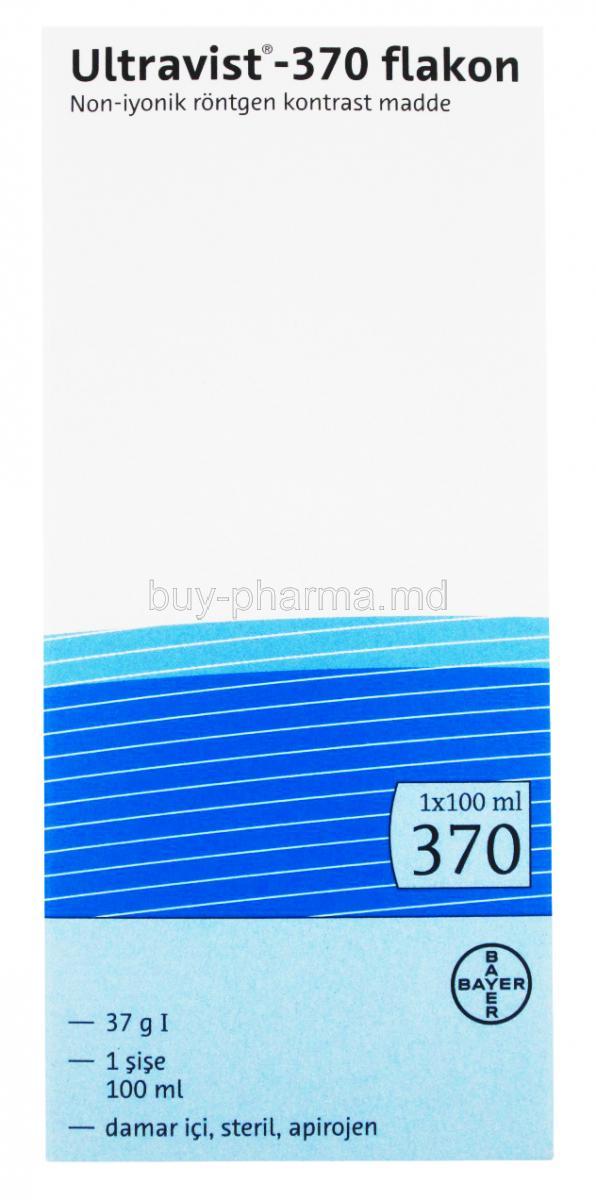
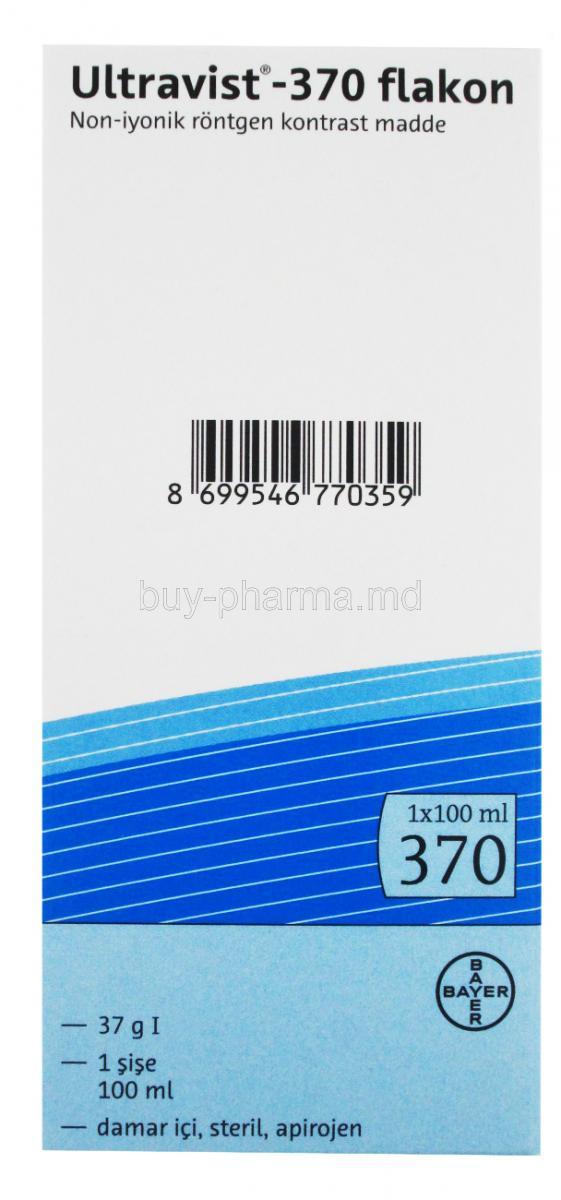
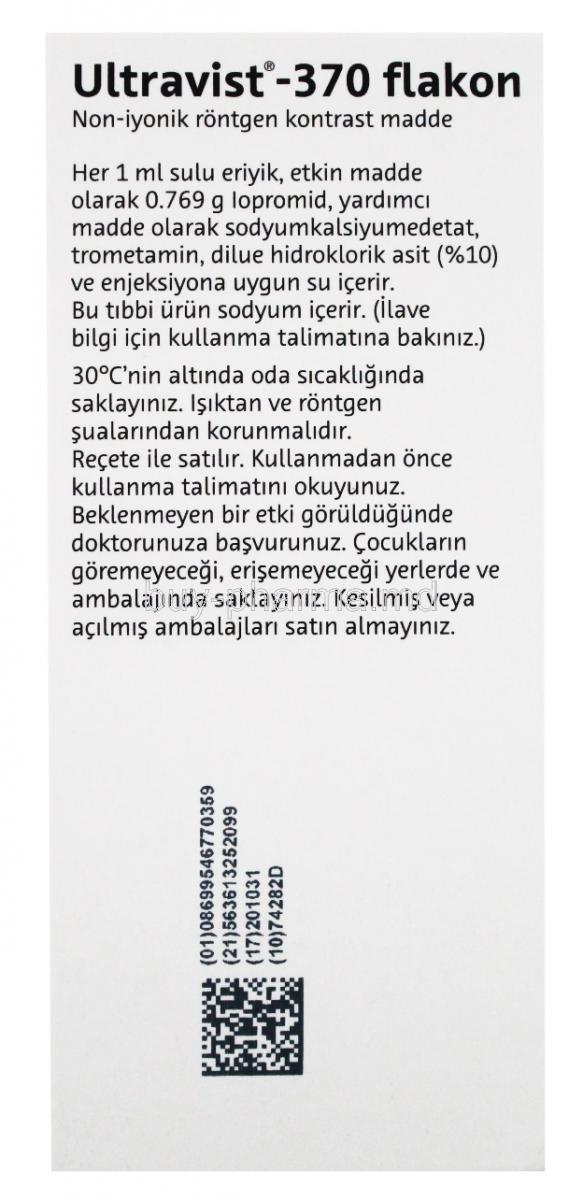
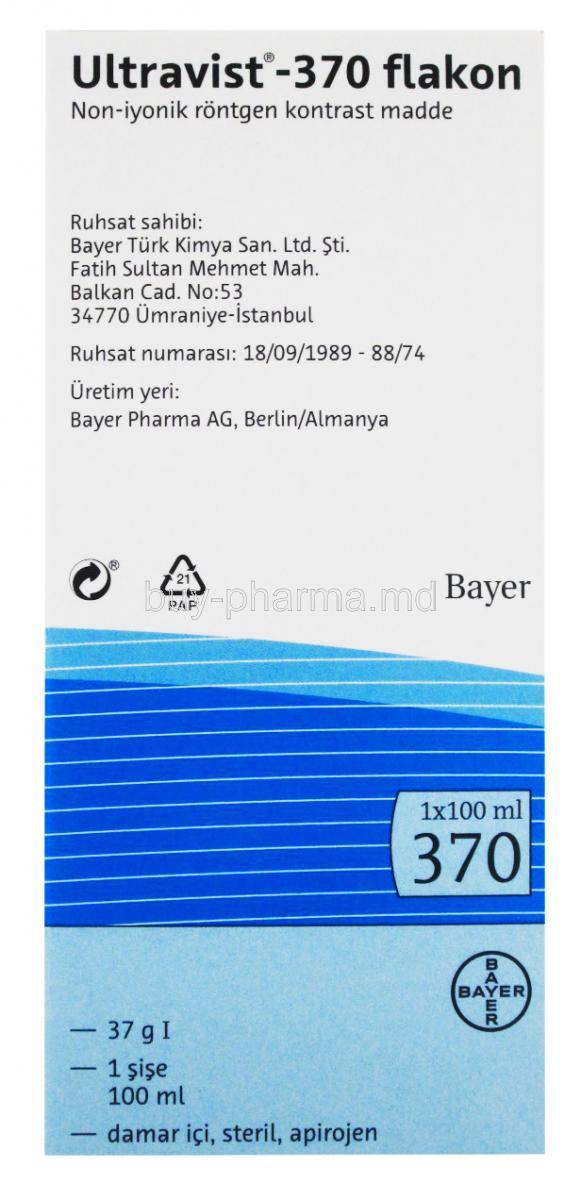
Ultravist, Iopromide
- 1. Introduction to Ultravist (Iopromide)
- 2. Composition and Pharmaceutical Characteristics
- 3. How Ultravist (Iopromide) Works
- 4. Approved Medical Uses of Ultravist (Iopromide)
- 5. Off-Label Uses of Ultravist (Iopromide)
- 6. Dosage and Administration
- 7. Side Effects of Ultravist (Iopromide)
- 8. Drug and Substance Interactions
- 9. Warnings and Safety Information
- 10. Contraindications
- 11. Careful Administration and Important Precautions
- 12. Administration to Special Populations
- 13. Overdosage
- 14. Storage and Stability
- 15. Handling Precautions and Safe Use
1. Introduction to Ultravist (Iopromide)
Ultravist is a non-charged iodinated contrast agent. Ultravist is used in many of the medical imaging tests. Ultravist is designed to give pictures and to be easy for the patients to handle. Ultravist in practice, as the imaging technology has changed. Ultravist and other contrast agents have become tools for making the details of the body and the blood vessels show up clearly. In modern diagnostic imaging, Ultravist plays a critical role in improving visualization of blood vessels, organs, and pathological structures. It is widely utilized in computed tomography and angiographic studies where precise contrast enhancement is essential for accurate interpretation. Among low-osmolar contrast media (LOCM), Ultravist is a well-established option that balances reduced osmolality with robust radiographic performance.
2. Composition and Pharmaceutical Characteristics
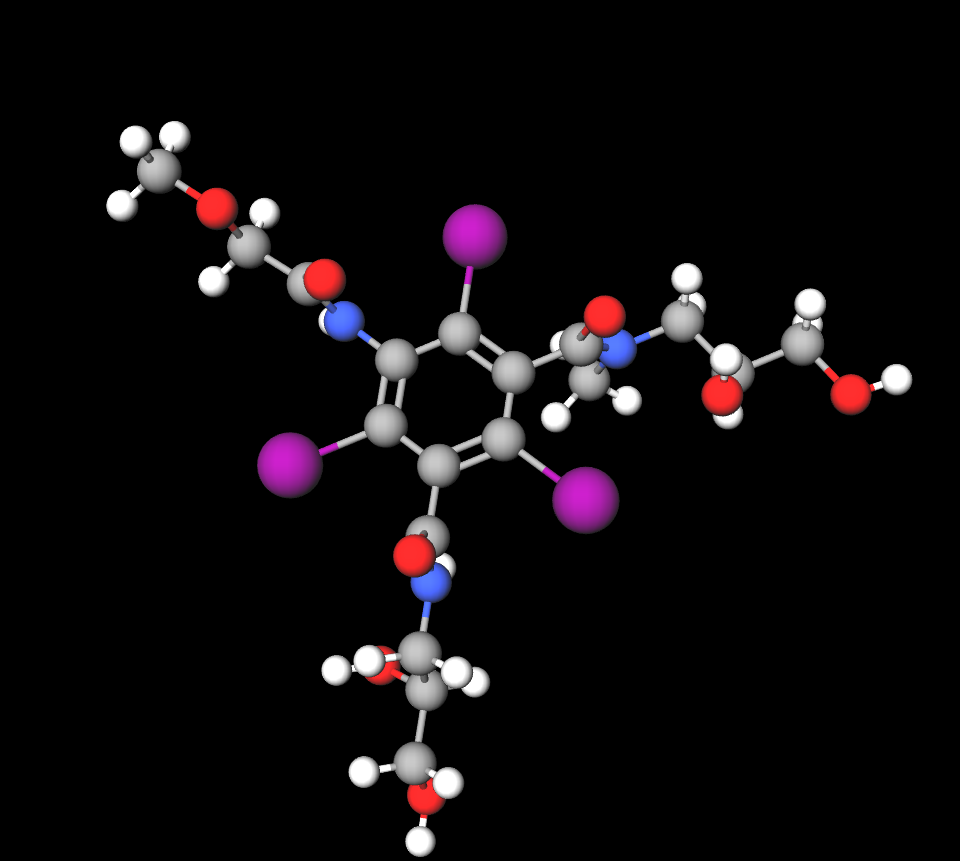
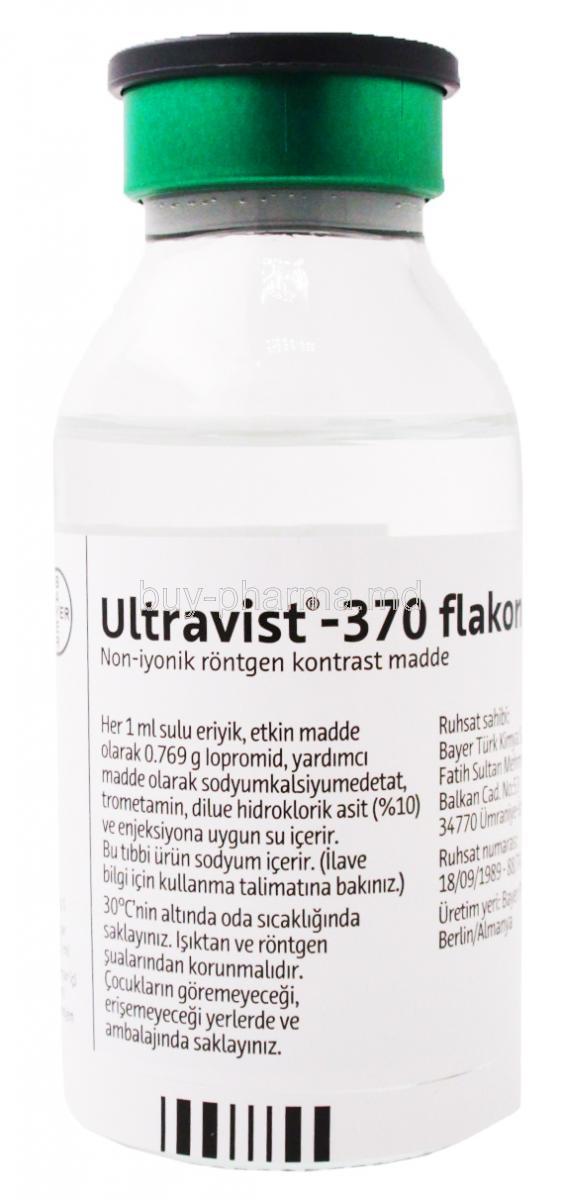
The active pharmaceutical ingredient in Ultravist is iopromide, a tri-iodinated, water-soluble compound engineered for intravascular administration. Iopromide contains a high iodine density, which is fundamental to its contrast-enhancing capability.
- Available iodine concentrations typically include 240 mg, 300 mg, and 370 mg iodine per milliliter
- Formulated to accommodate diverse imaging requirements and injection protocols
From a physicochemical perspective, Ultravist exhibits controlled osmolality and viscosity, allowing smoother injection and reduced patient discomfort. Its hydrophilic molecular structure facilitates rapid mixing with blood and extracellular fluids. Inactive ingredients are carefully selected to ensure stability, sterility, and compatibility with vascular tissues while maintaining a neutral pH suitable for intravenous use.
Ultravist vs omnipaque
Ultravist and Omnipaque are both non-ionic, low-osmolar contrast media (LOCM) featuring similar safety profiles. However, Ultravist’s lower viscosity at high iodine concentrations frequently makes it the preferred choice for high-flow arterial imaging.
Ultravist vs visipaque
Visipaque is iso-osmolar, meaning its concentration of particles matches that of human blood. In contrast, Ultravist is classified as low-osmolar, which is still higher than blood but lower than older "high-osmolar" agents.
Iopromide vs iopamidol
While Iopromide (Ultravist) and Iopamidol (Isovue) are both nonionic contrast agents used in CT and MRI, they serve distinct roles in specialized acidoCEST MRI applications. Iopromide is often preferred for its superior dynamic range in pH measurement and its ability to achieve deeper tumor penetration, making it ideal for broad-scale mapping. Conversely, Iopamidol is valued for its higher precision, providing more stable and consistent pH readings within the tumor environment.
3. How Ultravist (Iopromide) Works
Ultravist enhances radiographic imaging by increasing the attenuation of X-rays as they pass through iodinated regions of the body. Iopromide's iodine atoms absorb X-ray photons efficiently, producing a contrast differential between vascular structures and surrounding tissues.
Once administered, the agent distributes rapidly within the intravascular and extracellular compartments. This behavior allows for:
- Clear delineation of blood vessels
- Enhanced visualization of organs and soft tissues
- Improved detection of structural abnormalities
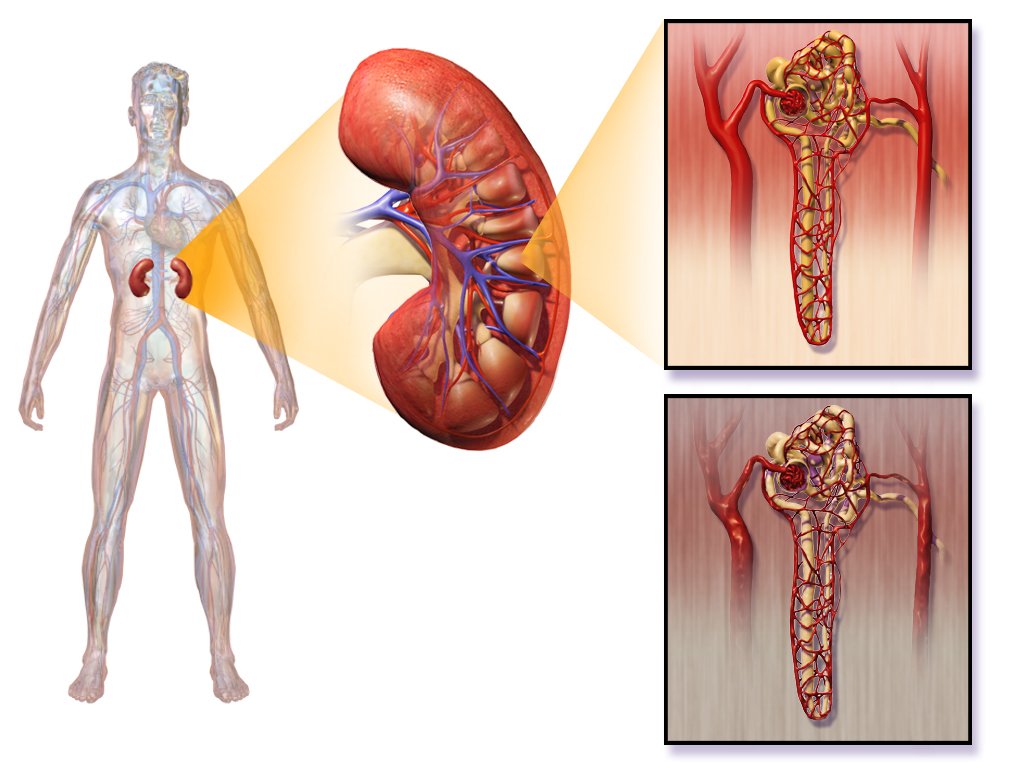
Ultravist does not undergo metabolic transformation. It is eliminated primarily via renal excretion through glomerular filtration, with pharmacokinetics closely correlated to renal function. Plasma half-life is typically short in individuals with normal kidney performance.
4. Approved Medical Uses of Ultravist (Iopromide)
4.1 Diagnostic Imaging Applications
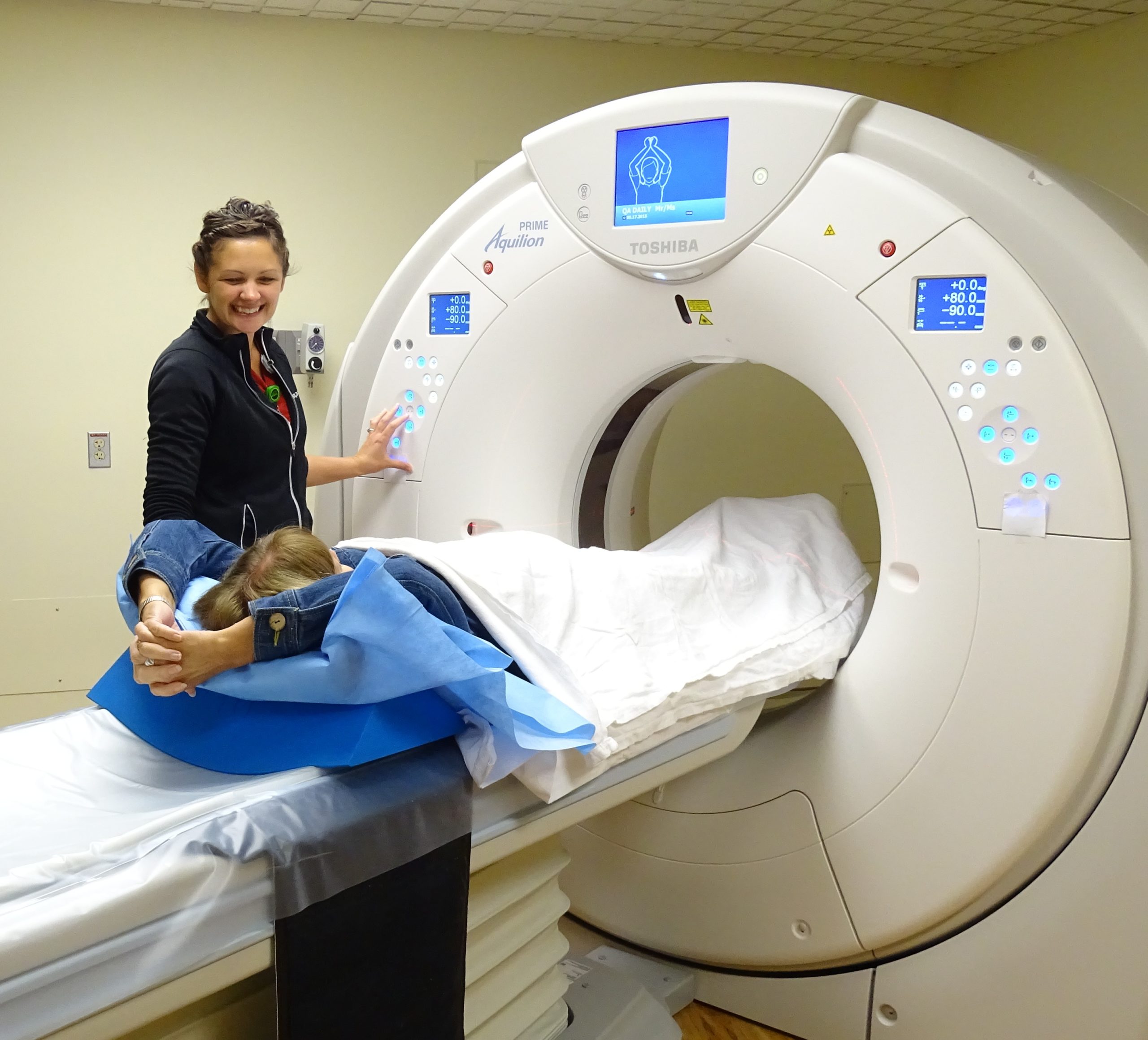
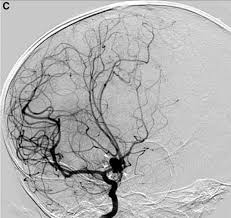
Ultravist is widely used in contrast-enhanced computed tomography (CT), where it improves lesion detection and organ definition. It is also employed in angiographic studies, supporting both arterial and venous imaging. In digital subtraction angiography (DSA), Ultravist contributes to high-contrast visualization of vascular anatomy by suppressing background structures.
4.2 Cardiovascular and Vascular Imaging
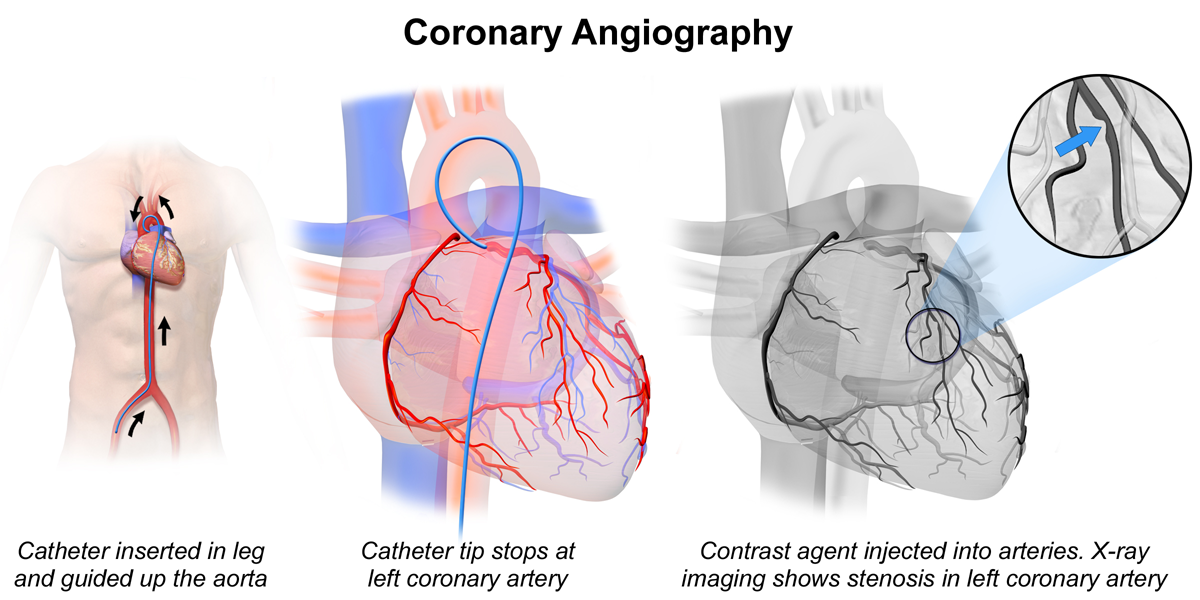
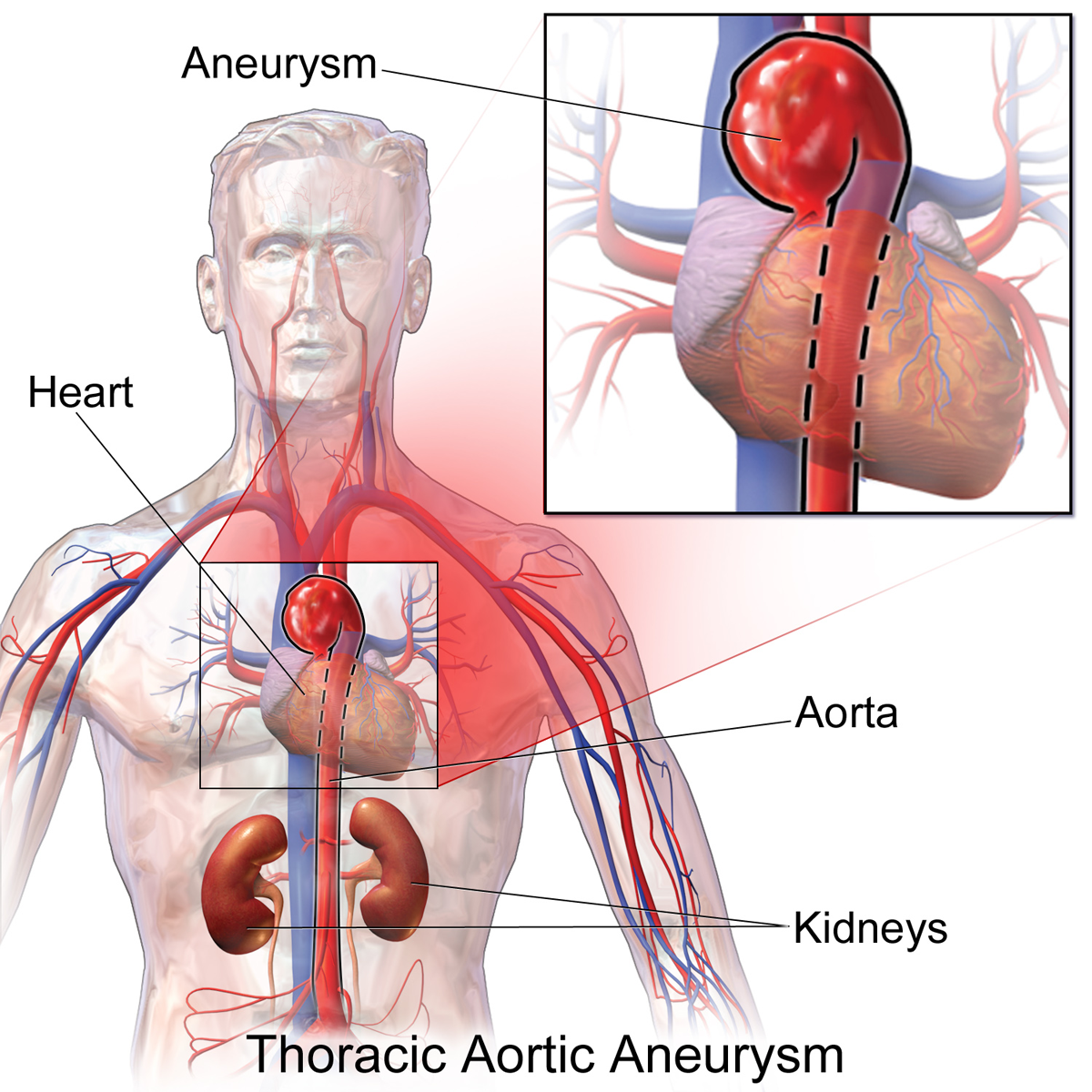
In cardiovascular diagnostics, Ultravist is utilized for coronary angiography to assess coronary artery patency and morphology. It is also indicated for peripheral vascular imaging, enabling evaluation of arterial occlusions, stenosis, and aneurysms. Additional applications include aortography and venography, where precise vascular mapping is required.
4.3 Neurological and Central Nervous System Imaging
4.4 Urogenital and Abdominal Imaging
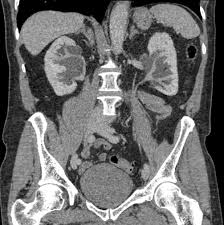
In urogenital diagnostics, Ultravist is used for intravenous urography, facilitating assessment of renal function and urinary tract anatomy. It is also employed in contrast-enhanced abdominal CT scans to visualize the liver, pancreas, kidneys, and gastrointestinal structures, assisting in the detection of tumors, inflammation, and vascular abnormalities.
5. Off-Label Uses of Ultravist (Iopromide)
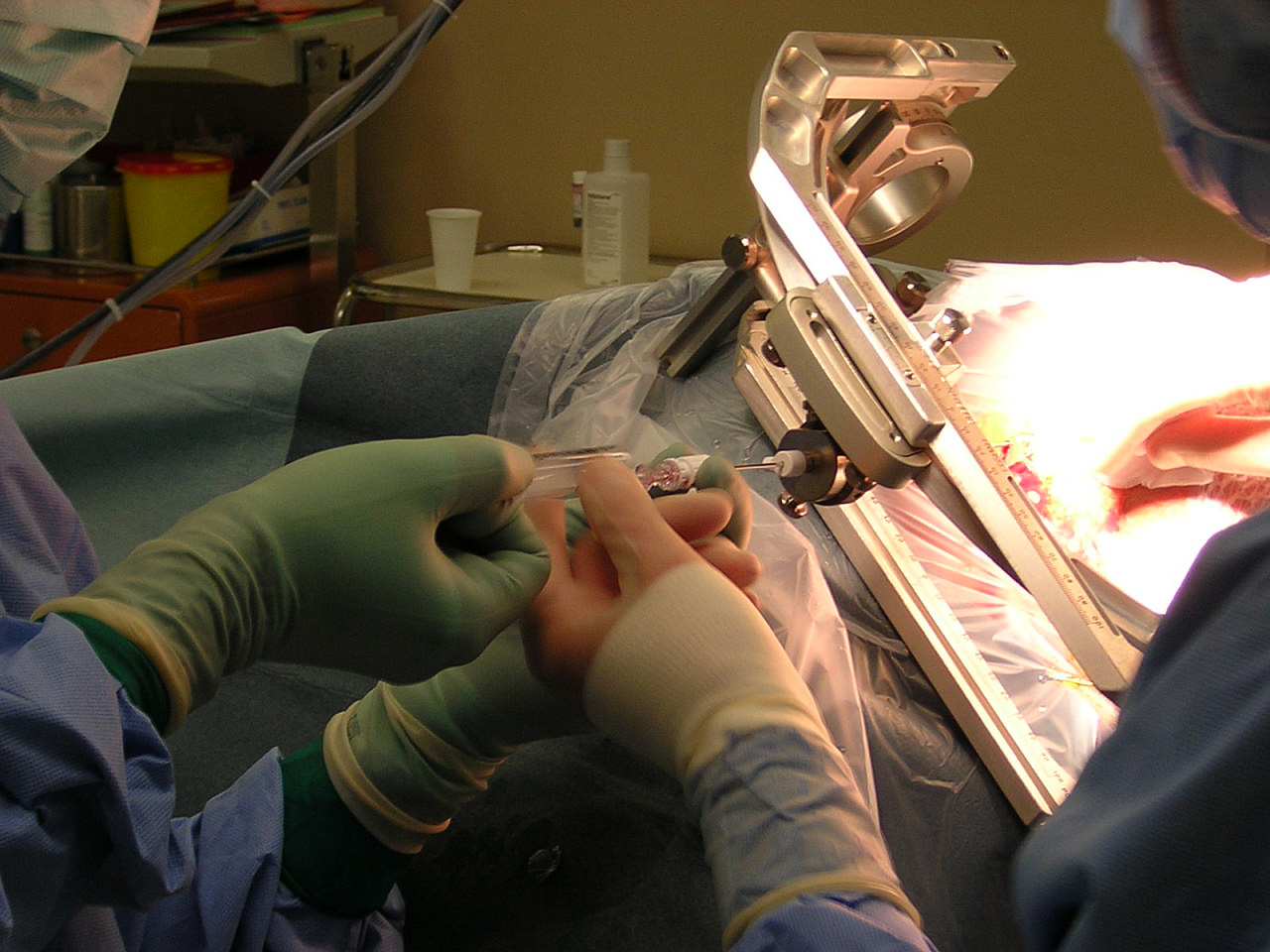
Beyond its approved indications, Ultravist is frequently used off-label in interventional radiology procedures where real-time contrast enhancement is required. It may be incorporated into pediatric CT protocols when clinically justified, with dosing adjustments tailored to patient size and physiology.
Additional off-label applications include imaging guidance during biopsies, abscess drainages, and other minimally invasive interventions. In complex diagnostic cases, Ultravist may support specialized vascular studies where alternative contrast agents are less suitable.
6. Dosage and Administration
6.1 General Dosing Principles
Dosage selection is influenced by the iodine concentration required for the specific imaging modality and diagnostic objective. Patient-related factors such as body weight, renal function, and cardiovascular status must be considered to optimize contrast enhancement while minimizing risk.
6.2 Routes of Administration
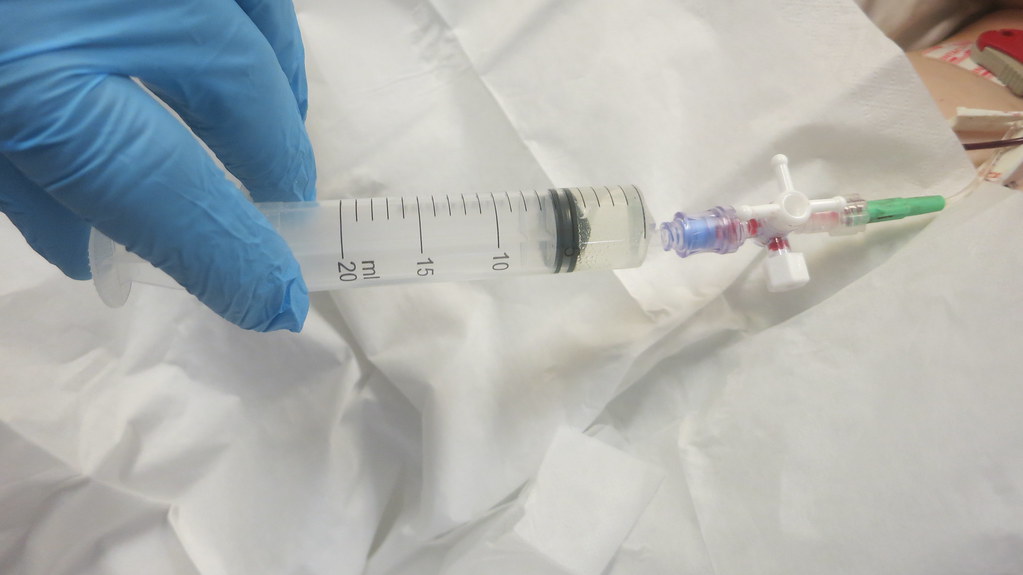
Ultravist is administered via intravenous or intra-arterial injection, depending on the procedure. Injection techniques vary and may involve:
6.3 Preparation and Administration Guidelines
Warming the contrast medium to body temperature prior to injection can reduce viscosity and improve patient comfort. Selection between power injectors and manual injection depends on procedural requirements. Adequate hydration before and after administration is strongly recommended to support renal elimination.
7. Side Effects of Ultravist (Iopromide)
7.1 Common Side Effects
Most adverse reactions are transient and mild. Commonly reported effects include:
- Sensation of warmth or flushing
- Nausea or vomiting
- Headache and lightheadedness
- Injection site discomfort
7.2 Less Common and Rare Side Effects
Less frequent reactions may involve hypersensitivity or allergic-like responses, ranging from mild urticaria to more severe systemic reactions. Cardiovascular effects such as hypotension or arrhythmias have been reported, particularly in high-risk patients. Renal effects, including contrast-induced nephropathy, are of clinical concern, especially in individuals with pre-existing kidney disease. Rare neurological reactions, including seizures, have been documented.
8. Drug and Substance Interactions
Ultravist may interact with nephrotoxic medications, increasing the risk of renal impairment. Special consideration is required for patients receiving metformin, as temporary discontinuation may be advised to reduce the risk of lactic acidosis in the event of renal dysfunction.
Beta-blockers can modify the presentation and management of hypersensitivity reactions, potentially masking early symptoms. Compatibility with other injectable agents should be evaluated to prevent precipitation or chemical instability.
9. Warnings and Safety Information
Ultravist carries a risk of severe hypersensitivity reactions, including anaphylaxis, which may occur unpredictably. Facilities administering the agent should be equipped for immediate emergency management.
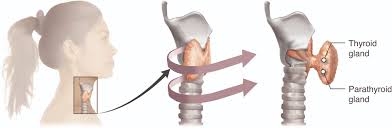
Contrast-induced nephropathy remains a significant safety consideration, particularly in patients with diabetes, dehydration, or pre-existing renal disease. The iodine load associated with Ultravist may influence thyroid function, necessitating caution in patients with thyroid disorders. Cardiovascular risks should be carefully assessed in vulnerable populations, including those with advanced cardiac disease.
10. Contraindications
Ultravist (iopromide) must not be administered in situations where the risk profile clearly outweighs the diagnostic benefit. A thorough clinical history is essential prior to exposure.
- Known hypersensitivity to iopromide or iodinated contrast agents: Patients with documented allergic or anaphylactoid reactions to iodinated contrast media face a heightened risk of recurrence.
- Severe renal impairment without appropriate risk assessment: In advanced kidney dysfunction, unmitigated administration may precipitate further renal compromise.
- Uncontrolled hyperthyroidism: Excess iodine load may exacerbate thyroid hormone dysregulation, potentially triggering thyrotoxic crises.
- Previous severe contrast media reactions: A history of life-threatening reactions warrants extreme caution or alternative imaging strategies.
11. Careful Administration and Important Precautions
Meticulous preparation and vigilance are fundamental to the safe use of Ultravist. Risk mitigation begins well before contrast administration and extends into post-procedure care.
Pre-procedure patient assessment should include comprehensive risk stratification, with attention to renal function, allergic history, cardiovascular status, and concurrent medications. Baseline evaluation of renal parameters, such as estimated glomerular filtration rate (eGFR), is strongly advised to identify patients at increased risk of contrast-induced nephropathy.
Emergency preparedness is non-negotiable. Facilities must maintain immediate access to resuscitative equipment and pharmacologic agents capable of managing acute hypersensitivity or anaphylactic reactions.
Following administration, patients should be observed for delayed adverse reactions. Post-procedure monitoring may include:
- Assessment of vital signs
- Monitoring for delayed hypersensitivity reactions
- Follow-up renal function testing in at-risk individuals
12. Administration to Special Populations
12.1 Administration to Elderly Patients
The elderly patients often have reduced body resources. The aging process lowers the kidney and heart function. The lowered kidney and heart function makes the elderly patients more likely to have reactions after contrast exposure. Dose selection should be conservative, favoring the lowest effective iodine load. Adequate hydration before and after administration is essential to facilitate renal clearance and reduce nephrotoxic risk.
12.2 Administration to Pregnant Women
Use during pregnancy necessitates a stringent risk-benefit assessment. Diagnostic necessity must be carefully weighed against potential fetal exposure.
Iopromide crosses the placental barrier, introducing iodine to the fetal circulation. Although no definitive teratogenic effects have been established, fetal thyroid function may theoretically be influenced, warranting cautious use only when alternative imaging modalities are insufficient.
12.3 Administration to Nursing Mothers
Small quantities of iopromide may be excreted into breast milk. However, systemic absorption by the infant is considered minimal due to poor oral bioavailability.
As a precautionary measure, temporary interruption of breastfeeding for a short period following administration may be considered, depending on clinical judgment and patient preference.
12.4 Administration to Children
Pediatric administration requires precise dosing tailored to body weight and developmental stage. Infants and young children may be particularly sensitive to fluid shifts and iodine exposure.
Safety considerations include:
- Use of age-appropriate dosing protocols
- Close monitoring of renal function
- Minimization of cumulative radiation and contrast exposure

13. Overdosage
Overdosage of Ultravist is uncommon but may occur through inadvertent excessive administration, particularly in patients with compromised renal function.
Clinical manifestations may include circulatory overload, electrolyte disturbances, and exacerbation of renal dysfunction. Management is primarily supportive and centers on maintaining hemodynamic stability and adequate hydration.
In cases of severe overdose or renal failure, enhanced elimination through dialysis may be considered, as iopromide is dialyzable due to its low protein binding and water solubility.
14. Storage and Stability
Ultravist should be stored under controlled conditions to preserve its physicochemical integrity. Recommended storage temperatures typically range within standard room temperature limits, avoiding extremes.
Protection from direct light and freezing is essential, as temperature deviations may alter viscosity or compromise sterility. The shelf life is determined by manufacturer specifications and must be strictly observed.
Once a container is opened, contents should be used promptly. Partial vials should not be stored for extended periods unless explicitly permitted under aseptic conditions.
15. Handling Precautions and Safe Use
Strict aseptic technique is required during preparation and administration. Prior to use, the solution should be visually inspected for particulate matter, discoloration, or container damage.
Unused contrast media must be disposed of in accordance with institutional protocols and regulatory requirements. Proper waste management prevents environmental contamination and inadvertent exposure.
Occupational safety considerations include minimizing skin contact, using protective equipment when appropriate, and adhering to standard precautions to safeguard healthcare personnel involved in contrast media handling.
Ultravist, Iopromide FAQ
- What is the use of Ultravist?
- What is the chemical name for Ultravist?
- Can Ultravist be used orally?
- How is ULTRAVIST administered?
- What is another name for Ultravist?
- What are the ingredients in Ultravist?
- What is Ultravist 300 used for?
- What are the side effects of ULTRAVIST injections?
- Is ULTRAVIST safe to use?
- What is the generic name for ultravist?
- What are the contraindications for Ultravist?
- What alternatives are there to Ultravist?
- What is the purpose of Ultravist?
- What is iopromide used for?
- What is the iopamidol injection used for?
- How long does it take for iodine contrast dye to leave the body?
What is the use of Ultravist?
It is used for cerebral arteriography and peripheral arteriography.
What is the chemical name for Ultravist?
Iopromide
Can Ultravist be used orally?
Yes
How is ULTRAVIST administered?
Intra-arterial or intravenous
What is another name for Ultravist?
Iopromide
What are the ingredients in Ultravist?
Iopromide
What is Ultravist 300 used for?
It is used to show x-ray images of your body.
What are the side effects of ULTRAVIST injections?
- Asthma
- Stroke
- Heart attack
Is ULTRAVIST safe to use?
Yes
What is the generic name for ultravist?
Iopromide
What are the contraindications for Ultravist?
- Pre-existing renal insufficiency
- Dehydration
- Diabetes mellitus
- Congestive heart failure
- Advanced vascular disease
- Old age
What alternatives are there to Ultravist?
- Omnipaque
- Trintellix
- Optiray
- Visipaque
What is the purpose of Ultravist?
X-ray contrast
What is iopromide used for?
It is used to help diagnose problems in parts of the body by giving good x ray contrasts.
What is the iopamidol injection used for?
It is used to help diagnose problems in parts of the body by giving good x ray contrasts.
How long does it take for iodine contrast dye to leave the body?
24 hours
Popular Products