1. Introduction to VWash Plus
1.1 Overview of VWash Plus Feminine Hygiene Solution
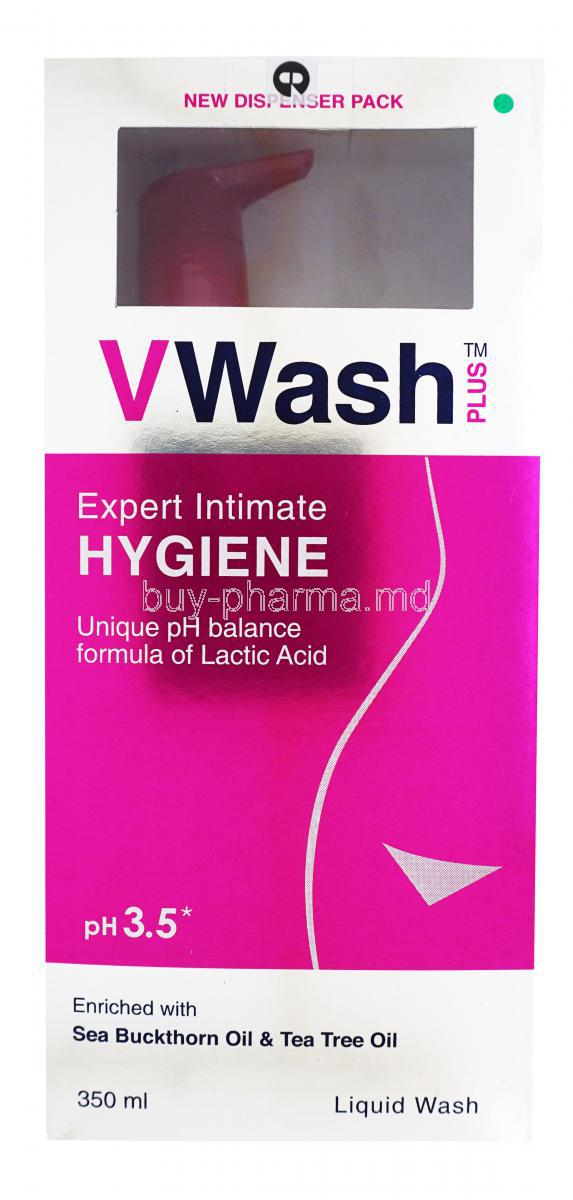
VWash Plus is a specialized feminine hygiene solution designed for external intimate cleansing. Unlike conventional cleansers, it is formulated to respect the delicate physiology of the vaginal area. The product focuses on gentle cleansing while preserving the natural protective mechanisms of intimate skin.
1.2 Importance of Maintaining Intimate Vaginal Health
The vaginal ecosystem is inherently self-regulating, yet it remains vulnerable to disruption from sweat, hormonal changes, menstruation, and environmental factors. Maintaining intimate hygiene is not merely cosmetic; it is preventive.
- Helps reduce microbial imbalance
- Minimizes irritation and discomfort
- Supports overall urogenital wellness
1.3 Role of pH-Balanced Intimate Washes in Women’s Health
pH-balanced intimate washes play a critical role in safeguarding the acidic milieu essential for vaginal defense. Products like VWash Plus are calibrated to complement this environment rather than disrupt it, thereby reducing susceptibility to infections and odor.
2. What Is VWash Plus?
2.1 Product Classification and Intended Use
VWash Plus is classified as a feminine intimate wash intended strictly for external use. It is designed for routine hygiene as well as supportive care during periods of increased vulnerability.
2.2 Who Should Use VWash Plus
The product is suitable for women across different life stages, including adolescents, adults, and older women, particularly those seeking a mild yet effective intimate cleanser.
2.3 Difference Between Regular Soaps and Intimate Washes
Regular soaps are typically alkaline and may compromise the vaginal barrier. In contrast, intimate washes such as VWash Plus are:
- pH-adjusted for intimate skin
- Less likely to strip natural moisture
- Formulated to minimize irritation
3. Composition and Key Ingredients of VWash Plus
3.1 Active Ingredients and Their Functions
VWash Plus contains carefully selected active components that contribute to cleansing, protection, and comfort without aggressive chemical action.
3.2 Lactic Acid and Vaginal pH Regulation
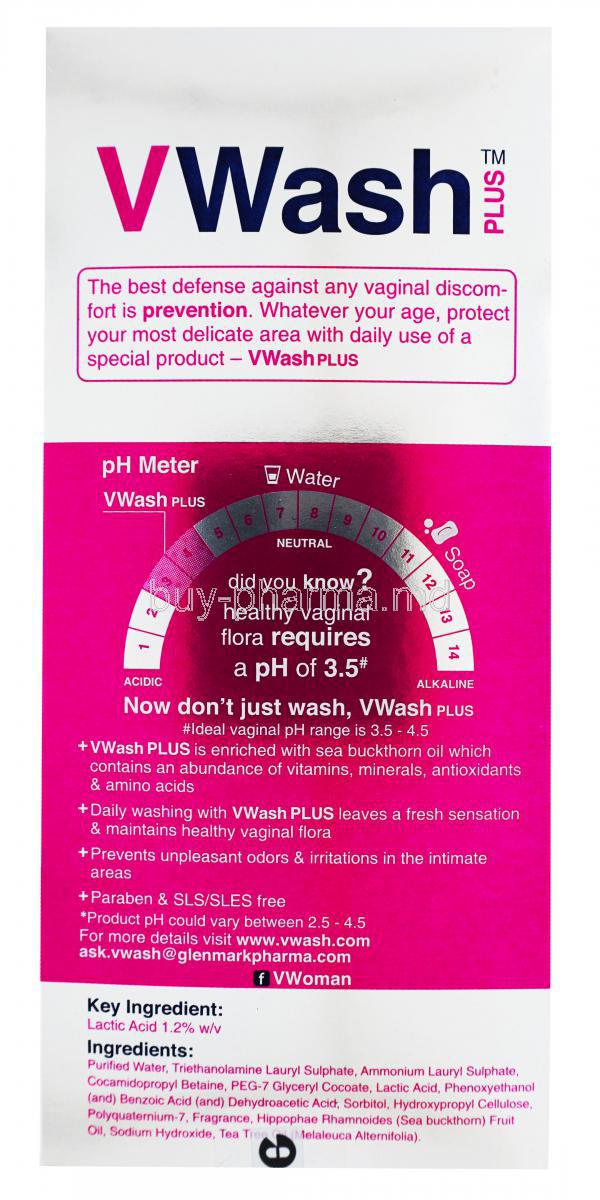
Lactic acid is a pivotal ingredient that supports the maintenance of an acidic pH. This environment is inhospitable to pathogenic organisms yet favorable to beneficial flora.
3.3 Antimicrobial and Cleansing Agents
The formulation incorporates mild antimicrobial agents that assist in reducing odor-causing microbes while preserving skin integrity.
3.4 Excipients and Base Formulation
Supporting excipients enhance product stability, texture, and ease of application, ensuring uniform cleansing and user comfort.
3.5 Absence of Harsh Soaps, Parabens, and Irritants
VWash Plus is developed without harsh soaps or known irritants, making it suitable for sensitive intimate skin and frequent use.
4. How VWash Plus Works (Mechanism of Action)
4.1 Maintenance of Optimal Vaginal pH
The product reinforces the physiological pH range of the external intimate area, which is essential for natural defense mechanisms.
4.2 Inhibition of Harmful Bacterial and Fungal Growth
By sustaining an acidic environment, VWash Plus indirectly curtails the proliferation of pathogenic bacteria and fungi.
4.3 Support of Natural Vaginal Flora
The formulation is designed to be microbiome-conscious, allowing beneficial lactobacilli to thrive.
4.4 Reduction of Odor, Irritation, and Discomfort
Consistent use may result in noticeable improvement in freshness, comfort, and overall intimate well-being.
5. Uses of VWash Plus
5.1 Daily Intimate Hygiene and Cleansing
Ideal for routine cleansing, particularly in warm climates or during active lifestyles.
5.2 Management of Vaginal Odor
Helps neutralize odor by addressing its microbial origin rather than masking it.
5.3 Relief from Itching, Irritation, and Mild Discomfort
The gentle formulation may soothe minor irritation associated with dryness or external imbalance.
5.4 Support During Menstruation
During menstruation, intimate hygiene needs increase due to prolonged moisture exposure and pad usage.
5.5 Hygiene Support During Pregnancy (Under Medical Advice)
Pregnant women may use VWash Plus under professional guidance to maintain comfort and hygiene.
5.6 Post-Exercise and Excessive Sweating Hygiene
Effective for cleansing after physical activity, when sweat accumulation can alter local pH.
5.7 Hygiene Support During Vaginal Infections (Adjunctive Use)
May be used alongside prescribed treatments to maintain cleanliness without interfering with therapy.
6. Off-Label and Supportive Uses of VWash Plus
6.1 Use Alongside Antifungal or Antibacterial Vaginal Treatments
Supports hygiene during pharmacological treatment, without replacing prescribed medications.
6.2 Supportive Care in Recurrent Vaginal Infections
Regular use may help reduce environmental factors that contribute to recurrence.
6.3 Use During Hormonal Changes (Puberty, Perimenopause, Menopause)
Hormonal fluctuations often alter vaginal comfort; gentle cleansing becomes increasingly important.
6.4 Use After Antibiotic Therapy Affecting Vaginal Flora
Antibiotics can disrupt normal flora, making pH-supportive hygiene particularly relevant.
6.5 Use for Prolonged Pad or Pantyliner Usage
Extended use of absorbent products may increase moisture and irritation, necessitating gentle cleansing.
7. Dosage and Administration
7.1 Recommended Frequency of Use
Typically used once or twice daily, depending on individual needs and sensitivity.
7.2 Proper Method of External Application
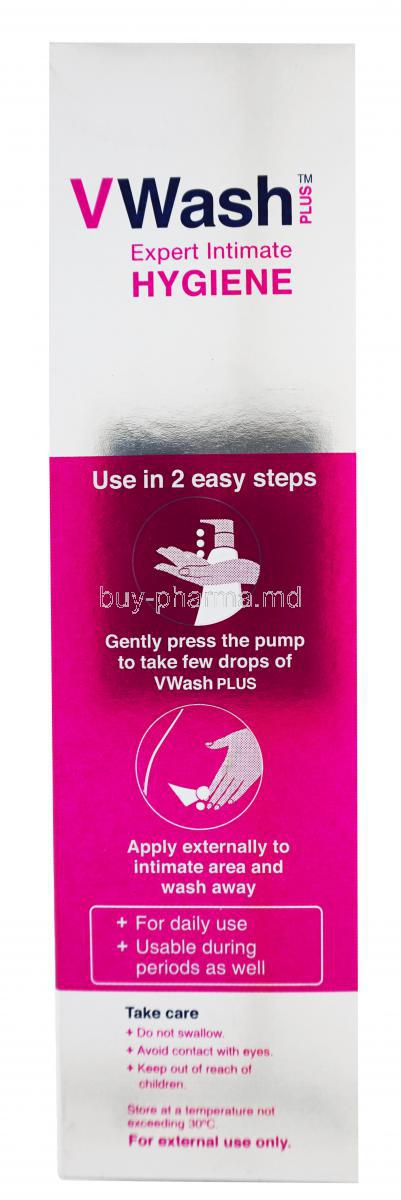
Apply a small amount to the external intimate area, gently cleanse, and avoid internal use.
7.3 Rinsing and Drying Instructions
Rinse thoroughly with clean water and pat dry using a soft towel.
7.4 Duration of Use for Symptom Relief
Symptomatic relief may be observed within days, though duration varies among individuals.
7.5 Guidance on Long-Term Daily Use
Long-term use is generally acceptable when used as directed and without excessive frequency.
8. Side Effects of VWash Plus
8.1 Overview of Potential Adverse Effects
VWash Plus is generally well tolerated; however, individual sensitivity may result in mild reactions.
8.2 Factors Increasing Risk of Side Effects
- Overuse or excessive cleansing
- Pre-existing skin sensitivity
- Use on broken or inflamed skin
8.3 Common Side Effects
- Mild irritation
- Temporary burning sensation
- Dryness with excessive use
8.4 Rare and Uncommon Side Effects
- Allergic skin reactions
- Persistent redness or discomfort
9. Drug and Product Interactions
9.1 Interaction with Topical Vaginal Medications
External cleansing should be timed to avoid interference with topical treatments.
9.2 Use with Antifungal and Antibiotic Treatments
Compatible when used externally and not applied intravaginally.
9.3 Compatibility with Menstrual Products
Safe to use alongside sanitary pads, tampons, and menstrual cups.
9.4 Interaction with Other Intimate Hygiene Products
Concurrent use with multiple cleansers is not recommended to prevent over-cleansing.
10. Warnings and Safety Information
10.1 External Use Only Warning
VWash Plus must not be used internally or for vaginal douching.
10.2 Avoidance of Internal Vaginal Douching
Douching can disrupt natural flora and increase infection risk.
10.3 Use in the Presence of Severe Symptoms
Persistent pain, discharge, or bleeding warrants medical evaluation.
10.4 When to Seek Medical Advice
Medical consultation is advised if symptoms worsen, persist, or if allergic reactions occur.
11. Contraindications
11.1 Known Hypersensitivity to Any Ingredient
VWash Plus should not be used by individuals with a known hypersensitivity or allergic predisposition to any component of the formulation. Cutaneous hypersensitivity reactions may manifest even with topical products, particularly in sensitized users.
- History of allergic contact dermatitis
- Previous reactions to intimate hygiene products
- Confirmed ingredient intolerance
11.2 Use on Broken, Inflamed, or Severely Irritated Skin
Application to compromised skin surfaces may exacerbate irritation and delay recovery. Areas exhibiting fissures, erosions, or pronounced inflammation require medical evaluation prior to any cleansing regimen.
11.3 Use in Active Severe Vaginal Infections Without Medical Guidance
In cases of severe infection characterized by intense pain, abnormal discharge, bleeding, or systemic symptoms, reliance on hygiene products alone is insufficient. Professional medical assessment is essential before use.
12. Careful Administration and Important Precautions
12.1 Avoiding Overuse and Excessive Cleansing
Excessive cleansing may disrupt the delicate equilibrium of the intimate area. Moderation is fundamental.
- Avoid repetitive washing within short intervals
- Use the minimum effective amount
12.2 Maintaining Natural Vaginal Flora
The vaginal microbiome serves as a biological safeguard. Over-cleansing or combining multiple products may diminish beneficial flora, increasing susceptibility to imbalance.
12.3 Proper Hygiene Practices Alongside Product Use
Optimal hygiene extends beyond product application and includes:
- Wearing breathable, moisture-wicking undergarments
- Changing sanitary products regularly
- Avoiding occlusive clothing for prolonged periods
12.4 Avoiding Eye and Mucosal Contact
Accidental contact with eyes or other mucosal surfaces should be avoided. In the event of contact, immediate rinsing with copious amounts of water is recommended.
13. Administration to Special Populations
13.1 Administration to Elderly Women
Vaginal dryness considerations: Aging is frequently associated with reduced estrogen levels, leading to dryness and increased sensitivity. Gentle cleansing becomes particularly important.
Frequency adjustments: Reduced frequency may be advisable to prevent excessive dryness or irritation in older users.
13.2 Administration to Pregnant Women and Nursing Mothers
Safety considerations during pregnancy: Hormonal changes during pregnancy may alter vaginal secretions and sensitivity. Use should be conservative and guided by medical advice.
Use during breastfeeding: External use is generally considered low risk; however, individual sensitivity may vary.
Importance of medical consultation: Consultation with a healthcare professional is recommended before initiating or continuing use during pregnancy or lactation.
13.3 Administration to Children and Adolescents
Age-appropriate use: Use in younger individuals should be limited to situations where mild cleansing support is necessary and should follow guardian or medical guidance.
Puberty-related hygiene considerations: Hormonal fluctuations during puberty may increase perspiration and odor, necessitating gentle and non-irritating hygiene measures.
14. Overdosage and Excessive Use
14.1 Symptoms of Overuse
Although systemic overdose is not applicable, excessive topical use may result in:
- Persistent dryness
- Increased sensitivity
- Localized irritation or burning
14.2 Management of Local Irritation Due to Excessive Application
Discontinuation of use and allowing the skin to recover is usually sufficient. Supportive measures include rinsing with plain water and avoiding additional products.
14.3 When to Discontinue Use
Use should be stopped if symptoms persist, worsen, or if allergic reactions develop. Medical evaluation is advised in such cases.
15. Storage and Stability
15.1 Recommended Storage Conditions
Store VWash Plus in a clean, dry location, protected from direct sunlight.
15.2 Temperature and Humidity Considerations
Excessive heat or humidity may compromise product stability. Room temperature storage is preferred.
15.3 Shelf Life and Expiry Awareness
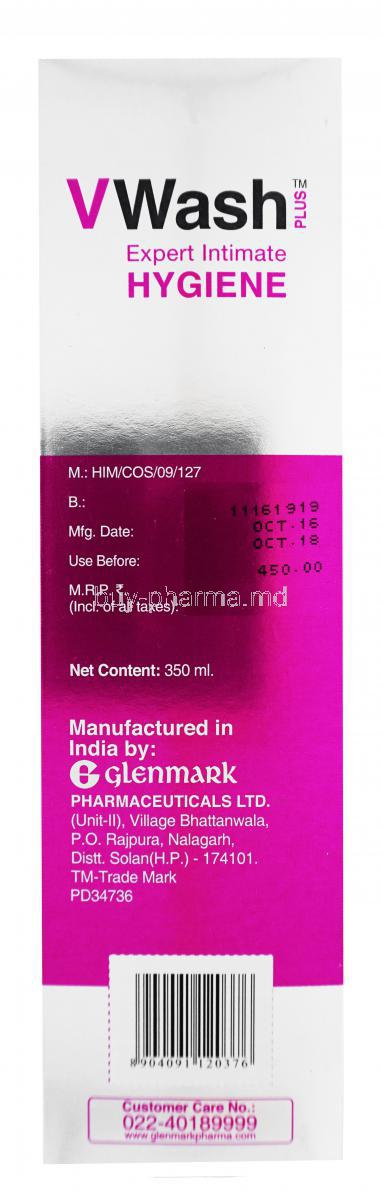
Always observe the expiration date indicated on the packaging. Use beyond the recommended shelf life is not advised.
15.4 Safe Storage Away from Children
The product should be kept out of reach of children to prevent accidental misuse.
16. Handling Precautions
16.1 Hygienic Handling of the Bottle
Hands should be clean prior to handling the bottle to reduce contamination risk.
16.2 Avoiding Contamination of the Nozzle or Cap
The nozzle and cap should not come into direct contact with skin or surfaces. Close the cap securely after each use.
16.3 Disposal of Expired or Unused Product
Expired or unused product should be disposed of according to local waste guidelines. Do not pour large quantities into drainage systems.
Popular Products
Similar Product