1. Introduction to Zocon Trans Gel
1.1 Overview of Zocon Trans Gel as a Topical Antifungal
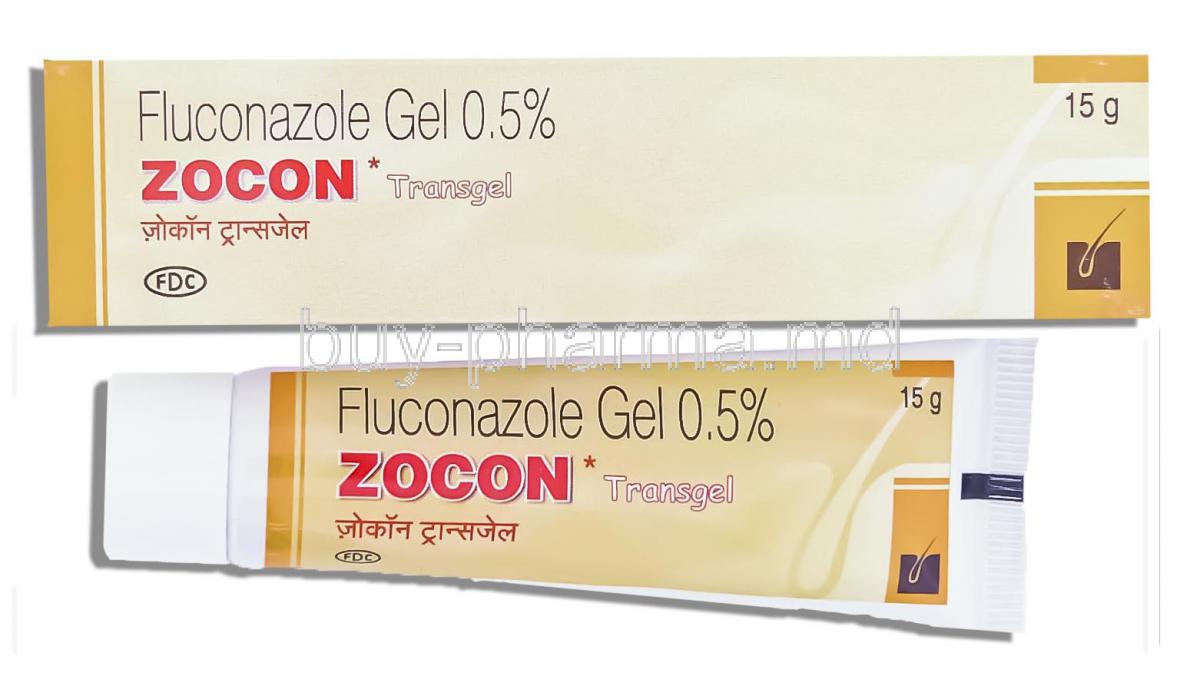
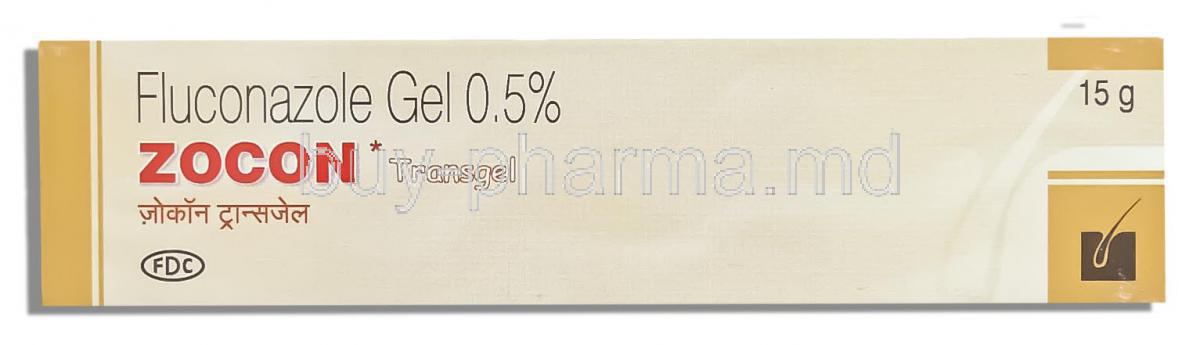
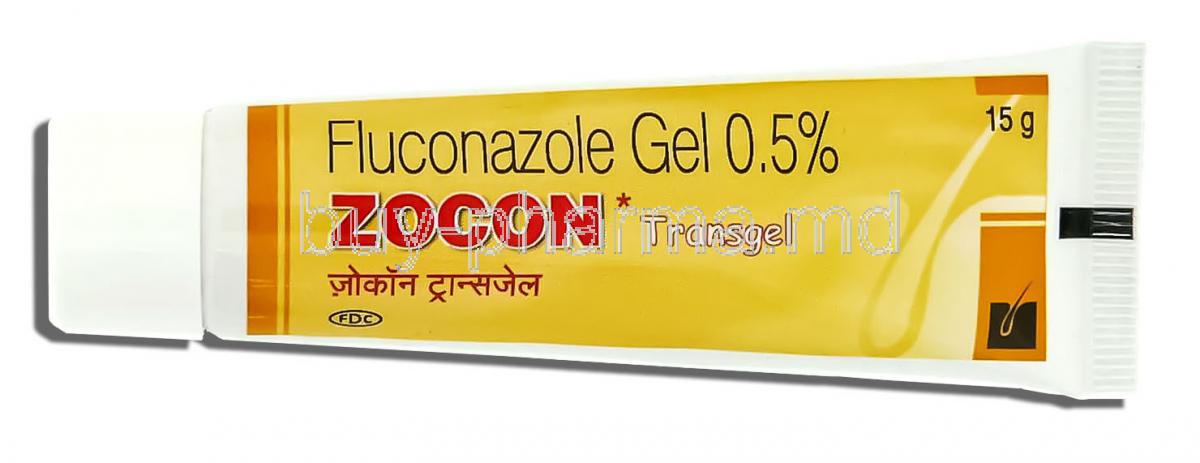
Zocon Trans Gel is a topical antifungal preparation formulated with fluconazole, an advanced triazole compound known for its broad-spectrum fungistatic activity. Designed for direct dermal application, the gel adheres smoothly to the skin, creating a concentrated barrier against pathogenic fungi. Its targeted absorption allows for rapid reduction of symptoms such as redness, itching, and scaling.
1.2 Key Properties of Fluconazole in Gel Formulation
Fluconazole, when incorporated into a gel base, demonstrates enhanced penetration through the stratum corneum. This promotes localized therapeutic action with minimal systemic exposure. The formulation exhibits:
- High stability across variable environmental conditions
- Rapid diffusion into affected epidermal layers
- Uniform distribution for persistent antifungal activity
1.3 Therapeutic Relevance in Dermatological and Mucocutaneous Fungal Infections
The gel plays a crucial role in treating superficial mycoses that affect both the skin and mucocutaneous surfaces. It is beneficial for conditions driven by dermatophytes, yeasts, and mixed fungal infections. Its ease of use makes it suitable for long-term therapeutic regimens, especially in recurrent or resistant infections.
1.4 Benefits of Topical Delivery Compared to Oral Fluconazole
Topical delivery offers several advantages, including reduced systemic exposure, minimized risk of drug–drug interactions, and targeted therapeutic concentration at the site of infection. Patients experience:
- Lower adverse effect burden
- More predictable local bioavailability
- Faster symptomatic improvement
2. Composition and Formulation
2.1 Active Ingredient: Fluconazole Concentration and Antifungal Spectrum
The primary component is fluconazole, known for its potent inhibition of fungal cytochrome P450 enzymes. Its broad-spectrum coverage includes Candida species, dermatophytes, and Malassezia, making it appropriate for multi-etiology infections.
2.2 Inactive Ingredients and Their Functional Roles
The gel contains pharmaceutically approved excipients that enhance absorption, stability, and user comfort. These may include:
- Humectants for moisture retention
- Gelling agents for consistency
- Stabilizers that prevent degradation
2.3 Physical Characteristics: Texture, Absorption Profile, and Skin Compatibility
With a lightweight, non-greasy texture, the gel is rapidly absorbed without leaving residue. It is engineered to be hypoallergenic, making it compatible with sensitive skin and suitable for repeated application.
3. Uses of Zocon Trans Gel
3.1 FDA-Recognized and Clinically Established Uses
Zocon Trans Gel is widely utilized for superficial fungal infections that require localized therapy. It is recognized for its effectiveness in reducing fungal load and restoring skin integrity.
3.2 Treatment of Cutaneous Candidiasis
The gel combats Candida overgrowth in moist skin folds and other affected areas. Patients often notice swift improvement in erythema and maceration.
3.3 Management of Tinea Corporis (Ringworm)
Its antifungal action helps eliminate circular, scaly plaques commonly observed in ringworm, facilitating faster resolution of lesions.
3.4 Relief for Tinea Cruris (Jock Itch)
By reducing fungal proliferation, the gel alleviates itching, burning, and redness in the groin region, where moisture and friction contribute to infection severity.
3.5 Treatment of Tinea Pedis (Athlete’s Foot)
Application between the toes and on plantar surfaces curbs fungal growth, helping prevent fissures, odor, and persistent scaling.
3.6 Management of Pityriasis Versicolor
Fluconazole inhibits Malassezia yeasts responsible for hypo- or hyperpigmented patches on the chest, back, and neck.
4. Off-Label Uses of Fluconazole Gel
4.1 Use in Recurrent Vulvovaginal Candidiasis Adjunct Therapy
The gel may be used alongside systemic therapy to reduce recurrence rates by minimizing external yeast colonization.
4.2 Role in Seborrheic Dermatitis and Yeast-Related Scalp Conditions
Its antifungal activity may help modulate Malassezia-driven conditions, although such use requires clinical discretion.
4.3 Off-Label Application for Fungal Intertrigo
In cases of intertrigo complicated by yeast overgrowth, topical fluconazole aids in controlling inflammation and microbial imbalance.
4.4 Use in Immunocompromised Patients Under Clinical Guidance
For individuals with weakened immunity, the gel may provide localized support in managing persistent mucocutaneous infections.
5. How Zocon Trans Gel Works (Mechanism of Action)
5.1 Fluconazole as a Triazole Antifungal: Mechanistic Overview
Fluconazole disrupts fungal cellular processes by binding to fungal cytochrome P450–dependent enzymes. This interference halts essential biochemical pathways required for fungal survival.
5.2 Inhibition of Ergosterol Synthesis in Fungal Cell Membranes
Ergosterol maintains membrane integrity. By blocking its synthesis, fluconazole compromises membrane stability, leading to impaired fungal growth.
5.3 Impact on Fungal Growth and Reproduction
The gel renders fungi unable to proliferate, gradually reducing fungal populations and enabling natural skin healing.
5.4 Advantages of Localized, High-Concentration Delivery
Topical application ensures concentrated exposure at the site of infection, maximizing therapeutic effect while minimizing systemic risk.
6. Dosage and Administration
6.1 Standard Recommended Application Frequency
Most regimens require application once or twice daily, depending on infection severity and clinical judgment.
6.2 Duration of Treatment Across Indications
Common fungal infections may resolve within 2–4 weeks of consistent use. Recalcitrant infections may require prolonged therapy.
6.3 Step-by-Step Application Guide for Optimal Effectiveness
- Cleanse and dry the affected area thoroughly.
- Apply a thin, even layer of gel.
- Gently massage to ensure uniform distribution.
- Avoid washing the area immediately after application.
6.4 Missed Dose Instructions
If a dose is missed, apply it promptly unless the next scheduled dose is near. Do not double applications.
6.5 When to Expect Symptom Relief and Visible Improvement
Many users report relief within a few days, though complete fungal eradication requires full treatment adherence.
7. Side Effects of Zocon Trans Gel
7.1 Overview of Systemic vs. Topical Adverse Reactions
Systemic effects are rare due to minimal absorption. Topical reactions are usually mild and transient.
7.2 Local Skin Reactions Related to Fluconazole
Localized dryness, itching, or warmth may appear briefly after each application.
7.3 Irritation, Redness, and Burning Sensation
These effects typically indicate sensitivity and often resolve once the skin acclimates.
7.4 Allergic and Hypersensitivity Reactions
Severe allergic responses are uncommon but require discontinuation and medical assessment.
8. Common Side Effects
8.1 Mild Itching at Application Site
A transient itching sensation is frequent in early therapy.
8.2 Dryness or Skin Peeling
Superficial exfoliation may occur as fungal layers detach.
8.3 Mild Erythema or Warmth
Minor redness often indicates therapeutic activity.
8.4 Temporary Stinging Sensation
This sensation is brief and usually diminishes with continued treatment.
8.5 Worsening of Rash Before Improvement (Rare)
Occasionally, fungal flare reactions precede recovery.
9. Important Precautions
9.1 Avoiding Use on Open Wounds or Broken Skin
Application on compromised skin may increase irritation or systemic absorption.
9.2 Ensuring Complete Treatment Even After Symptom Relief
Completing the full course helps prevent recurrence.
9.3 Avoiding Occlusive Dressings Unless Directed
Occlusion may intensify absorption and irritation.
9.4 Preventing Spread of Fungal Infection with Hygiene Measures
- Keep skin dry
- Avoid shared towels or clothing
- Maintain footwear hygiene
9.5 Actions to Take if Symptoms Persist or Worsen
Medical evaluation is recommended for persistent inflammation or spreading lesions.
10. Contraindications
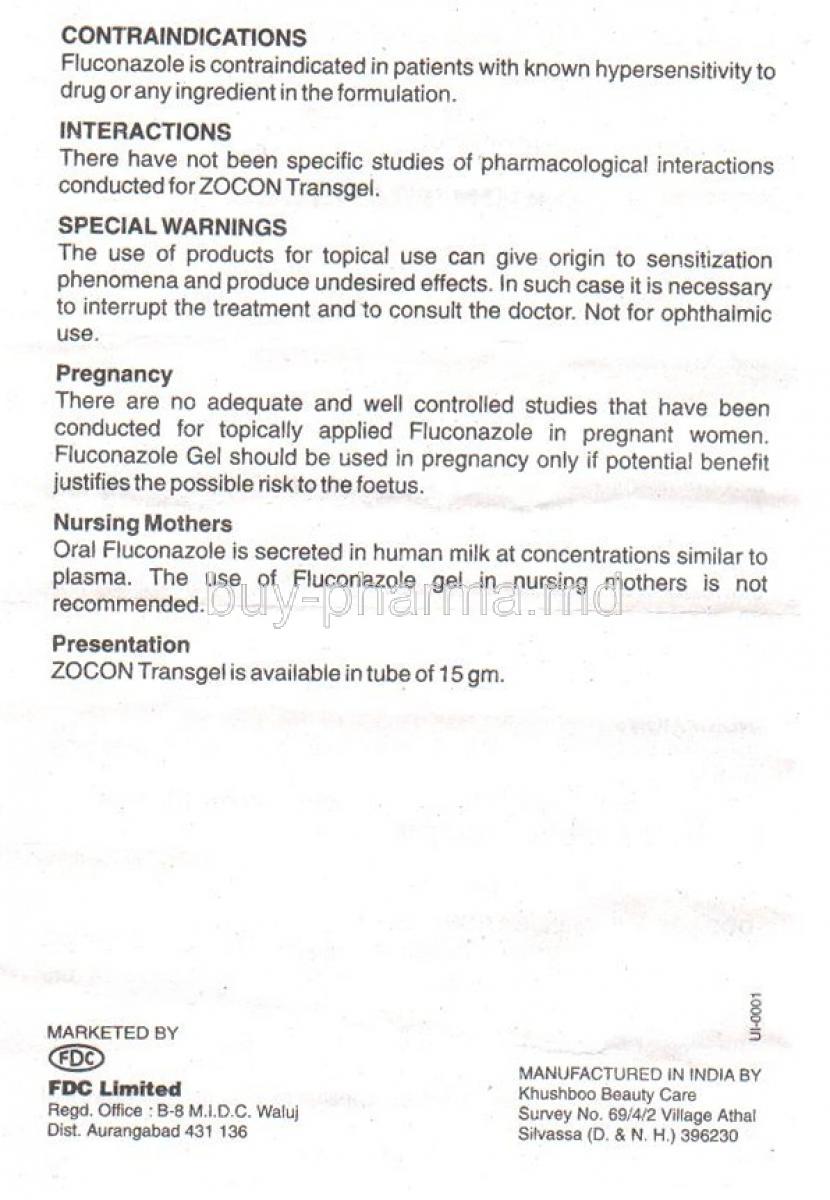
10.1 Known Hypersensitivity to Fluconazole or Other Azole Antifungals
Individuals with prior allergic reactions to azoles should avoid use.
10.2 Contraindications in Severe Dermatological Conditions
Patients with ulcerative or erosive dermatoses should seek professional guidance before applying.
10.3 When Not to Use on Sensitive Mucosal Surfaces
The gel is not intended for ocular, oral, or vaginal internal application.
10.4 Contraindications with Prior Severe Drug Reactions
Any history of Stevens–Johnson syndrome or similar reactions warrants strict avoidance.
11. Careful Administration
11.1 Use in Patients with Chronic Skin Conditions
Patients with pre-existing dermatological disorders such as eczema, psoriasis, or chronic dermatitis may experience heightened sensitivity when applying antifungal gels. The compromised epidermal barrier can allow deeper penetration of active compounds, increasing the risk of irritation. Treatment should begin with a minimal test application, allowing observation of local tolerance before broader use. Consistent monitoring ensures that inflammation does not escalate or mimic fungal persistence.
11.2 Application in Areas With High Moisture or Friction
Moist, occluded areas—such as skin folds, the groin, and intertriginous zones—are prone to rapid fungal proliferation but also increased irritation from topical medications. These regions require:
- Thin, uniform application to prevent maceration
- Frequent drying and ventilation to reduce moisture load
- Avoidance of friction-inducing clothing during treatment
Proper care limits discomfort and encourages faster therapeutic response.
11.3 Patients with Diabetes or Compromised Immunity
Individuals with diabetes or immune suppression may exhibit slower healing, recurrent infections, and atypical presentations. Fungal colonization can persist longer, necessitating vigilant therapeutic oversight. Such patients may require prolonged treatment durations, adjunctive therapies, or microbial cultures to tailor the regimen effectively.
11.4 Monitoring for Secondary Bacterial Infection
Fungal lesions can become secondarily infected with bacteria, especially when excoriation occurs. Indicators include increasing pain, purulent discharge, or expanding erythema. Early recognition allows prompt antimicrobial intervention, preventing systemic involvement.
12. Drug Interactions
12.1 Potential Interactions with Other Topical Agents
Simultaneous use of multiple topical medications can alter absorption or reaction profiles. Keratolytics, astringents, or corticosteroid creams may potentiate irritation when layered with antifungal gels. Spacing applications by several hours minimizes pharmacodynamic overlap.
12.2 Interactions with Systemic Antifungals or Steroids
Systemic azole antifungals may enhance overall antifungal load, increasing both benefits and risks. Oral or inhaled steroids may dampen immune responses, requiring longer topical treatment. Coordination with systemic therapy ensures appropriate balance between suppression of inflammation and eradication of the pathogen.
12.3 Risks When Combined with Immunosuppressant Medications
Immunosuppressants such as cyclosporine or biologics may predispose patients to more persistent fungal infections. When used together, topical fluconazole may show altered clinical response, warranting closer evaluation and potential adjustment in regimen or frequency.
12.4 Compatibility With Moisturizers and Cosmetic Products
Moisturizers may be applied but should not interfere with antifungal penetration. A recommended sequence involves applying the antifungal first, allowing complete absorption, then adding emollients. Cosmetics should be avoided on affected areas until full recovery.
13. Administration to Elderly Patients
13.1 Age-Related Skin Sensitivity Considerations
Elderly individuals often exhibit thinner, fragile skin with reduced lipid content. These characteristics heighten susceptibility to irritation. Gentle application and mild cleansing routines are essential to preserve dermal integrity.
13.2 Adjustments in Frequency of Application
While standard dosing may suffice, some elderly patients may benefit from reduced frequency based on tolerability. Gradual titration helps balance efficacy with comfort.
13.3 Monitoring for Irritation or Delayed Healing
Age-related circulatory changes can delay resolution of infections. Routine re-evaluation ensures progression is adequate and complications are promptly addressed.
14. Administration to Pregnant Women and Nursing Mothers
14.1 Safety Profile of Topical Fluconazole in Pregnancy
Topical fluconazole demonstrates minimal systemic absorption, offering a favorable safety margin. Nonetheless, its use should align with clinical necessity, ensuring benefits outweigh theoretical risks.
14.2 Situations Where Use Should Be Avoided or Limited
Application should be limited when large surface areas are involved or when mucosal exposure is probable. Caution is advised during the first trimester unless clearly indicated.
14.3 Risk Assessment in Breastfeeding Mothers
Although systemic uptake is low, contact between treated skin and the infant must be avoided. Use on the breast or surrounding areas is contraindicated.
14.4 Use Only Under Medical Supervision
Pregnant and nursing patients should proceed only with medical approval to ensure personalized risk–benefit evaluation.
15. Administration to Children
15.1 Approved Use in Pediatric Dermatological Fungal Infections
Topical fluconazole may be used in children when fungal infections are confirmed and appropriate age guidelines are met. Its localized effect offers a safer alternative to systemic antifungals in many cases.
15.2 Special Care for Sensitive Pediatric Skin
Children have thinner skin, making them more susceptible to irritation. Applying minimal amounts and monitoring closely ensures optimal outcomes.
15.3 Age-Specific Application Guidelines
Infants and toddlers require tailored dosing frequency and often shorter treatment windows. Older children may follow adult guidelines with adjustments as needed.
15.4 When to Seek Pediatric Dermatology Consultation
Referral is warranted if lesions spread rapidly, fail to improve, or present atypically. Persistent infections may signal underlying conditions requiring specialized care.
16. Overdosage Management
16.1 Risk and Likelihood of Topical Overdose
Topical overdose is rare due to limited systemic absorption. However, overapplication can provoke localized irritation.
16.2 Symptoms of Excessive Application
Common manifestations include intense burning, redness, or exaggerated dryness. In rare cases, erosive irritation may occur.
16.3 First Aid Measures and Medical Advice
- Rinse the affected area with cool water
- Discontinue application temporarily
- Seek professional guidance if symptoms persist
16.4 Distinguishing Between Irritation and True Overdose Events
Normal transient irritation differs from overdose-induced reactions by duration and severity. Persistent or worsening symptoms require evaluation.
17. Storage Guidelines
17.1 Recommended Temperature and Light Exposure
Store the gel at controlled room temperature, safeguarded from excessive heat or direct sunlight. Stability is preserved when environmental extremes are avoided.
17.2 Safe Storage Away From Children
Keep the tube out of reach of children to prevent accidental ingestion or inappropriate application.
17.3 Shelf Life Information and Expiration Checks
Verify expiration dates periodically. Chemical potency and consistency may diminish beyond the indicated shelf life.
17.4 Proper Tube Handling to Prevent Contamination
Ensure the nozzle does not touch the skin directly. Recap tightly after each use to prevent microbial intrusion.
18. Handling Precautions
18.1 Clean Hands Before and After Application
Sanitized hands decrease contamination risk and ensure optimal delivery of the medication.
18.2 Avoiding Eye and Oral Contact
Exposure to mucosal surfaces may cause irritation or systemic absorption. If accidental contact occurs, rinse thoroughly.
18.3 Preventing Cross-Contamination When Treating Multiple Areas
Wash hands between applications on different body sites to avoid spreading infection.
18.4 Safe Disposal of Used or Expired Gel
Discard the product responsibly according to local pharmaceutical disposal guidelines. Avoid releasing unused medication into water systems.
Popular Products
Similar Product