
1. Introduction to Dilvas (Enalapril)
1.1 Overview of Dilvas and Its Therapeutic Class
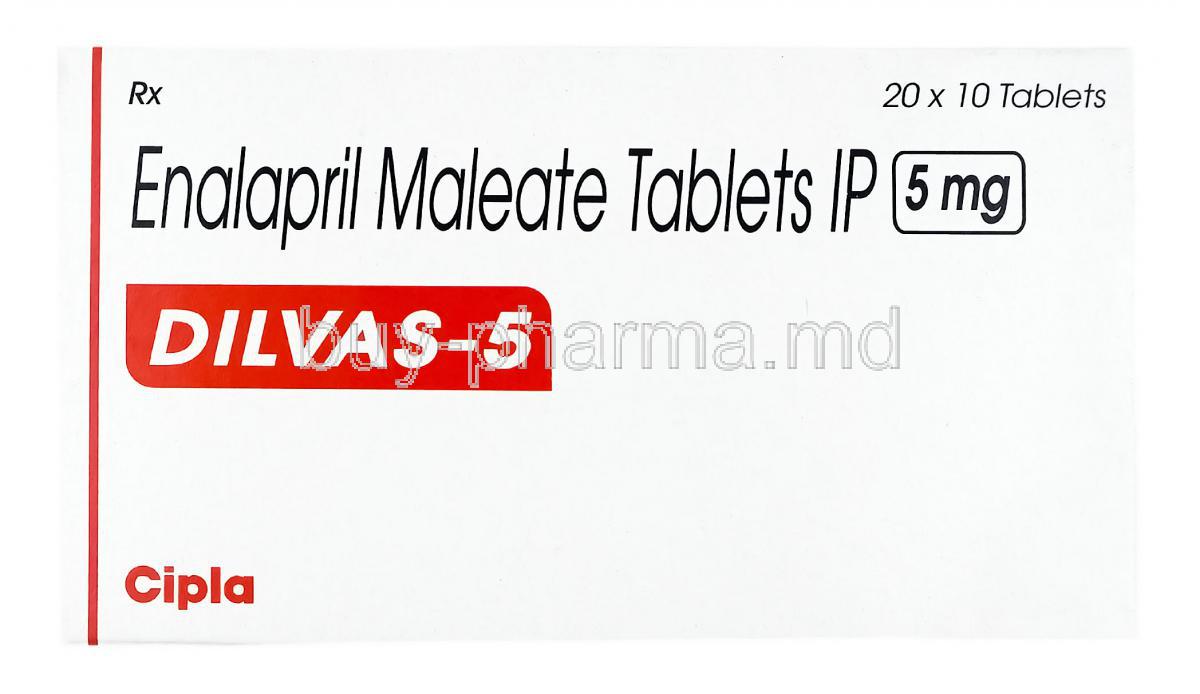
Dilvas, containing enalapril, belongs to the pharmacological class known as angiotensin-converting enzyme (ACE) inhibitors. These agents are widely utilized in cardiovascular medicine due to their vasodilatory and hemodynamic stabilizing properties. The formulation is specifically designed to modulate systemic blood pressure and reduce cardiac workload.
1.2 What Is Enalapril? (ACE Inhibitor Classification)
Enalapril is a prodrug that is metabolized into its active form, enalaprilat. It exerts its effects by inhibiting ACE, thereby disrupting the renin-angiotensin-aldosterone system (RAAS). This biochemical interference leads to decreased vascular resistance and enhanced circulatory efficiency.
- Reduces angiotensin II production
- Lowers peripheral vascular resistance
- Improves cardiac output
1.3 Brand Names, Generic Availability, and Global Use
Enalapril is marketed globally under various brand names, including Dilvas. It is widely available in generic formulations, enhancing accessibility across diverse healthcare systems. Its longstanding clinical use underscores its efficacy and safety profile.
1.4 Indications Approved by Regulatory Authorities
Regulatory bodies approve enalapril for multiple cardiovascular indications, including hypertension and heart failure. Its role extends to both treatment and prevention, making it a cornerstone therapy in modern cardiology.
2. Composition and Formulation of Dilvas
2.1 Active Ingredient: Enalapril Maleate
The primary active component is enalapril maleate, a salt form that ensures stability and optimal bioavailability. Once ingested, it undergoes hepatic conversion to enalaprilat, the pharmacologically active moiety.
2.2 Available Strengths and Dosage Forms (Tablets, Oral Solutions)
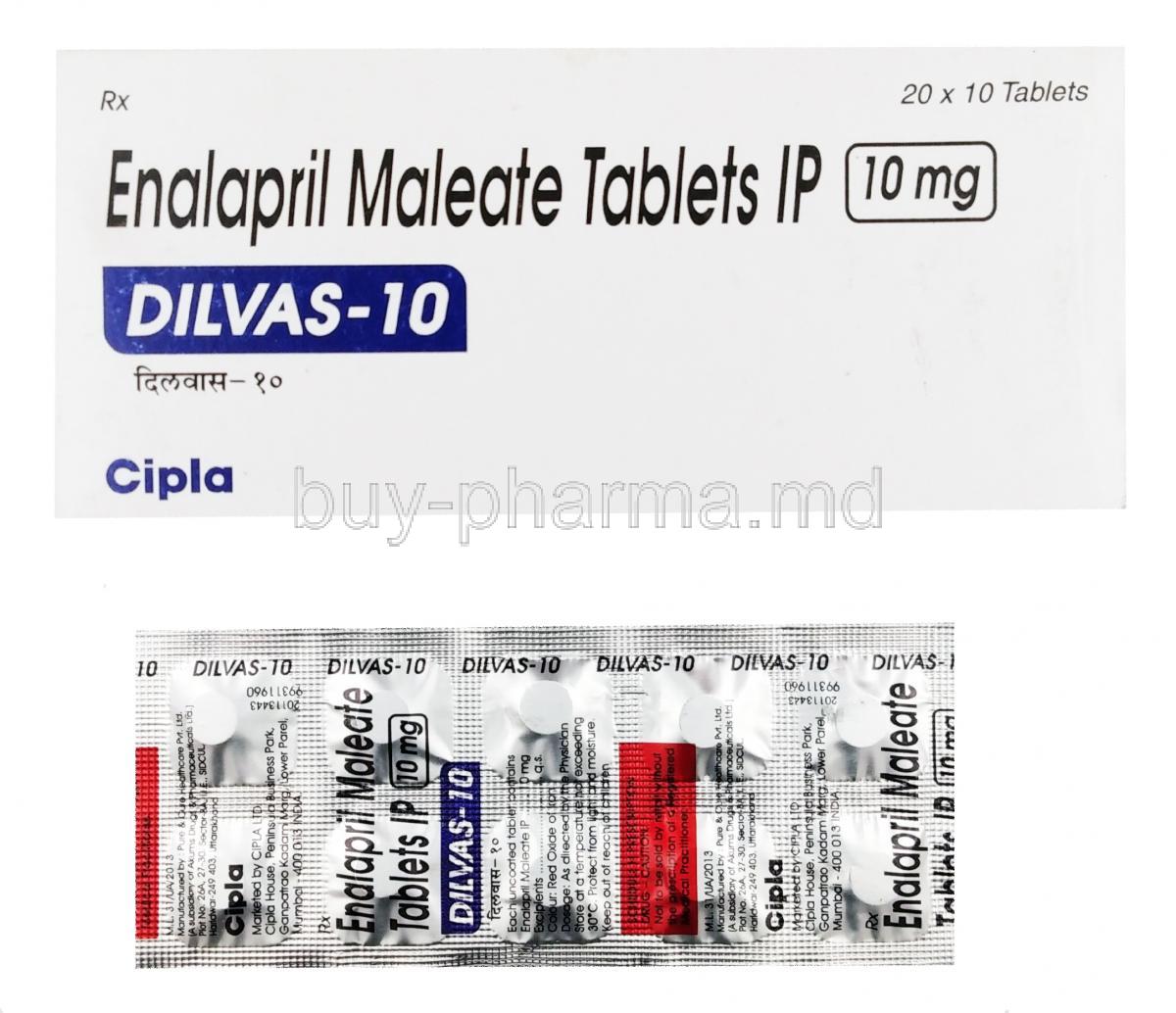
Dilvas is typically available in tablet form across multiple strengths to facilitate individualized dosing. In certain markets, oral solutions may be provided for patients requiring flexible administration.
- Low-dose tablets for initiation
- Higher strengths for maintenance therapy
- Liquid formulations for pediatric or dysphagic patients
2.3 Excipients and Inactive Ingredients
Inactive components include stabilizers, binders, and fillers that support tablet integrity and dissolution. These excipients are pharmacologically inert but essential for consistent drug delivery.
2.4 Packaging and Presentation
The medication is commonly packaged in blister packs or bottles, ensuring protection from environmental factors such as moisture and light. Proper labeling facilitates accurate dosing and patient adherence.
3. Mechanism of Action: How Dilvas (Enalapril) Works
3.1 Role of Angiotensin-Converting Enzyme (ACE)
ACE plays a pivotal role in converting angiotensin I to angiotensin II, a potent vasoconstrictor. By inhibiting this enzyme, enalapril interrupts a critical pathway in blood pressure regulation.
3.2 Inhibition of Angiotensin II Formation
Reduction in angiotensin II levels results in vasodilation and decreased systemic vascular resistance. This effect contributes to a sustained antihypertensive response.
3.3 Effects on Blood Pressure Regulation
The drug lowers both systolic and diastolic blood pressure through relaxation of arterial smooth muscle. This leads to improved perfusion and reduced cardiovascular strain.
3.4 Impact on Aldosterone Secretion and Fluid Balance
By decreasing aldosterone secretion, enalapril promotes sodium excretion and potassium retention. This diuretic-like effect aids in volume control and blood pressure stabilization.
3.5 Cardioprotective and Renoprotective Effects
Beyond blood pressure reduction, enalapril offers protective benefits for the heart and kidneys. It mitigates pathological remodeling and preserves organ function over time.
4. Therapeutic Uses of Dilvas (Enalapril)
4.1 Primary Uses in Hypertension (High Blood Pressure)
Dilvas is extensively prescribed for hypertension management. It provides consistent blood pressure control and reduces the risk of stroke and cardiovascular events.
4.2 Management of Heart Failure (Chronic and Symptomatic)
In heart failure, enalapril enhances cardiac efficiency and alleviates symptoms such as dyspnea and fatigue. It also improves survival outcomes.
- Reduces preload and afterload
- Improves ventricular function
- Enhances exercise tolerance
4.3 Prevention of Left Ventricular Dysfunction Progression
The medication slows the progression of asymptomatic left ventricular dysfunction, delaying the onset of overt heart failure.
4.4 Post-Myocardial Infarction (Heart Attack) Risk Reduction
Enalapril is used post-infarction to prevent adverse cardiac remodeling and reduce mortality risk.
4.5 Use in Diabetic Nephropathy and Kidney Protection
It plays a critical role in protecting renal function in diabetic patients by reducing intraglomerular pressure and proteinuria.
4.6 Role in Chronic Kidney Disease (CKD) Management
In CKD, enalapril slows disease progression and supports long-term renal preservation.
5. Off-Label Uses of Enalapril
5.1 Migraine Prophylaxis
Enalapril may be utilized in select cases for migraine prevention, particularly when hypertension coexists.
5.2 Raynaud’s Phenomenon
Its vasodilatory properties can alleviate symptoms associated with peripheral vasospasm.
5.3 Proteinuria Reduction in Non-Diabetic Renal Disease
The drug reduces protein leakage in various renal pathologies, contributing to nephroprotection.
5.4 Prevention of Cardiovascular Events in High-Risk Patients
It is sometimes used in high-risk individuals to lower the likelihood of adverse cardiovascular outcomes.
5.5 Scleroderma Renal Crisis Management
ACE inhibitors, including enalapril, are considered essential in managing this severe complication.
5.6 Use in Pediatric Hypertension (Specialist-Guided)
Under specialist supervision, enalapril may be prescribed for children with hypertension.
6. Dosage and Administration Guidelines
6.1 Standard Adult Dosage for Hypertension
Initial dosing typically begins at a low level, followed by gradual titration based on clinical response.
6.2 Dosage in Heart Failure Patients
Lower starting doses are recommended in heart failure to minimize hypotension risk, with careful upward adjustment.
6.3 Initial Dosing and Titration Strategy
Titration should be methodical and individualized. Rapid escalation is generally avoided.
6.4 Administration with or without Food
Dilvas may be taken irrespective of meals, offering flexibility in daily routines.
6.5 Missed Dose Instructions
If a dose is missed, it should be taken promptly unless the next scheduled dose is imminent.
6.6 Duration of Therapy and Long-Term Use
Long-term therapy is often required for chronic conditions. Consistency is crucial for optimal outcomes.
7. Dose Adjustments in Special Populations
7.1 Renal Impairment Dose Modifications
Reduced renal function necessitates dosage adjustments to prevent accumulation and toxicity.
7.2 Hepatic Impairment Considerations
Although less impacted by hepatic dysfunction, caution is still advised.
7.3 Dose Adjustments in Elderly Patients
Elderly individuals may exhibit heightened sensitivity, requiring conservative dosing.
7.4 Pediatric Dosing Recommendations
Dosing in children is weight-based and must be supervised by healthcare professionals.
8. Side Effects of Dilvas (Enalapril)
8.1 Overview of Potential Adverse Reactions
Adverse reactions vary in severity and frequency, necessitating clinical vigilance.
8.2 Common Side Effects (Dry Cough, Dizziness, Fatigue)
- Persistent dry cough
- Lightheadedness
- General fatigue
8.3 Less Common Side Effects (Hypotension, Hyperkalemia)
These effects may occur particularly in susceptible individuals or with concomitant medications.
8.4 Serious Side Effects (Angioedema, Renal Dysfunction)
Severe reactions require immediate medical intervention. Angioedema, although rare, can be life-threatening.
8.5 Rare but Severe Reactions and Emergency Symptoms
Symptoms such as swelling of the face, difficulty breathing, or severe hypotension warrant urgent care.
9. Drug Interactions with Enalapril
9.1 Interaction with Diuretics (Potassium-Sparing and Loop Diuretics)
Concurrent use may potentiate hypotensive effects or alter electrolyte balance.
9.2 NSAIDs and Reduced Antihypertensive Effect
Nonsteroidal anti-inflammatory drugs may attenuate the efficacy of enalapril.
9.3 Interaction with Potassium Supplements and Salt Substitutes
Increased risk of hyperkalemia exists when combined with potassium-containing products.
9.4 Lithium Toxicity Risk
Enalapril may elevate lithium levels, increasing the risk of toxicity.
9.5 Combination with Other Antihypertensives
Combination therapy can enhance blood pressure control but requires careful monitoring.
9.6 Alcohol and Blood Pressure Effects
Alcohol consumption may exacerbate hypotension and should be moderated.
10. Contraindications of Dilvas
10.1 Hypersensitivity to Enalapril or ACE Inhibitors
Patients with known hypersensitivity should avoid use.
10.2 History of Angioedema Related to ACE Inhibitors
Previous angioedema episodes contraindicate further ACE inhibitor therapy.
10.3 Concomitant Use with Aliskiren in Diabetic Patients
This combination increases the risk of adverse renal and cardiovascular outcomes.
10.4 Pregnancy (Second and Third Trimester Risks)
Use during later stages of pregnancy is contraindicated due to fetal toxicity.
10.5 Severe Renal Artery Stenosis
Patients with this condition may experience worsening renal function when treated with enalapril.
11. Warnings and Safety Considerations
11.1 Risk of Hypotension in Volume-Depleted Patients
Patients with reduced intravascular volume, such as those on aggressive diuretic therapy or experiencing dehydration, may exhibit pronounced hypotensive responses upon initiation of enalapril. This effect can be abrupt and symptomatic.
- Dizziness or syncope may occur shortly after dosing
- Risk is heightened during the first dose or dose escalation
- Careful pre-assessment of volume status is recommended
Gradual titration and correction of fluid deficits can mitigate these risks effectively.
11.2 Angioedema Risk and Monitoring
Angioedema represents a rare yet potentially life-threatening adverse reaction. It is characterized by rapid swelling of subcutaneous or submucosal tissues, particularly affecting the face, lips, tongue, and airway.
Clinical vigilance is imperative. Immediate discontinuation is required if symptoms arise.
11.3 Hyperkalemia and Electrolyte Imbalance
Enalapril may induce hyperkalemia due to reduced aldosterone secretion. Elevated potassium levels can disrupt cardiac electrophysiology and pose significant risks.
- Increased risk in renal impairment
- Potentiated by potassium supplements or potassium-sparing diuretics
- Routine electrolyte monitoring is essential
11.4 Renal Function Deterioration
Although renoprotective in many contexts, enalapril may precipitate renal function decline in susceptible individuals, particularly those with renal artery stenosis.
Monitoring serum creatinine and glomerular filtration rate is crucial during therapy.
11.5 Cough Associated with ACE Inhibitors
A persistent, non-productive cough is a well-documented class effect of ACE inhibitors. While benign, it may affect patient adherence and necessitate therapeutic substitution.
12. Careful Administration (Use with Caution)
12.1 Patients with Renal Artery Stenosis
Patients with bilateral renal artery stenosis or stenosis in a solitary kidney are at heightened risk of renal insufficiency. ACE inhibition may reduce glomerular filtration pressure excessively.
12.2 Individuals with Electrolyte Imbalances
Pre-existing electrolyte disturbances, particularly hyperkalemia or hyponatremia, require correction prior to initiating therapy. Imbalances may be exacerbated during treatment.
12.3 Patients with Dehydration or Volume Depletion
Volume-depleted individuals are susceptible to exaggerated hypotensive responses. Adequate hydration should be ensured before commencing therapy.
12.4 Patients with Autoimmune Disorders
In rare cases, ACE inhibitors have been associated with hematologic abnormalities, including neutropenia. Patients with autoimmune conditions warrant cautious monitoring.
12.5 Patients on Concurrent Antihypertensive Therapy
Concomitant use with other antihypertensives may amplify blood pressure reduction. While often beneficial, it necessitates careful dose calibration.
13. Important Precautions Before and During Use
13.1 Regular Monitoring of Blood Pressure
Consistent blood pressure evaluation is fundamental to therapeutic success. Both hypotension and insufficient control must be avoided.
13.2 Monitoring Renal Function and Serum Creatinine
Renal parameters should be assessed periodically, particularly during initiation and dose adjustments.
13.3 Monitoring Serum Potassium Levels
Serum potassium should be measured routinely to detect early signs of hyperkalemia.
- Especially important in high-risk populations
- Critical when combined with potassium-altering agents
13.4 Avoiding Sudden Discontinuation
Abrupt cessation may lead to rebound hypertension or destabilization of underlying cardiovascular conditions. Gradual withdrawal is advised.
13.5 Lifestyle Modifications to Enhance Treatment Outcomes
Pharmacotherapy is most effective when combined with lifestyle optimization.
- Dietary sodium restriction
- Regular physical activity
- Weight management
- Smoking cessation
14. Administration in Elderly Patients
14.1 Increased Sensitivity to Hypotensive Effects
Elderly patients often exhibit enhanced pharmacodynamic sensitivity. Even standard doses may produce pronounced hypotension.
14.2 Dose Initiation and Gradual Titration
Therapy should commence at lower doses with incremental titration. This approach minimizes adverse reactions while maintaining efficacy.
14.3 Monitoring for Renal Function Decline
Age-related renal impairment necessitates vigilant monitoring. Subtle changes in renal function may have significant clinical implications.
15. Use in Pregnant Women and Nursing Mothers
15.1 Risks During Pregnancy (Fetal Toxicity)
Enalapril poses significant risks during pregnancy, including fetal renal dysfunction, oligohydramnios, and skeletal abnormalities. These effects are particularly concerning in later stages of gestation.
15.2 Contraindication in Second and Third Trimesters
Use during the second and third trimesters is contraindicated due to established teratogenic and fetotoxic risks.
15.3 Use During Breastfeeding and Safety Considerations
Enalapril is excreted in breast milk in small quantities. While generally considered low risk, clinical discretion is required when prescribing to nursing mothers.
15.4 Alternative Treatment Options
Safer alternatives should be considered during pregnancy and lactation, particularly those with established maternal and fetal safety profiles.
16. Administration in Children
16.1 Indications for Pediatric Use
Enalapril may be used in pediatric patients for hypertension and certain cardiac conditions under specialist supervision.
16.2 Pediatric Dosage Guidelines
Dosing is typically weight-based and requires careful adjustment to achieve therapeutic efficacy while minimizing adverse effects.
16.3 Safety and Efficacy in Children
Clinical studies support its use in children, though long-term safety data remain comparatively limited. Monitoring is essential.
17. Overdosage and Management
17.1 Symptoms of Enalapril Overdose
Overdose may present with severe hypotension, electrolyte disturbances, and renal impairment. Symptoms can be profound and require urgent attention.
17.2 Immediate Medical Management
Initial management focuses on stabilizing hemodynamic status and restoring circulatory volume.
17.3 Supportive Treatment and Monitoring
Supportive care includes intravenous fluids, electrolyte correction, and continuous monitoring of vital parameters.
17.4 Dialysis Considerations
Enalaprilat is partially dialyzable. Hemodialysis may be considered in severe cases to facilitate drug removal.
18. Storage and Stability
18.1 Recommended Storage Conditions (Temperature, Moisture)
The medication should be stored at controlled room temperature, protected from excessive moisture and direct light.
18.2 Shelf Life and Expiry Considerations
Adherence to expiry dates ensures drug potency and safety. Degraded products may exhibit reduced efficacy.
18.3 Safe Storage Practices
Keep the medication in its original packaging and out of reach of children to prevent accidental ingestion.
19. Handling Precautions
19.1 Safe Handling and Administration
Tablets should be handled with clean, dry hands. Proper administration techniques support consistent therapeutic outcomes.
19.2 Disposal of Unused or Expired Medication
Unused medication should be disposed of in accordance with local pharmaceutical waste guidelines.
19.3 Avoiding Contamination and Improper Use
To maintain drug integrity:
- Avoid exposure to humidity and heat
- Do not transfer tablets to unlabelled containers
- Prevent cross-contamination with other medications
Customers also bought




Popular Products

Similar Product