
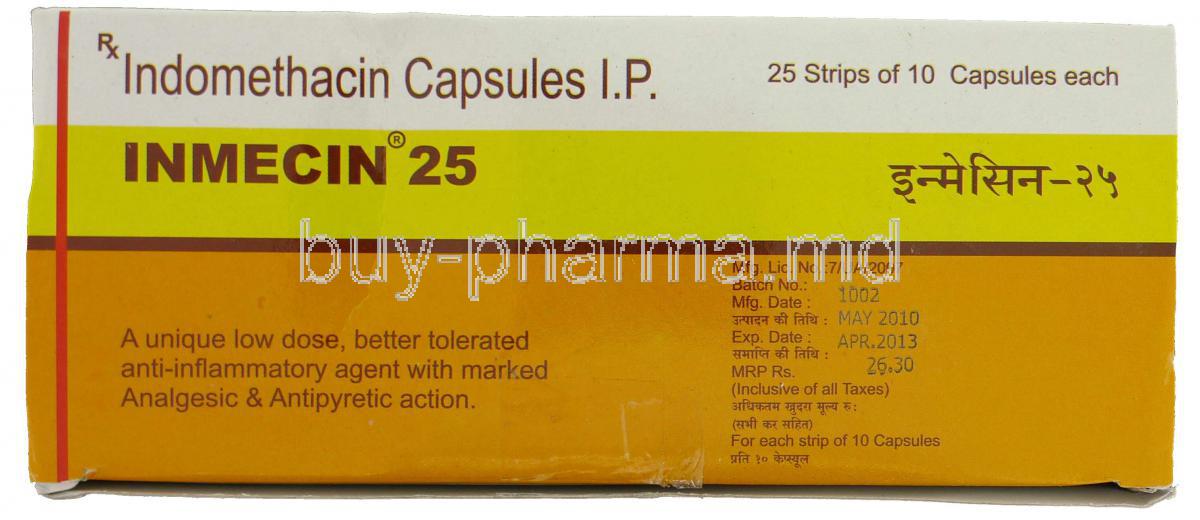
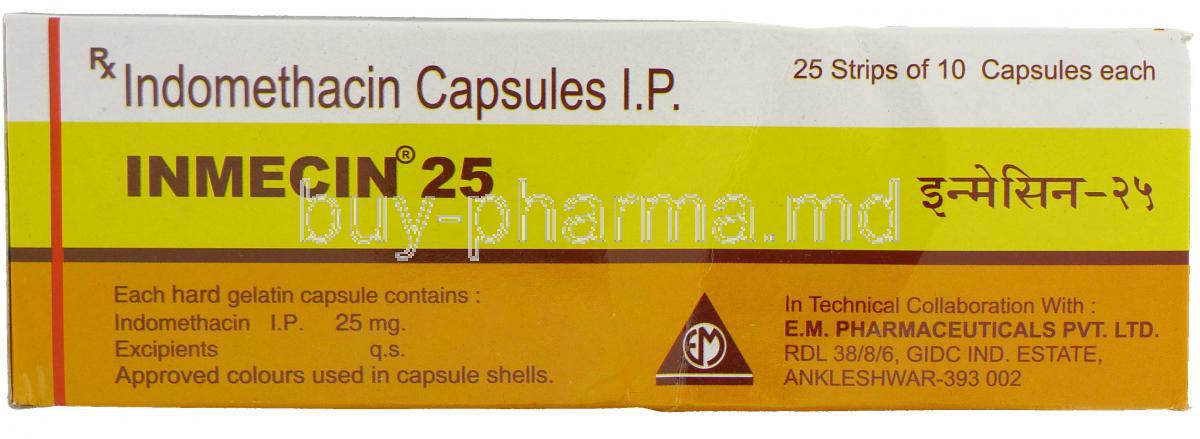
1. Introduction to Inmecin (Indomethacin)
1.1 Overview and Classification as a Potent NSAID
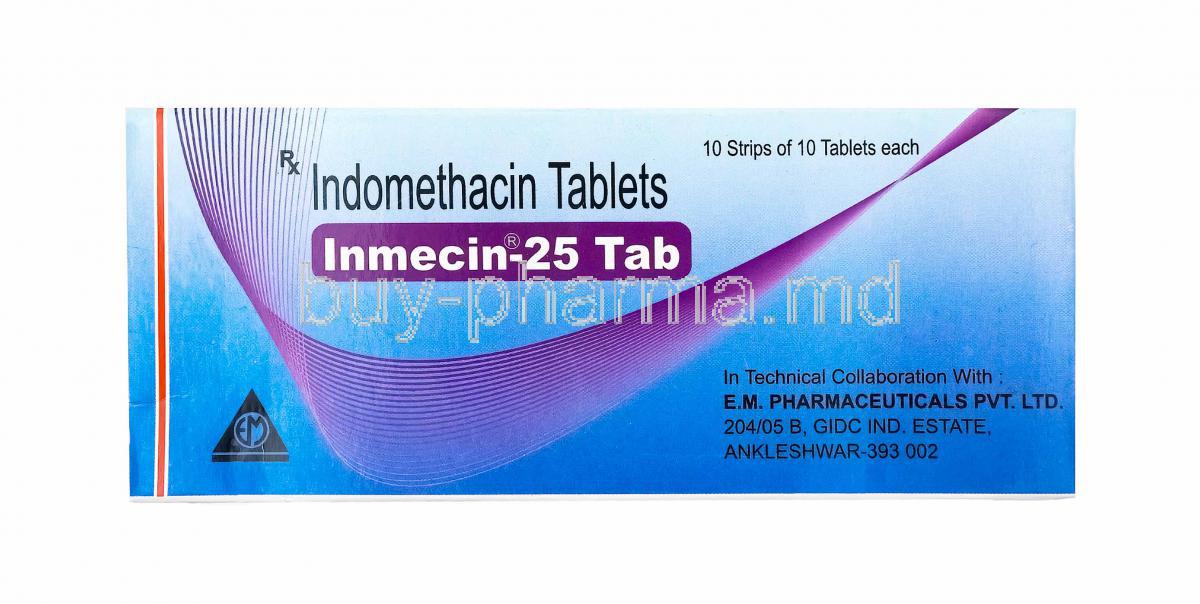
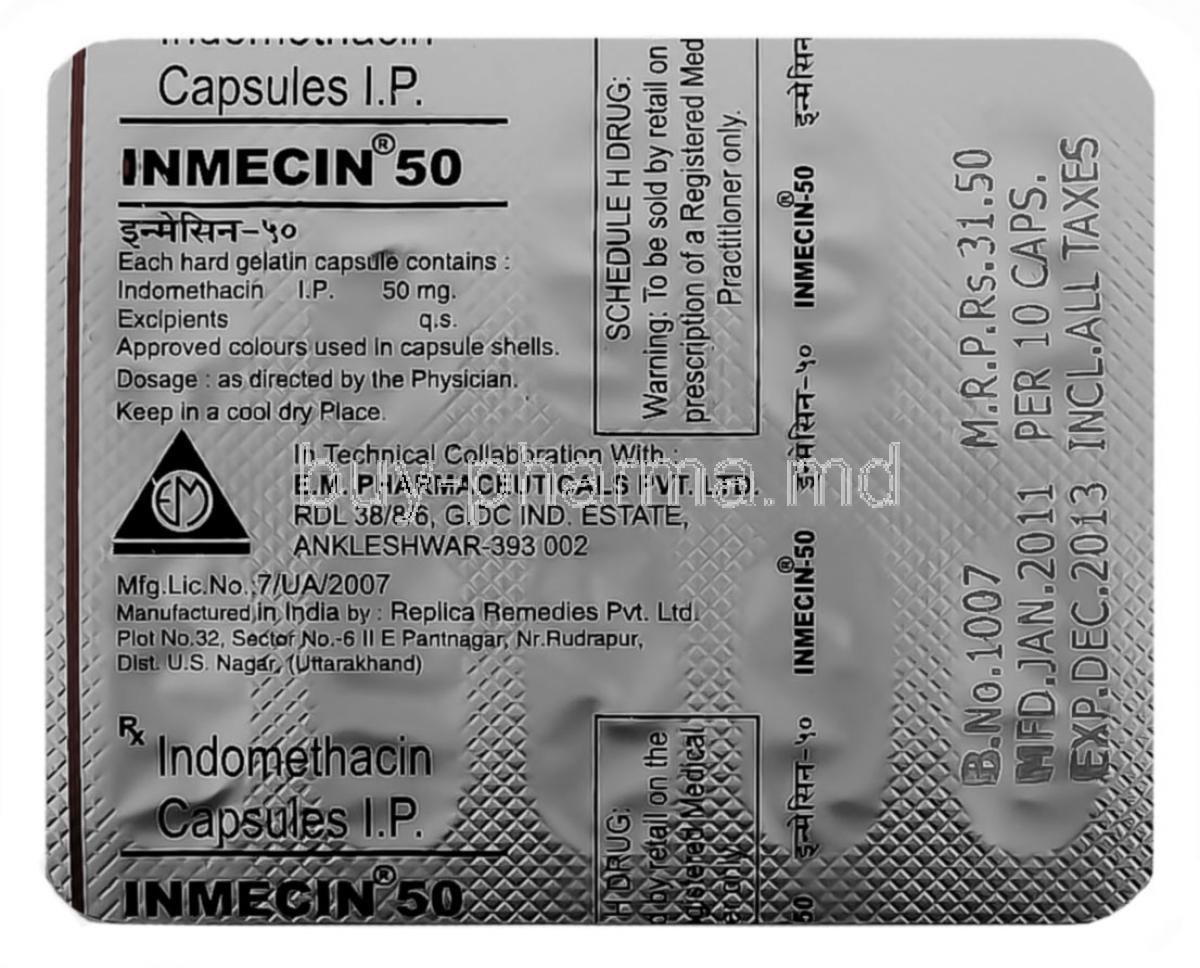
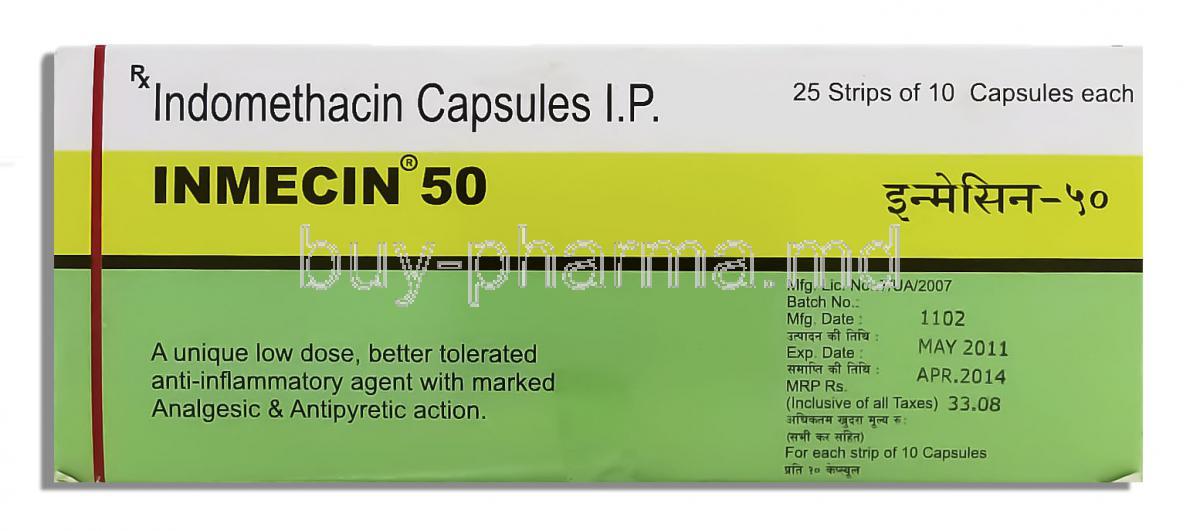
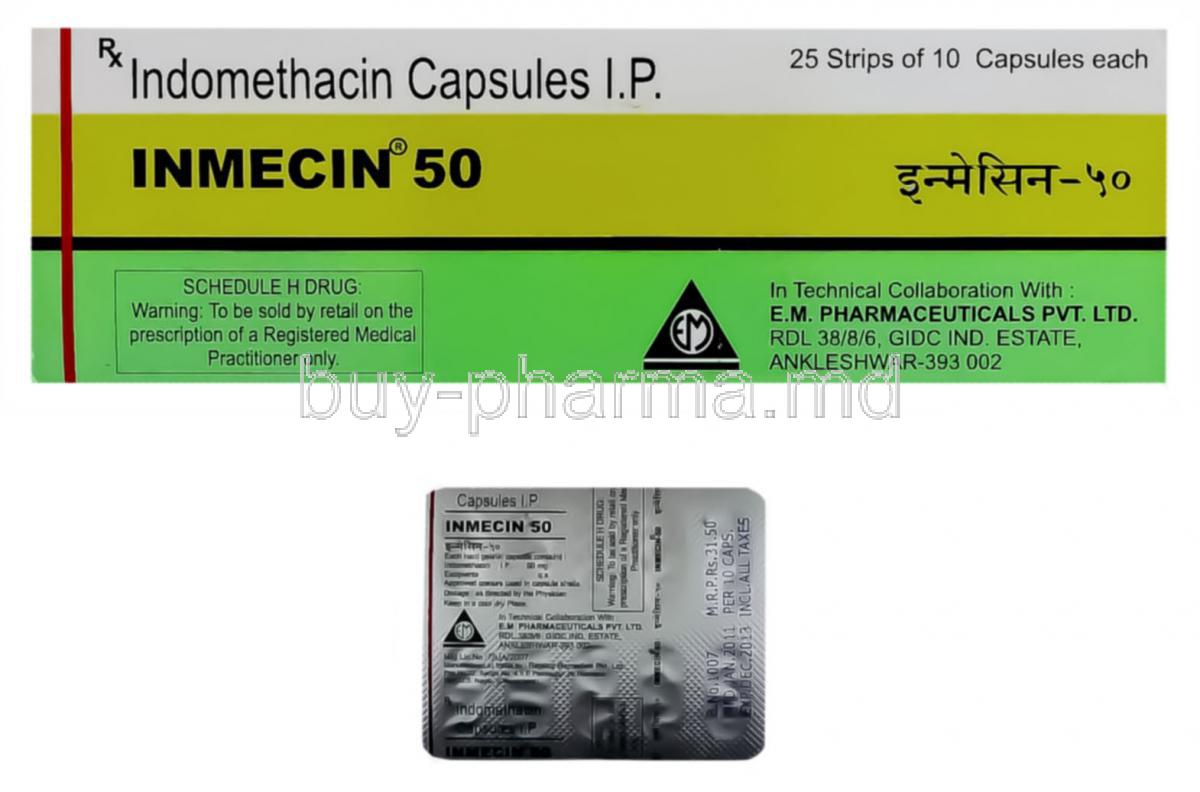
Inmecin is a branded preparation of indomethacin, a potent nonsteroidal anti-inflammatory drug (NSAID). It is primarily used to relieve inflammation-associated pain and swelling in musculoskeletal and joint disorders. Indomethacin is often reserved for situations where milder NSAIDs are insufficient because of its strong effect but higher risk profile.
- Belongs to the indoleacetic acid subclass of NSAIDs
- Provides anti-inflammatory, analgesic, and antipyretic actions
- Used under medical supervision due to potential adverse effects
1.2 Therapeutic Relevance in Modern Clinical Practice
Despite newer NSAIDs being available, indomethacin remains clinically relevant. It is particularly valuable in acute inflammatory attacks, such as gout, where rapid symptom relief is essential. Clinicians also select indomethacin when a strong anti-inflammatory effect is needed over a short time frame.
1.3 Indomethacin’s Place Among Nonsteroidal Anti-Inflammatory Drugs
Among NSAIDs, indomethacin is considered more potent than many common agents like ibuprofen or naproxen, but carries a relatively higher risk of gastrointestinal and central nervous system side effects. It is not typically the first-line NSAID, but rather a targeted choice in specific conditions.
- Stronger anti-inflammatory effect than many over-the-counter NSAIDs
- Requires strict adherence to prescribed dose and duration
- Best used when benefits clearly outweigh the risks
1.4 Regulatory Status and Global Availability
Indomethacin is approved in many countries as a prescription medicine. Regulatory authorities generally classify it as a drug that must be used under medical direction, especially in patients with comorbidities such as cardiovascular disease, kidney disease, or peptic ulcer history.
1.5 Brand Names, Generic Versions, and Formulation Variability
In addition to Inmecin, numerous other brand names and generic indomethacin products exist worldwide. Formulations can vary by strength, dosage form, and release characteristics.
- Immediate-release and sustained-release oral capsules or tablets
- Rectal suppositories for patients unable to take oral medications
- Parenteral forms (in some settings) for hospital use
2. Composition and Formulations
2.1 Active Ingredient: Indomethacin
The therapeutic component in Inmecin is indomethacin, typically present as indomethacin free acid or as a salt. This active ingredient is responsible for the suppression of inflammatory pathways and the reduction of pain and fever.
2.2 Available Strengths and Dosage Forms
Indomethacin is available in multiple strengths and dosage forms, which allows clinicians to tailor therapy:
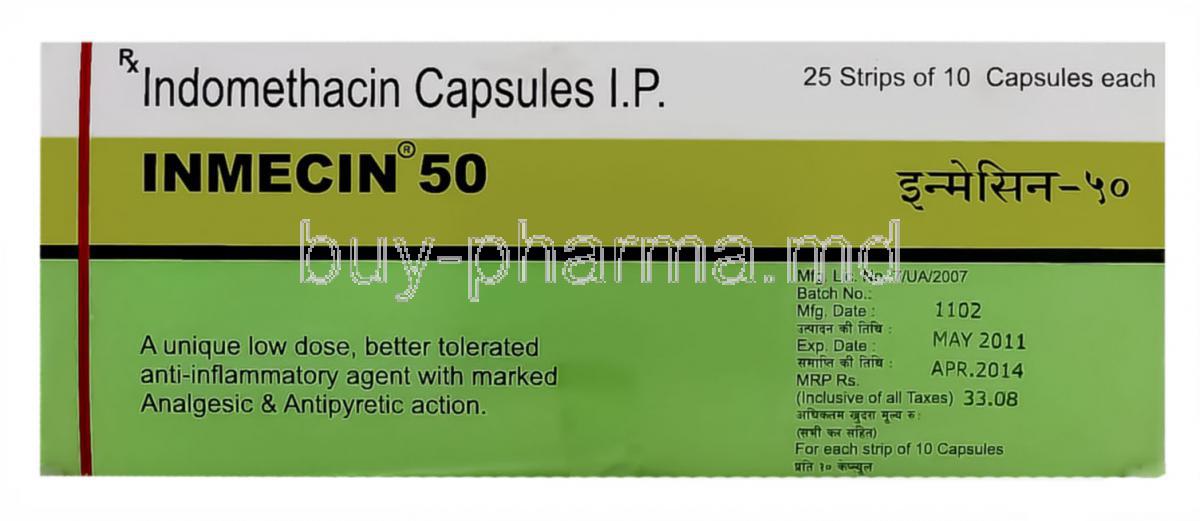
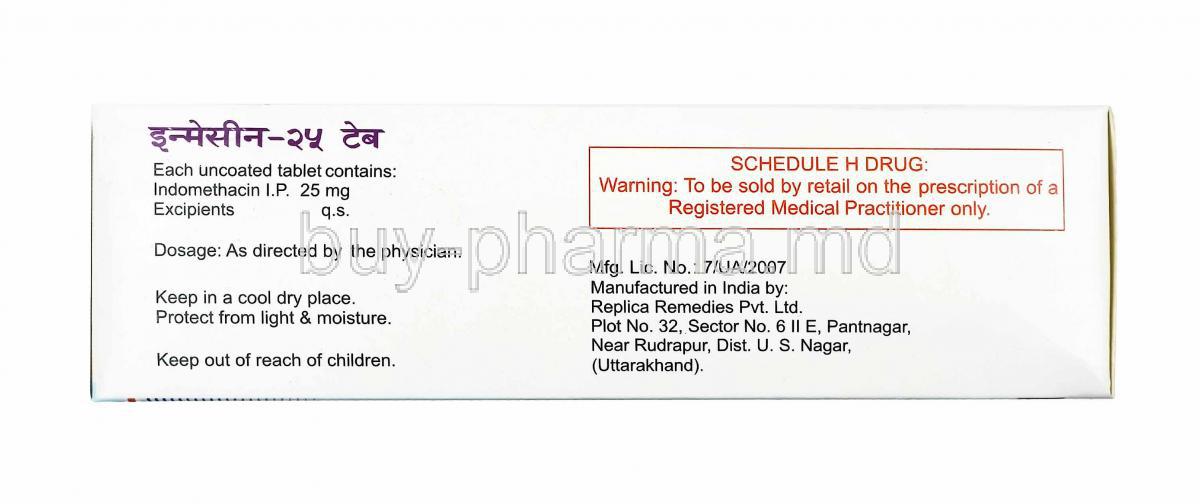
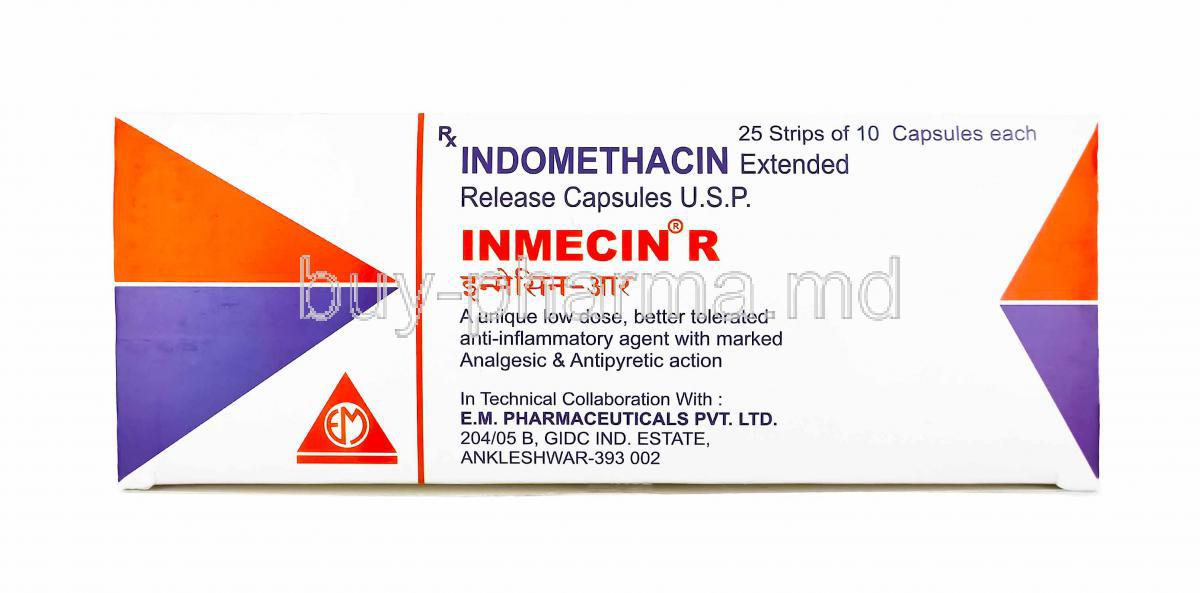
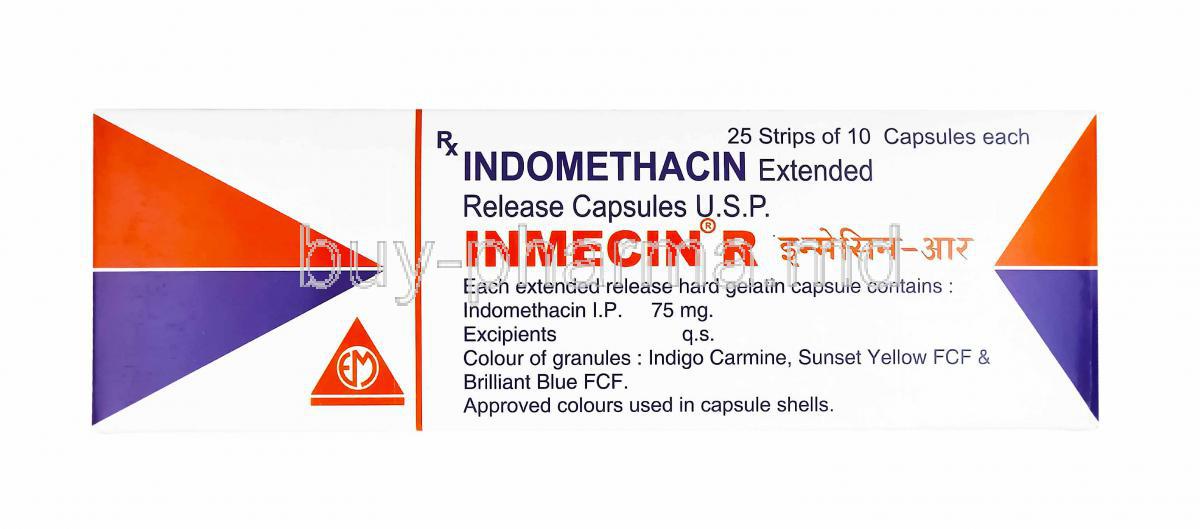
- Oral capsules or tablets (e.g., 25 mg, 50 mg, sustained-release 75 mg)
- Rectal suppositories (typical strengths vary by region)
- Oral suspension for patients who have difficulty swallowing tablets
- Intravenous formulations in neonatal and hospital settings (e.g., PDA closure)
2.3 Excipients and Inactive Ingredients
Besides indomethacin, formulations contain excipients such as fillers, binders, disintegrants, and colorants. These inactive components influence tablet stability, dissolution, and appearance, but do not have direct therapeutic action.
2.4 Pharmacological Classification and Potency Profile
Indomethacin is pharmacologically classified as:
- A nonselective cyclooxygenase (COX) inhibitor
- A potent anti-inflammatory agent with strong prostaglandin suppression
- A drug where efficacy and toxicity are dose-dependent
3. Mechanism of Action: How Indomethacin Works
3.1 COX-1 and COX-2 Enzyme Inhibition Explained
Indomethacin inhibits both COX-1 and COX-2 enzymes, key catalysts in the synthesis of prostaglandins. By blocking these enzymes, indomethacin reduces the production of mediators involved in inflammation, pain perception, and fever generation.
3.2 Anti-Inflammatory, Analgesic, and Antipyretic Effects
The clinical actions of indomethacin derive from this prostaglandin suppression:
- Anti-inflammatory: Reduces joint swelling, redness, and stiffness
- Analgesic: Alleviates pain associated with movement or at rest
- Antipyretic: Lowers elevated body temperature in selected cases
3.3 Effect on Prostaglandin Synthesis and Pain Modulation
Prostaglandins sensitize nerve endings to pain and amplify inflammatory signals. By lowering prostaglandin levels, indomethacin reduces pain transmission and the intensity of inflammatory responses.
3.4 Pharmacokinetics: Absorption, Distribution, Metabolism, and Elimination
After oral administration, indomethacin is generally well absorbed. It binds extensively to plasma proteins and distributes into synovial fluid and other tissues involved in inflammation. Metabolism occurs predominantly in the liver, and both metabolites and unchanged drug are excreted via urine and bile.
3.5 Unique Pharmacodynamic Features Compared to Other NSAIDs
Indomethacin’s high potency gives it advantages in severe inflammatory conditions, but:
- It has a narrower therapeutic window compared with milder NSAIDs
- It is more likely to produce central nervous system effects such as headache and dizziness
- It should be carefully individualized, particularly in vulnerable populations
4. Therapeutic Uses
4.1 Approved Clinical Uses
4.1.1 Acute Gouty Arthritis
Indomethacin is a classic treatment for acute gout attacks. It rapidly reduces intense pain, joint swelling, and redness, especially when initiated early in the flare.
4.1.2 Osteoarthritis and Degenerative Joint Diseases
In osteoarthritis, indomethacin may be used short-term for:
- Relief of moderate to severe joint pain
- Improvement in mobility and function during exacerbations
4.1.3 Rheumatoid Arthritis and Ankylosing Spondylitis
Indomethacin helps control chronic inflammatory joint pain and stiffness in rheumatoid arthritis and axial spondyloarthritis. It does not modify disease progression but improves symptoms and quality of life when used alongside disease-modifying agents.
4.1.4 Bursitis and Tendinitis
Painful inflammation of bursae or tendons, such as shoulder bursitis or Achilles tendinitis, may be alleviated by short courses of indomethacin. Rest and physical therapy remain important co-measures.
4.1.5 Moderate to Severe Pain Management
Indomethacin can be used as an analgesic for moderate to severe pain due to musculoskeletal injury or postoperative conditions, particularly where inflammation is a major contributor.
4.1.6 Fever Reduction (Selective Clinical Cases)
Although capable of reducing fever, indomethacin is not commonly the first choice antipyretic. It may be used in specific clinical situations where other agents are unsuitable.
4.2 Off-Label Uses
4.2.1 Closure of Patent Ductus Arteriosus (PDA) in Premature Infants
In neonatal intensive care, indomethacin is used off-label to promote closure of a persistently open ductus arteriosus. Careful dosing and monitoring are essential because of potential renal and gastrointestinal complications in preterm infants.
4.2.2 Management of Dysmenorrhea
Indomethacin may be prescribed for painful menstrual cramps when standard NSAIDs are insufficient, especially when prostaglandin-related uterine contractions play a prominent role.
4.2.3 Treatment of Acute Migraine Attacks
In some patients with migraine, indomethacin can reduce attack severity and associated symptoms. However, it is more classically associated with certain primary headache disorders such as paroxysmal hemicrania.
4.2.4 Management of Pericarditis and Pleurisy
Indomethacin can assist in reducing inflammation and chest pain in pericarditis and pleurisy, often together with other therapies. Monitoring for renal and gastrointestinal adverse effects is mandatory.
4.2.5 Prophylaxis Against Heterotopic Ossification
Following orthopedic surgeries, particularly around major joints, indomethacin has been used to reduce the risk of abnormal bone formation in soft tissue. Benefits must be balanced against the risk of bleeding and impaired bone healing.
4.2.6 Cluster Headache Adjunctive Therapy
Indomethacin can be considered in selected headache syndromes as part of comprehensive management. It is particularly known for its diagnostic and therapeutic role in indomethacin-responsive headaches.
4.3 Comparative Clinical Benefits vs Other NSAIDs
Compared with other NSAIDs, indomethacin often:
- Provides stronger anti-inflammatory effects
- Is used when rapid and robust symptom control is required
- Demands more cautious monitoring due to adverse event risk
5. Dosage and Administration
5.1 General Dosing Principles for Indomethacin
The lowest effective dose for the shortest necessary duration should be used. Dose escalation is guided by symptom control and tolerability, not by maximum theoretical dose.
5.2 Standard Adult Dosage Guidelines
Typical oral dosing regimens may range from divided doses throughout the day to sustained-release once- or twice-daily preparations. Exact doses are determined by the condition treated, severity of symptoms, and patient-specific factors.
5.3 Dose Adjustment for Chronic Disorders
In chronic arthritis, doses are often started low and titrated upward. Ongoing review is necessary to avoid unnecessary long-term high-dose exposure.
5.4 Administration Techniques for Oral, Rectal, and IV Forms
Oral forms are swallowed with water, preferably with food or milk to reduce gastric irritation. Rectal suppositories are inserted gently into the rectum, often used when oral intake is not possible. Intravenous forms, typically in neonatal care, are administered by trained professionals in hospital settings.
5.5 Timing with Meals and Gastrointestinal Protection Strategies
Taking indomethacin with meals or milk may lessen stomach discomfort. In higher-risk patients, gastroprotective agents such as proton pump inhibitors may be co-prescribed.
5.6 Missed Dose Instructions
If a dose is missed, it should be taken as soon as remembered unless the next dose is near. Double dosing to compensate for a missed dose should be avoided.
5.7 Duration of Therapy Recommendations
For acute conditions, therapy is usually short-term. For chronic diseases, periodic reassessment is crucial to determine if continued indomethacin use is still necessary.
6. Side Effects
6.1 Overview of Potential Adverse Reactions
Indomethacin can produce adverse effects in multiple organ systems, some mild and transient, others potentially serious. Risk increases with higher doses, longer duration, and in susceptible patients.
6.2 Gastrointestinal Side Effects
Common gastrointestinal events include:
- Epigastric discomfort or pain
- Nausea, vomiting, or diarrhea
- Gastritis, ulceration, or bleeding in severe cases
6.3 Cardiovascular and Hypertension Risks
Indomethacin may elevate blood pressure and, like many NSAIDs, can increase the risk of cardiovascular events, particularly with prolonged use or in patients with pre-existing cardiovascular disease.
6.4 Renal and Hepatic Function Impairment
NSAID-related reduction in renal blood flow can precipitate kidney injury, especially in dehydrated or elderly patients. Liver enzyme elevations and, rarely, clinically significant hepatic injury may also occur.
6.5 CNS-Related Effects (Dizziness, Headache, Confusion)
Headache, dizziness, drowsiness, and, rarely, confusion or mood changes can occur, which may impair tasks requiring alertness such as driving.
6.6 Dermatological Reactions
Skin rash, itching, or photosensitivity may develop. Very rare but severe skin reactions require immediate discontinuation and medical evaluation.
6.7 Rare but Serious Complications
Serious complications can include gastrointestinal perforation, severe bleeding, renal failure, fulminant hepatitis, or severe hypersensitivity reactions.
7. Common Side Effects
7.1 Nausea, Vomiting, Abdominal Pain
These are among the most frequently reported effects and are often dose-related. Taking the medicine with food may mitigate them.
7.2 Heartburn and Indigestion
Reflux-like symptoms and dyspepsia are common. Persistent or severe symptoms warrant medical review.
7.3 Dizziness and Lightheadedness
Dizziness may occur, particularly at the start of treatment or with dose increases. Caution is advised when standing up quickly or operating machinery.
7.4 Headache and Fatigue
Paradoxically, headache can be both an indication and a side effect. Persistent or severe headache should be evaluated.
7.5 Diarrhea or Constipation
Altered bowel habit, either loose stools or constipation, may occur but is typically mild.
7.6 Mild Skin Rash or Itching
Minor rashes may resolve spontaneously; worsening or widespread rash needs medical attention.
8. Important Precautions
8.1 Gastrointestinal Bleeding Risk and Prevention
Patients with a history of ulcers, older age, or concurrent anticoagulants are at higher risk of GI bleeding. Gastroprotection and close monitoring are recommended in these individuals.
8.2 Cardiovascular Event Awareness
Patients with cardiovascular disease or risk factors should use indomethacin cautiously, and only when benefits clearly outweigh potential risks.
8.3 Renal Function Monitoring
Regular assessment of kidney function is advisable during prolonged therapy, especially in patients on diuretics, ACE inhibitors, or with pre-existing renal impairment.
8.4 Liver Toxicity Warning Signs
Unexplained fatigue, dark urine, jaundice, or right upper abdominal pain may signal liver injury and require urgent evaluation.
8.5 NSAID-Induced Bronchospasm in Asthmatics
Individuals with aspirin-sensitive asthma may develop bronchospasm with indomethacin. Such patients should avoid the drug unless specifically advised by a specialist.
8.6 Avoiding Concomitant NSAID or Aspirin Use
Using multiple NSAIDs or high-dose aspirin increases toxicity without improving benefit. Combination therapy should generally be avoided unless specifically indicated.
8.7 Long-Term Treatment Considerations
Prolonged use calls for:
- Regular review of necessity and dose
- Monitoring for GI, renal, hepatic, and cardiovascular complications
- Consideration of alternative therapies when possible
9. Careful Administration
9.1 Patients with Renal Impairment
Dose reduction, shorter treatment duration, and frequent monitoring are necessary in renal impairment. In severe kidney disease, indomethacin may be contraindicated.
9.2 Patients with Hepatic Dysfunction
Liver impairment can alter metabolism and increase risk of toxicity. Cautious dose titration and periodic liver function tests are recommended.
9.3 Patients with Hypertension or Heart Disease
Indomethacin can exacerbate hypertension and fluid retention. Blood pressure and cardiovascular status should be regularly monitored.
9.4 Individuals with History of Gastrointestinal Ulcers
These patients require extreme caution, gastroprotective measures, or alternative analgesics where possible.
9.5 Patients with Seizure Disorders
CNS effects may theoretically lower seizure threshold. Close observation is warranted in individuals with epilepsy or prior seizures.
9.6 Those Taking Diuretics or Antihypertensives
Indomethacin can blunt the effect of diuretics and antihypertensives and enhance nephrotoxicity risk. Periodic evaluation of blood pressure and renal function is crucial.
9.7 Frail or Low-Body-Weight Patients
Frailer patients may be more susceptible to both therapeutic and adverse effects. Lower starting doses and meticulous titration are advisable.
10. Contraindications
10.1 Known Hypersensitivity to Indomethacin or NSAIDs
History of allergy, anaphylaxis, or severe skin reaction to indomethacin or similar drugs is an absolute contraindication.
10.2 Active Peptic Ulcer Disease or Gastrointestinal Bleeding
Current GI bleeding or active ulceration precludes indomethacin use due to risk of worsening hemorrhage or perforation.
10.3 Severe Renal or Hepatic Disease
Markedly impaired kidney or liver function significantly increases the risk of serious toxicity and is generally a contraindication.
10.4 History of NSAID-Related Asthma or Anaphylaxis
Patients with aspirin-induced asthma or prior life-threatening reactions must not receive indomethacin.
10.5 Late Pregnancy (Third Trimester)
Use in late pregnancy may cause premature closure of the fetal ductus arteriosus and other complications, and is therefore contraindicated.
10.6 Patients Undergoing CABG Surgery
Use around the time of coronary artery bypass graft surgery is contraindicated due to increased cardiovascular risk.
10.7 Hemorrhagic Disorders
Patients with active bleeding disorders or significant coagulation abnormalities should not receive indomethacin.
11. Drug Interactions
11.1 Antihypertensive Drugs
ACE inhibitors, ARBs, and beta-blockers may have reduced efficacy when combined with indomethacin, and the risk of kidney dysfunction may increase.
11.2 Anticoagulants and Antiplatelet Agents
Warfarin, direct oral anticoagulants, and antiplatelet drugs combined with indomethacin markedly raise bleeding risk. Close monitoring and careful risk–benefit assessment are vital.
11.3 Diuretics
Loop and thiazide diuretics may become less effective and nephrotoxicity risk increases when used with indomethacin.
11.4 Corticosteroids
Concomitant use heightens the likelihood of GI ulceration and bleeding. Gastroprotection and careful monitoring are recommended.
11.5 Lithium
Indomethacin can increase lithium levels and toxicity. Serum lithium should be closely monitored and dose adjustments considered.
11.6 SSRIs and SNRIs
Combination with serotonergic antidepressants may further increase the risk of gastrointestinal bleeding.
11.7 Other NSAIDs or Analgesics
Using multiple NSAIDs together is discouraged, as toxicity is additive while benefit rarely improves.
12. Administration to Specific Populations
12.1 Administration to Elderly Patients
Older adults are more vulnerable to GI bleeding, kidney injury, and cardiovascular events. Lower doses, shorter courses, and frequent review are advisable.
12.1.1 Increased GI and Renal Risk
Age-related decline in organ function amplifies susceptibility to NSAID toxicity. Preventive strategies and vigilant monitoring are essential.
12.1.2 Dose Adjustment Recommendations
Initial doses may be lower than standard adult doses, with gradual titration only if necessary.
12.1.3 Monitoring Requirements
Periodic checks of kidney function, liver enzymes, hemoglobin, and blood pressure are prudent during ongoing therapy.
12.2 Administration to Pregnant Women and Nursing Mothers
12.2.1 Fetal Circulation Risks and PDA Closure Concerns
In late pregnancy, prostaglandin inhibition can prematurely close the fetal ductus arteriosus and impair renal function, so use is generally avoided, especially in the third trimester.
12.2.2 Safety Profile in Early Pregnancy
Use in early pregnancy is generally restricted and considered only if clearly necessary, after weighing potential fetal risks against maternal benefit.
12.2.3 Breastfeeding Safety Information
Small amounts may pass into breast milk. Decisions on use during lactation should involve a clinician, considering dose, duration, and infant health.
12.3 Administration to Children
12.3.1 Pediatric Indications and Limitations
Indomethacin is not a routine analgesic in children and is typically reserved for specific indications such as PDA closure or juvenile inflammatory conditions, under specialist care.
12.3.2 Use in Preterm Infants for PDA
Dosing in preterm infants is highly specialized and performed in intensive care units with close monitoring of renal function, urine output, and gastrointestinal status.
12.3.3 Dose Adjustments Based on Weight and Age
Pediatric dosing is generally calculated per kilogram of body weight and adjusted according to clinical response and tolerability.
13. Overdosage
13.1 Signs and Symptoms of Toxicity
Overdose may cause severe nausea, vomiting, drowsiness, dizziness, confusion, and, in serious cases, renal failure or metabolic disturbances.
13.2 Emergency Management and Supportive Measures
Management is largely supportive:
- Stabilization of airway, breathing, and circulation
- Monitoring of vital signs and organ function
- Symptomatic treatment of complications
13.3 Gastric Decontamination Guidelines
In recent, significant ingestion, gastric decontamination such as activated charcoal may be considered, following poison control or toxicology guidance.
13.4 Risk of Renal and CNS Complications
Severe overdose can lead to acute renal failure and central nervous system depression or seizures, necessitating intensive care in critical cases.
14. Handling Precautions
14.1 Proper Handling and Disposal of Indomethacin Products
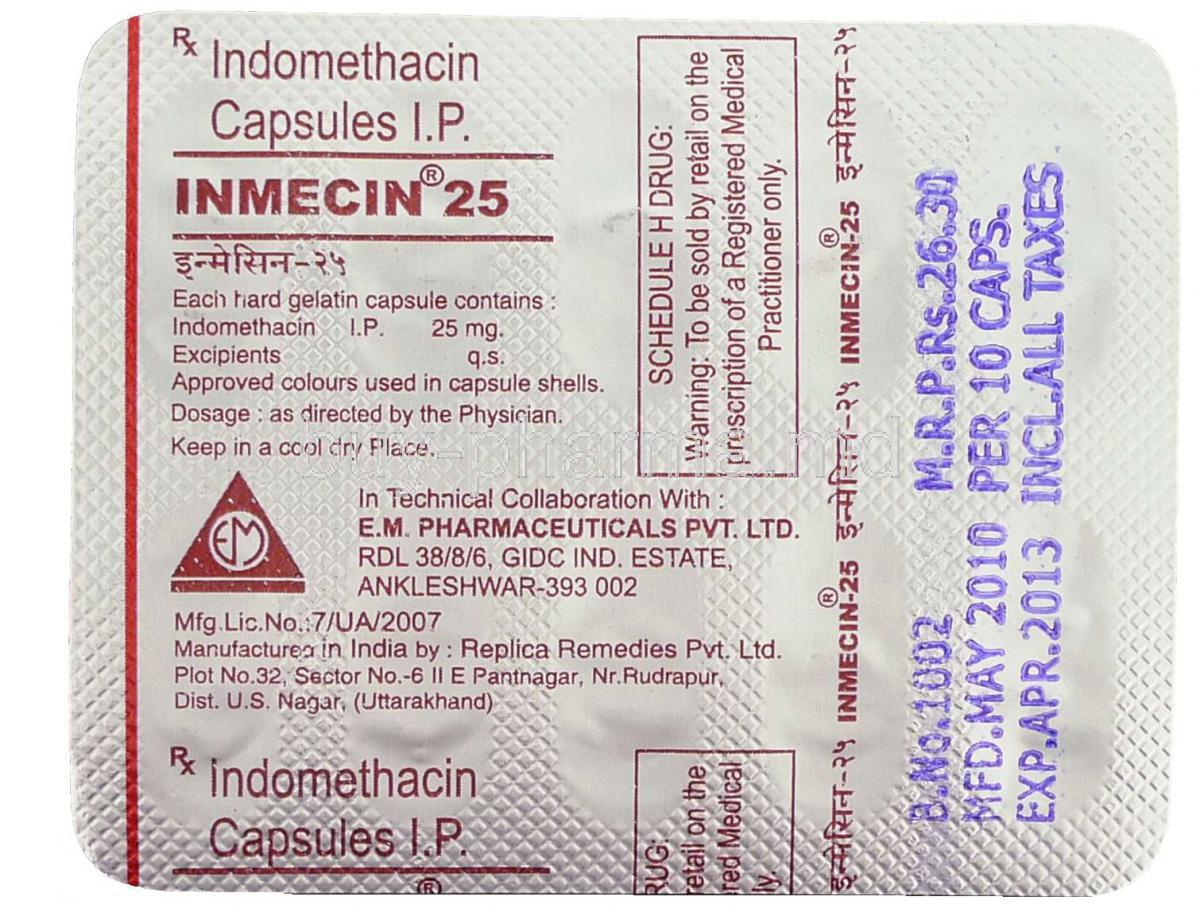
Tablets, capsules, and suppositories should be kept in their original packaging until use. Unused or expired medication should be disposed of according to local regulations, not in household waste where possible.
14.2 Avoiding Accidental Exposure in Children or Pets
Containers must be tightly closed and stored out of sight and reach of children and animals to prevent accidental ingestion.
14.3 Safe Storage Practices
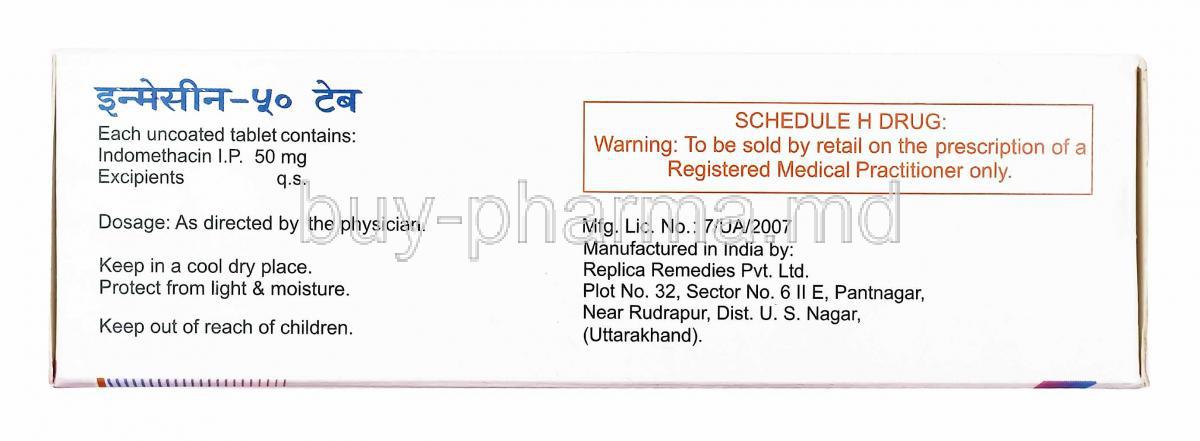
Products should be stored in a dry place, away from excessive heat and direct sunlight, to preserve stability and potency.
14.4 Special Considerations for Hospital Settings
In institutional environments, protocols for storage, preparation, and administration should be strictly followed, with clear labeling and segregation from other look-alike medications.
15. Storage Requirements
15.1 Ideal Temperature and Humidity Conditions
Most indomethacin products are stored at controlled room temperature, usually below a specified maximum (for example, 25°C), with protection from excessive moisture.
15.2 Protection from Light and Moisture
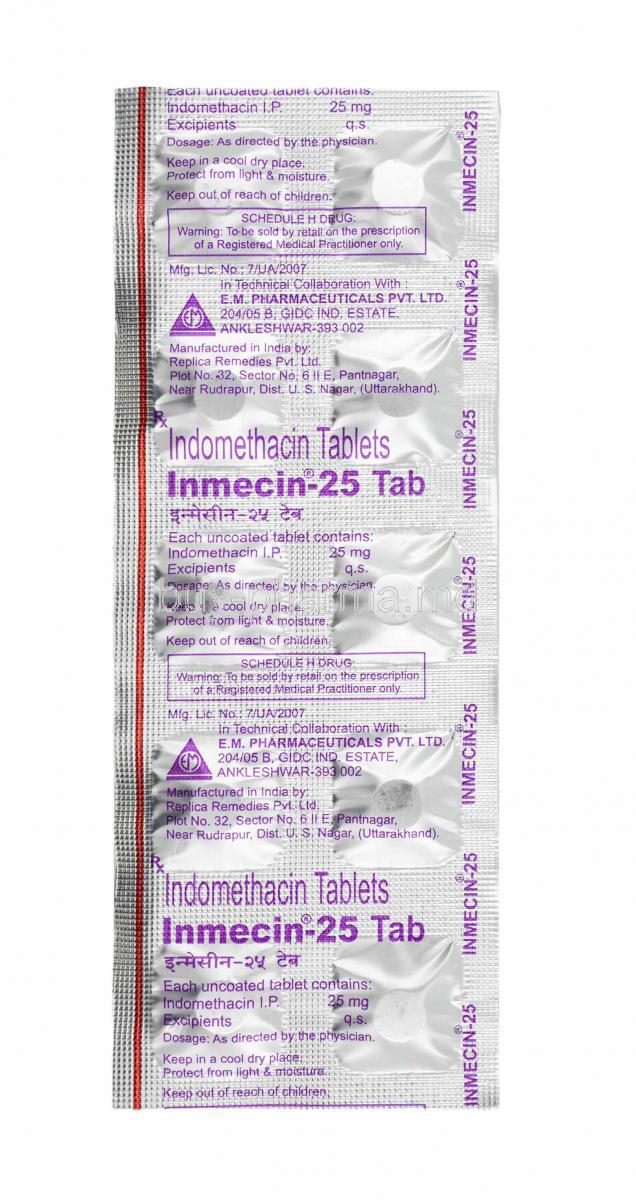
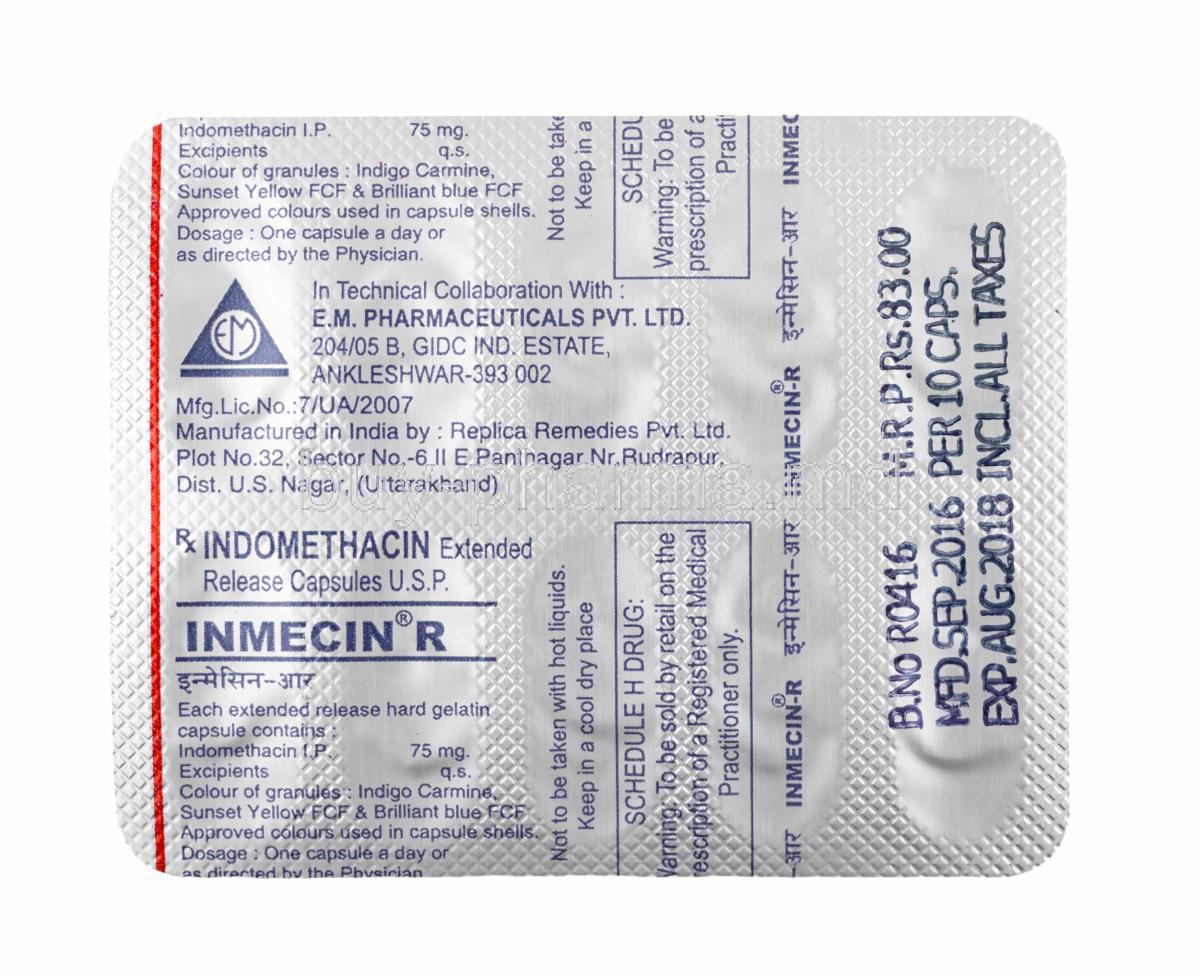
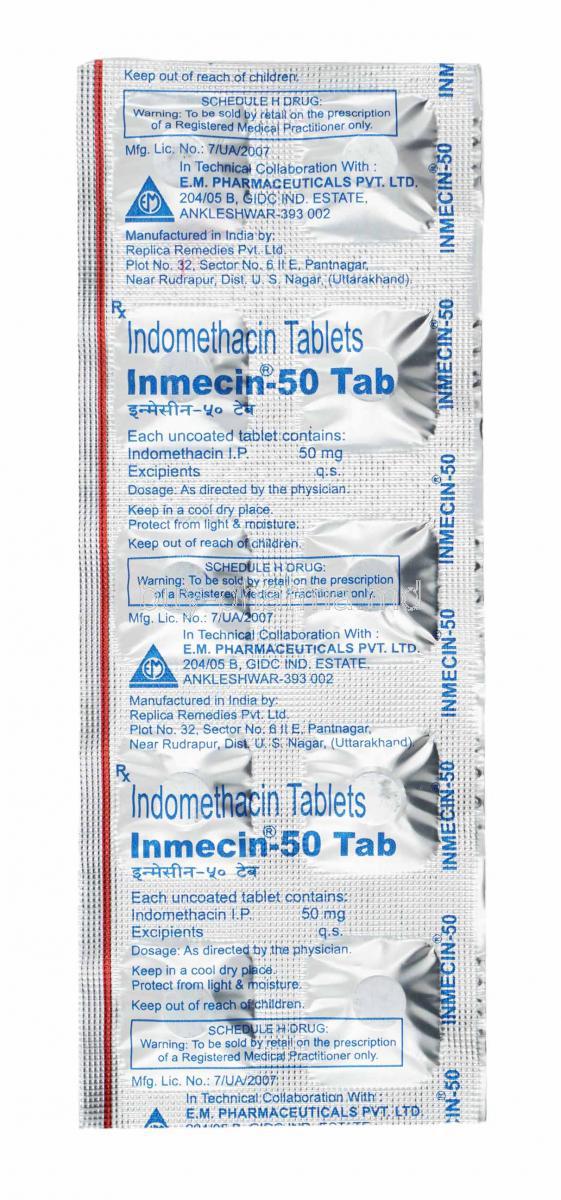
Blister packs and opaque containers help shield the drug from light and humidity. The container should be kept closed when not in use.
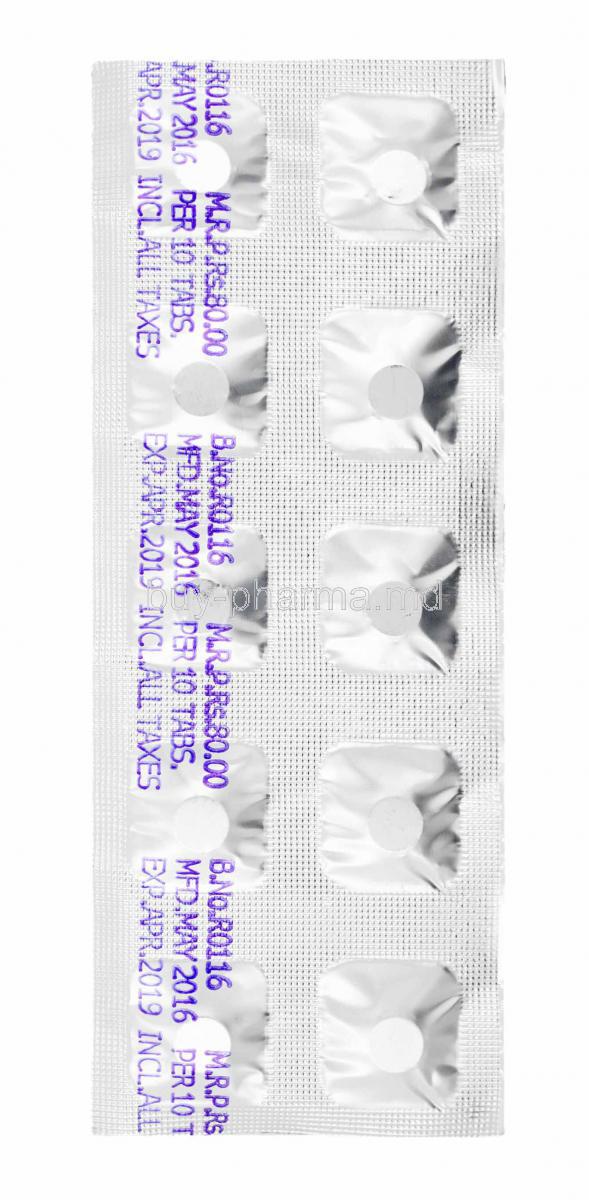
15.3 Shelf-Life and Expiry Information
Each pack carries an expiry date beyond which the product should not be used. Using medicines past expiry may reduce efficacy and safety.
15.4 Storage of Suppository and Liquid Forms
Suppositories may require cooler storage to maintain shape and integrity. Oral suspensions should be shaken well before each dose and discarded after the recommended in-use period indicated on the label.


 Verified Purchase
No Complaints
Product was delivered without any issues and on time.
Inmecin, Indomethacin FAQ
Customers also bought


Popular Products
Similar Product