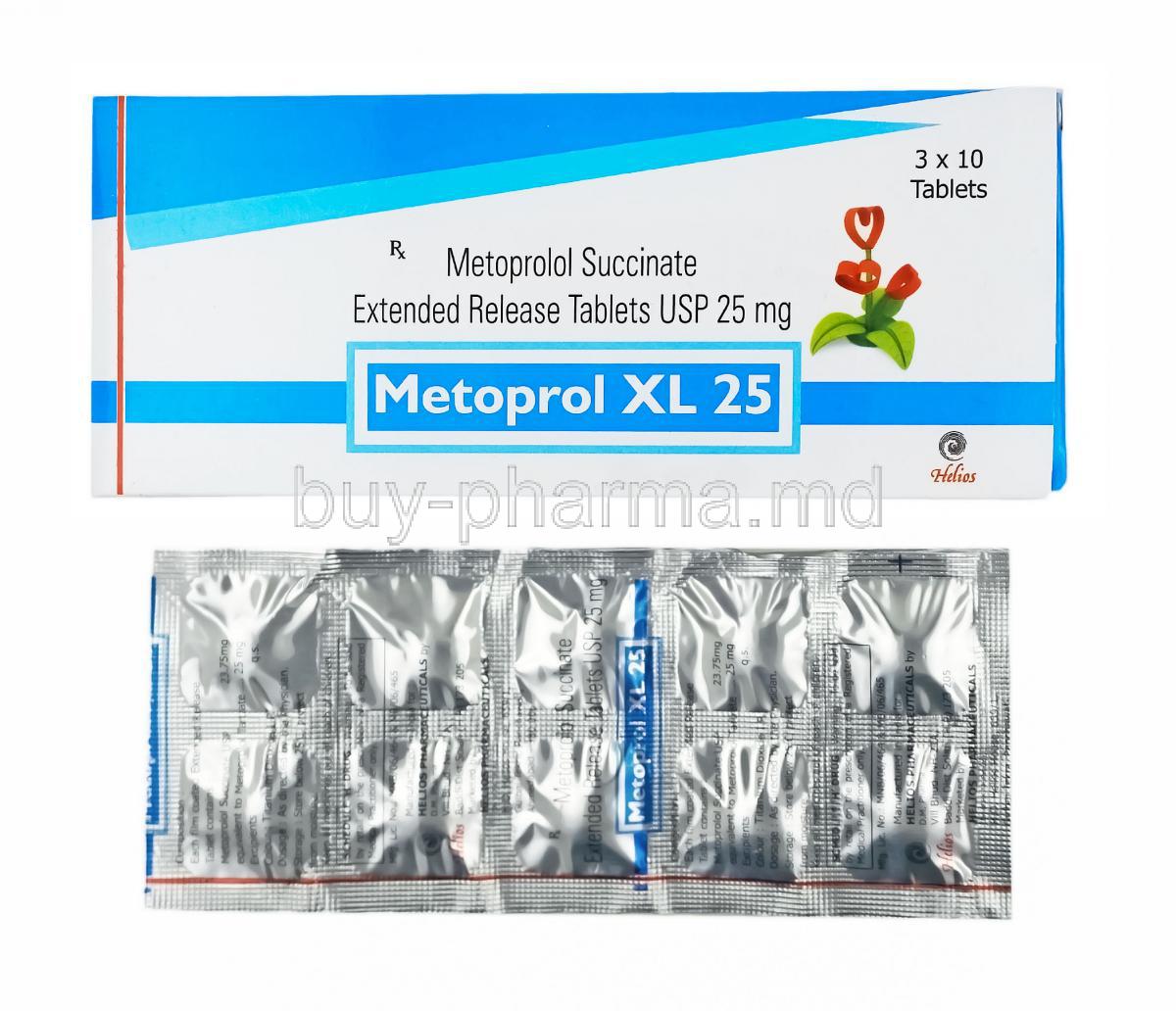
Introduction to Metoprol XL (Metoprolol Succinate Extended-Release)
Overview of Metoprol XL and Metoprolol
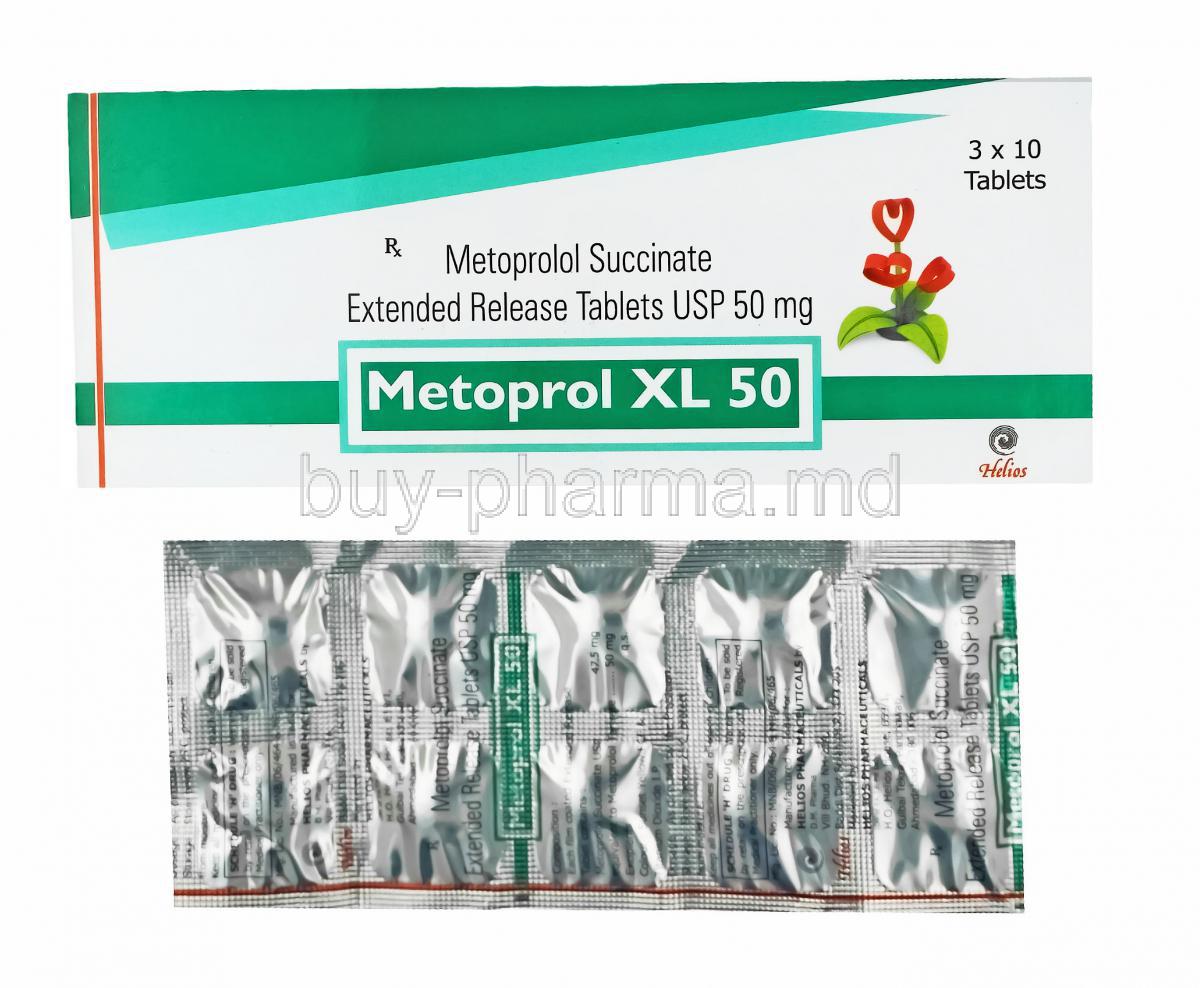
Metoprol XL is an extended-release formulation of metoprolol, a widely prescribed cardioselective beta-blocker. It is designed to provide sustained therapeutic plasma concentrations over a 24-hour period, thereby enhancing patient adherence and ensuring consistent hemodynamic control. The medication is frequently utilized in the long-term management of cardiovascular disorders, particularly those associated with excessive sympathetic stimulation.
- Available in extended-release tablet form
- Once-daily dosing regimen
- Optimized for chronic cardiovascular conditions
Therapeutic Class: Beta-Blockers (Beta-1 Selective Adrenergic Blockers)
Metoprolol belongs to the class of beta-adrenergic antagonists, with preferential selectivity for beta-1 receptors located in cardiac tissue. This selectivity minimizes bronchial and peripheral vascular effects compared to non-selective beta-blockers, rendering it particularly suitable for patients with coexisting respiratory vulnerabilities.
Brand vs Generic Forms and Available Strengths
Both branded formulations such as Metoprol XL and generic metoprolol succinate are therapeutically equivalent, provided bioequivalence standards are met. These are typically available in multiple strengths, allowing precise dose titration tailored to individual clinical requirements.
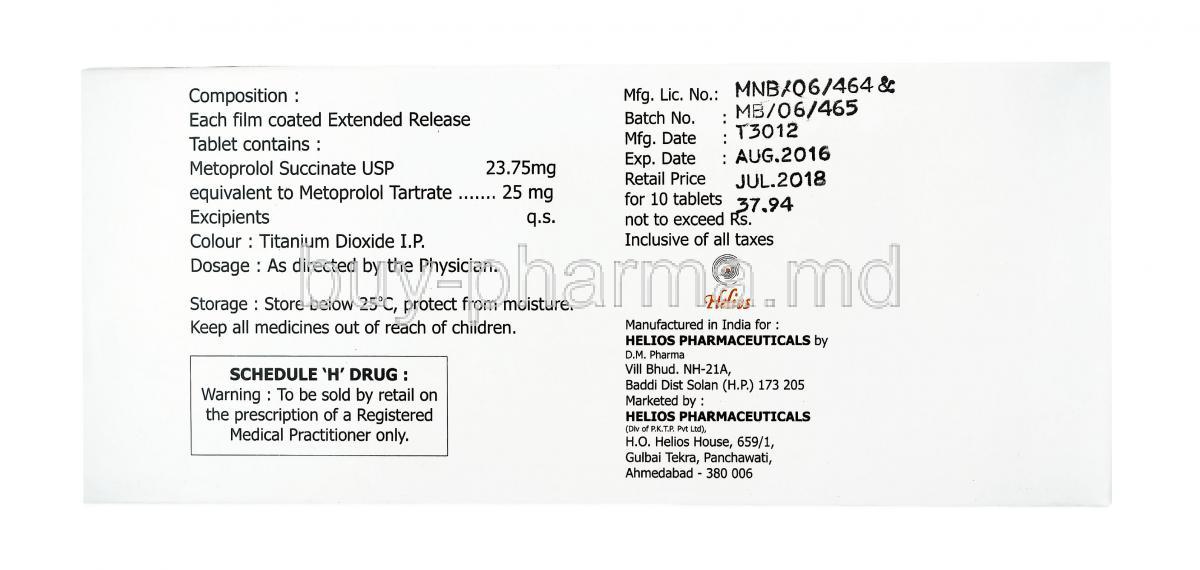
- Common strengths: 25 mg, 50 mg, 100 mg, 200 mg
- Generic versions offer cost-effective alternatives
Immediate-Release vs Extended-Release Formulations
Immediate-release metoprolol tartrate requires multiple daily dosing due to its shorter half-life, whereas Metoprol XL employs controlled-release technology. This ensures a gradual release of the active compound, reducing peak-trough fluctuations and improving tolerability.
Clinical Importance in Cardiovascular Therapy
Metoprol XL plays a pivotal role in cardiovascular pharmacotherapy. It is routinely prescribed to mitigate morbidity and mortality associated with hypertension, ischemic heart disease, and heart failure. Its ability to attenuate sympathetic overactivity makes it indispensable in modern cardiology.
Composition and Formulation Details
Active Ingredient: Metoprolol Succinate vs Metoprolol Tartrate
Metoprolol succinate is the extended-release salt form, while metoprolol tartrate is immediate-release. The pharmacological activity remains identical; however, their pharmacokinetic behavior differs significantly, influencing dosing frequency and clinical application.
Mechanism of Extended-Release Technology in Metoprol XL
The extended-release matrix system allows for controlled dissolution of the active ingredient. This ensures a steady-state concentration, minimizing abrupt pharmacodynamic effects and enhancing cardiovascular stability.
Inactive Ingredients and Excipients
Excipients serve as stabilizers, binders, and release modulators. Although pharmacologically inert, they contribute to the tablet’s structural integrity and bioavailability profile.
Available Dosage Strengths and Tablet Forms
Metoprol XL tablets are formulated for oral administration and are typically scored to allow dose adjustments. Crushing or chewing is contraindicated, as it compromises the extended-release mechanism.
Pharmacokinetic Profile (Absorption, Distribution, Metabolism, Elimination)
Metoprolol exhibits high hepatic metabolism primarily via CYP2D6 enzymes. Its bioavailability varies depending on formulation, while elimination occurs predominantly through renal excretion of metabolites.
- Absorption: Rapid but controlled in XL form
- Metabolism: Extensive hepatic first-pass effect
- Half-life: Approximately 3–7 hours (extended in XL formulation)
Mechanism of Action: How Metoprolol Works
Selective Beta-1 Adrenergic Receptor Blockade
Metoprolol selectively inhibits beta-1 receptors in cardiac tissue, leading to decreased chronotropy and inotropy. This reduces myocardial workload and oxygen demand.
Effects on Heart Rate, Cardiac Output, and Blood Pressure
The medication reduces heart rate and cardiac output while attenuating systemic blood pressure. These effects collectively improve cardiovascular efficiency and reduce strain on the myocardium.
Impact on Renin-Angiotensin-Aldosterone System (RAAS)
By inhibiting beta-1 receptors in the kidneys, metoprolol decreases renin release. This indirectly suppresses RAAS activation, contributing to blood pressure reduction.
Anti-Anginal and Antiarrhythmic Properties
Metoprolol stabilizes cardiac electrical activity and prevents ischemic episodes by reducing oxygen consumption. It is frequently employed in arrhythmia management.
Role in Reducing Myocardial Oxygen Demand
The reduction in heart rate and contractility leads to decreased oxygen requirements, making it highly effective in angina management.
Uses of Metoprol XL (Metoprolol)
Primary Indications
Metoprol XL is indicated for a variety of cardiovascular conditions, providing both symptomatic relief and prognostic benefits.
Hypertension (High Blood Pressure)
It lowers systemic vascular resistance and reduces the risk of long-term complications such as stroke and myocardial infarction.
Chronic Stable Angina Pectoris
By reducing myocardial oxygen demand, it alleviates chest pain and improves exercise tolerance.
Heart Failure (Chronic Heart Failure with Reduced Ejection Fraction)
Metoprolol improves survival rates and reduces hospitalizations in patients with heart failure.
Prevention of Cardiovascular Events Post-Myocardial Infarction
It decreases the likelihood of recurrent infarction and sudden cardiac death.
Expanded Clinical Uses
- Rate control in atrial fibrillation and flutter
- Management of supraventricular tachycardia
- Control of ventricular arrhythmias
- Migraine prophylaxis
- Symptom relief in hyperthyroidism
- Performance anxiety and tachycardia
- Essential tremor management
- Hypertrophic cardiomyopathy symptom relief
- Adjunctive therapy in portal hypertension
Off-Label Uses of Metoprolol
Off-Label Cardiovascular Applications
- Aortic dissection (adjunctive therapy)
- Postural orthostatic tachycardia syndrome (POTS)
Off-Label Non-Cardiac Uses
- Prevention of migraine variants
- Management of alcohol withdrawal symptoms
- Adjunct therapy in pheochromocytoma (after alpha-blockade)
- Treatment of anxiety disorders
Dosage and Administration Guidelines
Recommended Dosage for Hypertension
Initial dosing typically begins at a low level, followed by gradual titration based on clinical response and tolerability.
Dosage for Angina and Ischemic Heart Disease
Higher doses may be required to achieve optimal symptom control while maintaining safety.
Heart Failure Dosing and Titration Protocol
Dose escalation must be conducted cautiously, with close monitoring of hemodynamic parameters.
Post-Myocardial Infarction Dosage Regimens
Early initiation post-infarction is associated with improved outcomes and reduced mortality.
Administration Instructions (With or Without Food)
Metoprol XL may be taken with or without food, but consistency is recommended to maintain stable plasma levels.
Missed Dose Management and Compliance Tips
- Take the missed dose as soon as remembered
- Avoid doubling doses
- Maintain a consistent dosing schedule
Side Effects of Metoprol XL
Common Side Effects
- Fatigue and generalized weakness
- Dizziness or lightheadedness
- Bradycardia
- Gastrointestinal disturbances
Less Common and Serious Side Effects
- Hypotension and syncope
- Worsening heart failure symptoms
- Bronchospasm
- Mood alterations and depression
- Sexual dysfunction
Drug Interactions with Metoprolol
- Enhanced effects with other antihypertensives
- Increased risk of bradycardia with calcium channel blockers
- Altered metabolism with CYP2D6 inhibitors
- Reduced efficacy with NSAIDs
- Hypoglycemia masking with antidiabetic agents
- Alcohol may potentiate sedative effects
Warnings and Safety Information
- Abrupt discontinuation may precipitate rebound hypertension
- May mask hypoglycemia symptoms in diabetics
- Use cautiously in asthma or COPD
- Risk of bradycardia and conduction abnormalities
- Potential neuropsychiatric effects
Contraindications
- Hypersensitivity to metoprolol or beta-blockers
- Severe bradycardia or advanced heart block
- Cardiogenic shock
- Decompensated heart failure
- Severe peripheral arterial disease
Careful Administration (Use with Caution)
Patients with Liver Impairment
Metoprolol undergoes extensive hepatic metabolism, making liver function a critical determinant of its pharmacokinetics. In individuals with hepatic insufficiency, drug clearance may be significantly reduced, resulting in elevated plasma concentrations. This can potentiate pharmacodynamic effects and increase the risk of adverse reactions.
- Consider dose reduction in moderate to severe hepatic impairment
- Monitor for exaggerated beta-blockade effects
- Evaluate liver enzyme levels periodically
Individuals with Renal Dysfunction
Although metoprolol is primarily metabolized in the liver, renal impairment may still influence metabolite accumulation. Clinical vigilance is warranted, particularly in advanced renal disease.
- Routine renal function monitoring is advisable
- Adjust therapy based on clinical response rather than routine dosing changes
Patients with Peripheral Vascular Disease
Beta-blockade may exacerbate symptoms of peripheral vascular compromise due to diminished peripheral circulation. Careful assessment is required before initiation.
- Monitor for worsening claudication or extremity coldness
- Balance cardiovascular benefits against peripheral risks
Patients with Diabetes Mellitus
Metoprolol may mask adrenergic symptoms of hypoglycemia such as tachycardia and tremor. This can delay recognition of hypoglycemic episodes, posing a clinical hazard.
- Encourage frequent glucose monitoring
- Educate patients about non-adrenergic warning signs
Individuals with Thyroid Disorders
In hyperthyroid states, beta-blockers are often beneficial; however, abrupt discontinuation may precipitate thyroid storm. Cautious titration and withdrawal are imperative.
Important Precautions for Safe Use
Monitoring Blood Pressure and Heart Rate
Regular monitoring ensures therapeutic efficacy while minimizing adverse effects. Both bradycardia and hypotension require prompt attention.
Gradual Dose Titration and Withdrawal
Sudden cessation of metoprolol can lead to rebound sympathetic activity, resulting in tachycardia, hypertension, or ischemic events. Gradual tapering is essential.
- Reduce dose incrementally over 1–2 weeks
- Monitor for signs of withdrawal or exacerbation
Avoidance of Alcohol and CNS Depressants
Concurrent use of alcohol or central nervous system depressants may amplify sedative effects and impair psychomotor function.
Adherence to Prescribed Dosing Schedule
Consistency in dosing is vital for maintaining stable plasma levels. Erratic intake may compromise therapeutic outcomes.
Patient Education and Counseling Points
Comprehensive patient education enhances compliance and safety. Patients should be informed about potential side effects and the importance of adherence.
- Do not discontinue medication abruptly
- Report unusual symptoms promptly
- Maintain regular follow-up appointments
Administration to Elderly Patients
Dose Adjustments in Geriatric Population
Elderly patients often exhibit altered pharmacodynamics and pharmacokinetics. Lower initial doses are typically recommended to minimize adverse reactions.
Increased Sensitivity to Beta-Blockers
Heightened sensitivity may result in pronounced bradycardia or hypotension, necessitating careful titration.
Monitoring for Bradycardia and Hypotension
Frequent monitoring is essential, particularly during initiation and dose adjustments.
Fall Risk and Cognitive Effects
Orthostatic hypotension and dizziness may increase fall risk. Subtle cognitive changes may also occur, requiring ongoing assessment.
Administration to Pregnant Women and Nursing Mothers
Safety Profile During Pregnancy (Risk vs Benefit Assessment)
Metoprolol should be used during pregnancy only when the anticipated benefit justifies potential fetal risk. Clinical discretion is paramount.
Placental Transfer and Fetal Effects
The drug crosses the placental barrier and may affect fetal heart rate and growth. Monitoring is recommended in late pregnancy.
Use During Breastfeeding and Drug Excretion in Breast Milk
Metoprolol is excreted in breast milk in small quantities. Although generally considered compatible with breastfeeding, infants should be observed for signs of beta-blockade.
Clinical Recommendations for Maternal Cardiovascular Conditions
In conditions such as hypertension or arrhythmias during pregnancy, metoprolol may be utilized under specialist supervision.
Administration to Pediatric Patients
Approved and Off-Label Pediatric Uses
Metoprolol is occasionally used in pediatric populations for specific cardiovascular indications, though many uses remain off-label.
Dosage Considerations Based on Weight and Age
Dosing must be individualized, typically calculated on a weight basis to ensure safety and efficacy.
Safety and Efficacy in Children
Clinical data in pediatric populations are limited, necessitating cautious use and specialist oversight.
Monitoring Requirements in Pediatric Population
Close monitoring of heart rate, blood pressure, and overall clinical status is essential during therapy.
Overdosage and Emergency Management
Signs and Symptoms of Metoprolol Overdose
Severe Bradycardia and Hypotension
Profound slowing of heart rate and dangerously low blood pressure are hallmark features of overdose.
Cardiac Arrhythmias and Shock
Severe cases may progress to life-threatening arrhythmias and cardiogenic shock, requiring immediate intervention.
Respiratory Depression
Respiratory compromise may occur due to central nervous system depression or bronchospasm.
Treatment and Management of Overdose
Supportive Care and Monitoring
Initial management focuses on stabilizing vital signs and continuous cardiac monitoring.
Use of Atropine, Glucagon, and Vasopressors
Pharmacologic interventions may include:
- Atropine for bradycardia
- Glucagon to counteract beta-blockade
- Vasopressors for hypotension
Activated Charcoal and Gastric Decontamination
Early administration of activated charcoal may reduce drug absorption in acute overdose scenarios.
Storage Conditions and Stability
Recommended Storage Temperature and Environment
Store at controlled room temperature, away from excessive heat and humidity. Stability is optimized under standardized conditions.
Protection from Moisture and Light
Exposure to moisture or direct light may degrade the formulation. Keep tablets in original packaging until use.
Shelf Life and Expiry Considerations
Adherence to expiry dates is critical to ensure efficacy and safety. Expired medication should not be used.
Safe Disposal of Unused Medication
Unused or expired tablets should be disposed of in accordance with local pharmaceutical waste guidelines to prevent environmental contamination.
Handling Precautions and Patient Guidance
Proper Tablet Handling (Do Not Crush Extended-Release Tablets)
Extended-release tablets must be swallowed whole. Crushing or chewing disrupts the release mechanism, leading to dose dumping.
Safe Storage Away from Children
Medications should be stored securely out of reach of children to prevent accidental ingestion.
Instructions for Travel and Medication Portability
Carry medication in original packaging during travel. Maintain consistent dosing schedules across time zones when possible.
Avoiding Medication Errors and Misuse
Clear labeling and adherence to prescribed instructions reduce the risk of dosing errors and misuse.
- Verify dosage before administration
- Avoid sharing medication with others
- Consult healthcare providers for any uncertainties
Customers also bought
Popular Products
Similar Product