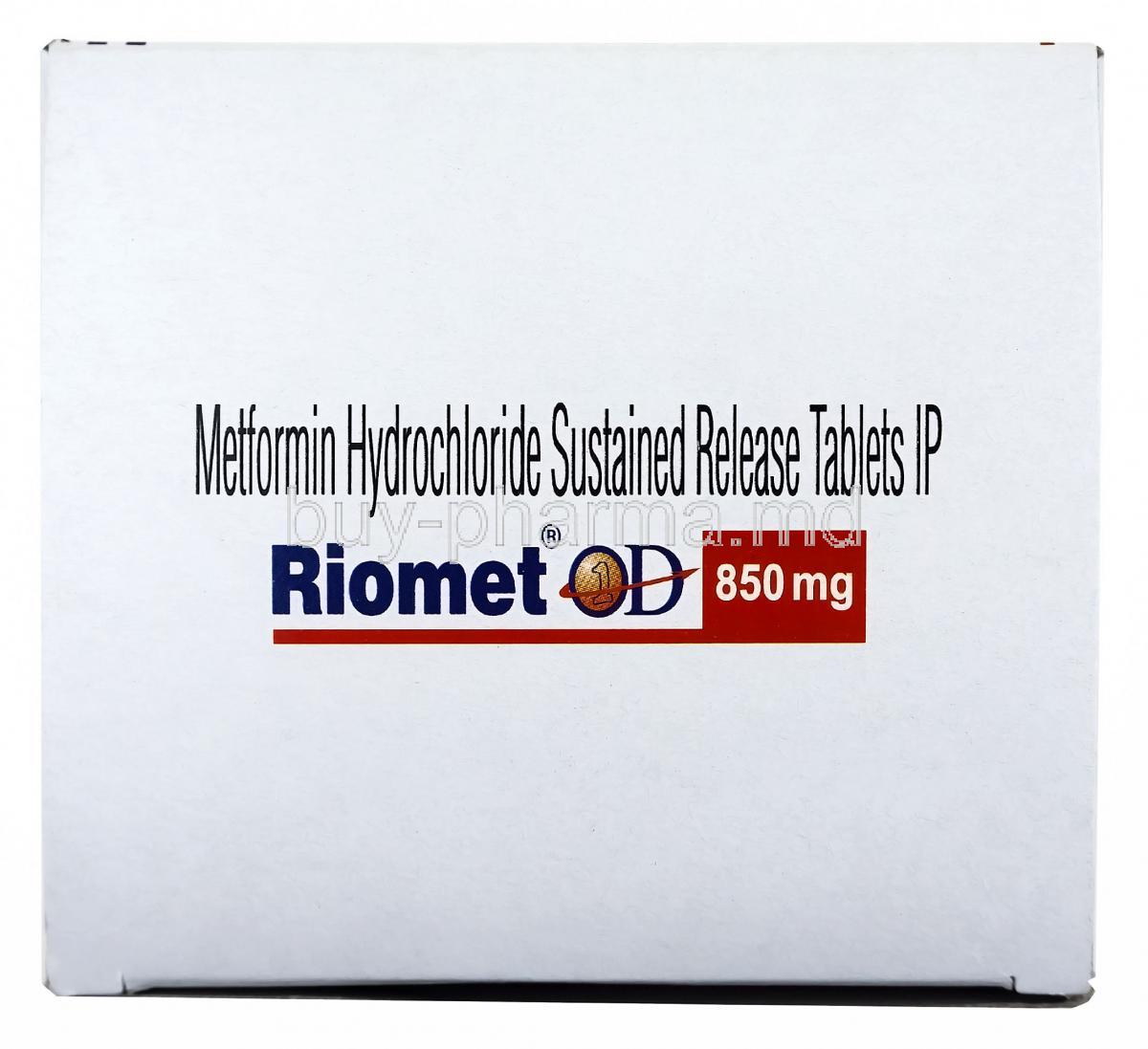
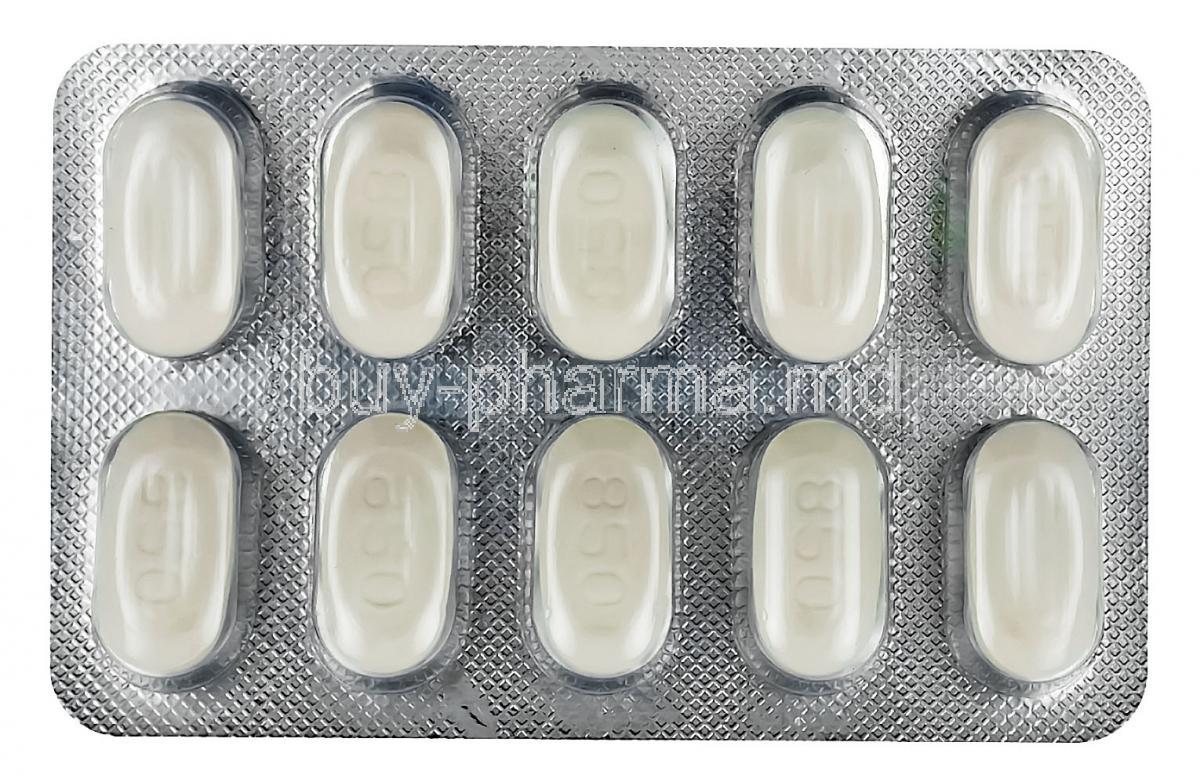
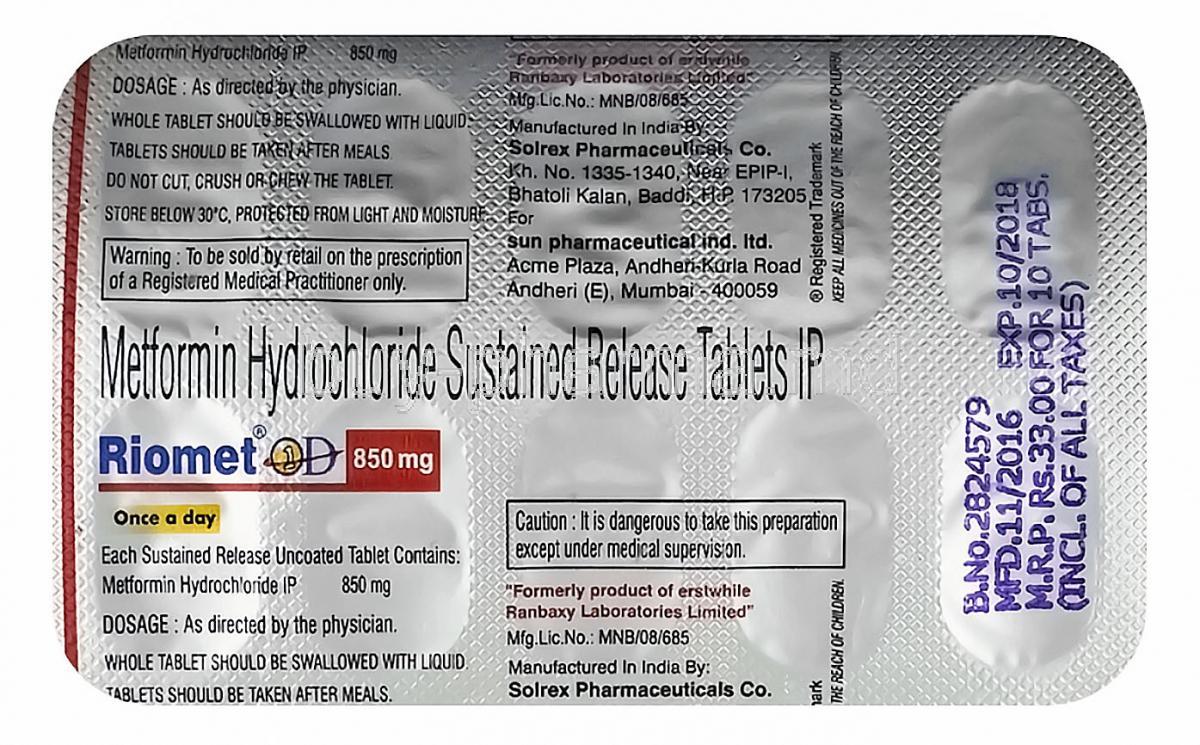
1. Introduction to Riomet SR (Metformin)
Riomet SR is a sustained-release formulation of metformin designed to provide prolonged glycemic control with improved gastrointestinal tolerability. By releasing the active ingredient gradually, it allows for stable plasma concentrations over an extended period. This pharmacological refinement supports long-term metabolic regulation.
Metformin remains a cornerstone of modern metabolic disease management. It is widely utilized for its ability to improve insulin sensitivity without promoting weight gain or hypoglycemia. Riomet SR builds upon this legacy, offering convenience and consistency for chronic therapy.
- Sustained-release delivery for steady glucose control
- Reduced peak-related adverse effects
- Optimized for once-daily administration
Unlike immediate-release metformin, which may require multiple daily doses, Riomet SR minimizes dosing frequency. Therapeutically, it is classified as a biguanide antihyperglycemic agent, acting primarily through non-insulin-mediated pathways.
2. Composition and Pharmaceutical Characteristics
The primary active ingredient in Riomet SR is metformin hydrochloride, a hydrophilic biguanide compound with well-established metabolic effects. Its chemical stability supports extended-release formulation strategies.
Sustained-release technology employs specialized polymer matrices that regulate drug dissolution. This ensures gradual liberation of metformin along the gastrointestinal tract, reducing abrupt exposure.
- Functional excipients to control release kinetics
- Stabilizers to maintain formulation integrity
- Non-active components designed to enhance tolerability
Riomet SR is available in defined strength variations, each engineered to deliver predictable release profiles. The dosage form is optimized for oral administration with consistent bioavailability.
Metformin SR vs. ER
While ER/XR and SR are often used interchangeably to signify "slow release," ER specifically provides a slower absorption peak (4-8 hours), often resulting in fewer side effects like diarrhea and nausea.
Berberine vs metformin
Metformin is an FDA-approved prescription drug, the first-line treatment for Type 2 Diabetes, known for faster, significant blood sugar lowering, while berberine is a natural supplement often used as an alternative, showing promise for glucose, cholesterol, and weight, but takes longer to work and lacks consistent regulation. Both activate AMPK and improve insulin sensitivity, but metformin is superior for diabetes management, while berberine offers broader metabolic benefits
Jardiance vs metformin
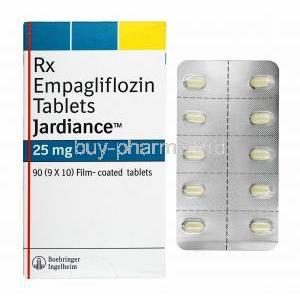
Jardiance (empagliflozin) and metformin are both effective Type 2 diabetes medications that improve A1C, but they differ in mechanisms, benefits, and side effects. Metformin (a biguanide) is usually the first-line treatment, reducing glucose production in the liver. Jardiance (an SGLT2 inhibitor) forces glucose excretion through urine and is preferred for added cardiovascular and kidney protection.
Farxiga and metformin
Farxiga (dapagliflozin) and Metformin are common Type 2 diabetes drugs, often used together safely for better blood sugar control, with Farxiga working on kidneys to excrete sugar and Metformin reducing liver sugar production, offering combined benefits like weight loss and reduced heart/kidney risks, though each has distinct side effects, like frequent urination with Farxiga and GI issues with Metformin
Glipizide and metformin
Glimepiride and metformin is a combination oral medication used to treat type 2 diabetes mellitus by enhancing insulin secretion (glimepiride) and reducing hepatic glucose production while increasing insulin sensitivity (metformin). It is commonly used when diet, exercise, and single-agent therapy fail to control blood sugar levels.
3. How Riomet SR (Metformin) Works
Riomet SR exerts its primary effect by suppressing excessive hepatic glucose production. This reduction in gluconeogenesis directly lowers fasting blood glucose levels.
Peripheral insulin sensitivity is enhanced, particularly in skeletal muscle and adipose tissue. Cells respond more efficiently to endogenous insulin, improving glucose uptake.
- Decreased intestinal glucose absorption
- Improved insulin signaling pathways
- Reduction in basal and postprandial glucose levels
At the molecular level, metformin activates AMP-activated protein kinase (AMPK), a central regulator of cellular energy homeostasis. Sustained-release pharmacokinetics provide prolonged AMPK activation, supporting durable metabolic benefits.
4. Approved Uses of Riomet SR
Riomet SR is approved for the management of type 2 diabetes mellitus, particularly in patients requiring stable, long-term glycemic control. It addresses both fasting and postprandial hyperglycemia.
In insulin-resistant individuals, it improves metabolic efficiency without overstimulating insulin secretion. This characteristic makes it suitable across a wide disease spectrum.
- Monotherapy in newly diagnosed patients
- Combination therapy with other antidiabetic agents
- metformin for fertility
- metformin for pcos
5. Off-Label and Investigational Uses of Metformin
Beyond diabetes, metformin has gained attention for off-label and investigational applications. In polycystic ovary syndrome, it helps modulate insulin resistance and hormonal imbalance.
It is also explored in prediabetes and metabolic syndrome to delay disease progression. Weight modulation effects, though modest, are clinically meaningful in insulin-resistant states.
- Non-alcoholic fatty liver disease (NAFLD)
- Adjunctive therapy in metabolic dysregulation
- Emerging research in oncology and longevity medicine
- metformin sr 500 for weight loss
6. Dosage and Administration Guidelines
Therapy typically begins with a low starting dose to assess tolerability. Gradual titration follows, minimizing gastrointestinal discomfort.
Dose escalation is individualized based on glycemic response and tolerability. A defined maximum daily dosage should not be exceeded.
- Once-daily dosing for sustained-release formulations
- Administration with meals to reduce adverse effects
- Careful transition from immediate-release metformin when switching
7. Administration to Special Populations
7.1 Administration to Elderly Patients
In elderly patients, renal function often declines with age. Baseline and periodic assessment is essential before and during therapy.
- Potential dose adjustments based on renal clearance
- Heightened monitoring for adverse effects
- Individualized risk–benefit evaluation in frail patients
7.2 Administration to Children and Adolescents
Metformin has approved indications in adolescents with type 2 diabetes. Clinical data support its safety and efficacy in this group.
However, evidence in younger children remains limited, necessitating cautious use and specialist oversight.
7.3 Administration to Pregnant Women
Metformin may be used during pregnancy in specific clinical contexts, including gestational diabetes. Placental transfer occurs, but available data suggest acceptable safety profiles.
Risk–benefit evaluation remains critical, with therapy tailored to maternal and fetal needs.
7.4 Administration to Nursing Mothers
Metformin is excreted into breast milk in small amounts. Clinical relevance for breastfed infants is generally low.
- Monitoring of infant growth and development
- Continued maternal glycemic control
8. Drug Interactions
Riomet SR may interact with other glucose-lowering agents such as insulin or sulfonylureas, increasing the risk of hypoglycemia.
Alcohol consumption potentiates the risk of lactic acidosis and should be limited. Temporary discontinuation is recommended when using iodinated contrast media.
- Interactions with cationic drugs eliminated via renal tubular secretion
- Altered pharmacokinetics in renal impairment
- Clinically relevant additive effects
Foods to avoid while taking metformin
Sugary Foods and Drinks: Soda, candy, fruit juice, sweetened yogurt, ice cream, and desserts.Refined Carbohydrates: White bread, white pasta, white rice, crackers, and sugary cereals.High-Fat and Fried Foods: Fast food, bacon, sausage, butter, and fried snacks.Alcohol:
9. Side Effects of Riomet SR (Metformin)
9.1 Metformin sr side effects
Most adverse effects are gastrointestinal and tend to diminish with continued use. The sustained-release formulation improves overall tolerability.
- Gastrointestinal discomfort
- metformin diarrhea
- Abdominal pain and bloating
- Metallic taste
9.2 Less Common and Rare Adverse Effects
Long-term therapy may be associated with vitamin B12 deficiency, necessitating periodic monitoring. Lactic acidosis is rare but serious and requires immediate medical attention.
Occasional dermatologic reactions have been reported, typically resolving upon discontinuation.
10. Warnings and Safety Information
Riomet SR (metformin) carries specific safety considerations that warrant careful clinical attention. Although widely regarded as effective and well tolerated, inappropriate use may lead to serious complications in susceptible individuals.
Lactic Acidosis Metformin
Lactic acidosis is a rare but potentially fatal metabolic complication associated with metformin accumulation. It is characterized by elevated blood lactate levels, decreased blood pH, and electrolyte disturbances.
- Higher risk in patients with renal dysfunction
- Increased likelihood during hypoxic states
- Often presents with nonspecific early symptoms
Use in Renal Impairment
Renal excretion is the primary elimination pathway for metformin. Impaired kidney function can result in drug accumulation and heightened toxicity.
Dose adjustment or discontinuation may be required depending on renal function parameters and clinical status.
Hepatic Disease Considerations
Patients with hepatic impairment may have reduced lactate clearance, increasing the risk of metabolic derangements. Cautious use is advised, particularly in advanced liver disease.
Temporary Discontinuation Before Surgery or Contrast Studies
Riomet SR should be temporarily discontinued prior to major surgical procedures or imaging studies involving iodinated contrast agents. These situations may precipitate acute renal dysfunction and increase lactic acidosis risk.
Alternative to metformin
Common alternatives to metformin for Type 2 diabetes include GLP-1 receptor agonists (e.g., Ozempic, Trulicity) for weight loss and heart health, SGLT2 inhibitors (e.g., Jardiance) for heart/kidney protection, DPP-4 inhibitors (e.g., Januvia) for weight-neutral management, or herbal options like berberine
11. Contraindications
Riomet SR is contraindicated in clinical scenarios where the potential risks outweigh therapeutic benefits. Strict adherence to contraindication criteria is essential for patient safety.
Severe Renal Dysfunction
Advanced renal impairment significantly elevates the risk of metformin accumulation and lactic acidosis. Use is contraindicated in severe kidney dysfunction.
Acute or Chronic Metabolic Acidosis
Patients with existing metabolic acidosis, including diabetic ketoacidosis, should not receive metformin due to exacerbation of acid-base imbalance.
Hypersensitivity to Metformin
Documented hypersensitivity reactions to metformin or formulation components necessitate complete avoidance of the drug.
Conditions Associated With Hypoxia
Clinical states associated with tissue hypoxia, such as severe cardiac or respiratory failure, increase the risk of lactic acidosis and represent a contraindication.
12. Careful Administration and Important Precautions
Careful administration of Riomet SR involves proactive assessment, structured monitoring, and long-term safety planning to minimize adverse outcomes.
Baseline Renal Function Assessment
Renal function should be evaluated prior to initiation. This establishes a safety baseline and guides dose selection.
Ongoing Monitoring Requirements
Periodic reassessment of renal parameters is recommended, particularly in elderly patients or those with evolving comorbidities.
- Routine kidney function testing
- Clinical surveillance for metabolic symptoms
- Adjustment based on physiological changes
Long-Term Therapy Considerations
Extended use of metformin is common and often necessary. Long-term therapy requires vigilance to detect subtle adverse effects that may emerge over time.
Nutritional Monitoring (Vitamin B12)
Chronic metformin therapy has been associated with reduced vitamin B12 absorption. Periodic assessment is recommended, especially in patients with anemia or neuropathic symptoms.
13. Overdosage and Emergency Management
Metformin overdose represents a medical emergency primarily due to the risk of severe lactic acidosis. Prompt recognition and intervention are critical.
Clinical Features of Metformin Overdose
Symptoms may include gastrointestinal distress, profound fatigue, hypothermia, hypotension, and altered mental status.
Risk of Lactic Acidosis
Severe overdose markedly increases lactic acid production and impairs clearance, leading to rapid metabolic decompensation.
Supportive Care and Medical Intervention
Management focuses on supportive care, correction of acid-base imbalance, and stabilization of vital functions.
Role of Hemodialysis
Hemodialysis is effective in removing metformin and lactate from circulation and may be indicated in severe cases with renal failure or refractory acidosis.
14. Storage and Stability
Proper storage is essential to maintain the stability and therapeutic integrity of Riomet SR.
Recommended Storage Conditions
The product should be stored at controlled room temperature, away from excessive humidity.
Protection From Moisture and Heat
Exposure to moisture or high temperatures may compromise the sustained-release properties of the formulation.
Shelf-Life Considerations
Use within the specified shelf-life ensures optimal potency and predictable release characteristics.
15. Handling Precautions and Patient Counseling Points
Appropriate handling and patient education enhance treatment efficacy and reduce preventable errors.
Proper Handling of Sustained-Release Tablets or Solution
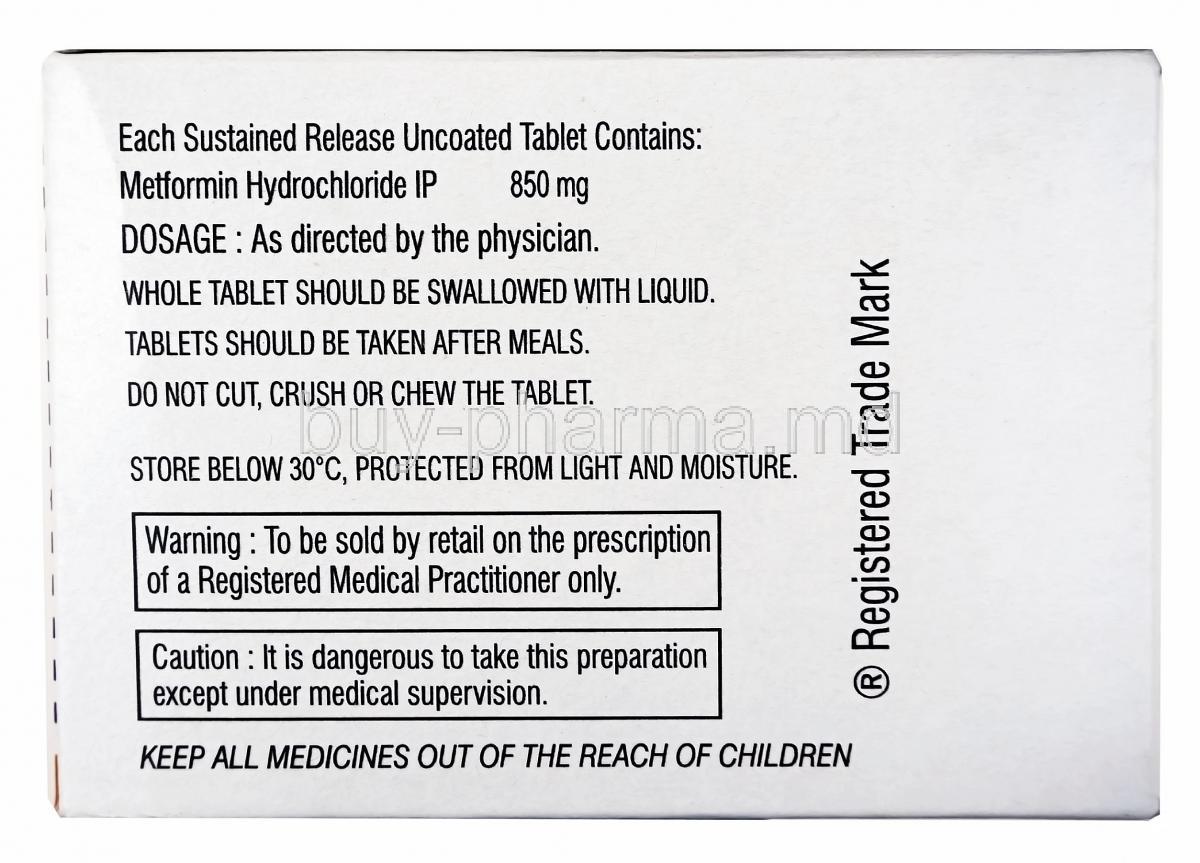
Tablets should not be crushed, split, or chewed, as this may disrupt the sustained-release mechanism.
Importance of Adherence to Dosing Schedule
Consistent dosing supports stable plasma drug levels and sustained glycemic control.
Guidance on Missed Doses
If a dose is missed, it should be taken as soon as remembered unless it is close to the next scheduled dose. Double dosing should be avoided.
When to Seek Medical Attention
Immediate medical evaluation is advised if symptoms such as unexplained fatigue, rapid breathing, muscle pain, or gastrointestinal distress occur.
Riomet SR, Metformin FAQ
- What is the use of RIOMET tablet?
- What is metformin SR used for?
- Is RIOMET the same as metformin?
- How does RIOMET work?
- When is the best time to take metformin SR 500 mg?
- Can metformin SR be taken twice a day?
- What are the side effects of metformin SR?
- What happens to your body when you start taking metformin?
- How long does metformin SR take to work?
- What foods should you avoid while taking metformin?
- What is the difference between SR and XR?
- Can I stop taking metformin when my sugar is back to normal?
- What are the signs that metformin is working?
- What is the use of metformin SR tablet?
- What are the early signs of taking too much metformin?
- What is the difference between metformin SR and metformin?
- Why take metformin SR at night?
- What not to do while on metformin?
- Why do I feel so good after taking metformin?
- Can metformin make you tired?
- Does metformin affect sleep?
- How quickly does metformin SR start working?
- What are the side effects of metformin SR?
What is the use of RIOMET tablet?
Riomet is used to treat type 2 diabetes mellitus. It helps control blood sugar levels and thus prevents serious complications of diabetes.
What is metformin SR used for?
It helps control blood sugar levels and thus prevents serious complications of diabetes.
Is RIOMET the same as metformin?
Yes
How does RIOMET work?
Riomet decreases the amount of glucose in the body by making the body sensitive to insulin.
When is the best time to take metformin SR 500 mg?
After dinner
Can metformin SR be taken twice a day?
Yes
What are the side effects of metformin SR?
- Fatigue
- Diarrhea
- Stomach pain
- Appetite loss
What happens to your body when you start taking metformin?
- Abdominal discomfort
- Fatigue
- Tiredness
How long does metformin SR take to work?
1 and half hour
What foods should you avoid while taking metformin?
- Processed food
- Fatty food
- Dairy products
- Alcohol
What is the difference between SR and XR?
SR lasts longer than XR
Can I stop taking metformin when my sugar is back to normal?
Some patients can stop taking metformin once their diabetes is in remission.
What are the signs that metformin is working?
There is a reduction in glucose levels in the blood.
What is the use of metformin SR tablet?
It is used in the treatment of type 2 diabetes and PCOS in women.
What are the early signs of taking too much metformin?
- Extreme fatigue
- Nausea
- Stomachache
- Appetite loss
What is the difference between metformin SR and metformin?
Metformin SR has lower ADRs than normal metformin.
Why take metformin SR at night?
It improves diabetes control and hyperglycemia.
What not to do while on metformin?
Avoid drinking alcohol
Why do I feel so good after taking metformin?
There is a reduction in blood pressure, improved triglyceride levels, and increased fibrinolysis.
Can metformin make you tired?
Yes
Does metformin affect sleep?
Yes
How quickly does metformin SR start working?
3-4 weeks
What are the side effects of metformin SR?
- Diarrhea
- Stomachache
- Appetite loss
Customers also bought


Popular Products
Similar Product