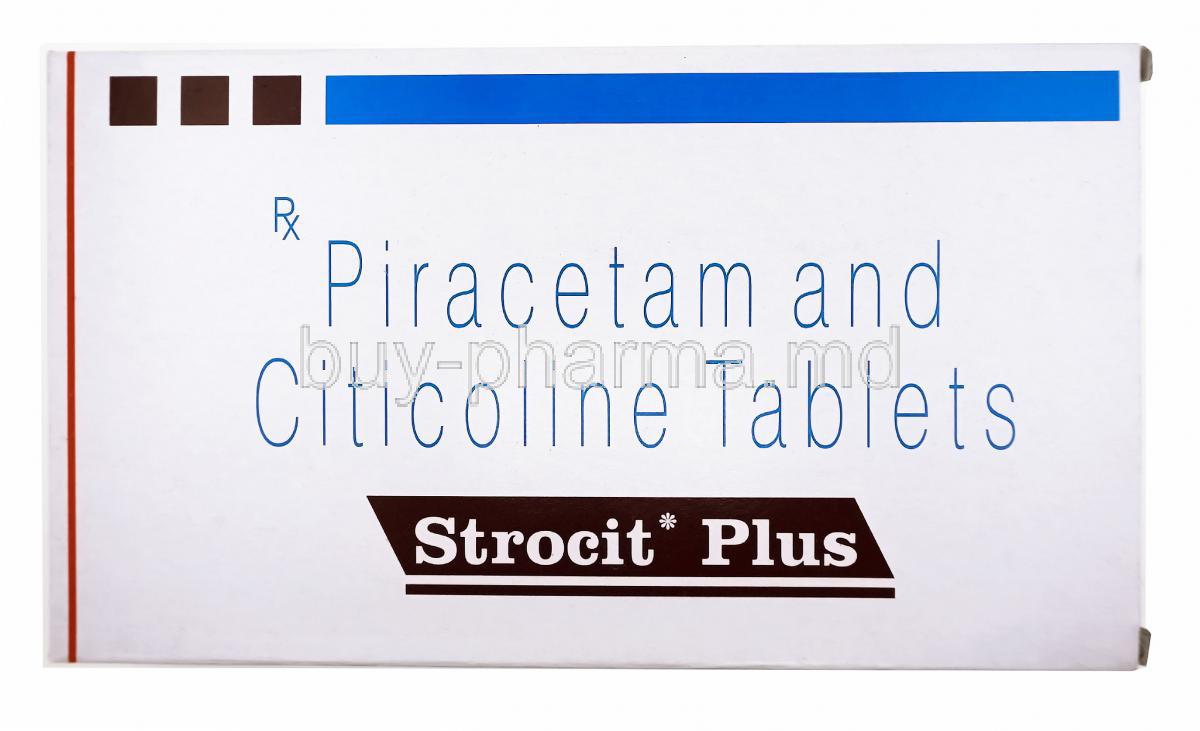
Introduction to Strocit Plus (Piracetam / Citicoline Combination)
Strocit Plus is a dual-agent nootropic formulation designed to support cerebral function and neuronal integrity. By combining Piracetam and Citicoline, it targets multiple biochemical pathways involved in cognition, memory, and neurorecovery. This pharmacological pairing is frequently utilized in clinical settings where brain metabolism and synaptic efficiency require reinforcement.
The product is positioned within neurological and cognitive therapeutics, particularly in conditions characterized by impaired cerebral circulation, neuronal damage, or age-related decline.
Overview of Strocit Plus as a Nootropic and Neuroprotective Formulation
Strocit Plus belongs to a class of agents commonly referred to as nootropics, substances that modulate higher cortical functions. Beyond cognitive enhancement, it exhibits neuroprotective properties that may help preserve neuronal structure and function under pathological stress.
- Supports memory consolidation
- Enhances attention and mental clarity
- Promotes neuronal membrane stability
Rationale for Combining Piracetam and Citicoline
The combination is based on complementary mechanisms. Piracetam primarily influences neuronal excitability and synaptic transmission, while Citicoline contributes structural substrates essential for neuronal repair. Together, they create a multifaceted approach to cognitive support.
This synergism allows for both functional enhancement and structural maintenance of brain tissue, an advantage over single-agent therapy.
Therapeutic Positioning in Neurological and Cognitive Disorders
Strocit Plus is commonly positioned as an adjunctive therapy in neurological rehabilitation and chronic cognitive conditions. It is often integrated into broader treatment strategies rather than used as a standalone intervention.
Its use spans acute recovery phases as well as long-term cognitive maintenance.
Composition and Pharmaceutical Profile
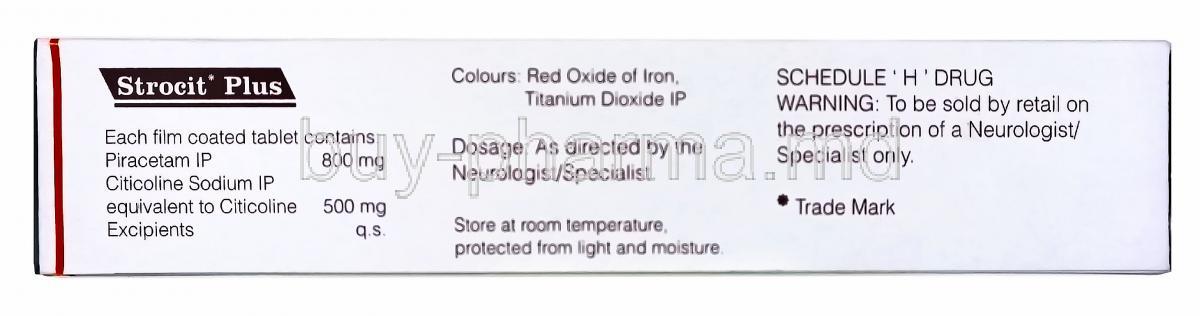
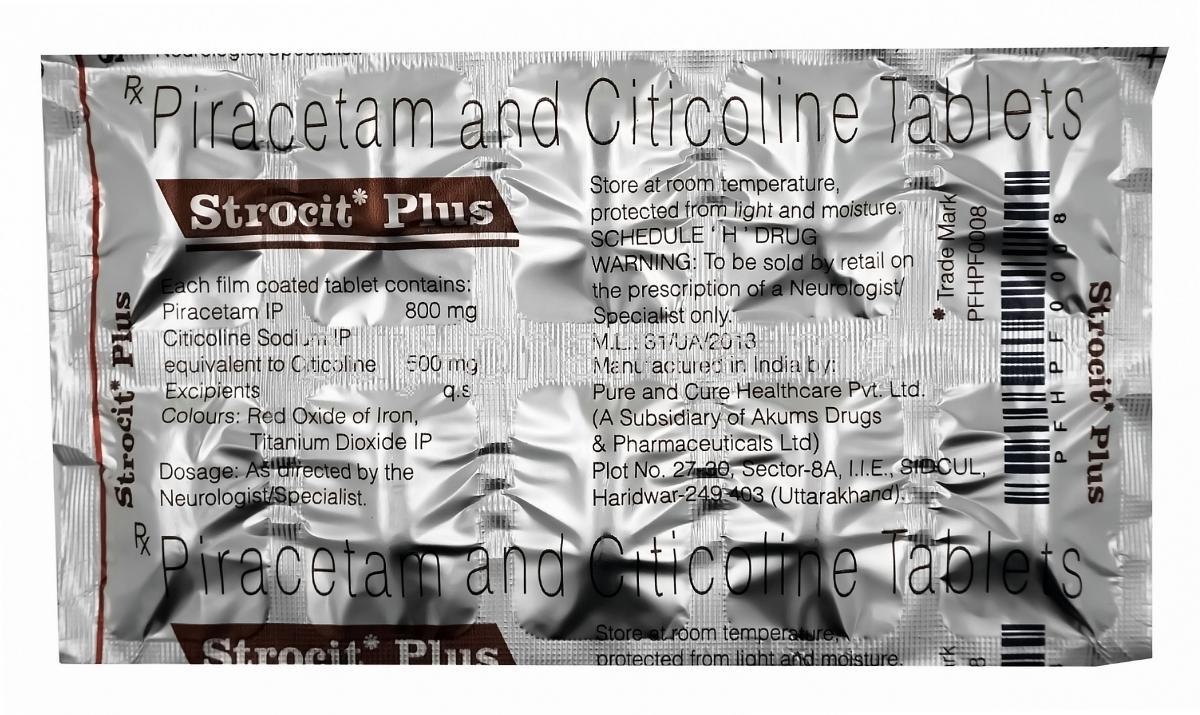
The formulation consists of two pharmacologically active agents with established roles in neurocognitive therapy, supported by excipients that ensure stability, absorption, and patient acceptability.
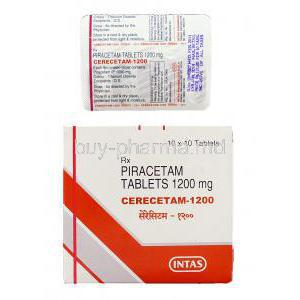
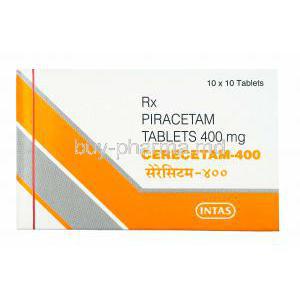
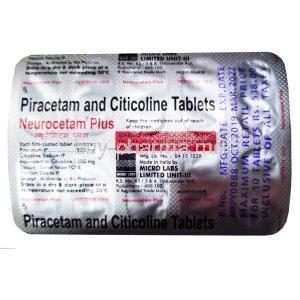
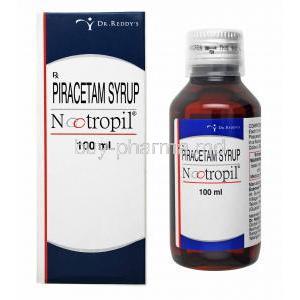
Active Ingredients: Piracetam and Citicoline
Piracetam is a cyclic derivative of gamma-aminobutyric acid, while Citicoline is a naturally occurring intermediate in phospholipid metabolism. Each contributes distinct yet interrelated therapeutic effects.
Chemical and Pharmacological Characteristics of Each Component
Piracetam enhances membrane fluidity and modulates neurotransmitter release without exerting sedative or stimulant effects. Citicoline supplies choline and cytidine, precursors necessary for phosphatidylcholine synthesis and neuronal membrane repair.
Available Dosage Forms and Strengths
Strocit Plus is typically available in oral solid dosage forms, designed for convenient daily administration. Strengths may vary depending on regional formulations and prescribing practices.
Excipients and Formulation Considerations
Inactive components are selected to optimize bioavailability, ensure uniform dosing, and maintain chemical stability throughout the product’s shelf life.
Citicoline vs choline
Citicoline (CDP-choline) is generally considered a more potent, bioavailable, and effective form of choline for brain health compared to standard choline supplements (like choline bitartrate). While basic choline supports liver health and general metabolism, citicoline breaks down into choline and cytidine, efficiently crossing the blood-brain barrier to boost memory, cognitive function, and neuronal membrane repair.
Cognizin vs citicoline
Cognizin is a branded, patented form of citicoline (CDP-Choline) produced by Kyowa Hakko, known for its high purity and use in clinical studies to support brain energy, focus, and memory.
Citicoline vs alpha gpc
Alpha-GPC and Citicoline (CDP-Choline) are both highly effective, bioavailable choline sources that cross the blood-brain barrier to enhance cognitive function. Alpha-GPC is superior for rapid, short-term increases in memory and physical power, while Citicoline excels at promoting long-term brain health, neuroprotection, and sustained focus.
Phosphatidylserine vs citicoline
Phosphatidylserine (PS) and Citicoline are both potent nootropics that enhance brain health, but they operate differently: PS specializes in strengthening brain cell membranes and improving memory/cognition (often 300–800 mg/day), while Citicoline excels at boosting brain energy, neurotransmitter synthesis, and providing neuroprotection (typically 250–500 mg/day). PS is often used for cognitive decline and memory, while Citicoline is favored for focus and mental energy.
Piracetam vs aniracetam
Piracetam and Aniracetam are both nootropic compounds from the racetam family, with Aniracetam being a more potent, fat-soluble analog of Piracetam that also offers potential anxiety-reducing benefits. While Piracetam is often used for broad cognitive enhancement, memory, and improving microcirculation, Aniracetam is specifically noted for increasing focus and reducing anxiety.
Piracetam vs phenylpiracetam
Piracetam and Phenylpiracetam are both members of the "racetam" family of nootropics, with Phenylpiracetam being a phenylated derivative of Piracetam. Phenylpiracetam is significantly more potent—often cited as 30 to 60 times stronger—and acts as a stimulant, whereas Piracetam is primarily known for cognitive enhancement without significant stimulation
Noopept vs piracetam
Noopept and Piracetam are both nootropic compounds used to enhance cognitive function, with Noopept often considered a more potent, modern successor to the original "racetam" (Piracetam).
Piracetam vs oxiracetam
Oxiracetam is a more potent, water-soluble derivative of Piracetam (the original "racetam"), often considered a "third-generation" nootropic compared to Piracetam's first-generation status. Oxiracetam is generally preferred for memory enhancement and cognitive speed, while Piracetam is often used for general brain health, neuroprotection, and sometimes for managing anxiety/agitation.
How Strocit Plus Works (Mechanism of Action)
The therapeutic effects arise from coordinated actions on neuronal membranes, neurotransmitter dynamics, and cerebral metabolism.
Piracetam Mechanism of Action on Neuronal Membranes and Neurotransmission
Piracetam improves neuronal membrane elasticity and facilitates interhemispheric communication. It supports cholinergic and glutamatergic neurotransmission, which are critical for learning and memory processes.
Citicoline Mechanism of Action in Phospholipid Synthesis and Neurorepair
Citicoline enhances the synthesis of structural phospholipids, contributing to membrane regeneration. It also supports acetylcholine production, a neurotransmitter central to attention and cognition.
Synergistic Effects on Cerebral Metabolism and Neuroplasticity
When combined, these agents promote adaptive neuroplastic changes. This synergy may facilitate functional recovery following neuronal injury and support sustained cognitive performance.
Effects on Cerebral Blood Flow and Oxygen Utilization
Improved membrane function and metabolic efficiency may indirectly enhance cerebral perfusion and oxygen utilization, particularly in compromised neural tissue.
Uses of Strocit Plus (Approved and Common Clinical Uses)
Strocit Plus is employed across a range of neurological conditions where cognitive function is impaired or at risk.
- Cognitive impairment linked to cerebrovascular insufficiency
- Supportive therapy during post-stroke rehabilitation
- Cognitive dysfunction following traumatic brain injury
- Age-related decline in memory and attention
- Cognitive symptoms associated with neurodegenerative disorders
Off-Label Uses of Strocit Plus
In addition to established indications, Strocit Plus is sometimes used in off-label contexts based on clinical judgment.
- Mild cognitive impairment (MCI)
- Vascular and mixed dementia support
- Learning and concentration difficulties
- Adjunctive use in Parkinsonian cognitive symptoms
- Management of cognitive fatigue and mental exhaustion
Dosage and Administration
Dosing regimens are individualized according to patient characteristics and therapeutic goals.
Standard Adult Dosing Regimens
Adults are generally prescribed divided daily doses to maintain stable plasma concentrations and consistent cognitive support.
Titration Strategies Based on Clinical Response
Dose adjustments may be implemented gradually, guided by clinical response and tolerability rather than rigid schedules.
Duration of Therapy and Reassessment Intervals
Therapy duration can range from short-term rehabilitation support to extended maintenance, with periodic reassessment to evaluate ongoing benefit.
Oral Administration Guidelines
The medication is taken orally, typically with water, and may be administered with or without food unless otherwise directed.
Missed Dose Instructions
If a dose is missed, it should be taken as soon as remembered unless it is close to the next scheduled dose. Double dosing is generally discouraged.
Administration in Special Populations
Administration to Elderly Patients
In elderly individuals, physiological changes such as reduced renal clearance may influence dosing requirements.
- Lower initial doses may be considered
- Close monitoring of cognitive response is advised
Administration to Pregnant Women and Nursing Mothers
Use during pregnancy and lactation requires careful risk–benefit evaluation. Clinical discretion is essential due to limited human data.
Administration to Children
Pediatric use is not routine and generally requires specialist oversight.
- Restricted to specific clinical scenarios
- Limited robust safety and efficacy data
Side Effects of Strocit Plus
Strocit Plus is generally regarded as a well-tolerated neurocognitive formulation when used at recommended doses. Its safety profile reflects the long-standing clinical experience with both Piracetam and Citicoline. Nevertheless, as with any pharmacologically active agent, adverse effects may occur, particularly in susceptible individuals or with inappropriate use.
Overview of Tolerability Profile
Most patients experience either no adverse effects or only mild, transient symptoms. Side effects, when present, are typically reversible and resolve with dose adjustment or continued therapy.
- Non-sedating profile
- Low incidence of serious adverse reactions
- Generally compatible with long-term use under supervision
Dose-Related vs. Idiosyncratic Reactions
Adverse effects may be broadly categorized into dose-related reactions, which correlate with higher exposure, and idiosyncratic reactions, which are unpredictable and patient-specific. Dose-related effects are more common and often manageable through titration.
Common Side Effects
The following effects are reported more frequently, particularly during the initiation phase or dose escalation.
Headache and Dizziness
Mild cephalalgia or transient dizziness may occur, often reflecting central nervous system adaptation. These symptoms are usually self-limiting and diminish over time.
Gastrointestinal Discomfort (Nausea, Diarrhea)
Gastrointestinal symptoms such as nausea, abdominal unease, or loose stools have been observed. Taking the medication with food may mitigate these effects.
Insomnia or Sleep Disturbances
In some individuals, increased mental alertness may interfere with sleep patterns. Evening dosing adjustments are commonly effective in addressing this issue.
Nervousness or Mild Agitation
Occasional reports of restlessness or mild agitation have been noted, particularly at higher doses. These effects are typically reversible with dose modification.
Less Common or Rare Adverse Effects
Although infrequent, certain adverse reactions warrant attention due to their clinical relevance.
Mood Changes
Alterations in mood, including irritability or emotional lability, have been reported rarely. Close observation is recommended in patients with underlying psychiatric conditions.
Hypotension or Palpitations
Transient changes in blood pressure or awareness of heartbeat may occur, especially in individuals with pre-existing cardiovascular sensitivity.
Hypersensitivity Reactions
Allergic manifestations such as skin rash, pruritus, or urticaria are uncommon but possible. Immediate discontinuation is advised if hypersensitivity is suspected.
Drug Interactions
Strocit Plus exhibits a relatively low potential for clinically significant drug interactions. However, caution is advised when used concomitantly with certain medication classes.
Interaction with Central Nervous System–Acting Drugs
Concurrent use with other nootropics, stimulants, or psychotropic agents may result in additive central effects, necessitating careful dose coordination.
Effects When Combined with Anticoagulants or Antiplatelet Agents
Piracetam has been associated with effects on platelet aggregation. Combined use with anticoagulants or antiplatelet drugs may theoretically increase bleeding risk and should be monitored.
Alcohol Interaction Considerations
Alcohol may blunt cognitive benefits and exacerbate central side effects such as dizziness or impaired coordination. Limitation of alcohol intake is generally recommended.
Clinical Relevance of Pharmacodynamic Interactions
Most interactions are pharmacodynamic rather than pharmacokinetic, emphasizing the importance of clinical observation rather than routine laboratory monitoring.
Warnings and Safety Information
Certain patient populations require heightened vigilance to ensure safe use.
Use in Patients with Bleeding Disorders
Due to potential effects on platelet function, patients with bleeding tendencies should use Strocit Plus only under medical supervision.
Considerations in Seizure-Prone Individuals
Although not pro-convulsant, caution is advised in individuals with a history of seizures, particularly when initiating therapy or adjusting doses.
Long-Term Use and Monitoring Recommendations
Prolonged use may be appropriate in selected patients, provided periodic clinical reassessment is conducted to confirm ongoing benefit and safety.
Contraindications
Strocit Plus should not be used in certain clinical circumstances where risks outweigh potential benefits.
- Known hypersensitivity to Piracetam, Citicoline, or any formulation component
- Severe renal impairment, particularly due to Piracetam accumulation
- Conditions where excessive cholinergic stimulation is contraindicated
Careful Administration and Important Precautions
Appropriate patient selection and monitoring are essential to optimize outcomes.
Renal Function Assessment Prior to Initiation
Baseline evaluation of renal function is recommended, especially in elderly patients or those with known renal disease.
Gradual Discontinuation Considerations
Abrupt cessation after prolonged use is generally discouraged. Gradual dose reduction may help prevent rebound symptoms.
Monitoring Cognitive and Behavioral Changes
Regular assessment of cognitive performance, mood, and behavior helps ensure therapeutic efficacy and early detection of adverse effects.
Avoidance of Unnecessary Prolonged Use
Treatment duration should be periodically reviewed to avoid unwarranted long-term exposure without clear clinical benefit.
Overdosage
Accidental or intentional overdose is uncommon but requires prompt medical attention.
Expected Clinical Features of Overdose
Symptoms may include pronounced gastrointestinal distress, agitation, dizziness, or exacerbation of known side effects.
Symptomatic and Supportive Management
Management is primarily supportive, focusing on symptom control and maintenance of vital functions.
Lack of Specific Antidote
No specific antidote exists for Strocit Plus overdose. Treatment is guided by clinical presentation.
When to Seek Emergency Medical Care
Immediate medical evaluation is warranted in cases of severe symptoms, altered consciousness, or suspected significant overdose.
Storage and Stability
Proper storage conditions are essential to maintain product integrity.
Recommended Storage Temperature
Store at controlled room temperature, avoiding excessive heat.
Protection from Moisture and Light
Exposure to moisture and direct light should be minimized to preserve stability.
Shelf-Life Considerations
Use the product within the labeled shelf life and avoid consumption beyond the expiration date.
Handling Precautions
Safe handling practices contribute to effective and responsible use.
Proper Handling and Dispensing Practices
Medication should be handled with clean, dry hands and kept in its original packaging until use.
Patient Counseling Points for Safe Use
Patients should be advised on correct dosing, potential side effects, and the importance of adherence to prescribed regimens.
Disposal Recommendations for Unused Medication
Unused or expired medication should be disposed of according to local pharmaceutical waste guidelines, avoiding improper disposal into household waste or wastewater.
Strocit Plus. Piracetam/ Citicoline FAQ
- What is strocit plus used for?
- How long does strocit plus take to work?
- Can strocit plus improve memory?
- What should I avoid while taking Strocit Plus?
- What is piracetam and citicoline used for?
- Can piracetam and citicoline be taken together?
- How do citicoline & piracetam affect the brain?
- What is the main use of piracetam?
- Does piracetam make you sleepy?
- What are the negative side effects of citicoline?
- Can I take piracetam every day?
- Can piracetam prevent stroke?
- Who should not take piracetam?
- Can I stop piracetam suddenly?
- Does piracetam help with anxiety?
- Is piracetam narcotic?
What is strocit plus used for?
Strocit Plus tablet is used to treat acute stroke. It protects the brain cells from damage and helps to repair them.
How long does strocit plus take to work?
Few weeks
Can strocit plus improve memory?
Yes
What should I avoid while taking Strocit Plus?
Operating heavy machinery and alcohol
What is piracetam and citicoline used for?
The combination of Piracetam and citicoline is used to treat acute strok, Parkinson's and Alzheimer's disease.
Can piracetam and citicoline be taken together?
Yes
How do citicoline & piracetam affect the brain?
It supports neurotransmitters to improve memory.
What is the main use of piracetam?
Piracetam is used to improve neural plasticity and is an anticonvulsant.
Does piracetam make you sleepy?
Yes
What are the negative side effects of citicoline?
- Stomachache
- Constipation
- Diarrhea
Can I take piracetam every day?
Yes
Can piracetam prevent stroke?
Yes
Who should not take piracetam?
- Kidney problems
- Brain hemorrhage
- Huntington's disease
Can I stop piracetam suddenly?
No
Does piracetam help with anxiety?
Yes
Is piracetam narcotic?
No
Popular Products
Similar Product