

Introduction
Overview of Canopas Ear Cleanser for Dogs and Cats
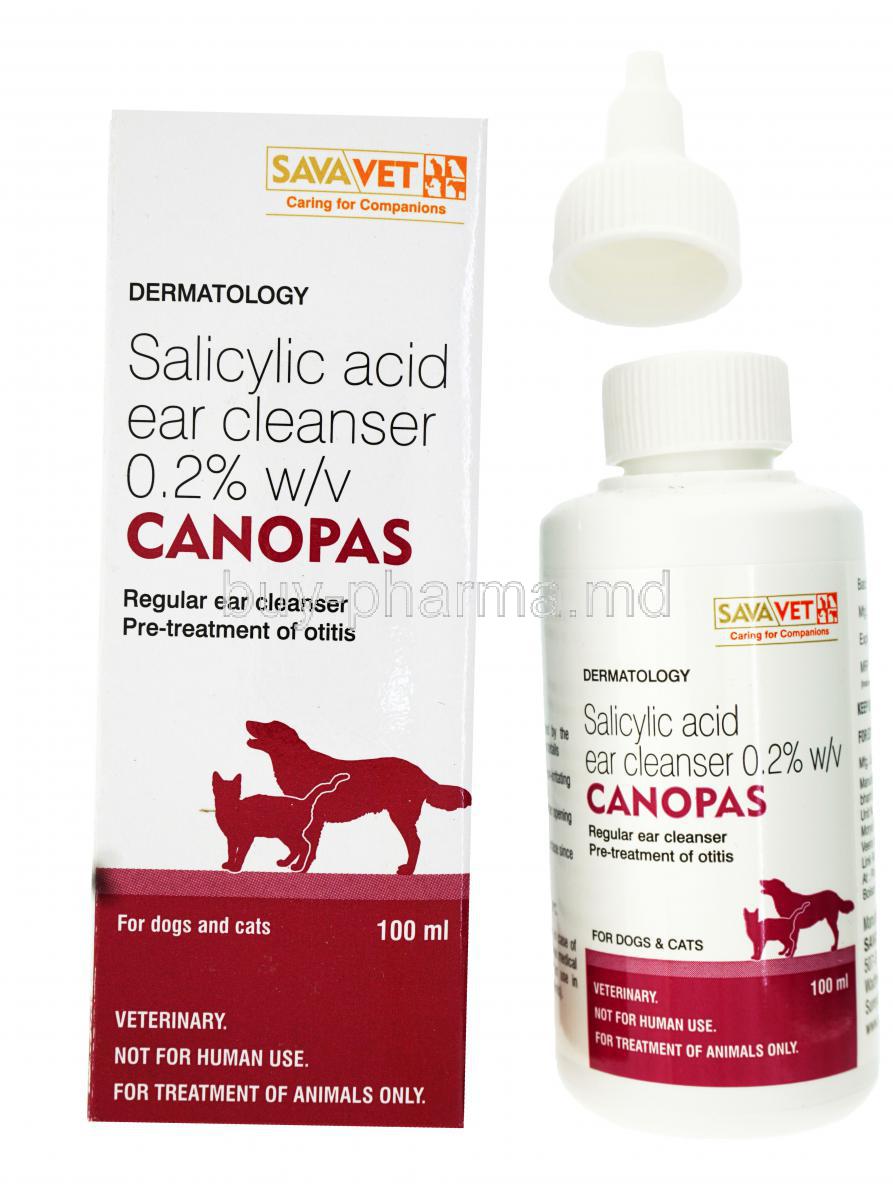
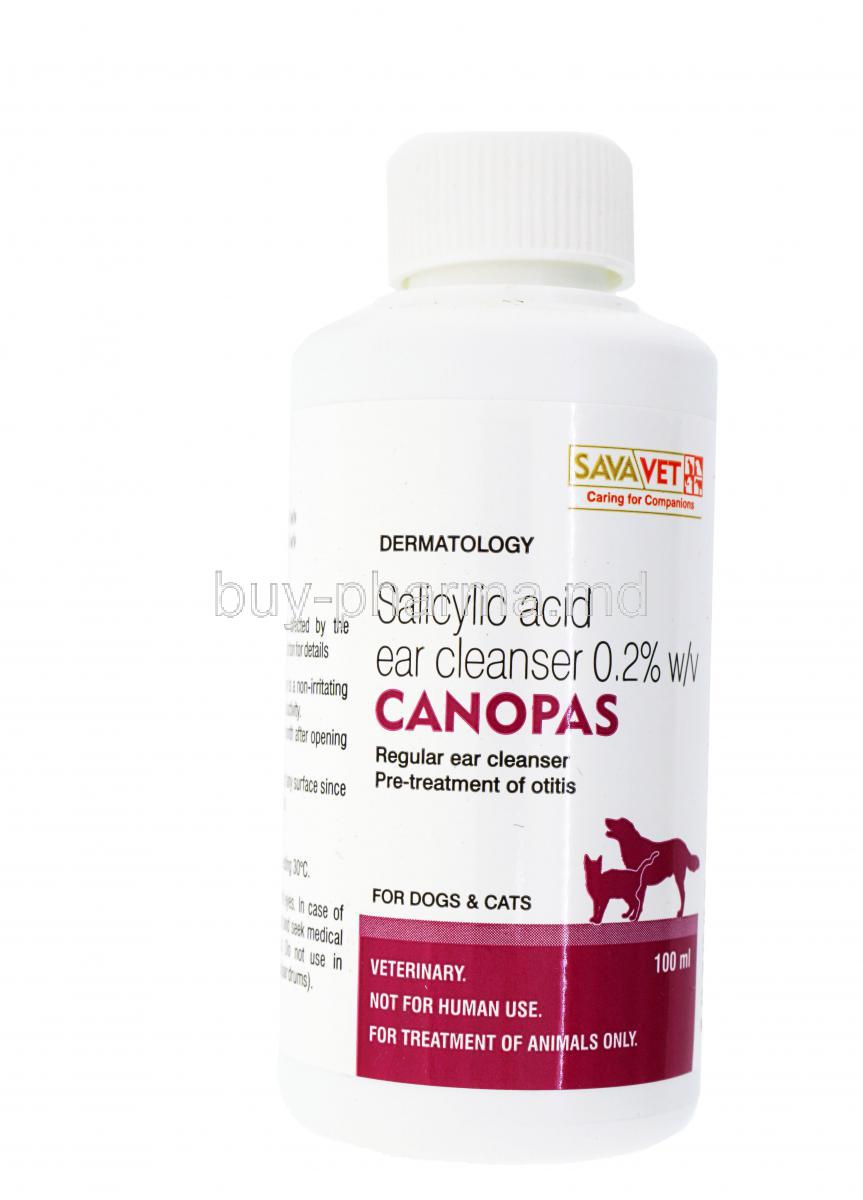
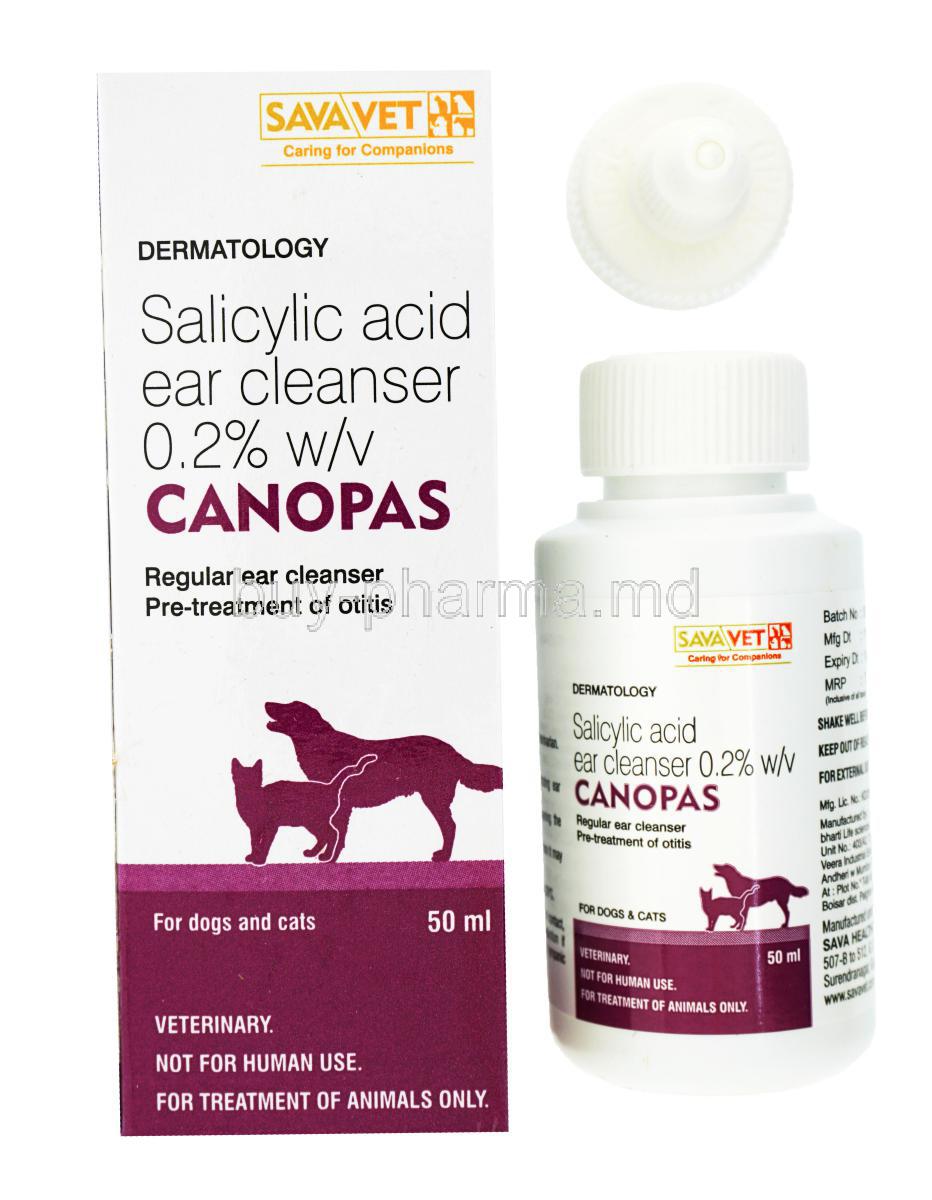
Canopas Ear Cleanser is a veterinary-formulated otic solution designed to support routine ear hygiene in dogs and cats. It is commonly used to remove accumulated debris, excess cerumen, and desquamated epithelial material from the external ear canal. The formulation emphasizes cleansing without unnecessary pharmacological burden, making it suitable for regular maintenance as well as supportive care in certain ear conditions.
Role of Ear Hygiene in Companion Animal Health
Proper ear hygiene plays a pivotal role in maintaining the overall health and comfort of companion animals. The external ear canal provides a warm, moist microenvironment that can predispose pets to:
- Accumulation of wax and organic debris
- Microbial overgrowth
- Chronic inflammation and irritation
Regular, appropriate cleansing helps disrupt this cycle, reduces the burden of irritants, and supports the integrity of the ear canal epithelium.
Importance of Salicylic Acid in Veterinary Dermatology and Otic Care
Salicylic acid is widely utilized in veterinary dermatology due to its keratolytic and comedolytic properties. In otic formulations, it assists in loosening adherent debris, normalizing epithelial turnover, and enhancing the effectiveness of mechanical cleansing. Its targeted action makes it particularly valuable in conditions characterized by hyperkeratosis or excessive cerumen production.
Product Overview and Intended Species
What Is Canopas Ear Cleanser?
Canopas Ear Cleanser is a topical ear-cleaning solution formulated specifically for veterinary use. It is intended for external application within the ear canal and is not a substitute for systemic or prescription otic therapies when such treatments are clinically indicated.
Approved Use in Dogs
In dogs, Canopas Ear Cleanser is commonly used as part of routine grooming or as supportive care for ear conditions. Canine breeds with pendulous ears, narrow ear canals, or a predisposition to cerumen accumulation may particularly benefit from regular use.
Approved Use in Cats
For cats, the cleanser may be used to maintain ear cleanliness and assist in removing surface debris. Feline ear care often requires gentle handling due to increased sensitivity, and formulations designed for companion animals help minimize unnecessary irritation.
Types of Ear Conditions Commonly Affecting Pets
Ear conditions frequently observed in dogs and cats include:
- Excessive cerumen accumulation
- Otitis externa
- Seborrheic ear disorders
- Secondary yeast or bacterial proliferation
Composition and Key Ingredients
Salicylic Acid: Concentration and Pharmacological Role
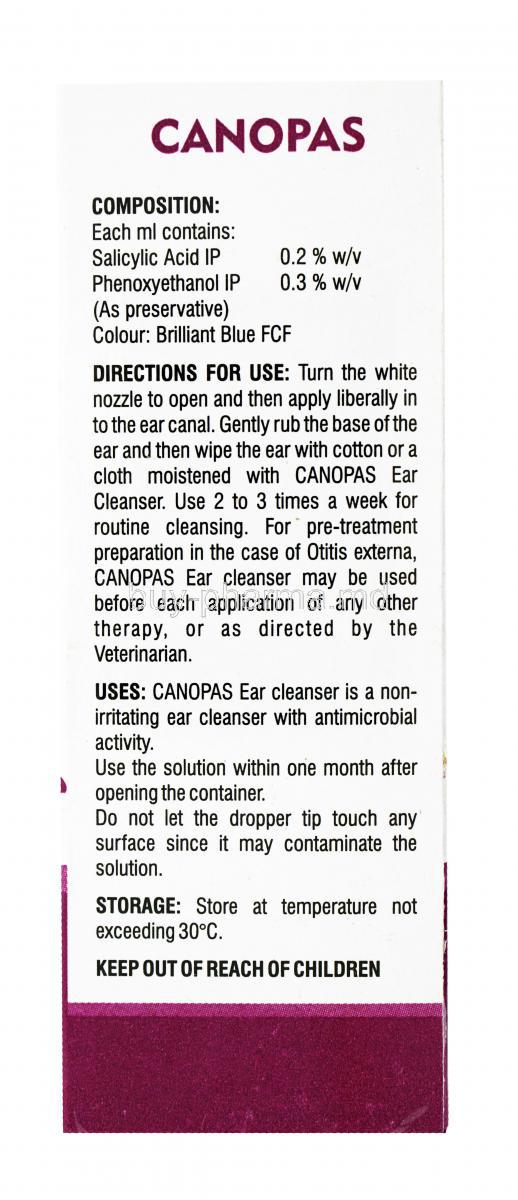
Salicylic acid functions as a keratolytic agent, facilitating the breakdown of keratinized debris within the ear canal. By softening and loosening compacted material, it allows for more effective removal during cleaning and supports normalization of the epithelial surface.
Supporting Ingredients and Excipients
In addition to salicylic acid, the formulation typically includes excipients that enhance solubility, spreadability, and cleansing efficiency. These components are selected to support the primary action while maintaining tolerability in sensitive tissues.
Absence or Presence of Alcohol, Steroids, or Antibiotics
Canopas Ear Cleanser is formulated as a cleansing agent rather than a therapeutic drug. It does not rely on antibiotics or corticosteroids, making it appropriate for routine use and for situations where medicated products are not indicated.
pH Balance and Its Importance for the Ear Canal
Maintaining an appropriate pH within the ear canal is essential for epithelial health. A balanced formulation helps preserve the natural defensive environment of the ear, discouraging microbial overgrowth and supporting tissue resilience.
Mechanism of Action: How Canopas Ear Cleanser Works
Keratolytic Action of Salicylic Acid
Salicylic acid promotes controlled exfoliation by disrupting intercellular cohesion in keratinized tissue. This action assists in removing adherent scales and debris without aggressive mechanical force.
Reduction of Excess Ear Wax and Debris
By softening cerumen and organic matter, the cleanser enables effective flushing of the ear canal. This reduces occlusion, improves airflow, and limits the retention of moisture.
Supportive Effects on Inflamed or Hyperkeratotic Ear Tissue
In ears affected by chronic irritation or hyperkeratosis, gentle keratolysis may help restore a more normalized epithelial surface. This supportive effect can improve comfort and facilitate subsequent treatments when required.
Contribution to a Healthier Ear Canal Environment
Regular cleansing helps maintain a cleaner, drier ear canal environment, reducing factors that contribute to recurrent irritation or infection.
Indications and Approved Uses
Routine Ear Cleaning and Maintenance
Canopas Ear Cleanser is commonly used as part of regular grooming routines to maintain ear cleanliness and prevent buildup of wax and debris.
Management of Excess Cerumen (Ear Wax)
Pets prone to excessive cerumen production may benefit from periodic cleansing to prevent blockage and discomfort.
Supportive Care for Otitis Externa
While not a standalone treatment, the cleanser may be used as supportive care in cases of otitis externa, particularly to prepare the ear canal for medicated therapies.
Use in Seborrheic Ear Conditions
In seborrheic conditions, keratolytic cleansing helps manage scaling and excessive epithelial turnover within the ear canal.
Adjunctive Use During Veterinary-Directed Ear Treatments
Under veterinary guidance, ear cleansing may enhance the penetration and effectiveness of prescribed otic medications.
Expanded Uses and Off-Label Applications
Preventive Ear Care in Breeds Prone to Otitis
Certain breeds exhibit anatomical or physiological predispositions to ear disease. Preventive cleansing may help reduce recurrence in these populations.
Use in Chronic or Recurrent Ear Conditions (Under Veterinary Guidance)
In chronic cases, controlled cleansing may be incorporated into long-term management plans, with careful monitoring for tolerance.
Adjunct Use in Yeast-Associated Ear Disorders
By reducing debris and altering the ear canal environment, cleansing may support broader management strategies for yeast-associated conditions.
Supportive Cleansing Prior to Prescription Otic Medications
Cleaning the ear canal before applying prescription treatments helps remove barriers that could limit drug contact with affected tissues.
Use in Mild Hyperkeratosis of the Ear Canal
Mild hyperkeratotic changes may respond favorably to gentle keratolytic cleansing as part of a comprehensive care approach.
Dosage and Administration Guidelines
Recommended Frequency of Use
Frequency varies based on clinical needs, ranging from occasional maintenance to more regular use under veterinary advice.
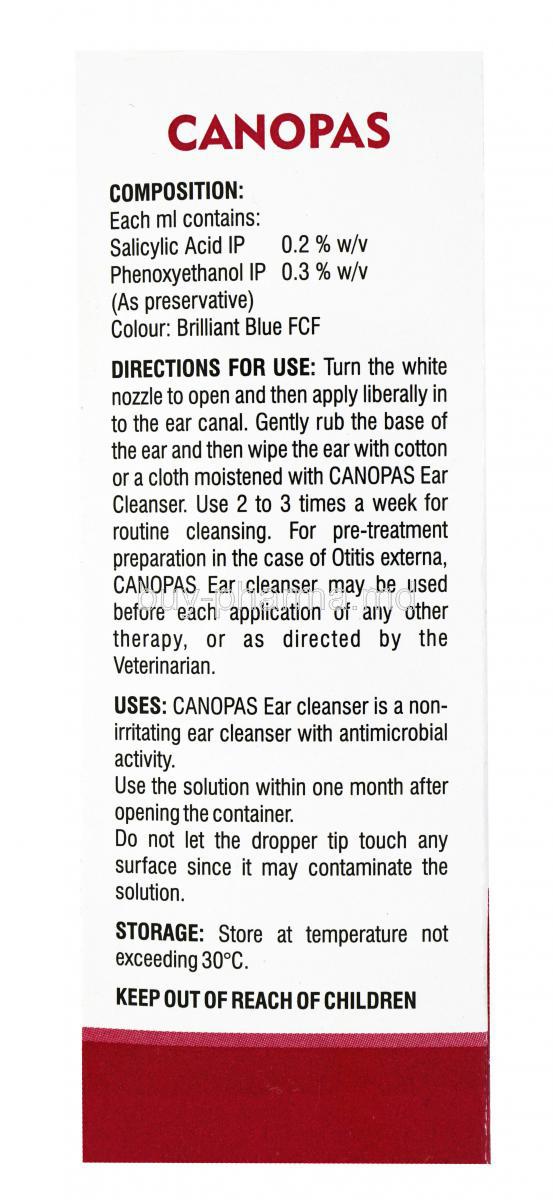
Step-by-Step Ear Cleaning Method
- Apply an appropriate volume into the ear canal
- Gently massage the base of the ear
- Allow the pet to shake its head
- Wipe away loosened debris with clean material
Volume per Application for Dogs vs Cats
Dogs typically require a larger volume due to ear canal size, whereas cats generally need smaller amounts to achieve effective cleansing.
Duration of Use Based on Clinical Condition
Short-term use may suffice for routine cleaning, while chronic conditions may require longer-term management under supervision.
Importance of Veterinary-Directed Treatment Plans
Veterinary guidance ensures appropriate integration of ear cleansing into a broader diagnostic and therapeutic strategy.
Administration in Special Populations
Administration to Elderly Dogs and Cats
Aging animals may exhibit increased sensitivity or altered skin integrity. Gentle technique and careful observation are essential.
Age-Related Changes in Ear Health
Reduced elasticity, chronic inflammation, and altered immune responses may influence how elderly pets tolerate ear products.
Adjustments in Frequency or Technique
Lower frequency or reduced volume may be appropriate for senior animals to minimize irritation.
Monitoring for Increased Sensitivity
Signs of discomfort, redness, or behavioral changes should prompt reassessment of the regimen.
Administration to Pregnant Animals and Nursing Mothers
Use during pregnancy or lactation should be guided by a veterinarian, considering both maternal and offspring safety.
Safety Considerations During Pregnancy
Topical exposure is generally limited, but cautious use is recommended to avoid unnecessary risk.
Use During Lactation
Care should be taken to prevent ingestion by nursing offspring through licking or close contact.
Risk–Benefit Assessment Under Veterinary Advice
Individualized evaluation helps determine whether use is appropriate during these sensitive periods.
Administration to Puppies and Kittens
Young animals require especially gentle handling and careful dosing due to developing tissues.
Minimum Age for Use
Veterinary guidance should be sought to determine suitability based on age and clinical status.
Increased Sensitivity of Developing Ear Tissue
Immature epithelial barriers may be more reactive, necessitating cautious application.
Proper Handling and Gentle Application
Slow, calm handling reduces stress and minimizes the risk of trauma during ear cleaning.
Side Effects and Safety Profile
Overall Tolerability in Dogs and Cats
When used as directed, Canopas Ear Cleanser is generally well tolerated in both species.
Localized vs Systemic Effects
Adverse effects are typically localized to the site of application, with systemic effects being unlikely due to topical use.
Common Side Effects
Mild Ear Irritation or Redness
Transient redness may occur, particularly in ears with pre-existing inflammation.
Transient Discomfort or Head Shaking
Temporary head shaking or scratching may be observed immediately after application.
Temporary Increase in Ear Discharge
Loosening of debris can initially increase visible discharge as material is expelled.
Less Common or Serious Side Effects
Persistent Inflammation
Ongoing redness or swelling may indicate intolerance or an underlying condition requiring evaluation.
Signs of Hypersensitivity
Rare hypersensitivity reactions may include marked irritation or behavioral distress.
Worsening of Ear Symptoms Requiring Veterinary Review
Any deterioration in clinical signs warrants prompt veterinary assessment to rule out complications or alternative diagnoses.
Drug and Product Interactions
Use with Prescription Otic Medications
Canopas Ear Cleanser may be incorporated into a broader veterinary-directed treatment plan that includes prescription otic medications. Cleansing the ear canal prior to medication application can enhance contact between the active drug and the affected tissues. However, timing matters. Adequate intervals between cleansing and medicated drops help prevent dilution or premature removal of therapeutic agents.
Compatibility with Antifungal or Antibiotic Ear Drops
When used alongside antifungal or antibiotic ear drops, compatibility is generally favorable when applied correctly. The cleanser serves a preparatory role, removing debris that may otherwise impede drug penetration. Key considerations include:
- Applying the cleanser before, not after, medicated drops
- Allowing the ear canal to dry when recommended
- Following the veterinarian’s prescribed sequence and timing
Interaction with Other Topical Dermatologic Products
Concurrent use with other topical dermatologic products, particularly those applied near the ears, should be approached with caution. Residual products may migrate into the ear canal, potentially altering the cleanser’s efficacy or increasing irritation. Coordination of topical therapies helps maintain a stable and predictable treatment environment.
Avoidance of Duplicate Keratolytic Agents
Salicylic acid already provides keratolytic activity. Using additional keratolytic products simultaneously may lead to excessive exfoliation, dryness, or irritation. Avoiding redundant formulations helps preserve epithelial integrity and reduces the risk of adverse local reactions.
Warnings and Contraindications
Known Hypersensitivity to Salicylic Acid
Animals with a documented hypersensitivity to salicylic acid or related compounds should not use this product. Hypersensitivity reactions may manifest as pronounced redness, swelling, or behavioral signs of discomfort following application.
Use in Animals with Perforated Tympanic Membrane
Use is contraindicated in animals with a suspected or confirmed perforated tympanic membrane. Introduction of cleansing solutions into the middle ear may result in pain, inflammation, or more serious complications.
Avoidance in Severe Ulcerative Ear Conditions
In cases of severe ulceration or open lesions within the ear canal, keratolytic cleansers may exacerbate tissue damage. Such conditions require veterinary evaluation and targeted therapy rather than routine cleansing.
Situations Requiring Immediate Veterinary Evaluation
Prompt veterinary attention is warranted if any of the following occur:
- Sudden onset of severe pain during or after application
- Marked swelling, bleeding, or discharge
- Neurological signs such as head tilt or loss of balance
Careful Administration and Important Precautions
Proper Restraint and Handling of Pets
Calm, controlled restraint minimizes stress and reduces the risk of accidental injury. Gentle handling reassures the animal and allows precise application, particularly in anxious or sensitive pets.
Avoiding Deep Insertion into the Ear Canal
Applicators, cotton swabs, or other objects should never be inserted deeply into the ear canal. Such practices can compact debris, irritate delicate tissues, or damage internal structures.
Preventing Cross-Contamination Between Animals
To reduce the risk of cross-contamination:
- Do not share applicators between animals
- Clean hands thoroughly between applications
- Avoid direct contact between the bottle tip and the ear canal
Observing for Signs of Pain or Distress
Vocalization, sudden withdrawal, or aggressive behavior during application may indicate pain. Such signs should prompt immediate cessation of use and veterinary consultation.
Overdosage Information
Potential Effects of Excessive or Over-Frequent Use
Excessive frequency or volume of application may disrupt the normal ear canal environment. Potential consequences include dryness, irritation, or paradoxical increases in inflammation.
Signs of Local Toxicity
Local toxicity is uncommon but may present as:
- Persistent redness or swelling
- Increased sensitivity to touch
- Escalating discomfort following repeated use
Recommended Actions in Case of Suspected Overuse
If overuse is suspected, discontinue application and seek veterinary advice. Supportive care and adjustment of the cleansing regimen may be required to restore tissue balance.
Handling Precautions for Pet Owners and Caregivers
Safe Handling During Application
Caregivers should apply the cleanser in a well-lit area, maintaining a steady grip on the container to avoid spills or accidental splashing.
Avoiding Contact with Eyes and Mucous Membranes
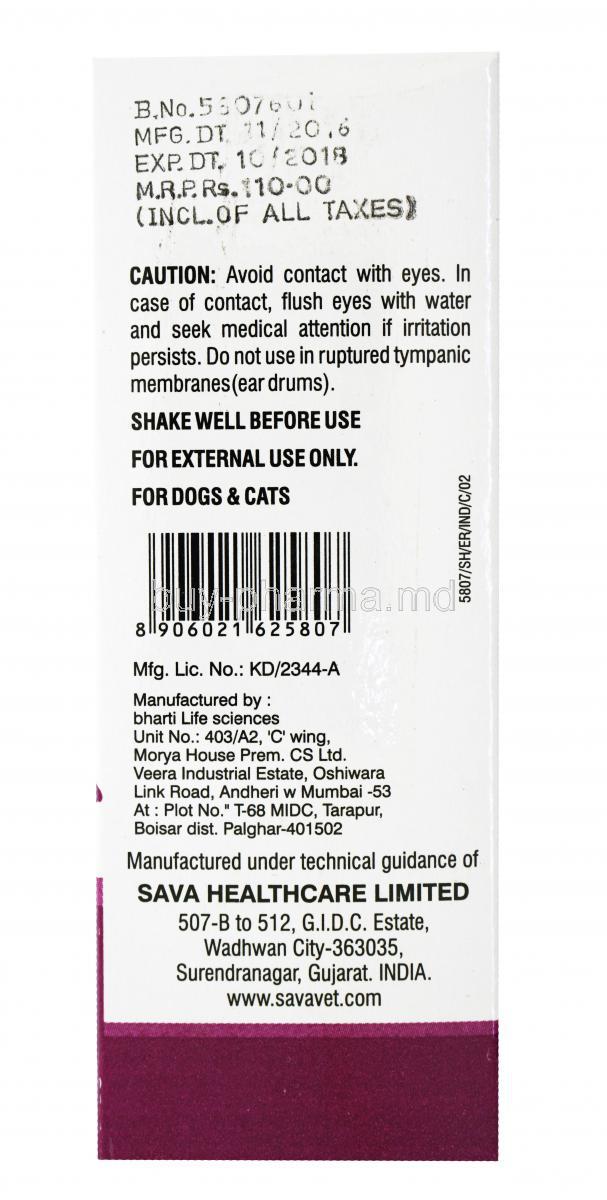
The cleanser is intended solely for otic use. Contact with eyes, nasal passages, or oral mucosa should be avoided to prevent irritation.
Hygiene Measures After Use
After application:
- Wash hands thoroughly with soap and water
- Clean any surfaces exposed to the product
- Secure the container tightly to prevent leaks
Precautions for Humans with Salicylate Sensitivity
Individuals with known sensitivity to salicylates should exercise caution when handling the product and consider using protective gloves during application.
Storage and Shelf-Life Information
Recommended Storage Conditions
The product should be stored at room temperature in a dry environment, away from direct sunlight.
Protection from Heat, Light, and Moisture
Exposure to excessive heat, light, or moisture may compromise product stability. Proper storage preserves consistency and efficacy.
Shelf Life After Opening
Once opened, the cleanser should be used within the manufacturer’s recommended timeframe. Keeping the container tightly closed helps maintain quality.
Disposal of Expired or Unused Product
Expired or unused product should be disposed of in accordance with local regulations. Do not pour contents into drains or the environment unless specifically permitted.

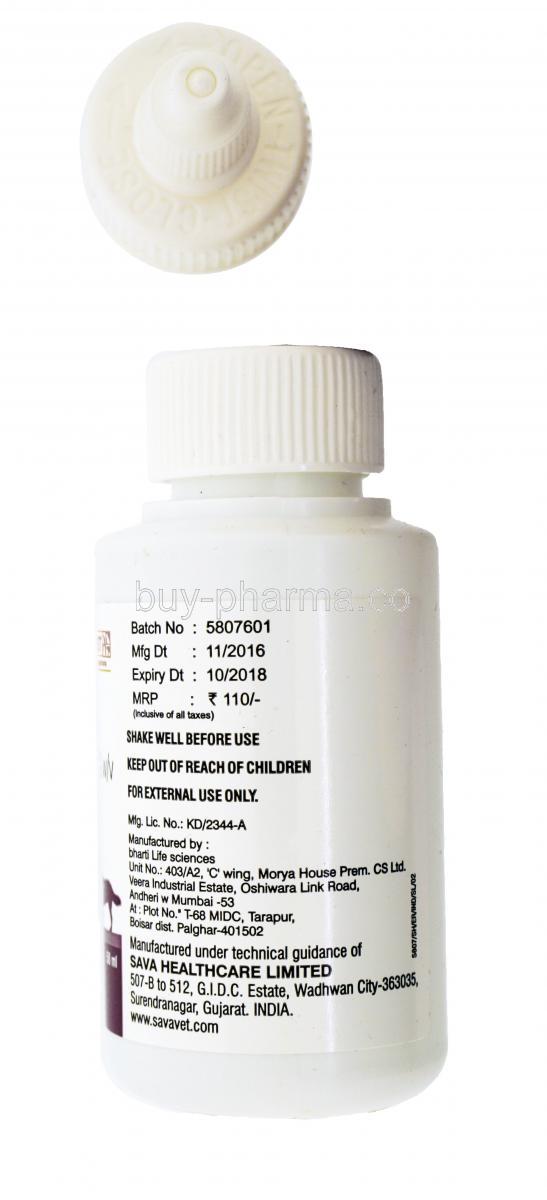
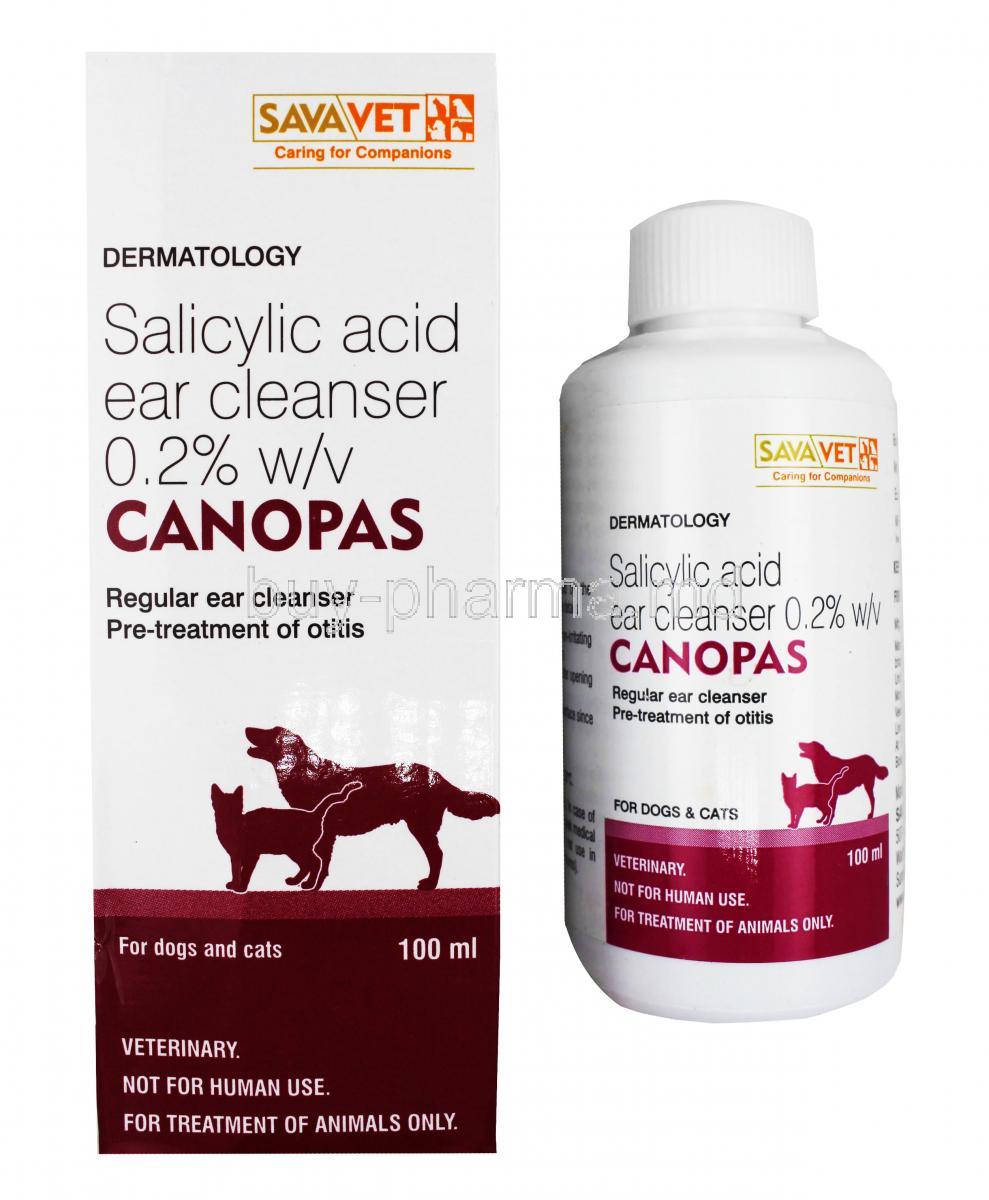
Canopas Ear Cleanser for Dogs and Cats, Salicyclic Acid FAQ
Popular Products