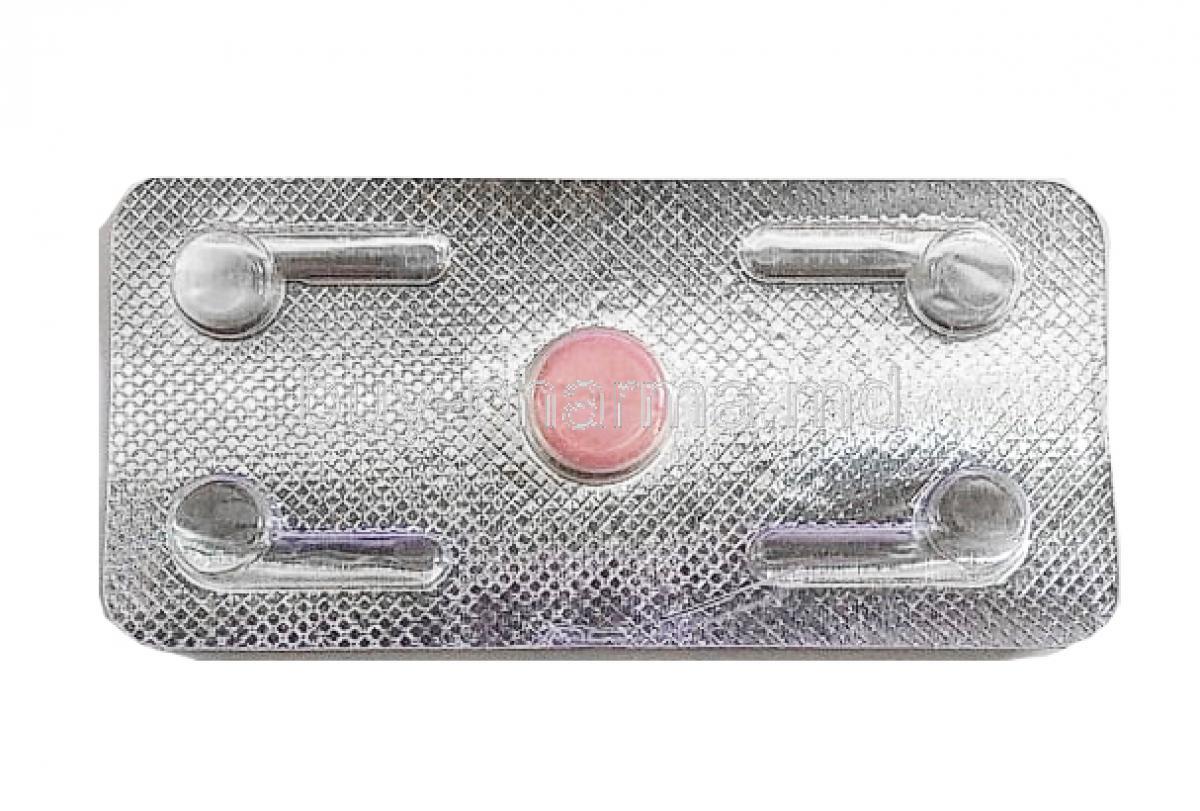
1. Introduction to Fluka (Fluconazole)
1.1 Overview of Fluconazole as an Antifungal Agent
Fluconazole is a triazole antifungal agent widely utilized in clinical medicine for the treatment and prevention of fungal infections. It exhibits a high degree of selectivity toward fungal organisms while maintaining a favorable safety profile in humans. Its systemic availability allows it to target infections ranging from superficial mucosal candidiasis to invasive systemic mycoses.
Unlike topical antifungals, fluconazole penetrates deeply into body tissues. It is frequently prescribed for both acute and chronic fungal conditions. Its predictable pharmacokinetics further enhances its clinical reliability.
1.2 Brand Name “Fluka” and Generic Equivalents
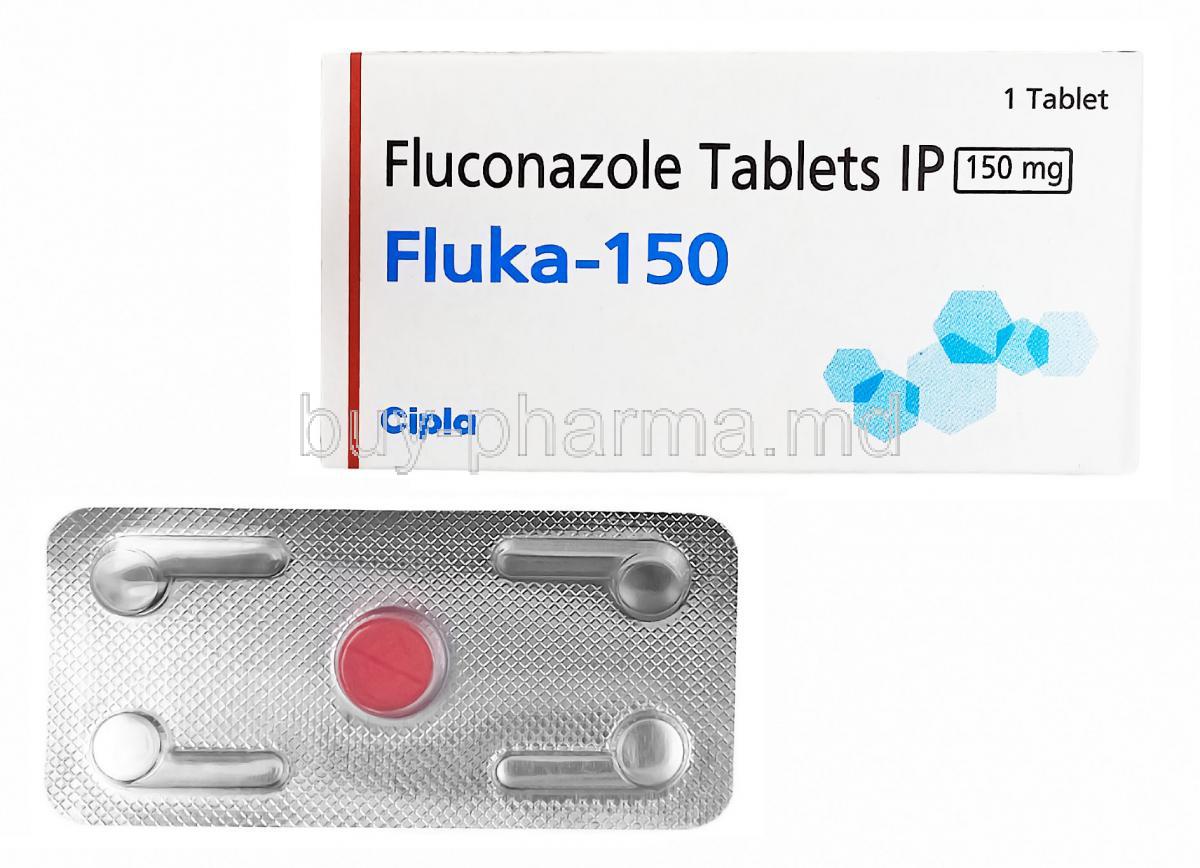
Fluka represents a branded formulation of fluconazole, offering consistent quality and therapeutic efficacy. Numerous generic equivalents are available globally, providing cost-effective alternatives while maintaining comparable bioavailability.
- Brand consistency ensures reliable dosing
- Generic fluconazole provides accessibility
- Interchangeability is generally accepted in clinical practice
1.3 Therapeutic Classification and Drug Class (Azole Antifungal)
Fluconazole belongs to the azole class of antifungal agents, specifically categorized as a triazole derivative. These compounds inhibit fungal cytochrome P450 enzymes, thereby disrupting essential biosynthetic pathways.
This class is distinguished by:
- Broad-spectrum antifungal activity
- Oral and intravenous administration options
- Reduced toxicity compared to earlier antifungal agents
1.4 Spectrum of Antifungal Activity
Fluconazole demonstrates efficacy against a wide range of fungal pathogens. Its activity encompasses both common and opportunistic organisms, particularly in immunocompromised individuals.
- Candida species: including Candida albicans and non-albicans strains
- Cryptococcus neoformans: especially in central nervous system infections
- Some dermatophytes: though less potent compared to other antifungals
2. Composition and Formulation Details
2.1 Active Ingredient: Fluconazole
The principal active component of Fluka is fluconazole, a synthetic triazole compound designed to inhibit fungal growth. Its molecular structure allows high water solubility, facilitating excellent systemic distribution.
2.2 Available Strengths and Dosage Forms
Fluka is available in multiple formulations to accommodate diverse clinical scenarios:
- Tablets and capsules for oral administration
- Oral suspension for pediatric or dysphagic patients
- Intravenous injection for severe or hospitalized cases
Common strengths include 50 mg, 100 mg, 150 mg, and 200 mg preparations.
2.3 Excipients and Inactive Components
In addition to fluconazole, formulations contain excipients that ապահով stability, absorption, and manufacturability. These may include lactose, starch derivatives, magnesium stearate, and buffering agents.
Such components are pharmacologically inert but essential for formulation integrity.
2.4 Packaging and Presentation
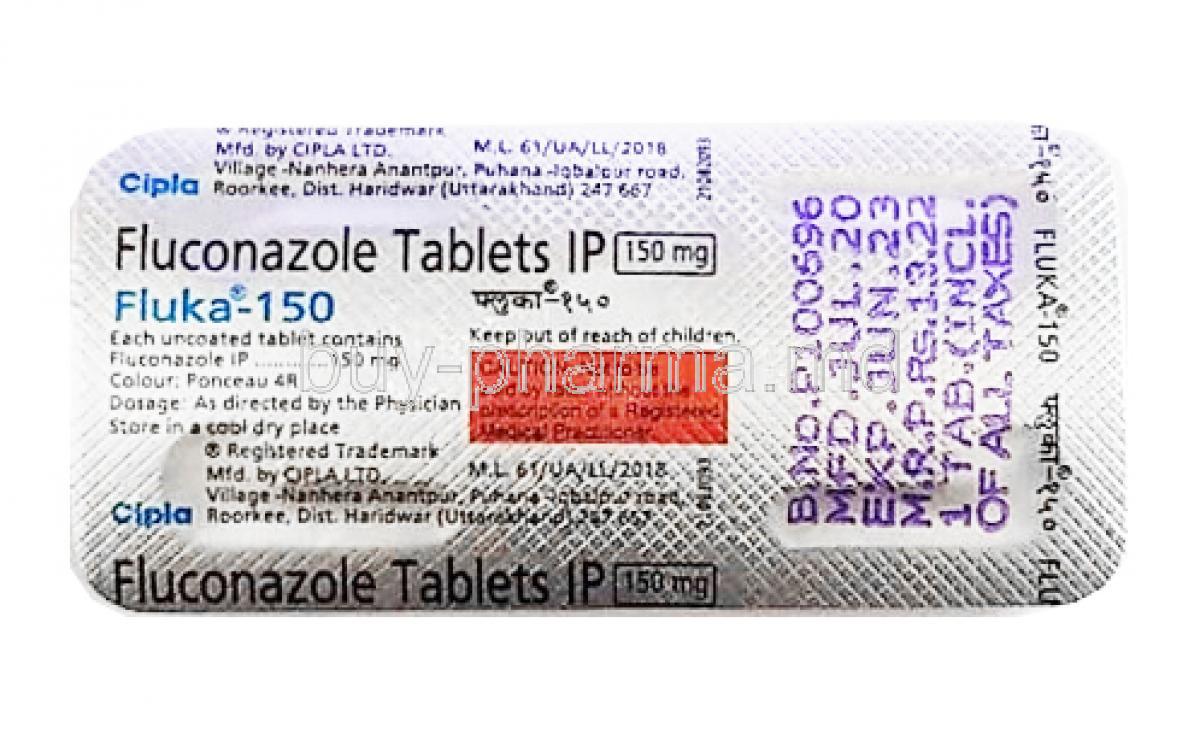
Fluka is typically supplied in blister packs, bottles, or vials depending on the dosage form. Packaging is designed to preserve drug stability and ensure accurate dosing.
3. Mechanism of Action: How Fluka (Fluconazole) Works
3.1 Inhibition of Fungal Ergosterol Synthesis
Fluconazole exerts its antifungal effect by inhibiting the enzyme lanosterol 14α-demethylase. This enzyme is critical for the synthesis of ergosterol, a fundamental component of fungal cell membranes.
3.2 Effect on Fungal Cell Membrane Integrity
By depleting ergosterol, fluconazole disrupts membrane structure and function. This leads to increased membrane permeability, impaired cellular processes, and eventual fungal cell death or growth inhibition.
3.3 Fungistatic vs Fungicidal Activity
Fluconazole is primarily fungistatic, meaning it inhibits fungal proliferation rather than directly killing the organism. However, at higher concentrations or in susceptible species, fungicidal activity may be observed.
3.4 Pharmacokinetics (Absorption, Distribution, Metabolism, Excretion)
Fluconazole is rapidly and almost completely absorbed following oral administration. It achieves high bioavailability, often exceeding 90%.
- Widely distributed in body fluids, including cerebrospinal fluid
- Minimal hepatic metabolism
- Primarily excreted unchanged via the kidneys
4. Approved Medical Uses of Fluconazole
4.1 Treatment of Vaginal Candidiasis (Yeast Infection)
Fluconazole is commonly prescribed as a single-dose oral therapy for vaginal yeast infections. It provides rapid symptom relief and high cure rates.
4.2 Oropharyngeal and Esophageal Candidiasis
It is effective in treating fungal infections of the mouth and esophagus, particularly in immunocompromised patients. Therapy duration may vary depending on severity.
4.3 Systemic Candidiasis (Candidemia, Disseminated Candidiasis)
Fluconazole plays a critical role in managing invasive candidiasis, including bloodstream infections. Intravenous formulations are often utilized in severe cases.
4.4 Cryptococcal Meningitis (Treatment and Maintenance)
It is a cornerstone therapy for cryptococcal meningitis, especially in patients with HIV/AIDS. Long-term maintenance therapy helps prevent recurrence.
4.5 Urinary Tract Infections Caused by Candida Species
Due to its renal excretion, fluconazole achieves high urinary concentrations, making it effective in fungal urinary tract infections.
4.6 Prophylaxis in Immunocompromised Patients
Fluconazole is widely used prophylactically in patients at high risk of fungal infections:
- HIV/AIDS patients
- Patients undergoing chemotherapy
- Organ transplant recipients
5. Expanded and Off-Label Uses of Fluconazole
5.1 Dermatophytosis (Ringworm, Athlete’s Foot, Jock Itch)
Although not first-line, fluconazole may be used in refractory dermatophyte infections. Oral therapy is considered when topical treatment fails.
5.2 Onychomycosis (Fungal Nail Infections)
Fluconazole is occasionally employed in nail infections, particularly when other systemic antifungals are contraindicated. Treatment is prolonged and requires adherence.
5.3 Seborrheic Dermatitis and Malassezia-Related Conditions
Its antifungal activity against Malassezia species supports its use in severe seborrheic dermatitis cases.
5.4 Fungal Acne (Malassezia Folliculitis)
Fluconazole may be prescribed for persistent fungal acne, particularly when topical agents are insufficient.
5.5 Prophylaxis in Intensive Care or High-Risk Surgical Patients
In critical care settings, fluconazole may be administered prophylactically to prevent invasive fungal infections.
5.6 Coccidioidomycosis and Histoplasmosis
Fluconazole has demonstrated utility in certain endemic fungal infections, particularly in long-term management scenarios.
5.7 Fungal Endocarditis (Adjunct Therapy)
While not a primary therapy, fluconazole may be used adjunctively in complex fungal endocarditis cases.
5.8 Recurrent Vaginal Candidiasis (Long-Term Suppressive Therapy)
For recurrent infections, extended regimens are often prescribed. Maintenance therapy can significantly reduce recurrence rates.
6. Dosage and Administration Guidelines
6.1 General Dosing Principles Based on Indication
Dosing varies significantly depending on the type and severity of infection. Individualization is essential.
fluconazole dose for skin infection adults
Adults—400 milligrams (mg) on the first day, followed by 200 mg once a day for at least 10 to 12 weeks.
6.2 Single-Dose vs Multiple-Dose Regimens
Certain conditions, such as vaginal candidiasis, require only a single dose. Others necessitate prolonged, multi-dose regimens.
6.3 Dose Adjustments in Renal Impairment
Since fluconazole is primarily excreted via the kidneys, dose adjustments are necessary in patients with renal dysfunction.
6.4 Administration with or without Food
Fluconazole can be administered regardless of meals, as food does not significantly affect its absorption.
6.5 Duration of Therapy for Different Infections
Treatment duration ranges from a single dose to several weeks or months. Adherence is critical for therapeutic success.
6.6 Missed Dose and Compliance Recommendations
If a dose is missed, it should be taken as soon as remembered. However, double dosing should be avoided. Consistent adherence enhances outcomes.
7. Side Effects of Fluconazole
7.1 Overview of Adverse Effects
Fluconazole is generally well tolerated. Nonetheless, adverse effects may occur, particularly with prolonged use.
7.2 Common Side Effects
- Nausea
- Headache
- Abdominal discomfort
- Diarrhea
7.3 Less Common Side Effects
- Skin rash
- Dizziness
- Elevated liver enzymes
7.4 Serious Adverse Reactions
Rare but severe reactions may include hepatotoxicity, cardiac arrhythmias, and severe dermatological conditions such as Stevens-Johnson syndrome.
7.5 Allergic and Hypersensitivity Reactions
Hypersensitivity reactions, though uncommon, require immediate discontinuation and medical attention.
8. Drug Interactions and Compatibility
8.1 Interaction with CYP450 Enzymes
Fluconazole inhibits cytochrome P450 enzymes, potentially altering the metabolism of concomitant medications.
8.2 Interactions with Anticoagulants (Warfarin)
Co-administration may enhance anticoagulant effects, increasing bleeding risk.
8.3 Interactions with Antidiabetic Drugs
Fluconazole may potentiate hypoglycemic effects, necessitating careful monitoring.
8.4 Interaction with Statins and Risk of Myopathy
Concurrent use with statins may increase the risk of muscle toxicity, including rhabdomyolysis.
8.5 Interaction with Immunosuppressants
Fluconazole can elevate levels of cyclosporine and tacrolimus, requiring dose adjustments.
8.6 Alcohol and Lifestyle Considerations
While not strictly contraindicated, alcohol consumption may exacerbate hepatic strain and should be minimized.
9. Warnings and Safety Considerations
9.1 Risk of Liver Toxicity and Monitoring Requirements
Regular monitoring of liver function is recommended, especially during prolonged therapy.
9.2 QT Interval Prolongation and Cardiac Risk
Fluconazole may prolong the QT interval, increasing the risk of arrhythmias in susceptible individuals.
9.3 Risk of Resistance with Prolonged Use
Inappropriate or extended use may promote antifungal resistance.
9.4 Use in Patients with Pre-existing Liver or Kidney Disease
Careful dose adjustment and monitoring are required in patients with organ dysfunction.
9.5 Risk of Severe Cutaneous Adverse Reactions
Serious skin reactions, although rare, necessitate immediate discontinuation of therapy.
10. Contraindications
10.1 Hypersensitivity to Fluconazole or Other Azoles
Patients with known hypersensitivity should avoid fluconazole use.
10.2 Concomitant Use with Certain QT-Prolonging Drugs
Concurrent administration with drugs that prolong the QT interval is contraindicated.
10.3 Patients with Known Cardiac Arrhythmias
Patients with pre-existing arrhythmias require careful risk assessment.
10.4 Severe Liver Dysfunction (Relative Contraindication)
Use in severe hepatic impairment should be approached with caution, balancing risks and benefits.
11. Careful Administration and Clinical Monitoring
11.1 Monitoring Liver Function During Treatment
Fluconazole therapy necessitates vigilant hepatic monitoring, particularly during prolonged administration. The drug is associated with elevations in liver enzymes, which may be asymptomatic yet clinically significant.
- Periodic assessment of ALT, AST, and bilirubin levels is recommended
- Discontinuation should be considered if marked hepatotoxicity develops
- Patients with pre-existing liver disease require intensified surveillance
Even subtle biochemical deviations should not be disregarded. Early detection mitigates severe hepatic complications.
11.2 Renal Function Monitoring and Dose Adjustment
Given that fluconazole is predominantly eliminated via renal excretion, renal function directly influences drug accumulation. Impaired clearance may lead to elevated systemic exposure.
- Creatinine clearance should guide dose adjustments
- Reduced dosing intervals may be necessary in renal impairment
- Monitoring is critical in elderly or critically ill patients
11.3 Monitoring for Drug Interactions in Polypharmacy
Polypharmacy introduces complexity in therapeutic management. Fluconazole’s inhibition of cytochrome P450 enzymes predisposes patients to clinically relevant drug interactions.
- Evaluate concomitant medications regularly
- Adjust dosages of interacting agents when necessary
- Monitor for unexpected pharmacodynamic effects
11.4 Observation for Signs of Treatment Failure or Resistance
Therapeutic failure may manifest as persistent or worsening infection despite appropriate dosing. Resistance, though less common, is an emerging concern.
- Assess clinical response within expected timeframes
- Consider microbiological reassessment if response is inadequate
- Escalate or modify therapy when resistance is suspected
11.5 Monitoring Electrolyte Balance
Electrolyte disturbances, particularly involving potassium and magnesium, may exacerbate cardiac risks such as QT prolongation. Monitoring is therefore prudent in high-risk populations.
12. Important Precautions Before and During Use
12.1 Completing the Full Course of Antifungal Therapy
Incomplete treatment can precipitate recurrence and foster antifungal resistance. Adherence to prescribed duration is imperative.
- Even if symptoms resolve early, therapy should continue
- Premature discontinuation compromises efficacy
12.2 Avoiding Self-Medication and Misuse
Unsupervised use of fluconazole may lead to inappropriate dosing or misdiagnosis. This is particularly relevant in conditions mimicking fungal infections.
Professional evaluation ensures accurate indication and optimal therapeutic outcomes.
12.3 Recognizing Early Signs of Adverse Effects
Patients should be educated to identify early manifestations of adverse reactions. Prompt reporting facilitates timely intervention.
- Persistent nausea or fatigue
- Skin eruptions or pruritus
- Unusual cardiac symptoms
12.4 Avoiding Alcohol and Hepatotoxic Substances
Concurrent exposure to hepatotoxic agents, including alcohol, may potentiate liver injury. Minimizing such exposures reduces cumulative hepatic burden.
12.5 Importance of Medical Supervision in Long-Term Use
Chronic administration requires periodic reassessment of risk-benefit balance. Medical supervision ensures safety and therapeutic appropriateness over time.
13. Administration in Special Populations
13.1 Administration to Elderly Patients
Elderly patients often exhibit altered pharmacokinetics due to physiological aging. Careful dose individualization is essential.
- Age-related decline in renal function necessitates dose adjustment
- Increased susceptibility to adverse reactions should be anticipated
Close monitoring enhances tolerability and minimizes complications.
13.2 Administration to Pregnant Women
The use of fluconazole during pregnancy requires meticulous evaluation of potential risks and benefits. High-dose or prolonged exposure has been associated with teratogenic effects.
- Use only when clearly needed
- Prefer alternative therapies when appropriate
Clinical discretion is paramount in such scenarios.
13.3 Administration to Nursing Mothers
Fluconazole is excreted into breast milk, albeit at relatively low concentrations. The potential impact on the nursing infant must be considered.
- Evaluate necessity of therapy
- Monitor infants for adverse effects if exposure occurs
13.4 Administration to Pediatric Patients
Pediatric dosing is determined by body weight and infection severity. The pharmacokinetic profile differs from adults, necessitating tailored regimens.
- Weight-based dosing ensures therapeutic precision
- Safety and efficacy have been established in various pediatric indications
14. Overdosage and Emergency Management
14.1 Symptoms of Fluconazole Overdose
Overdosage may result in exaggerated pharmacological effects. Neurological and gastrointestinal manifestations are most commonly observed.
- Hallucinations and altered mental status
- Nausea, vomiting, and abdominal discomfort
- Cardiac rhythm disturbances in severe cases
14.2 Supportive and Symptomatic Treatment
Management of overdose is primarily supportive. There is no specific antidote.
- Stabilization of vital signs
- Monitoring of cardiac and neurological status
- Correction of electrolyte imbalances
14.3 Role of Gastric Lavage and Activated Charcoal
In recent ingestion, gastrointestinal decontamination may be considered. Activated charcoal can reduce systemic absorption when administered promptly.
14.4 Dialysis Considerations
Fluconazole is dialyzable. Hemodialysis may significantly reduce plasma concentrations and can be considered in severe overdose cases.
15. Storage and Stability Information
15.1 Recommended Storage Conditions (Temperature, Humidity)
Fluconazole should be stored at controlled room temperature, typically between 20°C and 25°C. Excessive heat or humidity may compromise stability.
15.2 Protection from Light and Moisture
Exposure to light and moisture can degrade pharmaceutical integrity. Original packaging should be maintained to ensure protection.
15.3 Shelf Life and Expiry Considerations
Each formulation has a defined shelf life. Expired medications should not be used due to potential loss of potency or safety concerns.
15.4 Storage of Oral Suspension after Reconstitution
Reconstituted suspensions require specific storage conditions and limited usage duration. Refrigeration may be recommended depending on formulation.
16. Handling and Safety Precautions
16.1 Safe Handling of Tablets, Capsules, and Liquid Forms
Proper handling ensures medication integrity and reduces contamination risk. Tablets and capsules should be kept dry and intact until administration.
16.2 Precautions for Healthcare Professionals
Healthcare providers should adhere to standard precautions when handling medications. This includes avoiding unnecessary exposure and ensuring accurate dosing.
16.3 Disposal of Unused or Expired Medication
Unused or expired fluconazole should be disposed of in accordance with local regulations. Improper disposal may pose environmental risks.
16.4 Avoiding Contamination and Ensuring Proper Hygiene
Maintaining hygiene during administration is essential. Contamination can compromise therapeutic efficacy and patient safety.
- Wash hands before and after handling medication
- Use clean measuring devices for liquid formulations
- Avoid sharing medication between individuals
 Verified Purchase
Purchased for use w toenail fungus
As per instructions from dr friend, I have been taking this for toenail fungus. It has worked as expected, but needs to be monitored to avoid any liver issues.
It works as well as what I pay more for here in the US w/o rx insurance. I have ordered from this site repeatedly, and purchased this product repeatedly. I will continue to do so as long as I need to.
Verified Purchase
As expected
Shipment took a couple weeks, arrived in a package from overseas, and was totally as expected.
Verified Purchase
Fluconazole
Always great products!
Verified Purchase
Great Product
Been buying from them for years. Great person & company to deal with!
Fluka , Fluconazole FAQ
- What is FLUKA used for?
- Are FLUKA and fluconazole the same?
- Does FLUKA 150 cause sleepiness?
- Is FLUKA 150 a steroid?
- How to take fluka medicine?
- What should I avoid while taking Fluka 150?
- What are the side effects of the FLUKA Tablet?
- Can I take Fluka 150 weekly?
- What is the drug FLUKA used for?
- Is FLUKA 150 a steroid Tablet?
- What is fluconazole tablet Fluka 150 used for?
- Is 3 days of fluconazole enough?
- Are fluka and fluconazole the same?
- How many times should I take fluconazole 150?
- Is fluconazole a strong antibiotic?
- What is the best time to take fluconazole?
- What should I avoid while taking fluconazole?
- Can I take 2 fluconazole for yeast infection?
- How does FLUKA work?
- Can fluconazole damage kidneys?
- Which disease is cured by fluconazole?
- How many days will fluconazole take to work?
- Can I sleep after taking fluconazole?
- What not to eat after taking fluconazole?
- Who cannot take fluconazole?
- What organ is fluconazole hard on?
What is FLUKA used for?
Fluka 150 Capsule is a medicine that helps treat fungal infections. These infections can happen in different parts of the body, like the skin, blood, urinary tract, mouth, and throat. The capsule contains a special ingredient called fluconazole. This ingredient stops fungal cells from growing and eventually kills them, helping clear up the infection.
Are FLUKA and fluconazole the same?
Yes
Does FLUKA 150 cause sleepiness?
Yes
Is FLUKA 150 a steroid?
Fluka-150 Tablet is a type of medicine that helps fight off fungal infections. It's used to treat infections in different parts of the body, like the mouth, throat, vagina, skin, and nails.
How to take fluka medicine?
With a glass of water
What should I avoid while taking Fluka 150?
- pimozide
- quetiapine
- amisulpride
- haloperidol
- lithium orrisperidone
- escitalopram or venlafaxine
- erythromycin or clarithromycin
- ergotamine
What are the side effects of the FLUKA Tablet?
- Headache
- Diarrhea
- Nausea
- Stomachache
- Dizziness
Can I take Fluka 150 weekly?
Yes
What is the drug FLUKA used for?
Fluka 150 Capsule is a medicine that helps treat fungal infections. These infections can occur in different parts of the body, such as the skin, blood, urinary tract, mouth, and throat. The capsule contains a special ingredient called fluconazole. This ingredient stops fungal cells from growing and eventually kills them, which helps to clear up the infection.
Is FLUKA 150 a steroid Tablet?
No
What is fluconazole tablet Fluka 150 used for?
Fluka 150 Capsule is a medicine that helps treat fungal infections. These infections can happen in different parts of the body, like the skin, blood, urinary tract, mouth, and throat. The capsule contains a special ingredient called fluconazole. This ingredient stops fungal cells from growing and eventually kills them, helping clear up the infection.
Is 3 days of fluconazole enough?
No
Are fluka and fluconazole the same?
Yes
How many times should I take fluconazole 150?
You should take it once every 72 hours for the first 3 doses. After that, take 150mg once a week for 6 months.
Is fluconazole a strong antibiotic?
No
What is the best time to take fluconazole?
Anytime
What should I avoid while taking fluconazole?
- Adagrasib
- Flibanserin
- Lomitapide
- Lonafarnib
Can I take 2 fluconazole for yeast infection?
Yes
How does FLUKA work?
Fluconazole works by targeting and eliminating the fungi responsible for various infections throughout the body.
Can fluconazole damage kidneys?
Yes
Which disease is cured by fluconazole?
Candida and Cryptococcus
How many days will fluconazole take to work?
1-2 weeks
Can I sleep after taking fluconazole?
Yes
What not to eat after taking fluconazole?
- milk
- coffee
- grapefruit
Who cannot take fluconazole?
- allergic reaction
- arrhythmia
- kidney or liver problems
- porphyria
What organ is fluconazole hard on?
Liver
Customers also bought



Popular Products



Similar Product