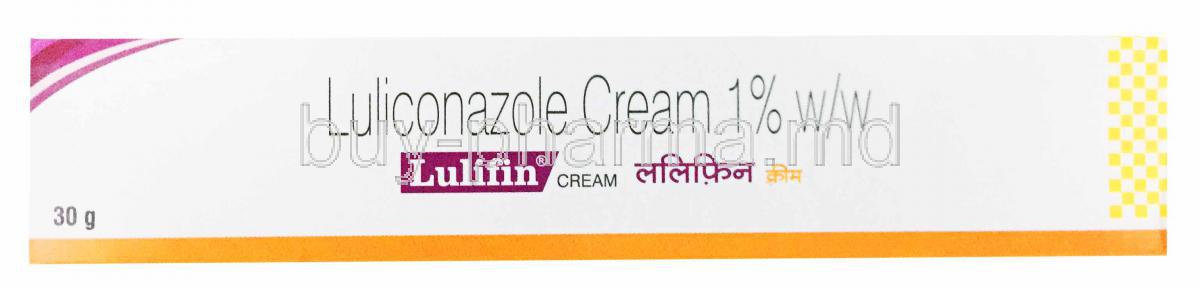

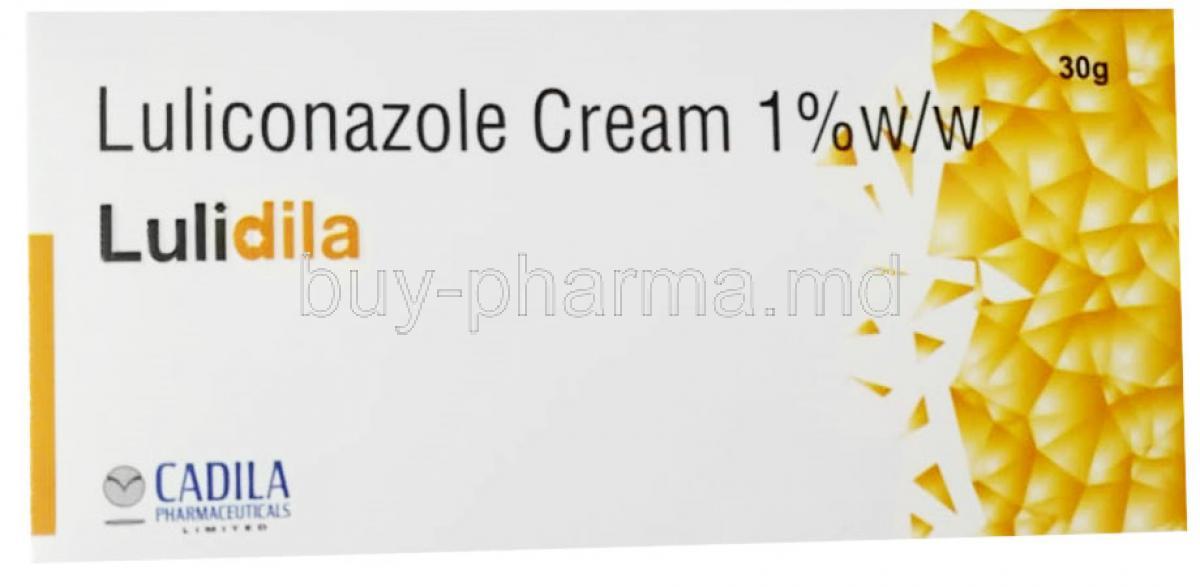
Luliconazole Cream
- 1. Introduction to Luliconazole Cream
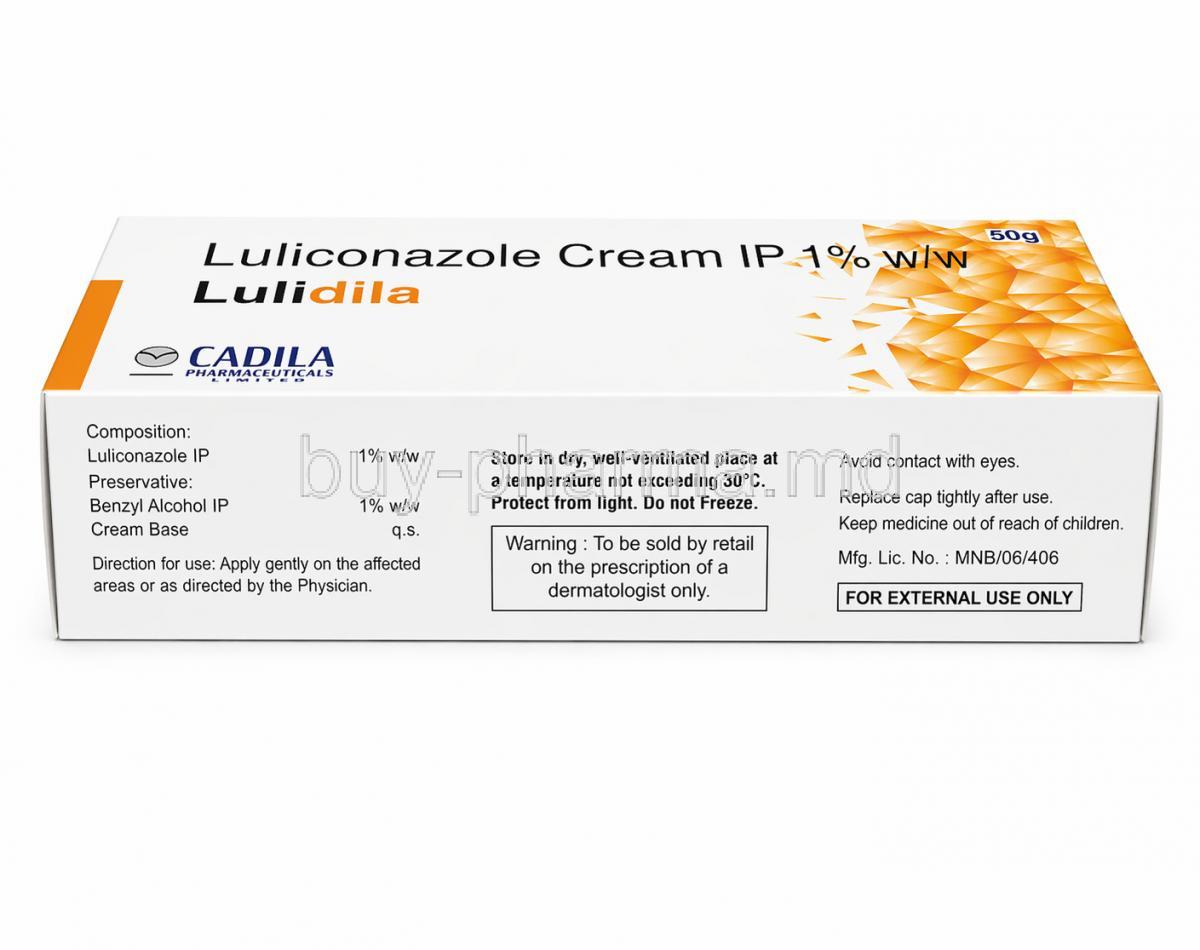
- 2. Composition and Pharmaceutical Profile
- 3. Luliconazole Mechanism of Action
- 4. Luliconazole Cream Uses
- 5. Off-Label Uses of Luliconazole Cream
- 6. Dosage and Administration
- 7. Administration to Special Populations
- 7.1 Administration to Elderly Patients
- 7.1.1 Skin Sensitivity and Age-Related Considerations
- 7.1.2 Dose Adjustments in Geriatric Use
- 7.2 Administration to Pregnant Women
- 7.2.1 Pregnancy Risk Classification
- 7.2.2 Use During Pregnancy: RiskâÂÂBenefit Assessment
- 7.3 Administration to Nursing Mothers
- 7.3.1 Potential for Systemic Absorption
- 7.3.2 Breastfeeding Safety Considerations
- 7.4 Administration to Children and Adolescents
- 7.4.1 Approved Pediatric Age Groups
- 7.4.2 Safety and Efficacy in Pediatric Dermatology
- 8. Luliconazole Side Effects
- 9. Common Side Effects
- 10. Less Common and Rare Adverse Effects
- 11. Drug Interactions
- 12. Warnings and Safety Information
- 13. Contraindications
- 14. Careful Administration and Important Precautions
- 15. Overdosage
- 16. Storage and Stability
- 17. Handling Precautions
1. Introduction to Luliconazole Cream
1.1 Overview of Luliconazole as a Topical Antifungal Agent
Luliconazole cream is a topical antifungal formulation developed for the management of superficial fungal skin infections. It is designed for direct application to affected areas, delivering targeted antifungal activity at the site of infection. Its rapid onset of action and short treatment duration distinguish it from many conventional antifungal agents. The formulation is particularly valued in dermatological practice for its ability to penetrate the stratum corneum efficiently while maintaining minimal systemic exposure.

1.2 Therapeutic Classification and Drug Category
Luliconazole belongs to the imidazole class of antifungal agents. Therapeutically, it is classified as a topical antifungal medication used primarily for dermatophytosis.
- Antifungal agent
- Imidazole derivative
- Topical dermatological preparation
1.3 Brief History and Clinical Development
Originally developed in Japan, luliconazole emerged from efforts to improve antifungal potency while reducing treatment duration. Clinical trials demonstrated strong activity against common dermatophytes, leading to its approval in multiple regions for topical use. Its development reflects advances in medicinal chemistry aimed at enhancing fungal selectivity and dermal retention.

1.4 Position of Luliconazole Among Modern Imidazole Antifungals
Among contemporary imidazole antifungals, luliconazole is recognized for its high lipophilicity and strong binding affinity to fungal enzymes. These attributes contribute to its sustained antifungal effect even after short courses of therapy.
2. Composition and Pharmaceutical Profile
2.1 Active Ingredient: Luliconazole
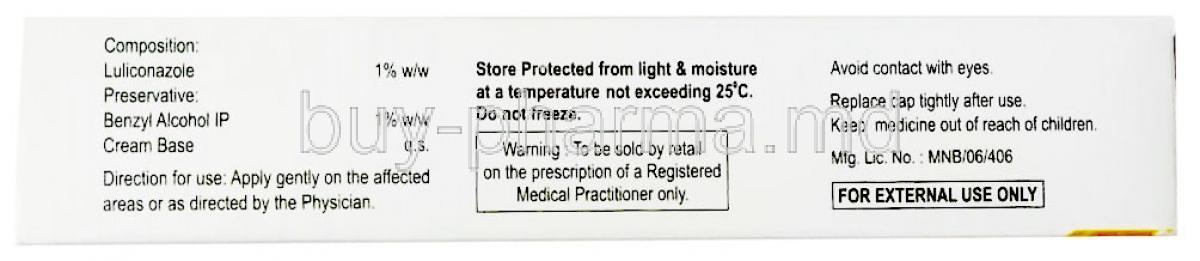
The active pharmaceutical ingredient is luliconazole, responsible for the antifungal action. It is present in a precisely measured concentration to ensure optimal efficacy with minimal irritation.
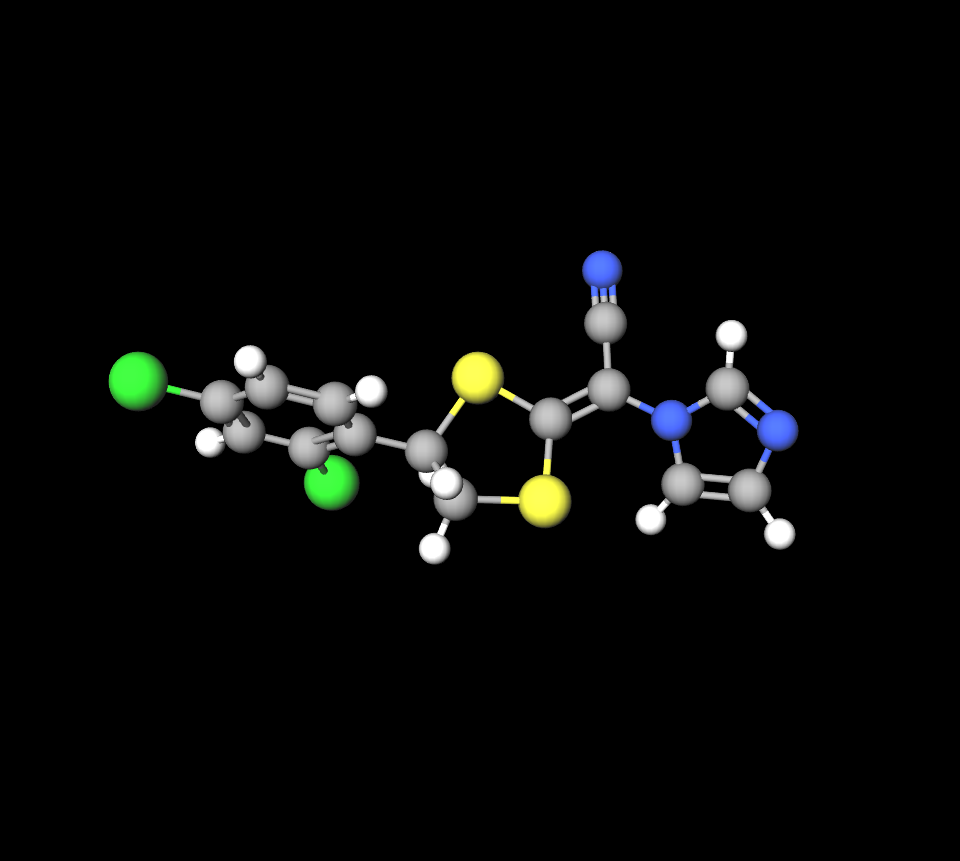
2.2 Chemical Structure and Imidazole Derivative Characteristics
Luliconazole is an imidazole derivative with a unique molecular configuration that enhances antifungal potency. Its chemical structure allows strong inhibition of fungal sterol synthesis while maintaining stability within topical formulations.
2.3 Inactive Ingredients and Formulation Excipients
The cream base contains excipients that support drug stability, uniform distribution, and skin penetration. These components also improve patient comfort and cosmetic acceptability.
- Emollients for smooth application
- Stabilizers to preserve potency
- Penetration enhancers
2.4 Available Strengths and Dosage Forms
Luliconazole is commonly available as a topical cream in standardized strengths suitable for once-daily application. Other dosage forms may exist depending on regional availability.
Luliconazole vs clotrimazole
Luliconazole (1%) is generally more effective and faster-acting than clotrimazole (1%) for treating dermatophytosis (skin fungus), offering higher cure rates and lower relapse, often within 1-2 weeks. While both are topical azole antifungals with similar safety profiles, luliconazole provides superior, often once-daily, fungicidal efficacy.
3. Luliconazole Mechanism of Action
3.1 Inhibition of Ergosterol Biosynthesis
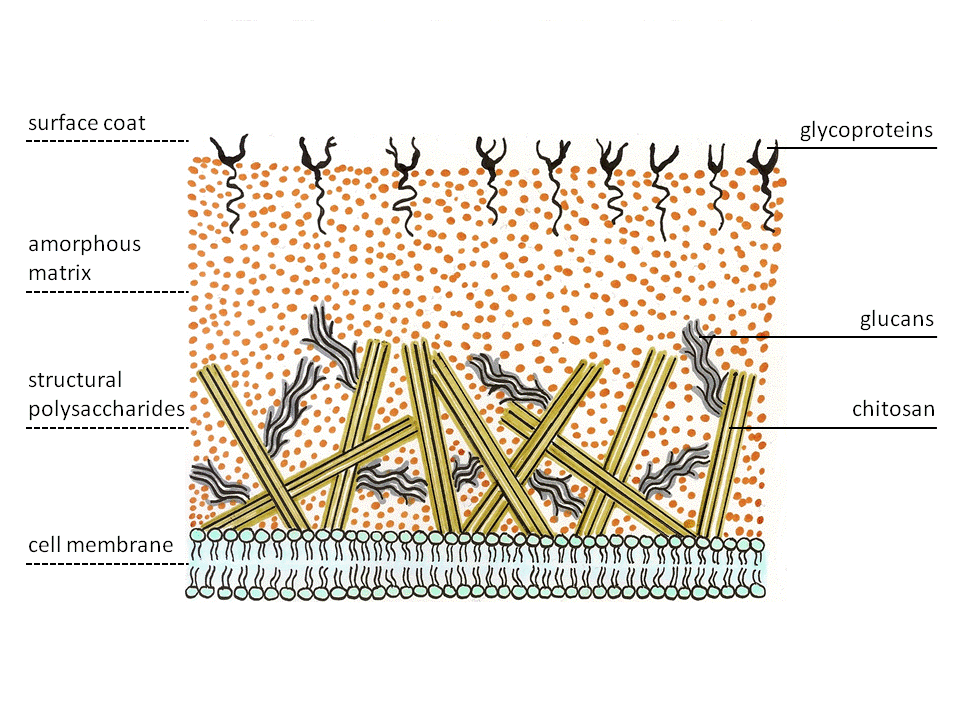
3.2 Effect on Fungal Cell Membrane Integrity
By disrupting ergosterol production, luliconazole compromises membrane integrity. The fungal cell becomes permeable, leading to metabolic dysfunction and growth inhibition.
3.3 Fungistatic vs Fungicidal Activity
The agent primarily exhibits fungistatic activity, halting fungal proliferation. At higher local concentrations, fungicidal effects may also be observed against susceptible organisms.
3.4 Spectrum of Antifungal Activity (Dermatophytes, Yeasts, Molds)
Luliconazole demonstrates activity against a broad range of fungi, including:
- Dermatophytes such as Trichophyton species
- Certain yeasts
- Selected filamentous fungi
4. Luliconazole Cream Uses
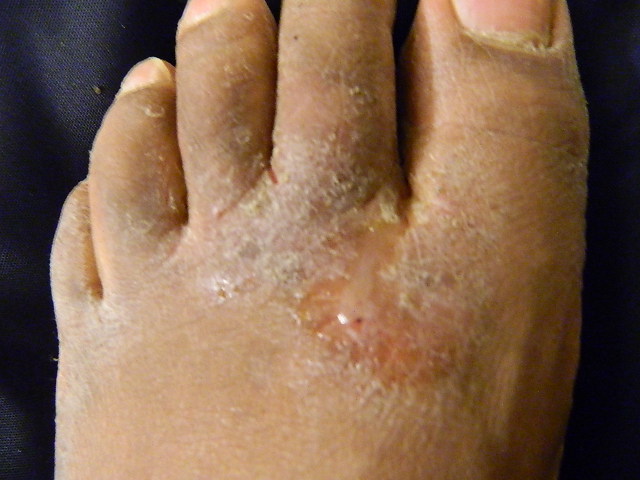
4.1 Treatment of Tinea Pedis (Athlete's Foot)
4.2 Treatment of Tinea Cruris (Jock Itch)
4.3 Treatment of Tinea Corporis (Ringworm of the Body)
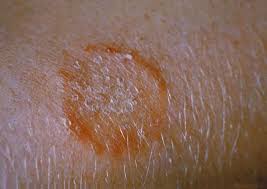
4.4 Use in Superficial Dermatophyte Infections
Luliconazole is indicated for various superficial dermatophyte infections limited to the skin's outer layers.
4.5 Role in Acute vs Chronic Fungal Skin Infections
In acute infections, rapid symptom relief is often observed. In chronic cases, consistent use supports gradual eradication and relapse prevention.
5. Off-Label Uses of Luliconazole Cream
5.1 Use in Cutaneous Candidiasis
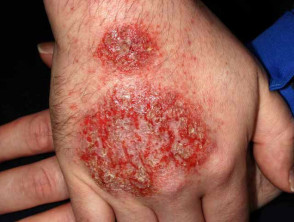
5.2 Use in Pityriasis Versicolor (Tinea Versicolor)
The cream may be applied to affected areas to suppress Malassezia species, aiding in lesion resolution.
5.3 Adjunctive Use in Mixed FungalâBacterial Skin Infections
When combined with appropriate antibacterial therapy, luliconazole can serve as an adjunct in mixed infections.
5.4 Use in Refractory or Recurrent Dermatophytosis
Its potent antifungal activity makes it a consideration in cases resistant to first-line topical agents.
5.5 Dermatological Use in Immunocompromised Patients (Clinical Judgment Required)
Use in immunocompromised individuals may be considered with careful monitoring due to altered skin defenses.
6. Dosage and Administration
6.1 Standard Recommended Dosage Regimens
Luliconazole cream is typically applied once daily to the affected area and surrounding skin.

6.2 Duration of Therapy for Different Fungal Conditions
Treatment duration varies by indication, often ranging from one to two weeks depending on infection type and severity.
6.3 Proper Method of Topical Application
- Apply the cream in a layer.
- Use the cream on sthe kin.
- Wash hands before and after use
- Avoid occlusive dressings unless directed
6.4 Importance of Completing the Full Treatment Course
Completing the prescribed course reduces the risk of recurrence and antifungal resistance.
6.5 Missed Dose Guidance
If a dose is missed, application should resume as soon as remembered, without doubling the next dose.
7. Administration to Special Populations
7.1 Administration to Elderly Patients
7.1.1 Skin Sensitivity and Age-Related Considerations
Elderly skin may be thinner and more sensitive, warranting gentle application and observation for irritation.

7.1.2 Dose Adjustments in Geriatric Use
No routine dosage adjustments are generally required in older adults.
7.2 Administration to Pregnant Women
7.2.1 Pregnancy Risk Classification
Data on use during pregnancy are limited, and topical use should be guided by medical evaluation.
7.2.2 Use During Pregnancy: RiskâBenefit Assessment
Treatment may be considered when potential benefits outweigh theoretical risks.
7.3 Administration to Nursing Mothers
7.3.1 Potential for Systemic Absorption
Systemic absorption is minimal, but caution is advised when applying near the breast area.

7.3.2 Breastfeeding Safety Considerations
Direct contact between treated skin and the infant should be avoided.
7.4 Administration to Children and Adolescents
7.4.1 Approved Pediatric Age Groups
Use in pediatric populations depends on regional approvals and clinical guidance.
7.4.2 Safety and Efficacy in Pediatric Dermatology
Clinical experience suggests good tolerability when used appropriately.
8. Luliconazole Side Effects
8.1 Overview of Adverse Reaction Profile
Luliconazole is generally well tolerated, with most adverse effects limited to the application site.
8.2 Local vs Systemic Side Effects
Systemic side effects are rare due to minimal absorption, while local reactions are typically mild and transient.
9. Common Side Effects
9.1 Application Site Irritation
Mild irritation may occur shortly after application.
9.2 Burning or Stinging Sensation
Some individuals experience transient burning or stinging.
9.3 Pruritus and Erythema
Itching and redness can occur, particularly in inflamed skin.
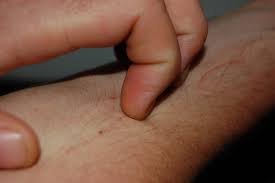
9.4 Dryness or Skin Peeling
Dryness or mild desquamation may be observed during treatment.
10. Less Common and Rare Adverse Effects
10.1 Allergic Contact Dermatitis
Rarely, hypersensitivity reactions manifesting as dermatitis may occur.
10.2 Severe Hypersensitivity Reactions
Severe allergic responses are uncommon but require immediate discontinuation and medical attention.
10.3 Worsening of Fungal Infection Due to Misuse
Improper or incomplete use may lead to persistence or worsening of infection.
11. Drug Interactions
11.1 Potential for Topical Drug Interactions
Luliconazole cream is associated with a low propensity for clinically significant drug interactions due to its topical route of administration and minimal systemic absorption. Nevertheless, interactions at the cutaneous level remain a consideration, particularly when multiple dermatological products are applied to the same anatomical site.
Concurrent application of agents with irritant properties may amplify local adverse reactions, such as erythema or burning.
11.2 Use with Other Topical Antifungals
Simultaneous use of luliconazole with other topical antifungal preparations is generally discouraged unless specifically indicated. Redundant therapy may:
- Increase the risk of skin irritation
- Complicate assessment of treatment efficacy
- Promote unnecessary polypharmacy
Sequential rather than concurrent antifungal therapy is often preferred in refractory cases.
11.3 Concomitant Use with Corticosteroid Creams
Combination use with topical corticosteroids may be employed in selected inflammatory fungal infections. However, indiscriminate use can mask clinical symptoms and delay fungal clearance.Careful timing and limited duration are recommended when corticosteroids are prescribed alongside antifungal therapy.
11.4 Systemic Drug Interaction Risk Assessment
Due to negligible systemic exposure, luliconazole does not meaningfully interact with orally or parenterally administered medications. Systemic pharmacokinetic interactions are therefore considered unlikely.
12. Warnings and Safety Information
12.1 Avoidance of Ophthalmic and Mucosal Contact
Luliconazole cream is intended strictly for external cutaneous use. Contact with the eyes, oral cavity, or other mucosal surfaces should be avoided to prevent irritation or injury.
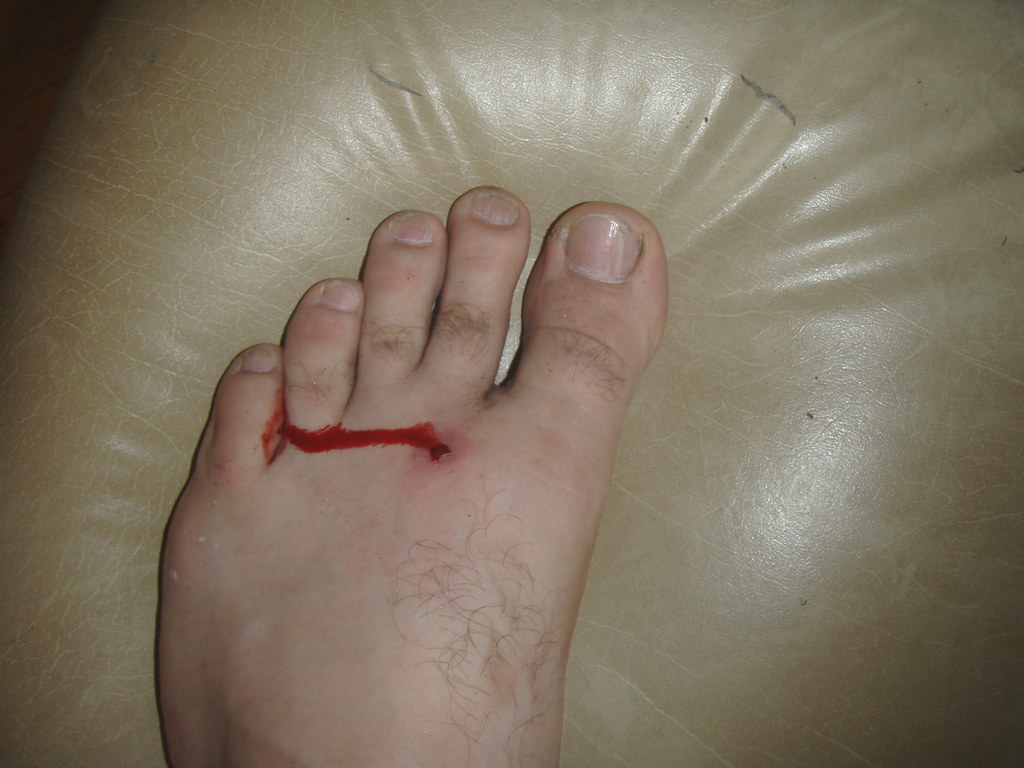
12.2 Use on Broken or Inflamed Skin
Application to open wounds, ulcerated skin, or severely inflamed areas may increase local absorption and irritation. In such circumstances, clinical evaluation is advised prior to use.
12.3 Risk of Secondary Infections with Prolonged Use
Extended or inappropriate use of topical antifungals may disrupt normal skin flora, potentially predisposing to secondary bacterial or non-susceptible fungal infections.
12.4 Discontinuation Criteria
Treatment should be discontinued if severe irritation, hypersensitivity reactions, or lack of clinical improvement is observed within the expected treatment period.
13. Contraindications
13.1 Known Hypersensitivity to Luliconazole
Luliconazole cream is contraindicated in individuals with a documented history of hypersensitivity to luliconazole or any component of the formulation.
13.2 Allergy to Imidazole Antifungal Agents
Patients with known allergies to imidazole derivatives should avoid use due to the potential for cross-reactivity.
13.3 Contraindicated Skin Conditions
Use is contraindicated in certain dermatological conditions where antifungal therapy is not indicated, including non-infectious inflammatory dermatoses.
14. Careful Administration and Important Precautions
14.1 Avoiding Occlusive Dressings Unless Directed
Occlusive dressings may enhance percutaneous absorption and increase the likelihood of adverse effects. Such use should only occur under medical direction.
14.2 Hygiene Measures to Prevent Reinfection
When I treat infections I see that the care goes beyond just taking the medicine. When I treat infections I also use hygiene steps. Preventive hygiene steps include: Keeping affected areas clean and dry Changing clothing and towels regularly Avoiding shared personal items
14.3 Preventing Antifungal Resistance
Adherence to prescribed treatment duration is essential to minimize the risk of incomplete fungal eradication and resistance development.
14.4 Monitoring Treatment Response
Clinical response should be monitored throughout therapy. Persistent or worsening symptoms may necessitate reassessment of diagnosis or treatment strategy.
15. Overdosage
15.1 Risk of Topical Overuse
Topical overuse is unlikely to result in systemic toxicity but may provoke exaggerated local adverse reactions.
15.2 Symptoms Associated with Excessive Application
Excessive application may lead to:
- Intensified burning or stinging
- Marked erythema
- Contact dermatitis
Accidental ingestion is rare. If it occurs, medical evaluation is recommended, particularly in pediatric cases.
16. Storage and Stability
16.1 Recommended Storage Conditions
Luliconazole cream should be stored according to manufacturer recommendations to maintain stability and efficacy.
16.2 Temperature and Light Protection
Storage at controlled room temperature, away from excessive heat and direct sunlight, is advised.
16.3 Shelf Life and Expiry Considerations
The product should not be used beyond its stated expiration date, as potency and safety cannot be assured thereafter.
16.4 Safe Storage Away from Children
All medications should be stored out of reach of children to prevent accidental exposure or ingestion.
17. Handling Precautions
17.1 Proper Handling Before and After Application
Hands should be washed thoroughly before and after applying luliconazole cream to prevent spread of infection.

17.2 Avoiding Cross-Contamination
The tube opening should not come into direct contact with infected skin to reduce contamination risk.
17.3 Disposal of Unused or Expired Product
Unused or expired cream should be disposed of in accordance with local pharmaceutical waste guidelines.
17.4 Patient Counseling on Safe Use
Patients should be counseled on correct application technique, adherence to therapy, and recognition of adverse reactions to ensure safe and effective use.
Luliconazole Cream FAQ
- What is luliconazole cream used for?
- How do I know if luliconazole is working?
- Is luliconazole better than clotrimazole?
- Can I use Luliconazole cream every day?
- How long does it take for Luliconazole to work?
- What are the side effects of Lulizol cream?
- What is stronger than luliconazole?
- Which is better ketoconazole or luliconazole?
- Is luliconazole powerful?
- What are the side effects of luliconazole?
- Which is better, fluconazole or luliconazole?
- What should I avoid while using luliconazole?
- How quickly does luliconazole cream work?
- Which is better clotrimazole or luliconazole?
- How do you apply luliconazole cream?
- Is luliconazole a steroid?
- Is luliconazole safe?
- Can I use ketoconazole and luliconazole together?
- What is the success rate of luliconazole cream?
- Can I apply luliconazole twice a day?
What is luliconazole cream used for?
Luliconazole cream is used to treat Ringworm of the body (tinea corporis); Ringworm of the foot between the toes (interdigital tinea pedis, athlete's foot); and Ringworm of the groin (tinea cruris, jock itch).
How do I know if luliconazole is working?
Symptoms should improve.
Is luliconazole better than clotrimazole?
Yes
Can I use Luliconazole cream every day?
Yes
How long does it take for Luliconazole to work?
1-2 weeks
What are the side effects of Lulizol cream?
- Burning sensation
- Redness
- Irritation
What is stronger than luliconazole?
Sertaconazole
Which is better ketoconazole or luliconazole?
Luliconazole
Is luliconazole powerful?
Yes
What are the side effects of luliconazole?
- Burning sensation
- Redness
- Irritation
Which is better, fluconazole or luliconazole?
Luliconazole
What should I avoid while using luliconazole?
Avoid getting this medicine in your eyes, mouth, or vagina.
How quickly does luliconazole cream work?
Few days
Which is better clotrimazole or luliconazole?
Cloritmazole
How do you apply luliconazole cream?
- Apply enough cream to cover the affected area and about 1 inch (2.5 centimeters) of the skin around it.
- Wash your hands after applying the medication.
Is luliconazole a steroid?
No
Is luliconazole safe?
Yes
Can I use ketoconazole and luliconazole together?
Yes
What is the success rate of luliconazole cream?
43%
Can I apply luliconazole twice a day?
Yes
Customers also bought
Popular Products
Similar Product