1. Introduction to Micogel Cream (Miconazole)
1.1 Overview of Micogel Cream and Its Therapeutic Role
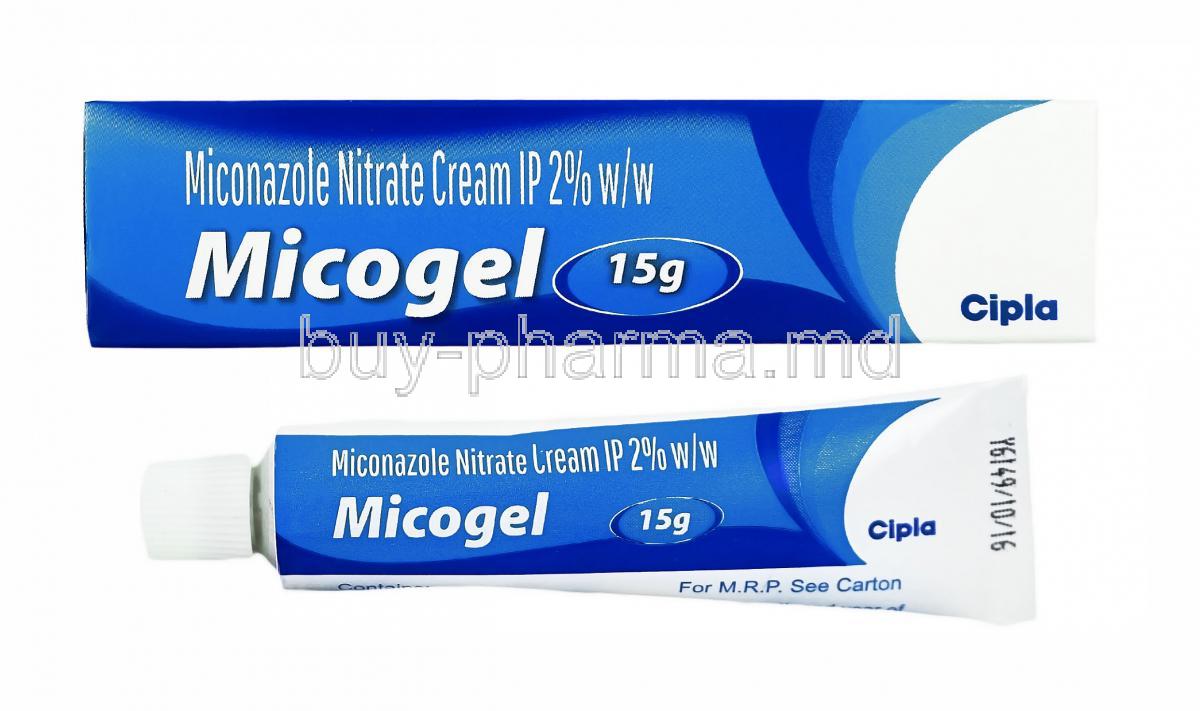
Micogel Cream is a topical antifungal formulation designed for the management of superficial mycotic infections. It is widely utilized in dermatological practice due to its efficacy, tolerability, and ease of application. The preparation acts locally, targeting pathogenic fungi directly at the site of infection, thereby minimizing systemic exposure.
Its therapeutic role encompasses:
- Eradication of fungal pathogens from the skin surface
- Alleviation of pruritus, erythema, and scaling
- Prevention of recurrence when used appropriately
1.2 What is Miconazole? Drug Class and Classification
Miconazole belongs to the imidazole class of antifungal agents. It exhibits fungistatic and fungicidal properties depending on concentration and organism susceptibility. As an azole derivative, it interferes with fungal sterol synthesis, rendering it indispensable in topical antifungal pharmacotherapy.
1.3 Key Benefits of Topical Antifungal Therapy
Topical antifungal therapy offers a targeted, localized approach. It is particularly advantageous in superficial infections where systemic therapy is unnecessary.
- Minimal systemic absorption
- Reduced risk of systemic adverse events
- Direct delivery to affected tissues
- Convenient application and patient compliance
1.4 Indications for Dermatological Use
Micogel Cream is indicated for a spectrum of dermatological conditions caused by fungi and yeasts. These include both acute and chronic infections, particularly those involving moist or occluded skin areas.
2. Composition and Formulation of Micogel Cream
2.1 Active Ingredient: Miconazole Nitrate – Concentration and Properties
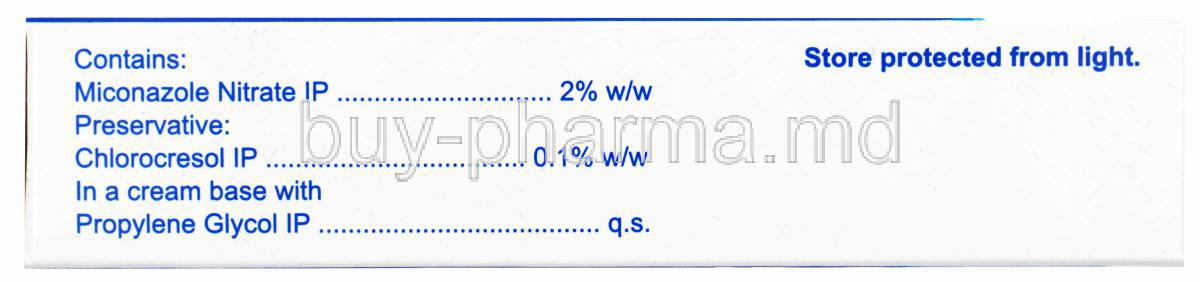
The primary active constituent is miconazole nitrate, typically present in a standardized concentration suitable for topical application. It exhibits potent antifungal activity against dermatophytes and Candida species while maintaining chemical stability within the formulation.
2.2 Inactive Ingredients and Their Functional Roles
Excipients within the formulation serve critical roles in ensuring stability, spreadability, and dermal absorption. These may include emulsifiers, stabilizers, and preservatives, each contributing to the pharmacotechnical integrity of the product.
2.3 Pharmaceutical Form: Cream Base and Absorption Characteristics
The cream base is designed to enhance dermal penetration without causing excessive occlusion. It allows for uniform distribution across affected areas while maintaining a non-greasy texture. Absorption is optimized for superficial layers, ensuring effective antifungal action.
2.4 Packaging, Strength Variations, and Availability
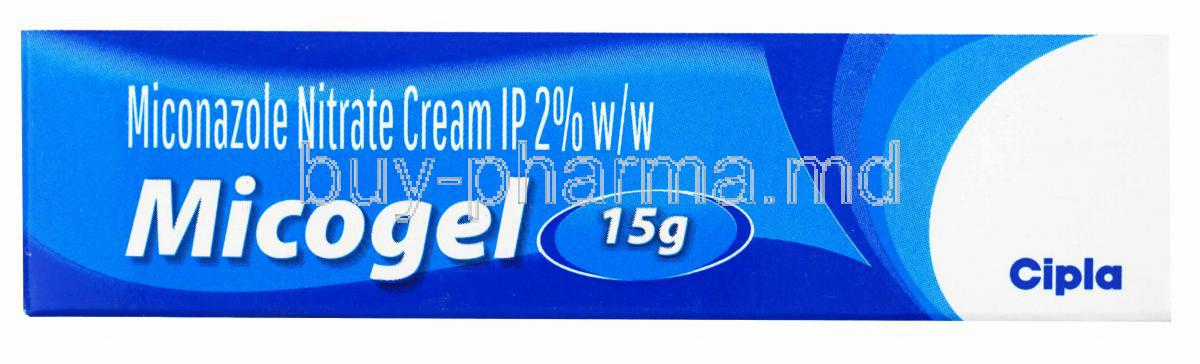
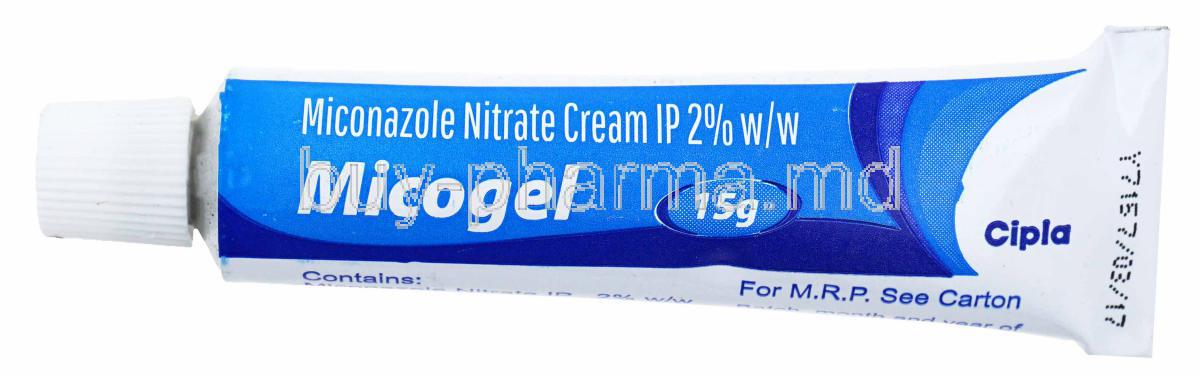
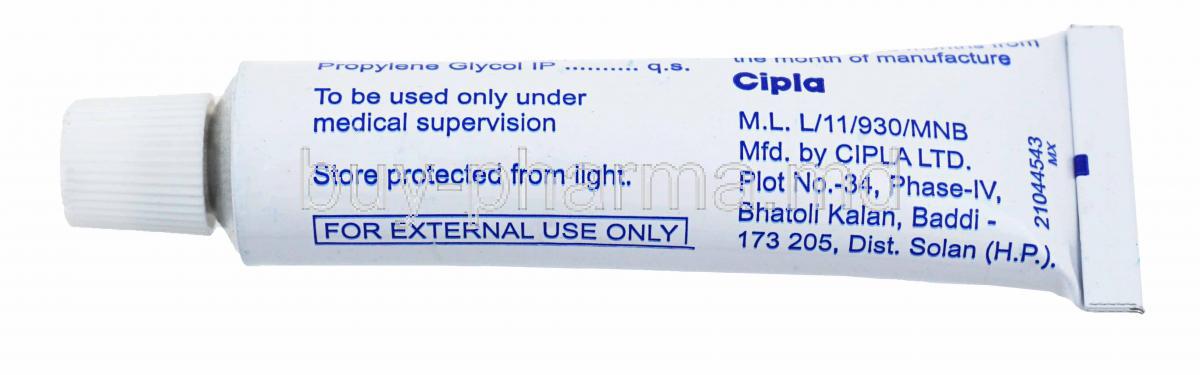
Micogel Cream is commonly available in tubes of varying sizes, catering to different treatment durations. Packaging ensures protection from environmental factors such as light and moisture, thereby preserving product efficacy.
Tioconazole vs miconazole
Tioconazole and miconazole are both effective antifungal medications for vaginal yeast infections, but they differ primarily in treatment duration and versatility. Tioconazole 6.5% ointment is usually a one-day, single-dose treatment, whereas miconazole 2% or 4% cream is often used over 3 to 7 days. Tioconazole is specifically for vaginal use, while miconazole treats various fungal infections.
Miconazole vs clotrimazole
Miconazole and clotrimazole are both highly effective, over-the-counter azole antifungals for treating yeast infections and skin fungal conditions (like athlete's foot). Miconazole may act faster with potential for fewer recurrences in vaginal infections, while clotrimazole is widely preferred for skin conditions and can have higher user satisfaction ratings
Tolnaftate vs miconazole
Miconazole (2%) and Tolnaftate (1%) are effective OTC antifungals, but differ in scope: Miconazole treats a broader range of infections, including yeast (Candida) and tinea, while tolnaftate is primarily for dermatophytes (athlete’s foot, jock itch). Miconazole may offer faster symptomatic relief and higher cure rates in some studies (68% vs. 50%).
3. Mechanism of Action: How Micogel Cream Works
3.1 Antifungal Activity Against Dermatophytes and Yeasts
Miconazole exhibits robust antifungal activity against a wide array of dermatophytes and yeast organisms. It disrupts fungal cell integrity, leading to growth inhibition and eventual cell death.
3.2 Inhibition of Ergosterol Synthesis in Fungal Cell Membranes
The drug inhibits the biosynthesis of ergosterol, an essential component of fungal cell membranes. This disruption compromises membrane permeability, resulting in leakage of intracellular constituents and fungal cell lysis.
3.3 Broad-Spectrum Activity Against Candida, Malassezia, and Other Fungi
Micogel Cream demonstrates broad-spectrum efficacy, making it suitable for mixed infections. It is particularly effective against:
- Candida species
- Malassezia furfur
- Common dermatophytes such as Trichophyton and Epidermophyton
3.4 Secondary Antibacterial Effects (Gram-Positive Coverage)
In addition to antifungal properties, miconazole exhibits activity against certain gram-positive bacteria. This ancillary effect can be beneficial in cases where secondary bacterial colonization is present.
4. Uses of Micogel Cream (Miconazole)
4.1 Treatment of Common Fungal Skin Infections
Micogel Cream is widely used in the treatment of superficial fungal infections affecting various body regions.
- Athlete’s Foot (Tinea Pedis): Reduces scaling, fissuring, and interdigital maceration
- Ringworm (Tinea Corporis): Clears annular lesions with central clearing
- Jock Itch (Tinea Cruris): Relieves itching and erythematous rash in groin areas
4.2 Treatment of Cutaneous Candidiasis
Cutaneous candidiasis often occurs in warm, moist environments. Micogel Cream effectively addresses such infections.
- Intertrigo in skin folds
- Diaper rash with fungal involvement
- Localized Candida infections
4.3 Management of Seborrheic Dermatitis and Dandruff (Topical Use)
The antifungal action against Malassezia species supports its use in seborrheic dermatitis. Regular application can reduce flaking, inflammation, and scalp irritation.
4.4 Treatment of Pityriasis Versicolor (Tinea Versicolor)
Micogel Cream helps restore normal skin pigmentation by eliminating the causative yeast responsible for discoloration patches.
4.5 Use in Superficial Fungal Nail and Skin Infections (Adjunct Therapy)
While not a primary treatment for nail infections, it may be used adjunctively to reduce fungal load in surrounding skin areas.
5. Off-Label Uses of Micogel Cream
5.1 Use in Mixed Bacterial-Fungal Skin Infections
Due to its dual antifungal and mild antibacterial activity, Micogel Cream may be employed in mixed infections under clinical guidance.
5.2 Adjunct Treatment for Acne with Fungal Component (Malassezia Folliculitis)
In cases of fungal acne, the cream may help reduce follicular inflammation and microbial proliferation.
5.3 Use in Angular Cheilitis (Fungal-Associated Lip Inflammation)
Application at the corners of the mouth may alleviate symptoms associated with Candida-related angular cheilitis.
5.4 Micogel cream for yeast infection
It may be used in localized yeast infections not explicitly listed, provided clinical assessment supports such use.
5.5 Use in Immunocompromised Patients for Prophylactic Skin Care
In immunocompromised individuals, prophylactic application may reduce the risk of opportunistic fungal infections.
6. Dosage and Administration Guidelines
6.1 Recommended Application Frequency and Duration
Typically applied once or twice daily, depending on severity. Consistency is essential for therapeutic success.
6.2 Proper Method of Application on Affected Areas
Clean and dry the affected area before application. Apply a thin layer and gently rub into the skin until absorbed.
6.3 Duration of Therapy for Different Conditions
Duration varies by condition:
- 2–4 weeks for dermatophyte infections
- 1–2 weeks for candidiasis
6.4 Missed Dose Instructions and Treatment Continuity
If a dose is missed, apply as soon as remembered. Do not double the application. Maintain a consistent regimen.
6.5 When to Discontinue or Seek Medical Advice
Discontinue use if severe irritation occurs or if no improvement is observed within the expected timeframe.
7. Miconazole Side Effects
7.1 Overview of Potential Adverse Reactions
Adverse reactions are generally mild and localized. Systemic effects are rare due to minimal absorption.
7.2 Common Side Effects
- Mild burning sensation
- Skin irritation
- Redness and itching
7.3 Less Common and Rare Side Effects
- Allergic contact dermatitis
- Swelling or severe irritation
7.4 Signs of Serious Hypersensitivity Reactions
Seek medical attention if symptoms such as extensive rash, swelling, or difficulty breathing occur.
8. Drug Interactions and Compatibility
8.1 Interaction with Other Topical Medications
Concurrent use with other topical agents may alter absorption or efficacy. Spacing applications is recommended.
8.2 Potential Systemic Interactions (Minimal but Notable)
Systemic interactions are rare but may occur in extensive or prolonged use scenarios.
8.3 Interaction with Corticosteroid Creams and Combination Therapy
Combination therapy may be used in inflammatory fungal infections, but should be guided by a healthcare professional.
8.4 Impact on Skin Barrier and Absorption of Other Agents
Alterations in skin integrity may influence the absorption of concurrently applied substances.
9. Warnings and Safety Considerations
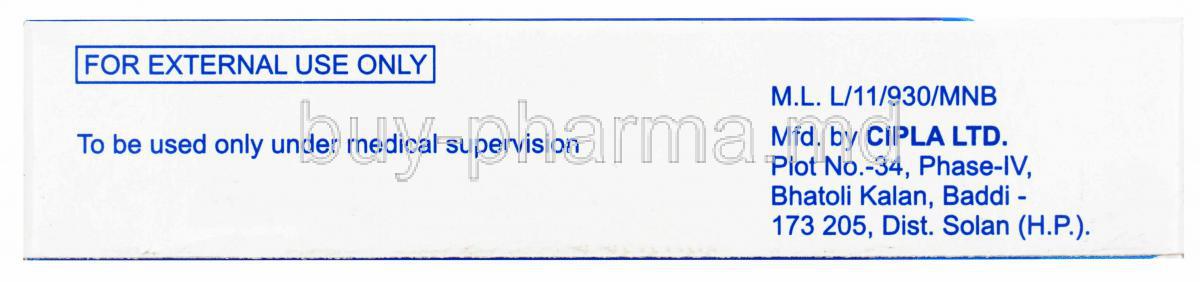
9.1 External Use Only – Avoiding Eyes, Mouth, and Mucous Membranes
Micogel Cream is intended strictly for external application. Contact with sensitive mucosal areas should be avoided.
9.2 Risk of Prolonged Use and Resistance Development
Excessive or inappropriate use may contribute to reduced susceptibility of fungal organisms.
9.3 Use on Broken or Inflamed Skin
Use with caution on compromised skin, as absorption may be enhanced and irritation may occur.
9.4 Risk of Misdiagnosis and Incorrect Self-Treatment
Accurate diagnosis is essential. Misuse in non-fungal conditions may delay appropriate treatment.
10. Contraindications
10.1 Hypersensitivity to Miconazole or Imidazole Antifungals
Patients with known hypersensitivity should avoid use to prevent adverse reactions.
10.2 Known Allergy to Cream Components or Excipients
Allergic reactions to inactive ingredients may also occur and should be considered.
10.3 Severe Skin Reactions to Topical Antifungal Agents
History of severe dermatological reactions warrants caution or avoidance of therapy.
11. Careful Administration (Use with Caution)
11.1 Patients with Sensitive Skin or Dermatological Conditions
Individuals with sensitive or reactive skin may exhibit heightened susceptibility to topical agents. Micogel Cream, while generally well-tolerated, should be introduced cautiously in such patients. A preliminary patch test may be advisable. Subtle erythema, transient burning, or pruritic sensations can occur, particularly in compromised epidermal barriers.
- Initiate with minimal application
- Observe for localized irritation
- Avoid application on severely inflamed dermatoses
11.2 Use in Large Surface Areas or Occlusive Dressings
Application over extensive body surfaces or under occlusive dressings may augment systemic absorption. Although rare, this can potentiate unwanted effects. Occlusion increases hydration and permeability of the stratum corneum, thereby intensifying drug penetration.
- Limit use on large affected areas unless directed
- Avoid airtight bandaging unless clinically indicated
- Monitor for unusual skin reactions
11.3 Patients with Chronic or Recurrent Fungal Infections
Recalcitrant or recurrent infections may signify underlying predisposing factors such as immunosuppression, diabetes, or poor hygiene. In such cases, monotherapy may be insufficient. A comprehensive evaluation is often warranted.
Persistent fungal colonization may require:
- Extended treatment duration
- Adjunct systemic antifungal therapy
- Addressing environmental or behavioral triggers
11.4 Monitoring for Secondary Infections
Secondary bacterial infections may supervene in areas of fungal involvement. Vigilance is essential. Signs such as increased exudation, pustulation, or worsening inflammation necessitate prompt reassessment.
12. Important Precautions for Use
12.1 Maintaining Hygiene and Preventing Reinfection
Effective management extends beyond pharmacotherapy. Hygienic practices are indispensable in preventing recurrence. Cleanliness mitigates fungal proliferation and transmission.
- Wash affected areas regularly and thoroughly dry them
- Use breathable fabrics to reduce moisture retention
- Maintain overall skin integrity
12.2 Avoiding Sharing Personal Items (Towels, Clothing)
Fungal infections are often contagious. Shared personal items can act as vectors of transmission. Avoiding communal use of towels, garments, or grooming tools is imperative.
12.3 Completing Full Course of Treatment
Premature discontinuation may lead to incomplete eradication and relapse. Even when symptoms abate, fungal elements may persist microscopically. Adherence to the prescribed duration ensures optimal outcomes.
12.4 Avoiding Cosmetic Products on Treated Areas
Cosmetic formulations may interfere with drug absorption or exacerbate irritation. Occlusive or fragranced products should be avoided during treatment to preserve therapeutic efficacy.
12.5 Proper Storage and Handling During Treatment
Maintaining the integrity of the formulation is essential. Improper storage may compromise potency and stability. Always secure the cap tightly after use and avoid exposure to adverse environmental conditions.
13. Administration to Special Populations
13.1 Administration to Elderly Patients
Elderly individuals often present with altered skin physiology, including thinning of the epidermis and reduced barrier function. These changes may predispose to increased sensitivity.
- Skin Sensitivity Considerations: Monitor for dryness, irritation, or fragility
- Monitoring for Irritation: Regular inspection of treated areas is recommended
13.2 Administration to Pregnant Women and Nursing Mothers
Topical miconazole is generally associated with minimal systemic absorption, rendering it relatively safe when used appropriately. Nonetheless, prudence is advised.
- Safety Profile During Pregnancy: Use only if clearly needed and under medical guidance
- Topical Use and Minimal Systemic Absorption: Limits fetal exposure
- Breastfeeding Considerations: Avoid application near the breast area to prevent infant ingestion
13.3 Administration to Children
Pediatric use requires careful supervision. Children possess a higher surface-area-to-body-weight ratio, potentially increasing absorption.
- Safe Use in Pediatric Populations: Generally well-tolerated when used as directed
- Dosage Adjustments and Supervision: Apply sparingly under caregiver oversight
- Use in Diaper Rash with Fungal Infection: Effective in candidal diaper dermatitis when used appropriately
14. Overdosage and Misuse
14.1 Risk of Excessive Topical Application
Excessive application does not enhance efficacy. Instead, it may increase the likelihood of irritation or sensitization. A judicious amount is sufficient to achieve therapeutic benefit.
14.2 Symptoms of Overuse or Accidental Ingestion
Overuse may result in localized adverse reactions such as erythema, burning, or desquamation. Accidental ingestion, although uncommon, may lead to gastrointestinal discomfort.
14.3 Recommended Actions in Case of Overdose
In cases of excessive application, discontinue use temporarily and cleanse the affected area. Symptomatic management is usually sufficient.
- Rinse thoroughly with water
- Avoid reapplication until irritation subsides
- Consult a healthcare professional if symptoms persist
14.4 When to Seek Medical Attention
Medical evaluation is warranted if severe reactions occur or if accidental ingestion leads to systemic symptoms. Prompt intervention ensures patient safety.
15. Storage Instructions
15.1 Ideal Storage Temperature and Conditions
Store Micogel Cream at controlled room temperature. Avoid extreme fluctuations, as they may destabilize the formulation.
15.2 Protection from Heat, Moisture, and Direct Sunlight
Exposure to heat and humidity can degrade active components. Keep the product in a cool, dry place, away from direct sunlight.
15.3 Keeping Out of Reach of Children
To prevent accidental ingestion or misuse, the product should be stored securely, inaccessible to children.
15.4 Shelf Life and Expiry Considerations
Adhere strictly to the expiry date indicated on the packaging. Expired products may exhibit reduced potency and compromised safety.
16. Handling Precautions
16.1 Safe Handling and Application Practices
Apply with clean hands or appropriate applicators. Avoid cross-contamination between affected and unaffected areas.
16.2 Avoiding Contamination of the Tube or Container
Do not touch the nozzle directly to the skin. This minimizes microbial contamination and preserves product sterility.
16.3 Proper Disposal of Unused or Expired Product
Dispose of unused or expired cream in accordance with local pharmaceutical waste regulations. Do not discard in wastewater systems.
16.4 Hygiene Measures Post-Application
After application, hands should be washed thoroughly unless they are the treatment site. Maintaining post-application hygiene prevents inadvertent spread of infection.
Micogel Cream, Miconazole FAQ
Customers also bought
Popular Products
Similar Product