1. Introduction to Milza (Milnacipran Hydrochloride)
1.1 Overview of Milza as a Serotonin–Norepinephrine Reuptake Inhibitor (SNRI)
Milza, containing milnacipran hydrochloride, belongs to the pharmacological family known as serotonin–norepinephrine reuptake inhibitors. It exerts a distinctive dual modulation of neurotransmitters, intensifying neurochemical equilibrium within the central nervous system. This effect strengthens emotional resilience and pain regulation.
The medication is frequently selected due to its balanced influence on mood and somatic symptoms. Its clinical utility extends across regions where chronic pain and affective disorders require long-term management.
1.2 Medical classification and regulatory background
Milza is classified as a centrally acting SNRI with both psychotropic and analgesic properties. Regulations vary across global markets, with some jurisdictions approving it specifically for psychiatric conditions while others focus on its analgesic potential in fibromyalgia. Its approval pathway emphasizes its safety profile and its refined efficacy in dual neurotransmitter modulation.
1.3 Conditions Milza is prescribed for worldwide
Milza is utilized across diverse therapeutic domains:
- Major depressive disorder
- Fibromyalgia and related chronic pain syndromes
- Persistent fatigue and mood dysregulation
Its versatility makes it a prominent choice in managing interconnected emotional and somatic manifestations.
1.4 Comparison with other SNRIs and antidepressants
Milnacipran exhibits a stronger norepinephrine reuptake inhibition compared with other SNRIs. This differentiates it from agents such as duloxetine or venlafaxine, which concentrate more heavily on serotonergic pathways. Consequently, Milza may deliver enhanced improvements in fatigue, cognitive clarity, and physical discomfort associated with depressive or pain-related disorders.
2. Uses of Milza
2.1 Approved uses in various regions
2.1.1 Major depressive disorder (MDD)
Milza is indicated for major depressive disorder, assisting in restoring cognitive vitality, emotional stability, and functional capability. Patients treated with milnacipran may experience notable improvements in psychomotor activation and mood recalibration.
2.1.2 Fibromyalgia management (where approved)
In regions that recognize milnacipran for fibromyalgia, it is prescribed to attenuate widespread musculoskeletal pain, fatigue, and sensory hypersensitivity. It may improve daily functioning through steady modulation of central pain pathways.
2.1.3 Chronic musculoskeletal pain symptoms
Milza may help reduce chronic pain arising from musculoskeletal tension or central sensitivity disorders. This includes diffuse pain states that do not respond well to conventional analgesics.
2.2 Off-label uses of Milnacipran
2.2.1 Anxiety disorders and generalized anxiety symptoms
Milnacipran may be utilized for persistent anxiety symptoms, especially when comorbid with chronic fatigue or depressive features. It helps reduce autonomic overstimulation and excessive worry.
2.2.2 Neuropathic pain syndromes
Patients with nerve-related discomfort may gain relief due to milnacipran’s modulation of pain signal amplification.
2.2.3 Chronic fatigue syndrome
This medication may enhance stamina, reduce exhaustion, and stabilize mood elements contributing to chronic fatigue syndrome.
2.2.4 ADHD adjunctive therapy
In select cases, milnacipran may support executive functioning or attention modulation when used alongside standard ADHD therapies.
2.2.5 Premenstrual dysphoric disorder (PMDD)
Some clinicians use milnacipran to reduce irritability, fatigue, and somatic sensitivity associated with PMDD.
3. How Milza (Milnacipran) Works
3.1 Mechanism of action as a dual SNRI
Milza inhibits the reuptake of serotonin and norepinephrine, intensifying neurotransmitter concentrations within synaptic spaces. This dual action enhances mood regulation and modulates pain signaling networks.
3.2 Effects on serotonin vs. norepinephrine reuptake inhibition
Milnacipran demonstrates a higher affinity for norepinephrine modulation, making it unique among SNRIs. Its action strengthens alertness, reduces fatigue, and contributes to improved physical energy.
3.3 Impact on mood, pain signaling, and fatigue
By recalibrating neural circuits linked to emotional balance and nociception, Milza helps diminish persistent pain and emotional distress. Patients often report:
- Improved emotional steadiness
- Enhanced physical vitality
- Reduced pain hypersensitivity
3.4 Onset of therapeutic effect and expected timelines
Mood improvements may appear within 1–2 weeks, while pain reduction may require 3–6 weeks. Full therapeutic benefits often become apparent with consistent dosing.
4. Composition and Formulation
4.1 Active ingredient: Milnacipran Hydrochloride
The core component is milnacipran hydrochloride, a selective SNRI with potent bioactivity in pain and mood pathways.
4.2 Available dosage strengths and capsule/tablet forms
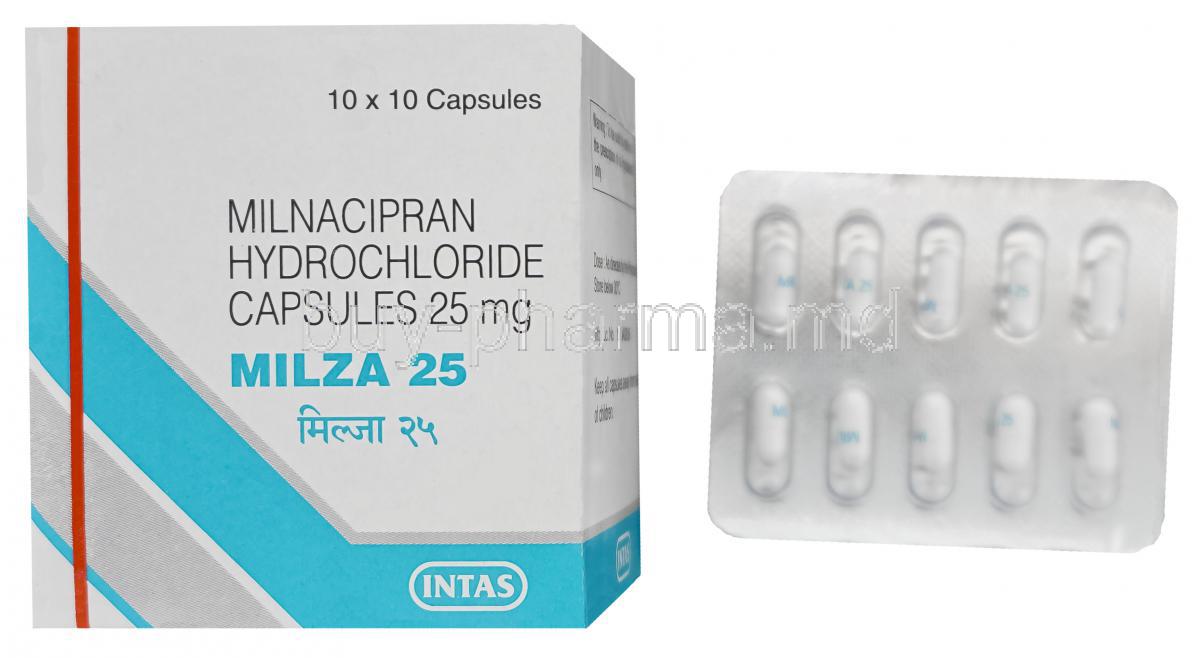
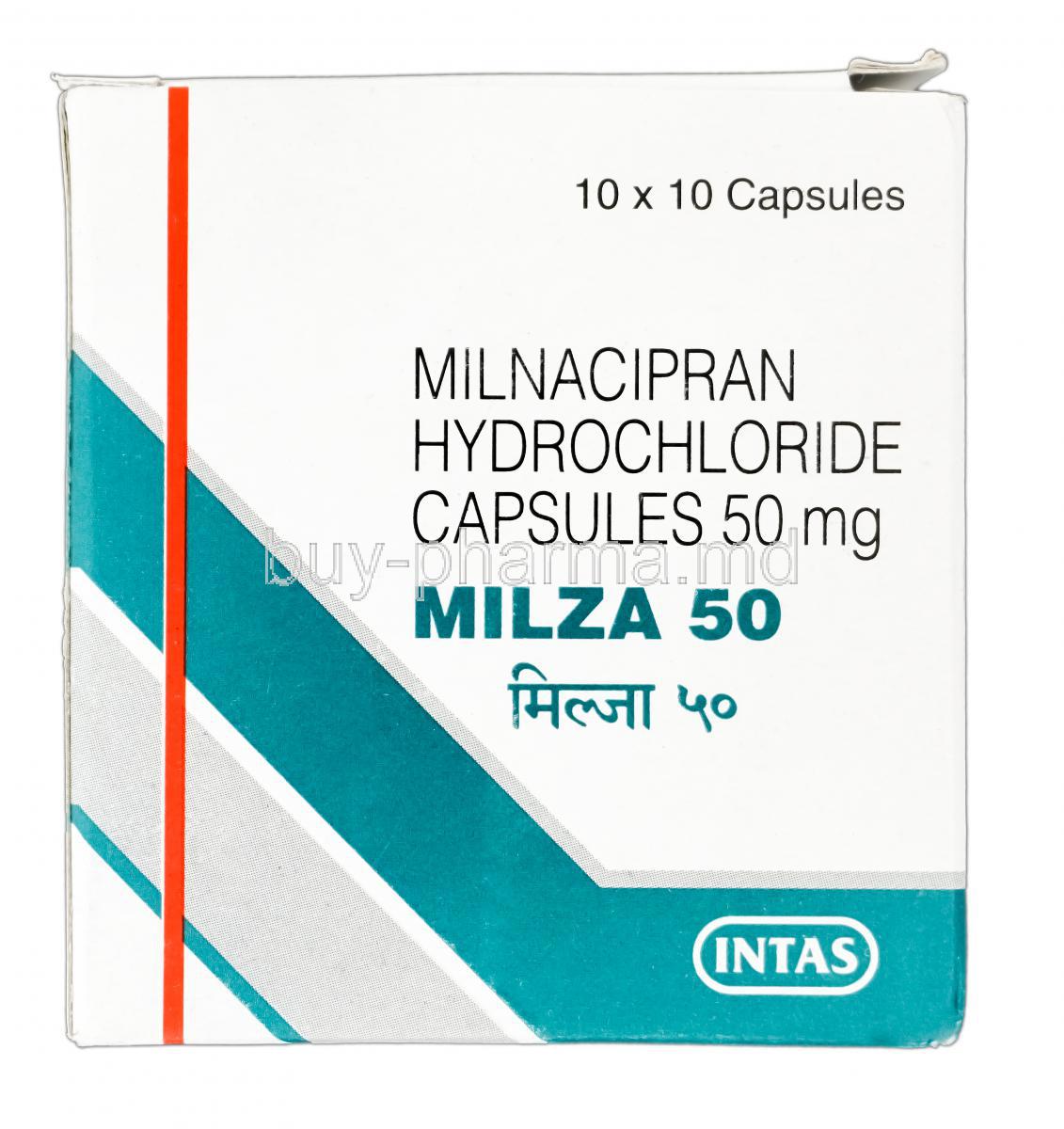
Milza is manufactured in multiple strengths, typically presented as film-coated tablets or capsules designed for oral administration.
4.3 Inactive excipients and their pharmacological relevance
Excipients may include microcrystalline cellulose, magnesium stearate, and stabilizing agents. These elements ensure tablet integrity, appropriate dissolution, and consistent absorption.
4.4 Bioavailability and pharmacokinetic profile overview
Milnacipran displays high oral bioavailability, minimal hepatic metabolism, and predominant renal excretion. Its steady pharmacokinetics contribute to reliable therapeutic outcomes.
5. Dosage and Administration
5.1 Standard dosing guidelines for major depressive disorder
Therapy commonly begins with a low dose to minimize adverse reactions, gradually increasing to the therapeutic range. Clinicians tailor dosing based on individual response.
5.2 Dosing regimen for fibromyalgia (where indicated)
The regimen often involves twice-daily dosing, titrated slowly to limit nausea or autonomic side effects.
5.3 Titration schedule to reduce adverse reactions
- Begin with a reduced starting dose
- Increase incrementally every several days
- Monitor closely for tolerability issues
5.4 Missed dose instructions and re-titration guidance
If a dose is missed, it should be taken promptly unless it is close to the next scheduled dose. Double dosing should be avoided. After extended interruptions, re-titration may be required.
5.5 Maximum daily dosage and dose-limiting considerations
Therapeutic ceilings exist to prevent excessive norepinephrine stimulation, cardiovascular strain, or serotonergic overload.
5.6 Administration tips for optimal absorption and tolerability
Milza may be taken with or without food, but maintaining a consistent schedule supports stable plasma levels. Hydration and avoidance of alcohol may further improve tolerability.
6. Side Effects of Milza
6.1 Overview of safety and tolerability
Milza is generally well tolerated, though autonomic and gastrointestinal reactions may occur. Most side effects diminish with acclimation.
6.2 Common side effects
6.2.1 Nausea, vomiting, and digestive discomfort
Gastrointestinal distress may appear early in therapy but typically subsides with continued use.
6.2.2 Headache and dizziness
Central nervous system adaptation may cause transient dizziness or headaches.
6.2.3 Palpitations or increased heart rate
Sympathetic activation may lead to mild tachycardia in some individuals.
6.2.4 Sweating, flushing, and thermoregulation changes
Altered heat regulation may lead to intermittent sweating or flushing episodes.
6.2.5 Insomnia or sleep disturbances
Increased norepinephrine activity may disturb normal sleep patterns, especially during early treatment.
6.3 Less common side effects
6.3.1 Urinary retention or urinary hesitancy
Some individuals may experience difficulty initiating urination due to autonomic effects.
6.3.2 Vision changes
Blurred vision or visual strain can occur, though usually temporarily.
6.3.3 Increased blood pressure
Norepinephrine potentiation may elevate blood pressure in susceptible patients.
6.3.4 Sexual dysfunction
Libido changes or anorgasmia may arise due to serotonergic modulation.
6.4 Severe adverse reactions
6.4.1 Serotonin syndrome risk
Combining Milza with other serotonergic agents may trigger serotonin syndrome, a medical emergency.
6.4.2 Hypertensive crisis
Excessive noradrenergic stimulation can result in dangerous spikes in blood pressure.
6.4.3 Severe allergic reactions (angioedema, anaphylaxis)
Rare but serious allergic responses may require urgent intervention.
7. Important Precautions
7.1 Monitoring of blood pressure and heart rate
Regular cardiovascular monitoring is recommended, particularly during dose escalation.
7.2 Caution in patients with cardiovascular disease
Individuals with cardiac conditions may exhibit heightened sensitivity to norepinephrine effects.
7.3 Awareness of mood changes or suicidal ideation
Close observation is essential, especially at treatment initiation or dose changes.
7.4 Risks of abrupt discontinuation and withdrawal symptoms
Sudden cessation may result in dizziness, irritability, or flu-like symptoms.
7.5 Interactions with alcohol and CNS depressants
Alcohol or sedating medications may intensify dizziness or cognitive impairment.
8. Drug Interactions
8.1 Serotonergic medications (SSRIs, SNRIs, MAOIs, triptans)
Concurrent use increases the risk of serotonergic toxicity.
8.2 Drugs affecting blood pressure or heart rate
Milza may potentiate or antagonize the effects of antihypertensives or stimulants.
8.3 Migraine medications and stimulant drugs
Triptans and stimulants may elevate the risk of cardiovascular or serotonergic complications.
8.4 Herbal and dietary supplements (St. John’s wort, SAM-e)
These supplements may intensify serotonergic activity and lead to adverse reactions.
8.5 Interaction with antihistamines, opioids, and sedatives
Concomitant use may enhance sedation or cognitive slowing.
9. Contraindications
9.1 Absolute contraindications
9.1.1 Use with Monoamine Oxidase Inhibitors (MAOIs)
Combination can cause severe hypertensive or serotonergic reactions.
9.1.2 Uncontrolled hypertension
Milnacipran may elevate cardiovascular strain beyond safe limits.
9.1.3 Known hypersensitivity to milnacipran
Individuals with previous allergic reactions should not use this medication.
9.2 Relative contraindications
9.2.1 Severe renal impairment
Reduced renal clearance may increase drug accumulation and toxicity risk.
9.2.2 Recent cardiovascular events
Patients with recent myocardial or vascular events may require alternative treatment.
10. Careful Administration
10.1 Patients with renal dysfunction
Milza requires cautious use in individuals with impaired renal function, as milnacipran undergoes significant renal excretion. Reduced filtration rates may elevate serum concentrations, prolonging exposure and intensifying adverse reactions. Dose modifications may be considered to prevent accumulation.
- Monitor renal parameters at regular intervals.
- Evaluate for signs of central nervous system overstimulation or autonomic imbalance.
- Adjust dosing gradually to maintain therapeutic equilibrium.
10.2 Patients with hepatic impairment
Although hepatic metabolism plays a lesser role in milnacipran clearance compared with other SNRIs, individuals with hepatic compromise must be observed carefully. Even modest hepatic stress may modify drug processing, affecting tolerability.
Patients displaying hepatic enzyme elevation or chronic liver disease should undergo periodic monitoring to mitigate risk.
10.3 Patients with glaucoma or urinary retention
Milza may exacerbate narrow-angle glaucoma or precipitate urinary hesitancy due to its noradrenergic influence. These effects may be subtle initially but can intensify over time.
- Monitor for visual blurring, ocular pain, or halo vision.
- Assess urinary flow, especially in older men or those with prostate enlargement.
10.4 Patients with bipolar disorder or mania history
SNRIs may precipitate manic or hypomanic episodes in susceptible individuals. Any prior history of mood elevation, impulsive behavior, or manic traits necessitates vigilant supervision.
Clinicians often evaluate:
- Baseline mood stability
- Emergence of accelerated speech, irritability, or excessive energy
- Co-therapy requirements with mood stabilizers
10.5 Interaction risk in patients taking multiple psychotropic medications
Polypharmacy increases the potential for pharmacodynamic and pharmacokinetic interaction. Milza’s serotonergic and noradrenergic effects can intensify when combined with antidepressants, anxiolytics, antipsychotics, or analgesics carrying central activity.
Regular medication reviews help prevent excessive neurotransmitter enhancement or unintended cardiovascular effects.
11. Administration in Special Populations
11.1 Use in elderly patients
11.1.1 Dosing adjustments
Elderly individuals often require individualized dosing due to reduced renal efficiency and increased sensitivity to neurochemical modulation. Lower initial doses, followed by cautious titration, may optimize symptom control while minimizing adverse reactions.
11.1.2 Increased cardiovascular monitoring
Age-related vascular changes heighten the significance of monitoring blood pressure and heart rate. Milza may provoke sympathetic activation, necessitating periodic cardiovascular assessments.
11.1.3 Enhanced sensitivity to side effects
Elderly patients frequently report more vivid side effects such as dizziness, agitation, or sleep disruption. These phenomena may interfere with mobility and cognition. Enhanced surveillance is recommended at each stage of treatment.
11.2 Use in pregnant women
11.2.1 Potential fetal risks
Limited data exist on milnacipran exposure during pregnancy. Potential fetal risks may include neonatal adaptation symptoms or unpredictable neurobehavioral effects. As a precaution, clinicians weigh the benefits against theoretical risks.
11.2.2 Recommendations for use during pregnancy
Therapy is generally reserved for cases where maternal health would deteriorate without treatment. Stable dosing, consistent monitoring, and collaboration between obstetric and psychiatric specialists are often recommended.
11.2.3 Considerations in preconception planning
Individuals planning pregnancy may require medication reevaluation. Gradual dose reduction or substitution with agents possessing more extensive safety data may be considered.
11.3 Use in nursing mothers
11.3.1 Excretion into breast milk
Milnacipran may be excreted into breast milk in small quantities. Although clinical consequences are uncertain, caution is advised.
11.3.2 Infant monitoring recommendations
- Observe for feeding difficulties.
- Monitor for irritability or altered sleep cycles.
- Consult healthcare providers if unusual symptoms arise.
11.4 Use in children
11.4.1 Lack of established safety
Safety and efficacy data for pediatric use are limited. Milza is generally not recommended for children due to insufficient evidence supporting its risk-benefit profile.
11.4.2 Potential risks in pediatric populations
Children may experience heightened sensitivity to serotonergic and noradrenergic effects, increasing the likelihood of agitation, cardiovascular fluctuations, or behavioral changes.
12. Overdosage
12.1 Symptoms of overdose: cardiovascular and neurologic signs
Excessive consumption of Milza can provoke significant autonomic and neurological disturbances. Symptoms may include:
- Severe hypertension or tachycardia
- Profound dizziness or confusion
- Tremors, agitation, or seizures
12.2 Emergency response and first-aid measures
Immediate medical intervention is essential. Emergency protocols may involve gastric decontamination, supportive care, and stabilization of vital signs. Rapid triage enhances outcomes.
12.3 Hospital treatment options and monitoring requirements
Hospital management may include intravenous fluids, cardiovascular stabilizers, and continuous monitoring of cardiac rhythm. Neuropsychiatric evaluation and repeated laboratory assessments help guide further treatment.
12.4 Long-term recovery considerations
Recovery depends on the severity of the overdose and the timeliness of treatment. Some individuals may require ongoing evaluation for cognitive, psychiatric, or cardiovascular aftereffects.
13. Storage and Handling Precautions
13.1 Ideal storage temperature and humidity conditions
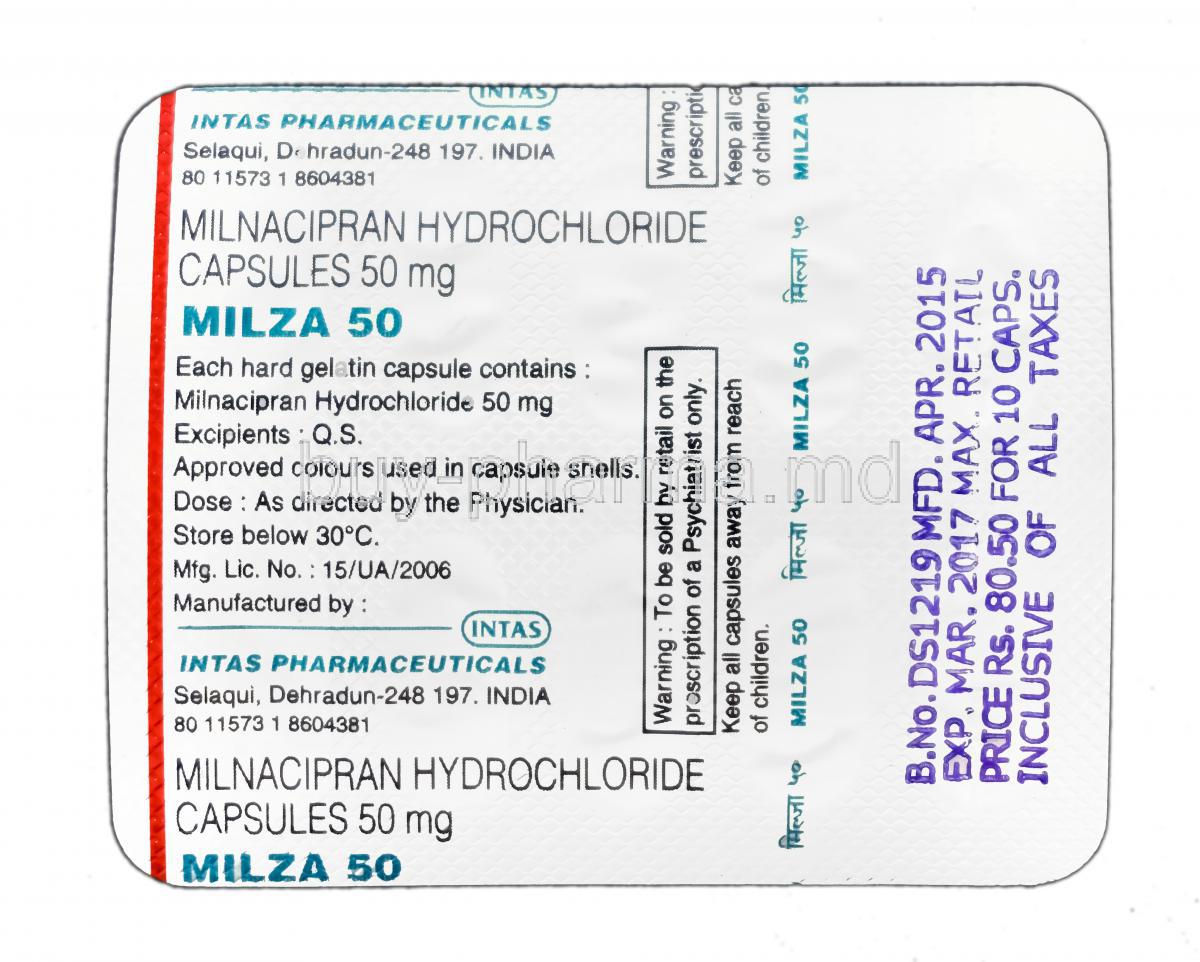
Milza should be stored below excessive heat and humidity. A stable environment—typically below 25°C—helps preserve the medication’s potency and structural integrity.
13.2 Protection from light and moisture
Tablets or capsules should remain sealed until use, protected from direct light and dampness to prevent degradation.
13.3 Safe handling instructions for caregivers
Caregivers should handle tablets with clean, dry hands and avoid crushing unless advised. Accidental exposure to mucous membranes should be minimized.
13.4 Proper disposal of unused or expired medication
Unused or expired tablets should be disposed of through approved medication disposal programs. They should not be thrown into household trash or wastewater systems.
14. Patient Guidance and Counseling Points
14.1 What patients should know before starting therapy
Patients beginning Milza should understand its purpose, expected effects, and potential risks. Open communication with healthcare professionals ensures smooth therapy initiation.
14.2 Expected therapeutic benefits and timelines
Some individuals experience mood enhancement within one to two weeks, while improvements in physical symptoms may take longer. Consistency is crucial for optimal results.
- Gradual symptom improvement
- Enhanced emotional balance
- Reduced fatigue or pain sensitivity
14.3 When to contact a healthcare provider
Patients should seek medical advice if they develop unusual agitation, severe dizziness, chest discomfort, or worsening depressive symptoms. Timely intervention helps prevent complications.
14.4 Lifestyle considerations while taking Milza
Healthy routines optimize therapeutic outcomes. Balanced nutrition, hydration, sleep hygiene, and avoidance of alcohol enhance the body’s resilience during treatment.
Stress-reducing practices such as meditation or gentle physical activity may also support overall well-being.
9.2.3 Unstable thyroid disease
Thyroid dysregulation can intensify mood and autonomic symptoms.





Milza, Milnacipran Hydrochloride FAQ
- What is Milza 50mg used for?
- What is Milza 25 used for?
- Is milnacipran used for depression?
- What is milnacipran hydrochloride used for?
- What are the common side effects of milnacipran?
- Does milnacipran help with sleep?
- How does milnacipran affect the brain?
- How effective is milnacipran?
- How long does it take for milnacipran to work?
- Is milnacipran an antidepressant?
- What are the side effects of milnacipran?
- What are the benefits of milnacipran?
- Does milnacipran help with sleep?
What is Milza 50mg used for?
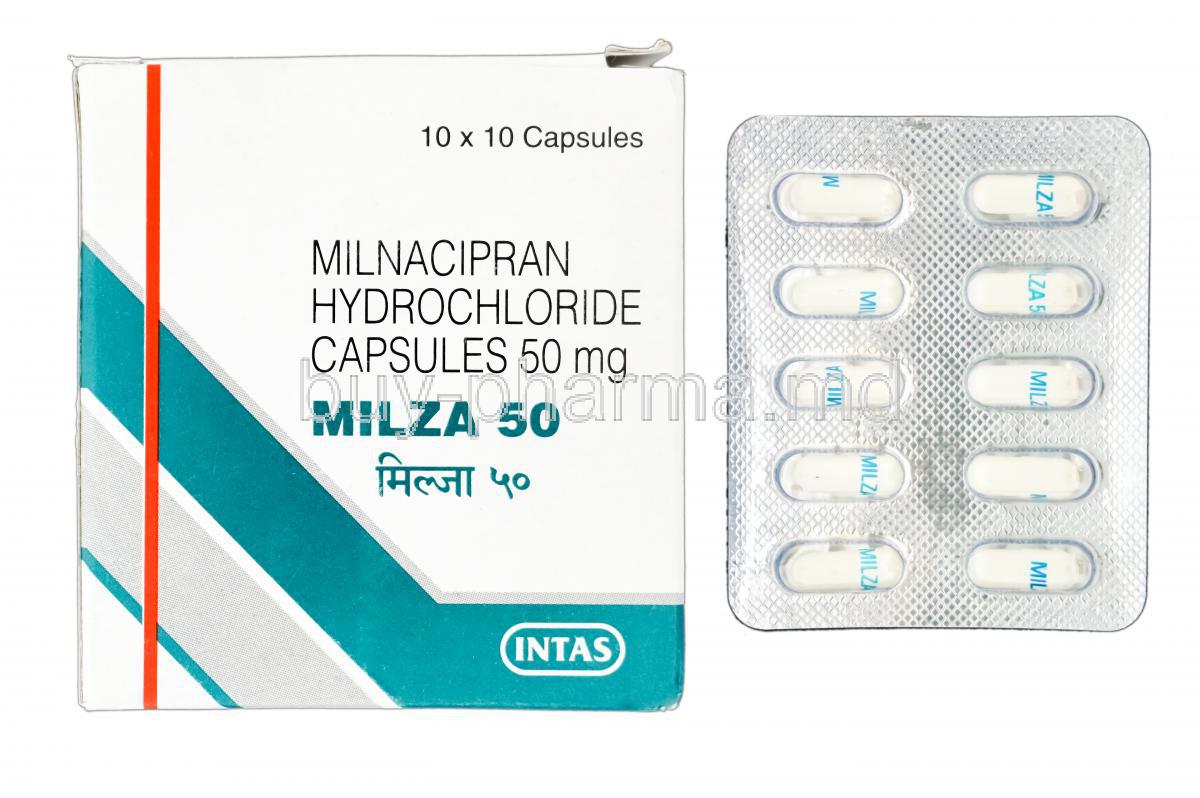
Milza 50mg Capsule is a prescription medication used for treating fibromyalgia, a condition characterized by widespread pain and tenderness in the body, and depression. By boosting levels of chemical messengers like serotonin and noradrenaline, this drug helps facilitate faster recovery from these conditions.
What is Milza 25 used for?
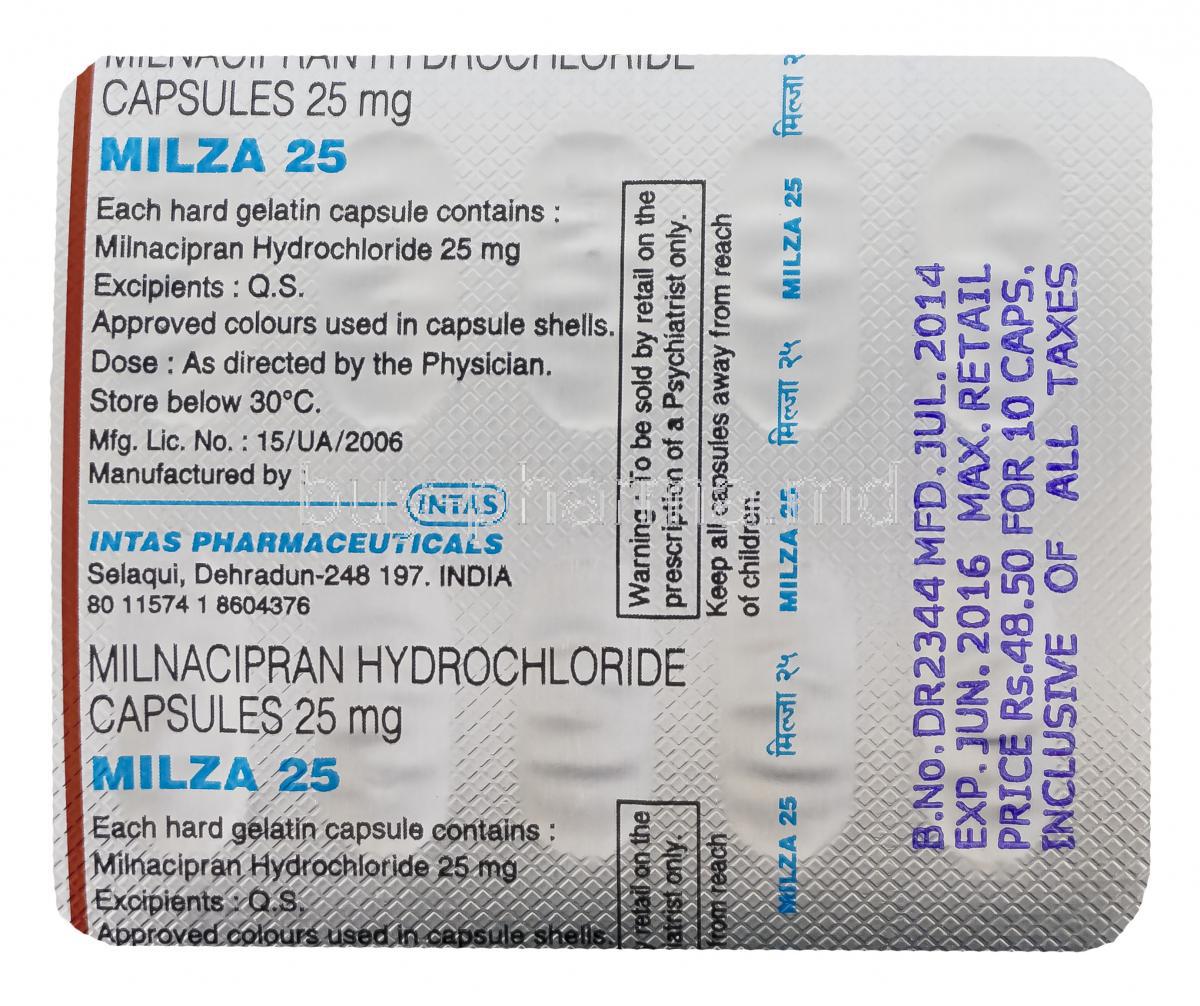
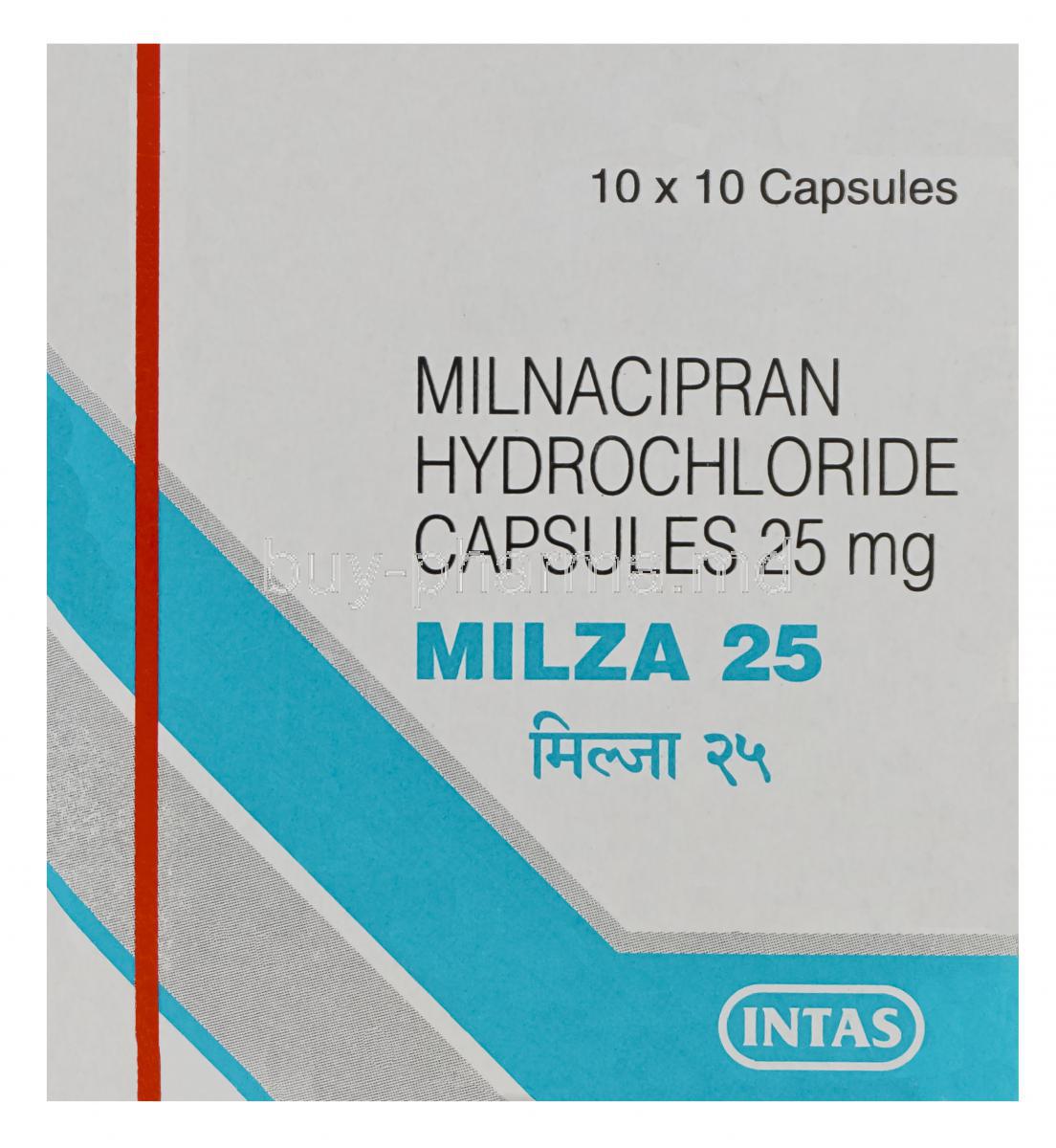
Milza 25 Capsule helps in treating depression and anxiety. It may also be used to treat nerve pain associated with diabetes and other forms of chronic pain.
Is milnacipran used for depression?
Yes
What is milnacipran hydrochloride used for?
Milnacipran is used to treat fibromyalgia (a long-lasting condition that may cause pain, muscle stiffness and tenderness, tiredness, and difficulty falling asleep or staying asleep).
What are the common side effects of milnacipran?
- Body aches
- Dizziness
- Irregular heartbeat
Does milnacipran help with sleep?
Milnacipran was shown to improve subjective sleep parameters in patients with FM.
How does milnacipran affect the brain?
It works by increasing the amount of natural chemicals called norepinephrine and serotonin in the brain.
How effective is milnacipran?
Moderate
How long does it take for milnacipran to work?
1 week
Is milnacipran an antidepressant?
Milnacipran is not used to treat depression, but it belongs to the same class of medications as many antidepressants.
What are the side effects of milnacipran?
- Nausea
- Constipation
- Headache
- Dizziness
What are the benefits of milnacipran?
Milnacipran is used to treat fibromyalgia (a long-lasting condition that may cause pain, muscle stiffness and tenderness, tiredness, and difficulty falling asleep or staying asleep).
Does milnacipran help with sleep?
Yes
Customers also bought


Popular Products

Similar Product