1. Introduction to Tryptomer (Amitriptyline Hydrochloride)
1.1 Overview of Tryptomer as a Tricyclic Antidepressant
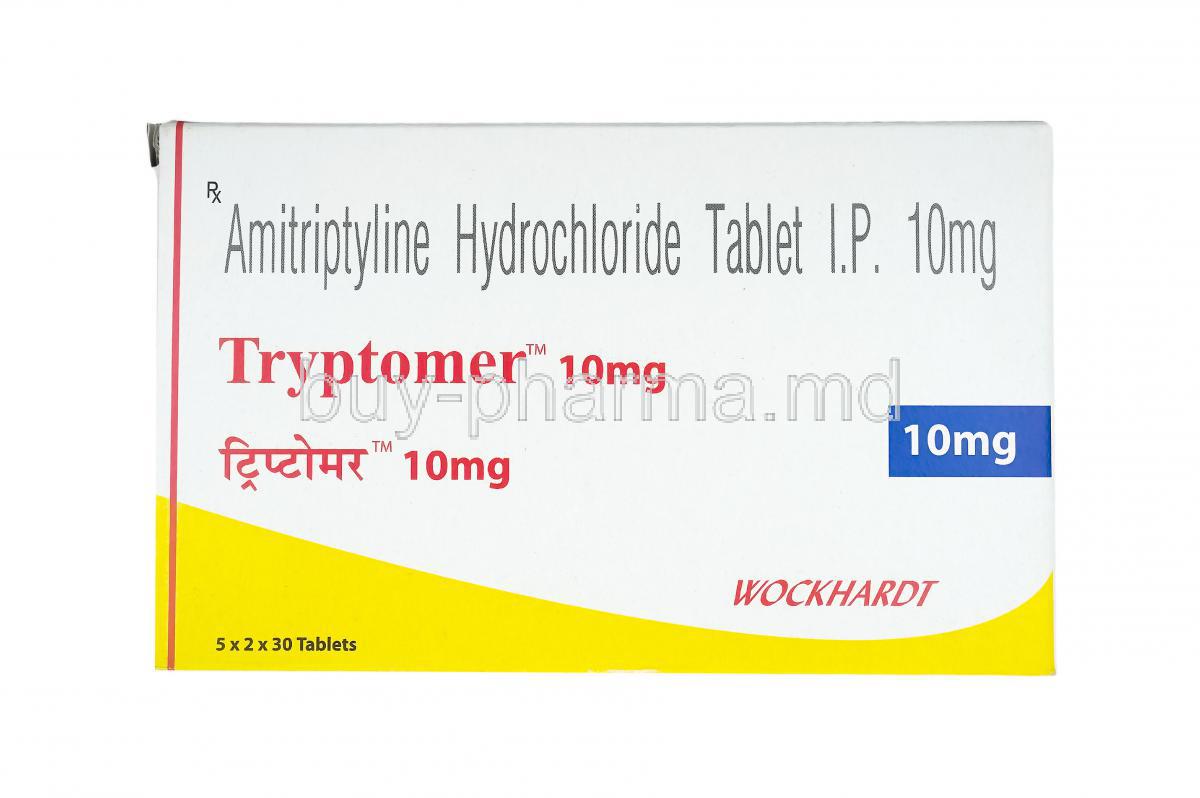
Tryptomer, containing Amitriptyline Hydrochloride, is a tricyclic antidepressant renowned for its broad therapeutic utility. It modulates neurochemical activity within the central nervous system, influencing mood, pain perception, and sleep architecture. Its multifaceted pharmacodynamic profile allows it to address a diverse spectrum of conditions, both psychiatric and somatic.
1.2 Therapeutic Classification and Clinical Relevance
Classified under tricyclic antidepressants (TCAs), Tryptomer is clinically relevant for conditions where neurotransmitter imbalance plays a pivotal role. Its robust efficacy, especially in chronic pain states and refractory mood disorders, continues to secure its position in modern therapeutic practice.
1.3 Global Usage Trends and Medical Significance
Across various healthcare systems worldwide, Amitriptyline remains a cornerstone medication. It is frequently prescribed due to:
- Its reliability in chronic neuropathic pain management
- Affordability and widespread availability
- Long-established clinical evidence spanning decades
Its medical significance persists as clinicians increasingly utilize low-dose regimens for non-psychiatric conditions.
1.4 Brand Names, Generics, and Availability Across Regions
Tryptomer is available globally under multiple brand names and generic versions. Regional availability varies, yet the formulation is commonly found in tablets of varying strengths. Its global ubiquity ensures continuity of therapy for patients across diverse healthcare environments.
2. Composition and Formulation
2.1 Active Ingredient: Amitriptyline Hydrochloride
The primary therapeutic agent is Amitriptyline Hydrochloride, a compound with potent antidepressant and analgesic properties. Its chemical stability and high oral bioavailability support predictable clinical outcomes.
2.2 Available Strengths and Dosage Forms
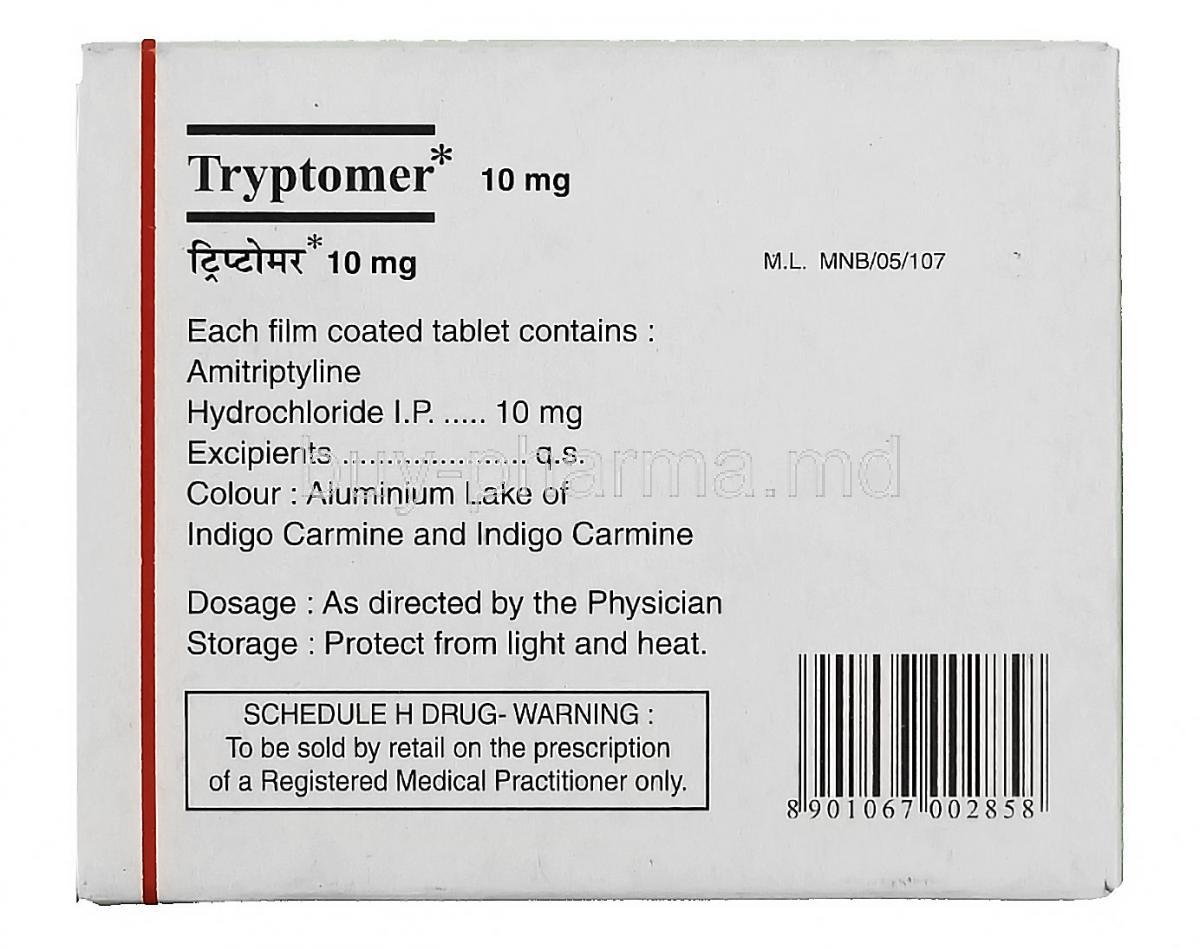
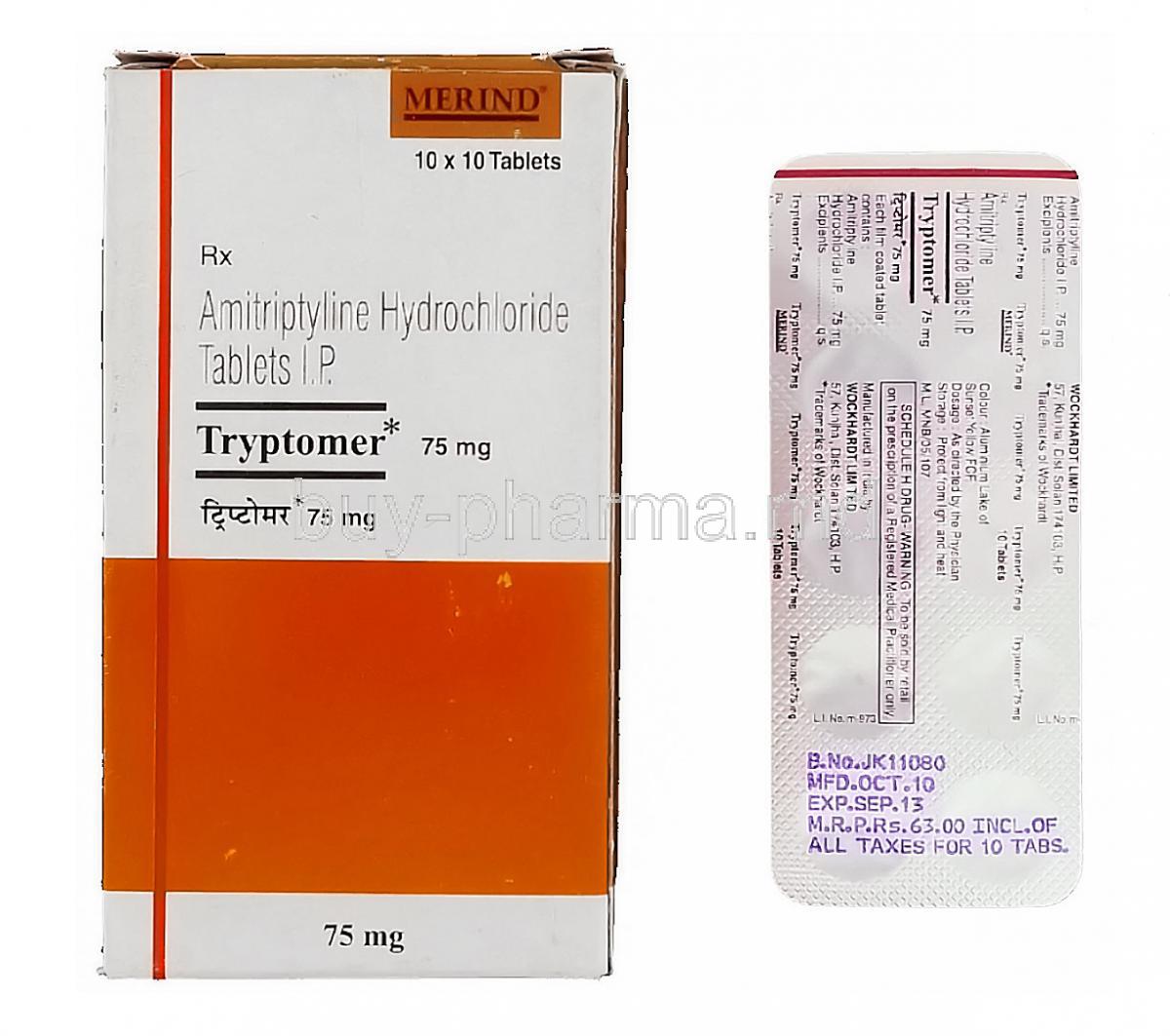
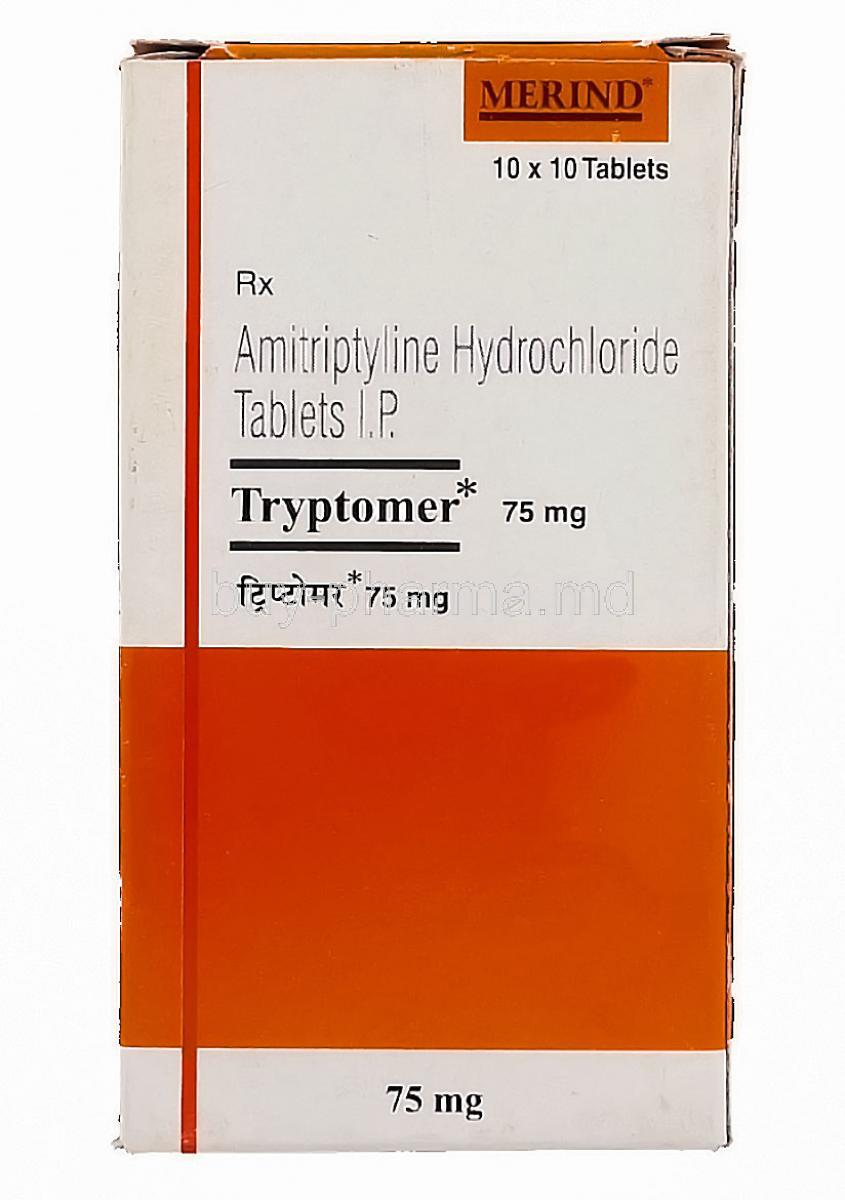
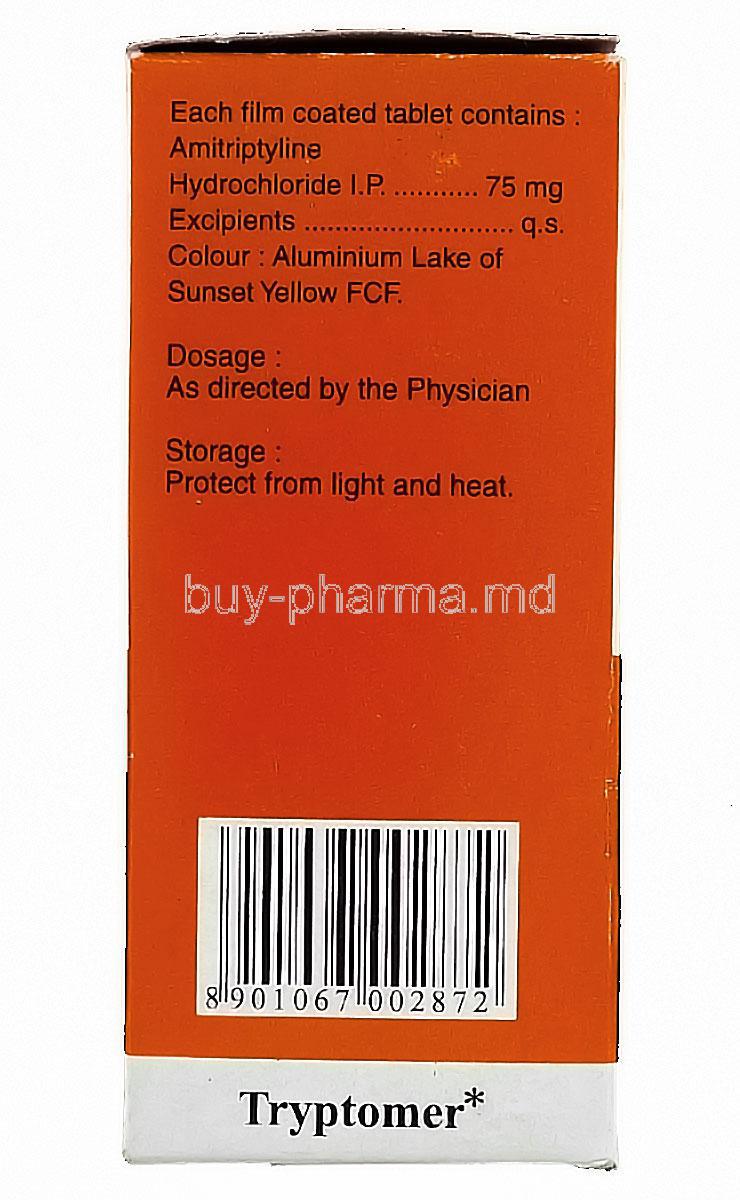
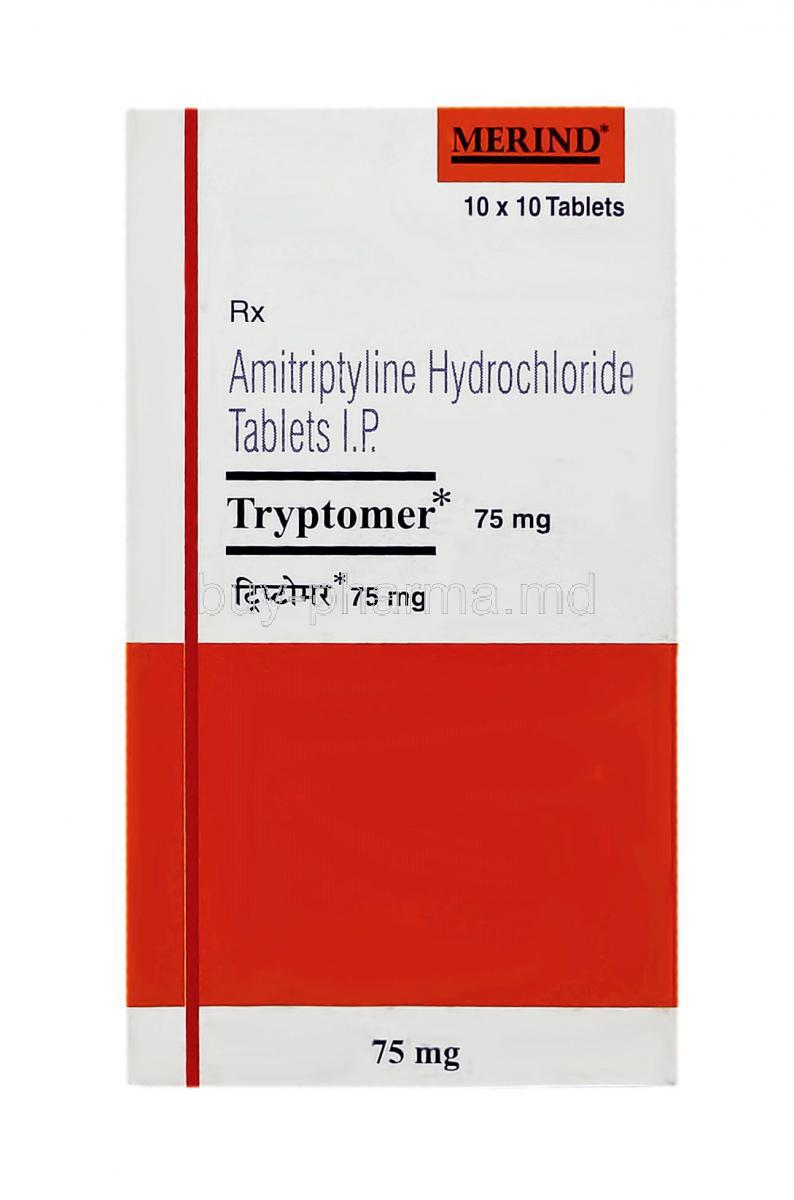
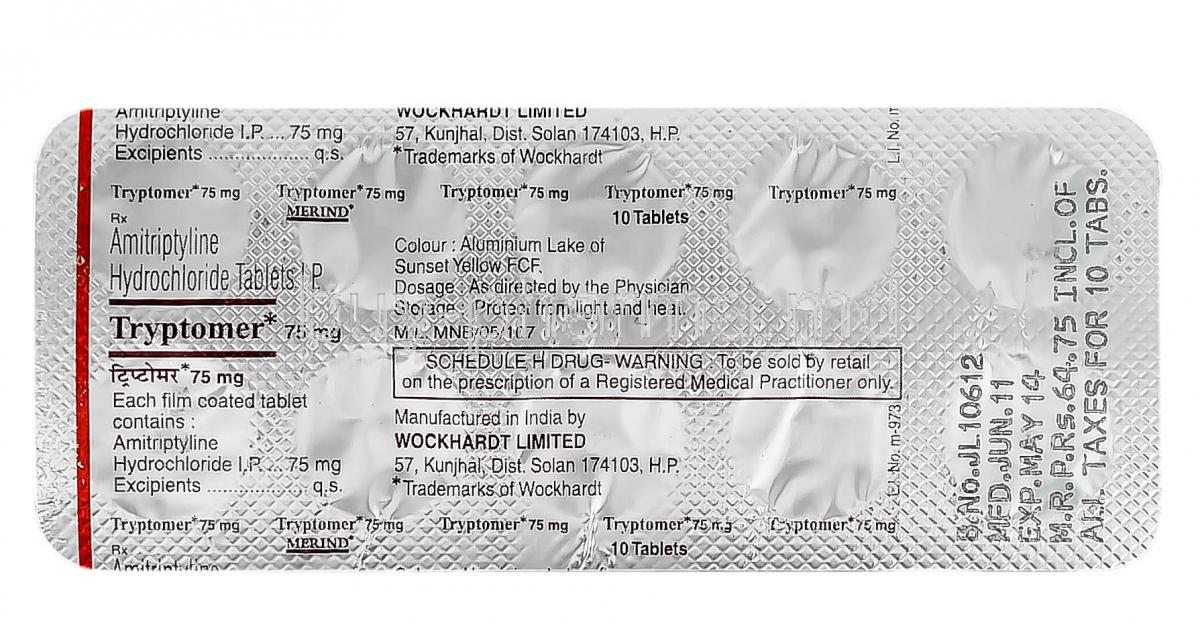
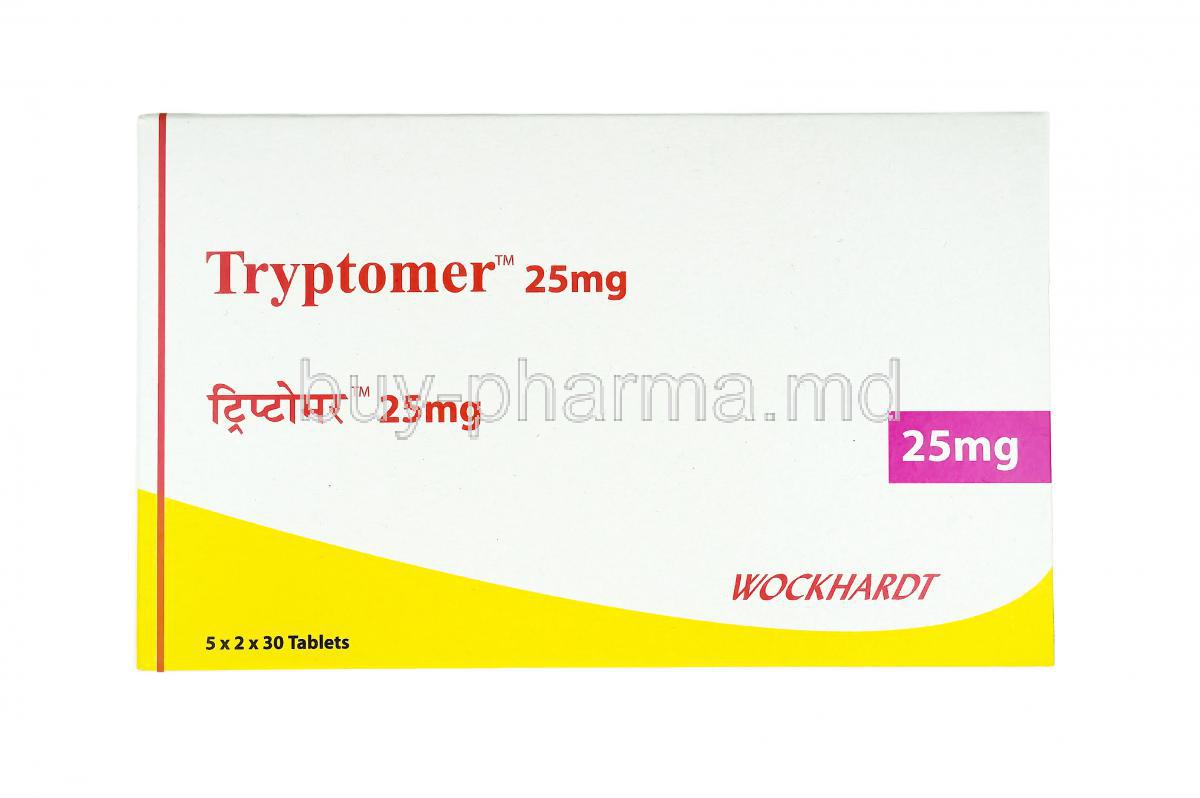
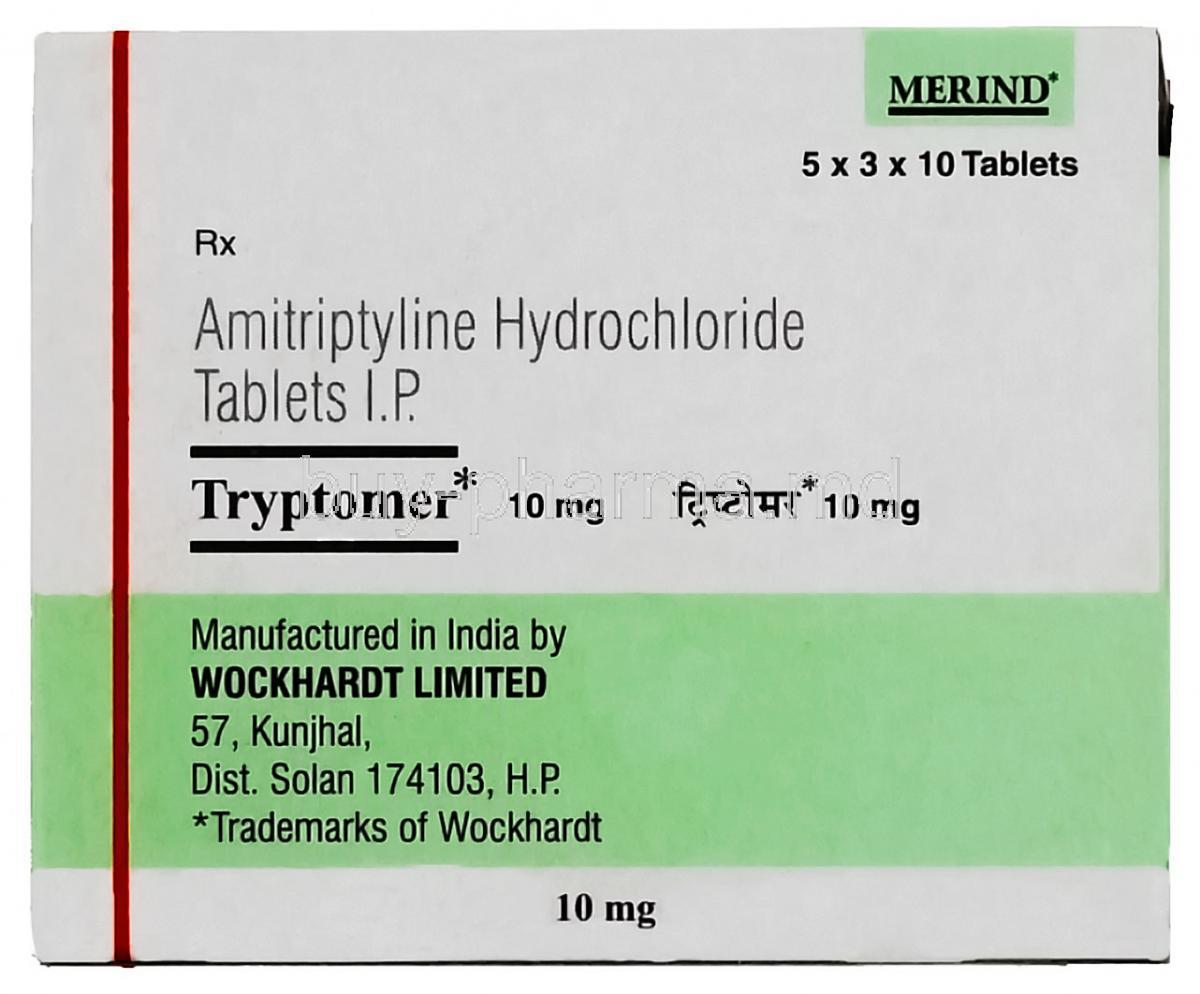
Tryptomer is typically available in oral tablet form, with dosage strengths such as 10 mg, 25 mg, 50 mg, and 75 mg. This range allows clinicians to customize therapy based on clinical severity, tolerability, and patient-specific factors.
2.3 Inactive Ingredients and Excipients
Formulations may include excipients that support tablet stability, such as:
- Lactose monohydrate
- Magnesium stearate
- Microcrystalline cellulose
- Starch or binding agents
2.4 Pharmacological Class and Structural Characteristics
Amitriptyline belongs to the tricyclic family, characterized by a three-ring molecular configuration. This unique structure enables strong affinity for neurotransmitter receptors and contributes to its diverse clinical effects.
3. How Tryptomer Works (Mechanism of Action)
3.1 Inhibition of Serotonin and Norepinephrine Reuptake
Tryptomer inhibits presynaptic reuptake of serotonin and norepinephrine, increasing their synaptic availability. This elevation helps stabilize mood, alleviate pain, and promote restorative sleep.
3.2 Effects on Central Nervous System Neurotransmission
The drug modulates neural pathways responsible for emotional regulation, sleep-wake cycles, and nociception. Its broad modulation effect contributes to its therapeutic versatility.
3.3 Anticholinergic and Sedative Properties
Amitriptyline's anticholinergic activity contributes to both therapeutic and adverse effects. Sedation is frequent, which can benefit patients experiencing insomnia or nighttime pain.
3.4 Onset of Action and Duration of Therapeutic Effect
While mood-related effects may take several weeks, analgesic benefits often appear sooner. Its extended duration allows once-daily dosing in most cases.
4. Approved Medical Uses of Tryptomer
4.1 Treatment of Major Depressive Disorder
Tryptomer is approved for major depressive disorder, particularly in patients who do not respond adequately to newer antidepressants. It enhances mood stability and reduces depressive symptoms.
4.2 Management of Chronic Neuropathic Pain
Low-dose Amitriptyline provides significant relief from neuropathic pain caused by nerve damage or chronic disease. Clinicians frequently prescribe it as a first-line option.
4.3 Use in Tension-Type Headaches
By modulating pain pathways, Tryptomer reduces the frequency and intensity of chronic tension-type headaches.
4.4 Role in Migraine Prophylaxis
Regular use can diminish migraine frequency, preventing severe episodes and improving quality of life.
4.5 Treatment of Insomnia Related to Depression
Its sedative properties help restore sleep cycles disrupted by mood disorders.
4.6 Adjunct Therapy in Anxiety Symptoms
Tryptomer can alleviate somatic manifestations of anxiety, including muscle tension and sleep disturbance.
5. Off-Label Uses of Tryptomer
5.1 Fibromyalgia Symptom Management
Tryptomer may reduce widespread musculoskeletal pain, improve sleep quality, and enhance daily functioning in fibromyalgia patients.
5.2 Irritable Bowel Syndrome (IBS) Pain Modulation
Low-dose therapy helps regulate visceral hypersensitivity, reducing IBS-related abdominal pain.
5.3 Post-Herpetic Neuralgia and Diabetic Neuropathy
Amitriptyline is widely used to manage nerve pain following shingles or due to diabetes.
5.4 Interstitial Cystitis / Bladder Pain Syndrome
Tryptomer reduces bladder discomfort and urinary urgency through neuromodulatory effects.
5.5 Chronic Fatigue Syndrome
Its sleep-enhancing and analgesic properties may help patients cope with persistent fatigue.
5.6 Temporomandibular Joint (TMJ) Disorder Pain
By reducing muscle tension and neural sensitization, Amitriptyline supports TMJ pain relief.
5.7 Cyclic Vomiting Syndrome and Functional GI Disorders
Its central neuromodulatory action assists in regulating gut–brain communication.
6. Dosage and Administration Guidelines
6.1 Standard Adult Dosage for Depression
Initial doses typically range from 25–50 mg daily, adjusted gradually based on therapeutic response.
6.2 Pain Management Dosing Protocols
Neuropathic pain is often treated with lower doses, such as 10–25 mg at bedtime.
6.3 Migraine and Tension Headache Dosing Schedules
Prophylactic regimens often start at low doses to minimize sedation and anticholinergic effects.
6.4 Dosing for Insomnia or Sleep Disturbances
Bedtime dosing enhances sleep continuity without requiring high daily doses.
6.5 Titration Strategy and Dose Adjustments
Gradual titration minimizes side effects and enhances tolerability. Dose adjustments should be incremental.
6.6 Once-Daily vs Divided Dosing Recommendations
Most patients benefit from once-daily nighttime dosing due to sedative effects. Higher doses may be divided.
6.7 Missed Dose Guidance
If a dose is missed, it should be taken promptly unless near the next scheduled dose. Double dosing is discouraged.
6.8 Duration of Therapy Considerations
Long-term use depends on clinical response and condition severity. Regular reassessment is advisable.
7. Side Effects of Tryptomer
7.1 Overview of Expected Adverse Effects
Tryptomer commonly induces anticholinergic, cardiovascular, and central nervous system symptoms. These effects vary by dose and patient sensitivity.
7.2 Common Side Effects
- Dry mouth
- Constipation
- Drowsiness and dizziness
- Blurred vision
- Weight gain
- Increased appetite
- Difficulty concentrating
7.3 Less Common but Significant Side Effects
These may include tremors, urinary retention, excessive sweating, or orthostatic hypotension.
7.4 Rare but Serious Adverse Reactions
Potentially severe reactions include arrhythmias, seizures, severe confusion, or serotonin syndrome.
7.5 Monitoring for Side Effects During Therapy
Patients should be monitored for worsening mood, cardiovascular symptoms, and anticholinergic burden.
8. Important Warnings and Precautions
8.1 Suicidality Warning in Young Adults
Antidepressants may increase suicidal thoughts in young adults during treatment initiation.
8.2 Anticholinergic Burden and Related Risks
High anticholinergic load may induce cognitive impairment, heat intolerance, and urinary complications.
8.3 Risk of Cardiac Arrhythmias and QT Prolongation
Tryptomer can affect cardiac conduction, especially at high doses or in predisposed individuals.
8.4 Risk of Serotonin Syndrome
Concurrent serotonergic medications elevate this risk. Symptoms require immediate medical attention.
8.5 Effects on Mental Alertness and Psychomotor Function
Sedation can impair driving or operating machinery.
8.6 Alcohol Use and CNS Depressant Interactions
Alcohol amplifies sedation and may potentiate respiratory depression.
8.7 Heat Intolerance and Dehydration-Related Concerns
Reduced sweating and thermoregulation may predispose patients to overheating.
9. Contraindications
9.1 Absolute Contraindications
- Recent myocardial infarction
- Concurrent MAOI use
- Known hypersensitivity to amitriptyline
9.2 Relative Contraindications Requiring Specialist Review
- Cardiac conduction abnormalities
- Severe liver dysfunction
- Urinary retention or prostate hypertrophy
- Severe glaucoma
- Bipolar disorder
10. Drug Interactions
10.1 Interactions with MAOIs and SSRIs
Combining Tryptomer with MAOIs or certain SSRIs may precipitate serotonin syndrome or hypertensive crises.
10.2 Interaction with CNS Depressants
Alcohol, benzodiazepines, and anesthetics may enhance sedation and CNS suppression.
10.3 Anticholinergic Drug Interactions
Concurrent anticholinergic medications increase the risk of cognitive impairment and constipation.
10.4 Interaction with Antiarrhythmics and QT-Prolonging Agents
Such combinations heighten risk of cardiac conduction disturbances.
10.5 Interaction with Antihypertensive Medications
Tryptomer may amplify or blunt effects of certain antihypertensives, requiring careful blood pressure monitoring.
10.6 Impact on Blood Glucose and Diabetes Medications
The drug may alter glycemic control, warranting closer monitoring in diabetic patients.
10.7 CYP450 Metabolic Interactions
Amitriptyline metabolism involves cytochrome P450 pathways. Enzyme inhibitors or inducers can modify drug levels significantly.
11. Careful Administration
11.1 Patients with Cardiovascular Disease
Individuals with pre-existing cardiovascular disease require heightened vigilance when using Tryptomer. Amitriptyline may influence cardiac conduction, elevate heart rate, and induce orthostatic hypotension. These effects can be amplified in those with ischemic heart disease, arrhythmias, or hypertension.
- Monitor blood pressure and heart rhythm regularly.
- Use the lowest effective dose in vulnerable patients.
- Evaluate new-onset chest discomfort or palpitations promptly.
11.2 Patients with Seizure Disorders
Tryptomer lowers the seizure threshold. Individuals with epilepsy or a history of seizures may experience increased frequency or severity of convulsive episodes. Careful dose titration and avoidance of interacting medications help mitigate risk.
11.3 Patients with Thyroid Disorders
Hyperthyroidism or thyroid hormone replacement therapy may potentiate cardiovascular effects of Amitriptyline. Tachycardia or heightened sensitivity to catecholamines may occur. Endocrine stability should be ensured before initiating therapy.
11.4 Patients with Urinary Retention Risk
Amitriptyline’s anticholinergic effects may exacerbate urinary retention in patients with bladder outlet obstruction or benign prostatic hyperplasia. Symptoms such as decreased urinary stream or painful voiding require immediate evaluation.
11.5 Patients with Glaucoma
Narrow-angle glaucoma may worsen due to increased intraocular pressure associated with anticholinergic agents. Regular ophthalmologic assessment is advised in predisposed individuals.
11.6 Patients with Hepatic Impairment
Reduced liver function can significantly affect drug metabolism, leading to elevated plasma concentrations and greater risk of adverse effects. Lower initial doses and periodic liver function testing are recommended.
11.7 Patients with Psychiatric Conditions Such as Bipolar Disorder
Tryptomer may precipitate manic or hypomanic episodes in individuals with bipolar disorder. Close psychiatric monitoring is essential, and mood stabilizers are often required concurrently.
12. Administration in Special Populations
12.1 Administration to Elderly Patients
12.1.1 Increased Sensitivity to Side Effects
Elderly individuals often exhibit heightened sensitivity to anticholinergic, sedative, and cardiovascular effects. Even low doses may induce confusion, dizziness, or gastrointestinal slowing.
12.1.2 Dosing Adjustments and Monitoring
Doses should be initiated at the lowest feasible amount. Slow titration and periodic assessment of cognition, balance, and cardiac function are prudent measures.
12.1.3 Fall Risk, Cognitive Changes, and Anticholinergic Burden
Risks include impaired coordination, delirium, and orthostatic hypotension. These factors significantly increase fall and fracture risk. Employing fall-prevention strategies and monitoring hydration and blood pressure are essential.
12.2 Administration to Pregnant Women
12.2.1 Safety During Pregnancy and Risk–Benefit Analysis
Tryptomer use during pregnancy requires careful evaluation. While some data suggest limited teratogenic risk, potential fetal effects necessitate a thorough risk–benefit discussion.
12.2.2 Potential Neonatal Withdrawal Symptoms
Infants exposed in late pregnancy may experience irritability, respiratory distress, or feeding difficulties. These transient symptoms generally resolve with supportive care.
12.2.3 Use During Different Trimesters
First-trimester exposure warrants caution due to organogenesis. Later trimesters may pose risks related to neonatal adaptation. Dosing should remain minimal and under specialist guidance.
12.3 Administration to Nursing Mothers
12.3.1 Transfer into Breast Milk
Amitriptyline passes into breast milk in small amounts. Most infants tolerate this exposure without consequence, but monitoring is important.
12.3.2 Potential Effects on the Breastfed Infant
Watch for excessive sedation, poor feeding, or unusual irritability. Infants with medical vulnerabilities may require alternative feeding arrangements.
12.3.3 When to Avoid Therapy During Lactation
Consider discontinuation or alternative medications if the infant exhibits significant reactions or if high maternal doses are required.
12.4 Administration to Children and Adolescents
12.4.1 Approved and Non-Approved Indications
Amitriptyline is sometimes used for chronic pain or migraine prophylaxis in older children, though not universally approved for depression in younger populations.
12.4.2 Safety Concerns Regarding Suicidality
Antidepressants may increase suicidal ideation in adolescents. Intensive monitoring during early treatment phases is critical.
12.4.3 Pediatric Dosing Considerations
Dosing relies on weight, clinical indication, and tolerability. Initiating therapy at very low doses is essential to reduce adverse effects.
13. Overdosage
13.1 Warning Signs and Symptoms of Overdose
Signs of overdose may include extreme drowsiness, confusion, seizures, dilated pupils, or significant cardiac abnormalities. Symptoms may escalate rapidly, necessitating urgent intervention.
13.2 Risk of Cardiotoxicity, Arrhythmias, and CNS Depression
Tryptomer overdose poses substantial cardiovascular danger. Ventricular arrhythmias, conduction delays, and severe hypotension are common. CNS depression may progress to coma.
13.3 Emergency Management and Treatment Protocol
Immediate hospitalization is imperative. Treatment typically involves:
- Activated charcoal administration
- Continuous cardiac monitoring
- Sodium bicarbonate therapy for cardiotoxicity
- Seizure control with benzodiazepines
13.4 Long-Term Complications After Overdose
Some patients may experience persistent cognitive impairment, cardiac dysfunction, or neurological deficits. Follow-up care supports recovery and reduces recurrence risk.
14. Storage and Handling Precautions
14.1 Recommended Storage Temperature and Conditions
Tryptomer should be stored at controlled room temperature, protected from excessive heat or humidity. Stable conditions preserve potency and safety.
14.2 Protection from Light and Moisture
Exposure to direct light or moisture may degrade the medication. Keep tablets in their original, sealed packaging until use.
14.3 Safe Handling of Tablets
Handle tablets with dry hands and avoid crushing unless directed. Crushing may alter absorption characteristics.
14.4 Disposal Recommendations
Expired or unused medication should be disposed of using local pharmaceutical waste programs. Avoid discarding into household trash or wastewater.
14.5 Keeping Medication Out of Reach of Children
Store securely in locked cabinets or high shelves. Accidental ingestion can cause severe toxicity, especially in young children.
15. Patient Counseling Information
15.1 Key Points to Discuss Before Starting Therapy
Prior to treatment initiation, patients should understand therapeutic goals, possible side effects, and the importance of gradual titration.
15.2 What to Avoid While Taking Tryptomer
Avoid alcohol, abrupt discontinuation, and concurrent use of sedatives unless approved. Driving or hazardous tasks should be limited until individual response is known.
15.3 Lifestyle Modifications to Support Treatment
Balanced nutrition, adequate hydration, sleep hygiene, and stress reduction enhance therapeutic outcomes. Gentle physical activity may improve mood and overall resilience.
15.4 Importance of Adherence and Follow-Up
Consistent dosing promotes stable symptom control. Scheduled check-ins enable adjustments, address concerns, and ensure safe long-term use.





 Verified Purchase
Genuine Product.
Buy with total confidence
Verified Purchase
Effective product ... Many Thanks
Amitriptyline is an incredibly effective drug for me as it acts as an antidepressant but also acts as an anti-inflamatory for my Rheumatoid arthritis. Buy-Pharma is both professional and responsible pharmacy service which I trust completely. Helen Peake
Verified Purchase
Recommended
Delivered very quickly, I am a returning satisfied customer
Customers also bought

Popular Products
Similar Product